


Vintage Narrative Oil Painting
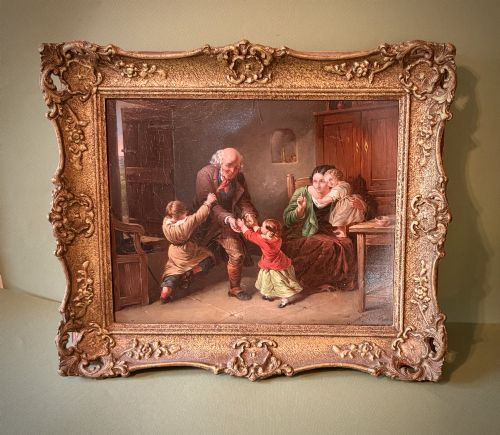
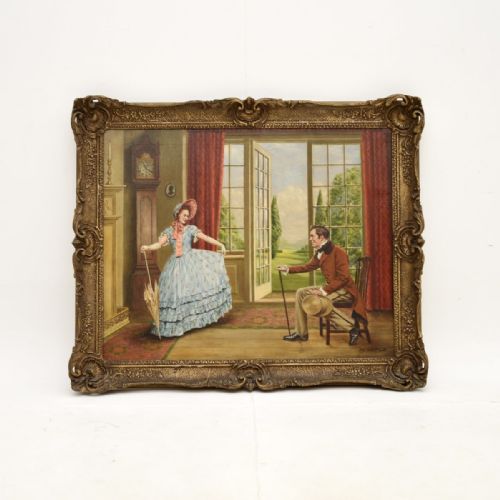
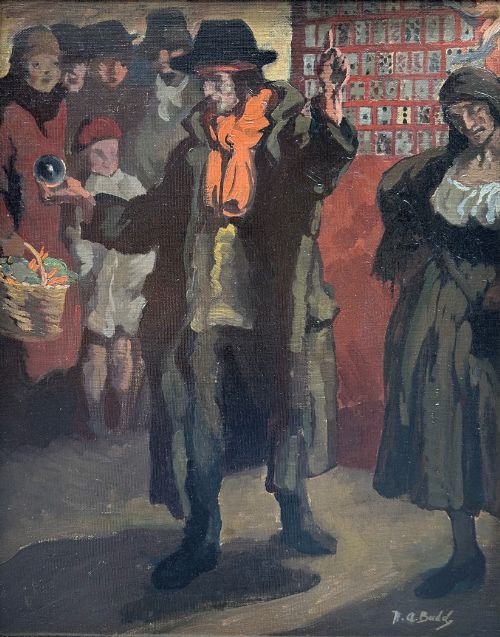
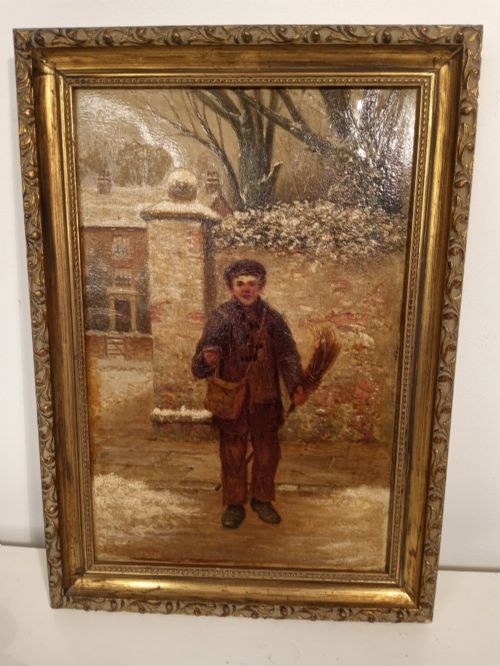
These vintage narrative oil painting pieces tell a story through canvas and pigment, capturing human moments that draw you into domestic or historical scenes.
Vintage Narrative Oil Painting
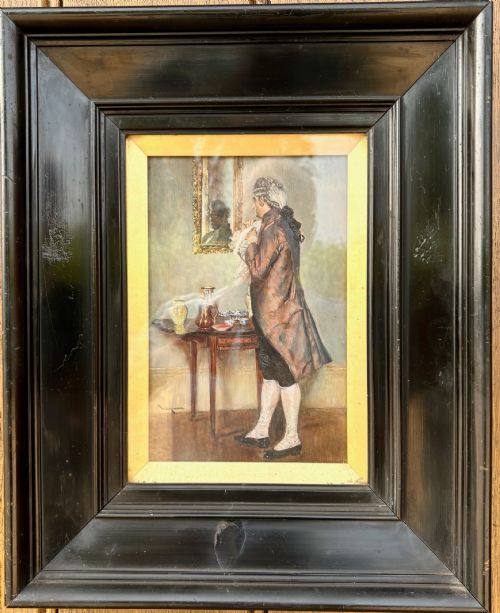
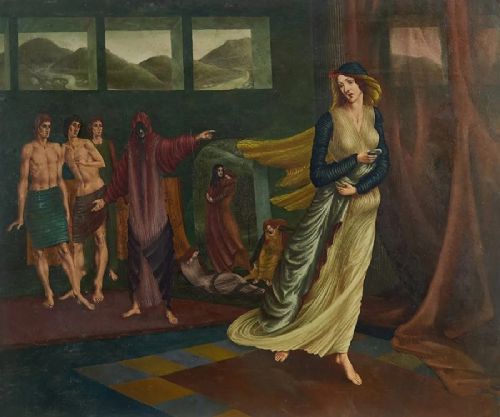
A vintage narrative oil painting records a specific story, domestic scene, or character study rather than a simple landscape or portrait. When searching for a vintage narrative oil painting, you encounter works spanning the nineteenth century through the mid-twentieth century.
The subjects range from domestic interiors and rustic trades to historical episodes and genre scenes involving human figures. Many pieces originate from British, French, and American schools, reflecting regional approaches to realism and symbolism.
You frequently meet works executed on canvas or panel depicting everyday dramas, family visits, and quiet domestic moments. These pieces serve as windows into past social structures and personal interactions.
Materials and construction
Artists built these works using oil paint applied to prepared canvas, wood panels, or wooden boards. The pigment was layered to create depth in clothing, interiors, and facial expressions.
Supports often include stretchers for canvases or solid wooden panels that provided a rigid surface for detailed brushwork. Frames of gilt wood or gilded wood frequently accompany the panels and canvases.
Listings feature works spanning the nineteenth and twentieth centuries, executed in oil on canvas or panel across various realist and genre traditions.
Evaluating the work
Quality rests in the handling of narrative detail, facial expression, and the integration of figures within their setting. Stronger examples demonstrate precise draughtsmanship in hands, textiles, and architectural backgrounds.
The ambition of the composition and the psychological engagement between subjects separate standard decorative works from accomplished genre painting. Provenance notes, artist signatures, and exhibition labels further distinguish notable pieces.
Alfred Lyndon Grace·W.D. Almond·Francis Plummer·Herbert Ashwin Budd·Alexander Rosell·Thomas Hicks·Marc Chagall·James Kyd·David and Goliath·Léon Joseph Voirin·George Smith·Arthur Longley Vernon·Hendricus Joseph Dillens·John A. Houston·Ralph Dorrance·Ralph Hedley·Paul Jones·Hans Temple·Théophile Emmanuel Duverger·Rolinda Sharples·James Ward·Pauline Delacroix Garnier·Arthur David McCormick·Alexandre Decamps
The Vintage Narrative Oil Painting Glossary
- Genre painting
- Depiction of aspects of everyday life by depicting ordinary people engaged in common activities. These works focus on domestic scenes, markets, and social gatherings.
- Panel
- A rigid support for painting, typically made of wood rather than stretched fabric. Panels offer a stable surface that preserves fine brushwork over centuries.
- Oil on canvas
- Pigment bound in an oil medium spread across a woven fabric stretched over a wooden frame. This combination allows for varied textures and blending.
- Realism
- The accurate, detailed, and unembellished depiction of nature or contemporary life. Realist painters shunned artificial drama in favour of everyday truth.
- Symbolism
- A nineteenth-century movement using symbolic images and indirect suggestion to express mystical ideas, emotions, and states of mind. It rejects straightforward representation in pursuit of deeper meanings.
Vintage Narrative Oil Painting: Frequently Asked Questions
What is a narrative oil painting?
A narrative oil painting tells a specific story or depicts a clear moment between people, such as a domestic dispute, a visit, or a historical event.
Unlike pure portraits or landscapes, these works invite the viewer to read the relationships and context within the frame.
How do I care for an oil painting?
Keep oil paintings away from direct sunlight, damp environments, and sudden temperature shifts that can warp wood panels or crack paint.
Dust the surface gently with a soft, dry brush and avoid using chemical cleaners or water on the canvas or frame.
How can I tell the period of a painting?
The clothing styles, interior furnishings, and framing materials often provide the clearest clues to the decade in which the work was created.
Signatures, exhibition labels on the reverse, and the construction of the stretcher or panel also help narrow down the date.
Were these paintings always framed?
Most nineteenth and early twentieth-century oil paintings were paired with a complementary frame, often made of gilded wood, to finish the piece.
Original frames can contribute to the historical context, though many works have been reframed over the decades.