




Continental Portrait Oil Painting
These continental portrait oil paintings capture centuries of likenesses, offering rich character studies from European schools and historic periods.
Continental Portrait Oil Painting
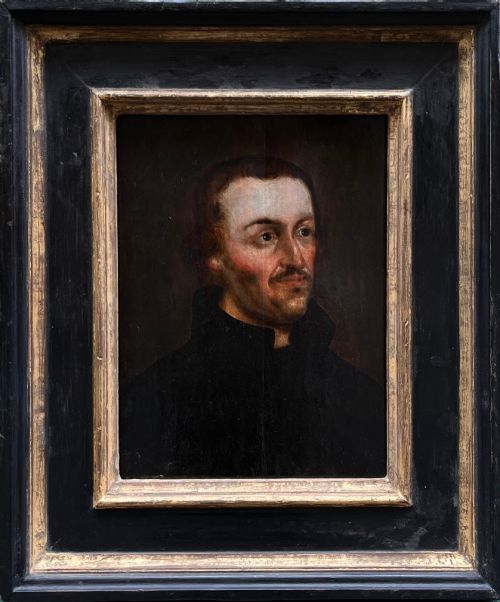
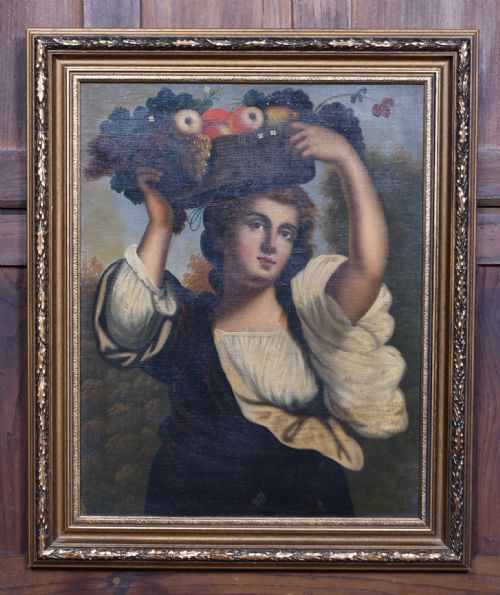
A continental portrait oil painting brings historical likenesses into your home, spanning the seventeenth, eighteenth, and nineteenth centuries. These works include depictions of nobility, peasants, monks, and religious figures created by various European schools.
You will most commonly encounter nineteenth-century pieces on this page, often framed in gilt wood or ebonised wood. Subjects range from individual gentlemen and ladies to family groups and historic personages.
The selection encompasses diverse regional approaches, from Spanish Colonial works to northern European scenes. Each painting offers a direct window into historical attire, portraiture traditions, and domestic life.
Materials and construction
Artists painted these portraits primarily using oil paint on canvas, linen, wooden panels, copper, and tin. The choice of support often reflects the period and region, with metal plates and wooden boards appearing alongside traditional stretched canvas.
Many works retain their original or period frames constructed from wood with gilt or ebonised finishes. These frames complement the oil medium and protect the edges of the canvas or panel over centuries of display.
Among the painted likenesses of monks and nobility, a pipe-smoking gentleman and a man with a wine jug bring lively character to the collection.
Assessing quality and execution
The preservation of the pigment and the condition of the underlying canvas, copper, or panel influence the visual impact. Original framing also contributes to the integrity of the piece.
J HAUPT
The Continental Portrait Oil Painting Glossary
- European School
- A term used to describe works by artists trained in continental Europe whose specific individual names are lost or unrecorded. This designation groups paintings by regional style rather than a single master.
- Oil on Copper
- A technique where the artist paints directly onto a prepared copper sheet instead of canvas. This method provides an exceptionally smooth surface that preserves fine detail and vibrant colour.
- Gilt Wood
- Wood carved and coated with a thin layer of gold leaf or gilt powder. It is commonly found on traditional picture frames surrounding antique paintings.
- Ebonised Wood
- Timber treated with a chemical stain or finish to imitate ebony. This dark, polished framing material provides a sharp contrast to lighter oil paintings.
Continental Portrait Oil Painting: Frequently Asked Questions
How do I date a continental portrait oil painting?
Dating relies on stylistic clues, costume details, and the type of material used for the support, such as copper or canvas. Examining the construction of the frame and the stretcher bars also provides chronological context.
Reference points include nineteenth-century realism or eighteenth-century European traditions visible in the brushwork. Comparative analysis with dated works from similar regional schools helps narrow the period.
What surfaces were used besides canvas?
Artists frequently utilised wooden panels, copper sheets, tin, and linen for their portraits. Each surface alters the texture and preservation of the paint layer.
Metal supports like copper and tin offer a very rigid base that prevents cracking associated with canvas movement. Wooden panels provide a solid ground favoured in earlier European traditions.
How should I hang an oil portrait?
Hang these paintings away from direct sunlight and fluctuating heat sources to protect the oil pigments and wooden supports. Ensure the wall fixings match the weight of the framed artwork.
Stable indoor humidity prevents the canvas from slackening or wooden panels from warping over time. Secure picture wire and sturdy brackets ensure safe display.
What is the European School?
The European School refers to artists working within continental traditions whose individual identities are not documented by signatures or records. These painters shared regional techniques and stylistic approaches.
Such attribution helps collectors understand the geographic origin and artistic context of unsigned works. It connects the painting to broader movements in continental art history.