




Traditional Dress Portrait Painting
These traditional dress portrait painting works capture sitters in regional, formal, or period attire, offering an immediate window into historical textile and social identity.
Traditional Dress Portrait Painting
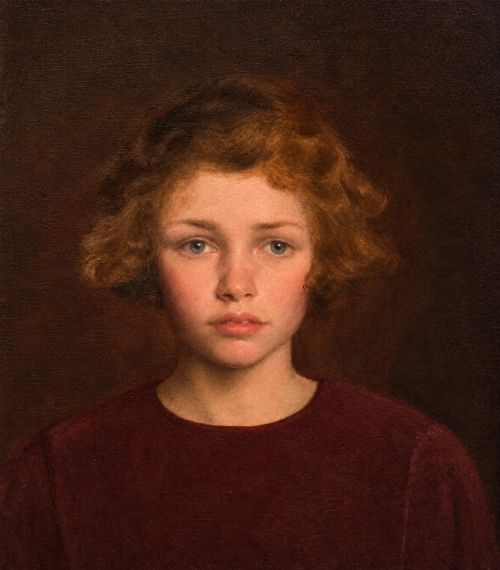
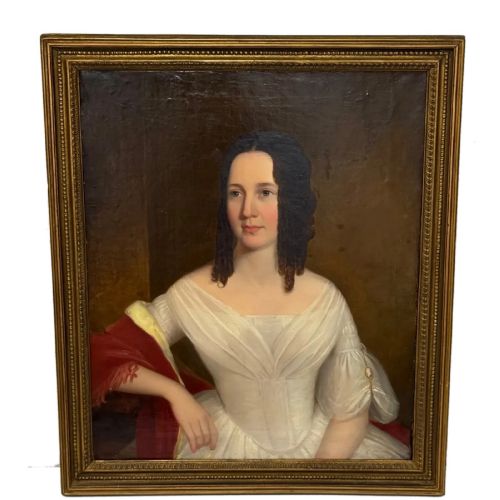
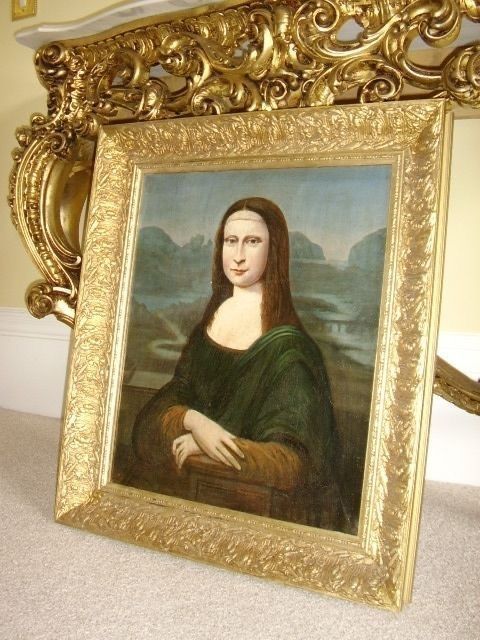
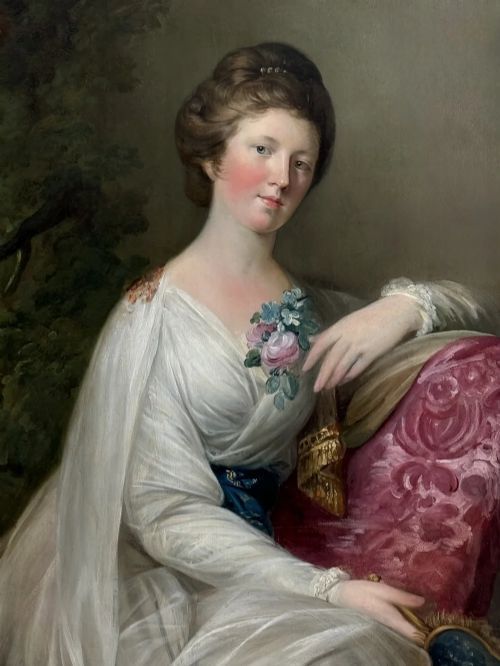
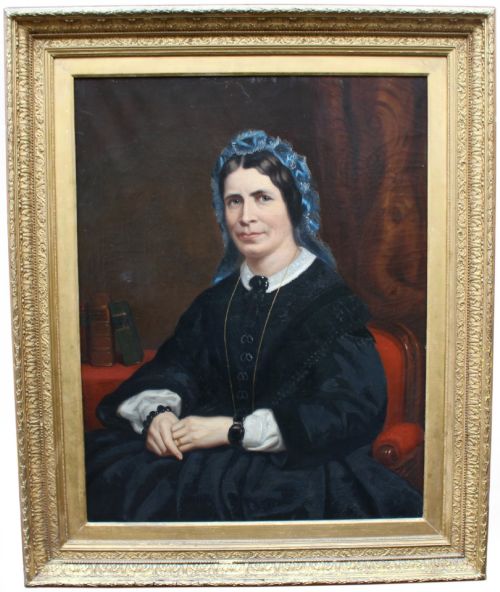
A traditional dress portrait painting depicts an individual wearing specific regional clothing, clerical robes, court dress, or formal historical garments. These works preserve the visual details of past wardrobes, from Scottish tartan kilts to judicial robes and traditional European peasant wear.
Most examples found here date from the eighteenth and nineteenth centuries, executed primarily in oil on canvas or watercolour. The sitters range from named historical figures and children to anonymous continental ladies and local townspeople.
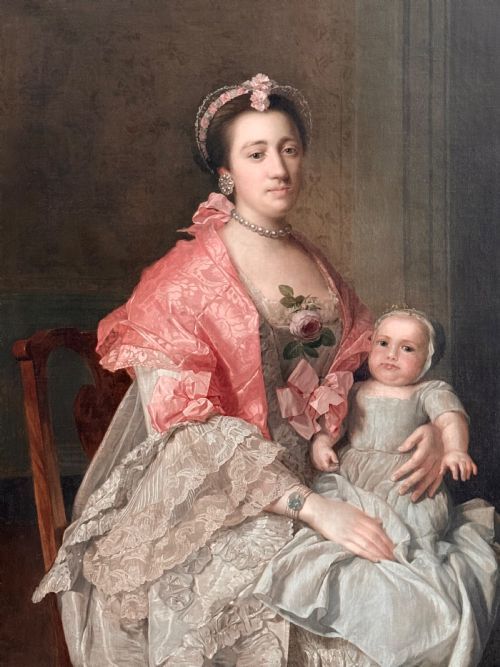
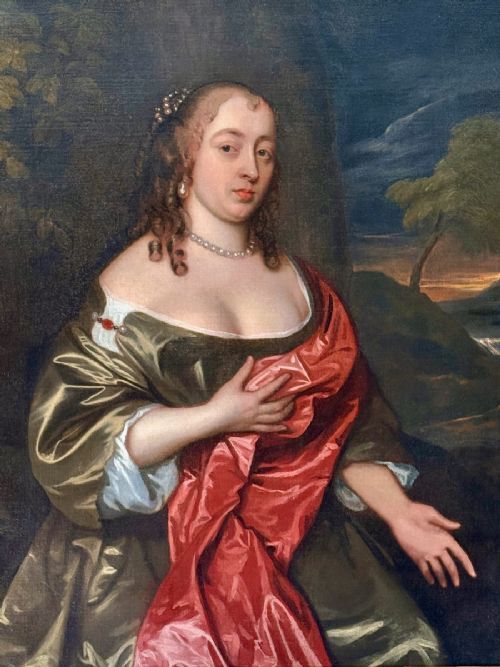
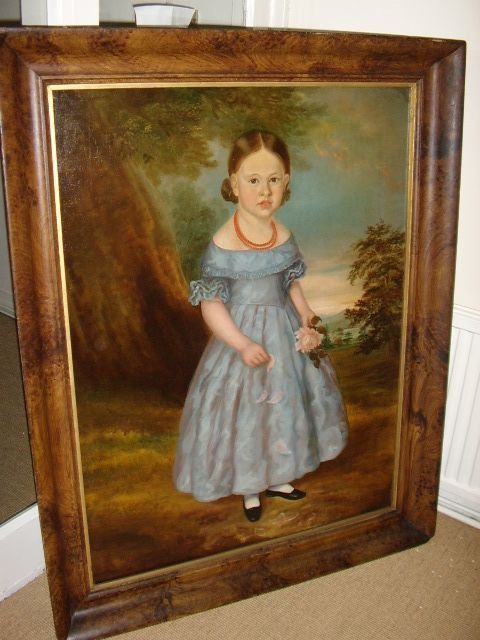
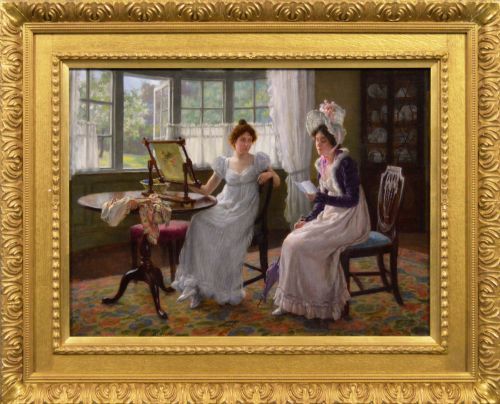
The compositions vary from intimate shoulder-length studies to large canvas portrayals that include domestic interiors or extensive rural landscapes. Each piece records both the physical likeness of the subject and the precise textures of their historical attire.
How They Were Made
Painters relied predominantly on oil paint applied to stretched canvas or wooden board, occasionally using watercolour on paper for smaller studies. Ground pigments mixed with oil allowed artists to build rich layers of colour, rendering the heavy folds of court robes, lace collars, and tartan fabrics with considerable depth.
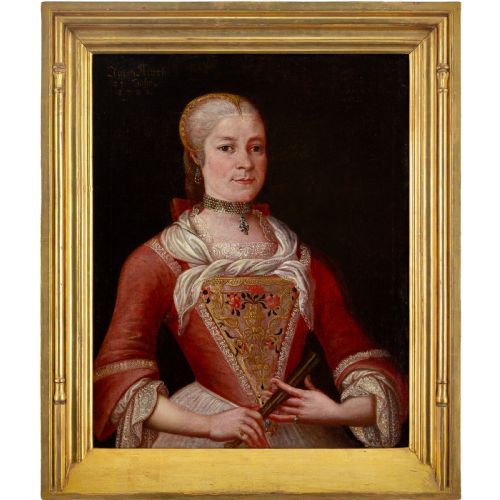
Many of these canvases sit within period frames constructed from wood and finished with gold leaf or giltwood. The physical support of the painting usually consists of traditional linen canvas secured to wooden stretcher frames using iron tacks.
Subject matter ranges from formal court dress and judicial robes to children in tartan kilts and regional peasant wear.
What Varies in Quality
The ability of the artist to render the complex textures of fabric separates standard portraits from exceptional works. Superior paintings capture the specific sheen of silk, the heavy weave of wool, and the delicate transparency of lace through confident brushwork rather than flat colour.
Anatomical proportion and the expressive handling of the sitter's hands and face define the upper tier of these portraits. Stronger compositions integrate the subject naturally into their background, whether that setting is a country house interior or an open landscape.
John Hayls·George Willison·W.R. Waters·Charles Haigh Wood·C.J. Basbe·Ralph Todd·Daniel Pasmore·John Gilroy·Henry Scott·Harry J. Pearson·Eden Upton Eddis·Nathaniel Hone
The Traditional Dress Portrait Painting Glossary
- Oil on canvas
- Pigment mixed with drying oil applied to a woven fabric support stretched over a wooden frame. This medium allowed artists to achieve rich tonal gradations and subtle blending.
- Giltwood
- Wood carved and coated with gold leaf or gold paint, commonly used for traditional picture frames. It provides a reflective border that complements the dark varnishes of older paintings.
- Watercolour
- Paint made of water-soluble pigments suspended in a water-based solution, typically applied to paper. This medium was frequently utilised for lighter, more immediate portrait studies.
- Naive school
- Art produced by painters without formal academic training, characterised by direct perspective and simplified forms. These works offer a charming, unpretentious record of historical sitters.
- Canvas
- A heavy woven fabric used as a surface for oil painting. It provides a durable and textured support that holds thick applications of pigment.
Traditional Dress Portrait Painting: Frequently Asked Questions
What periods do these paintings cover?
The available works span several centuries, with a strong representation of eighteenth-century and nineteenth-century examples alongside early twentieth-century pieces.
Specific dates within the listings range from the seventeen-hundreds through to the mid-twentieth century, capturing shifting styles of portraiture over time.
How are the sitters usually dressed?
The clothing varies widely depending on the subject's status, occupation, and geographical region. Sitters appear in formal court dress, clerical robes, military or judicial attire, and traditional regional garments like Scottish tartan.
Other works depict everyday domestic clothing or historical costume, providing clear evidence of past textile design and social dress codes.
What materials were used for these portraits?
Most works consist of oil paint applied directly to stretched canvas or wooden board. Watercolour on paper also appears among the smaller nineteenth and twentieth-century studies.
Many paintings retain their original wooden frames, often finished with giltwood or gold leaf to enhance the visual depth of the artwork.
How do I care for an oil portrait?
Keep the painting away from direct sunlight and dramatic shifts in temperature or humidity to protect the canvas and wooden stretcher. Avoid using chemical cleaners on the painted surface or the surrounding gilt frame.
Dust the canvas very gently with a soft, dry brush only when necessary, and consult a professional conservator for any deeper cleaning.