


Antique Art Deco Bar
When you search for an antique art deco bar, you uncover sophisticated cocktail cabinets, rolling carts, and intricate barware designed for entertaining.
Antique Art Deco Bar
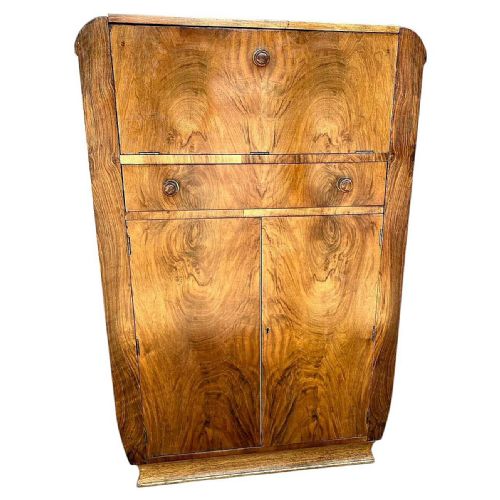
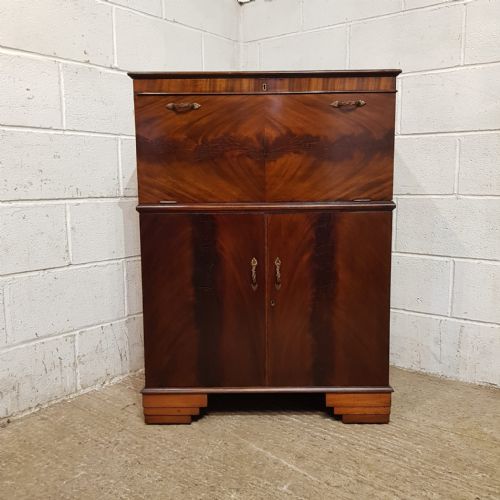
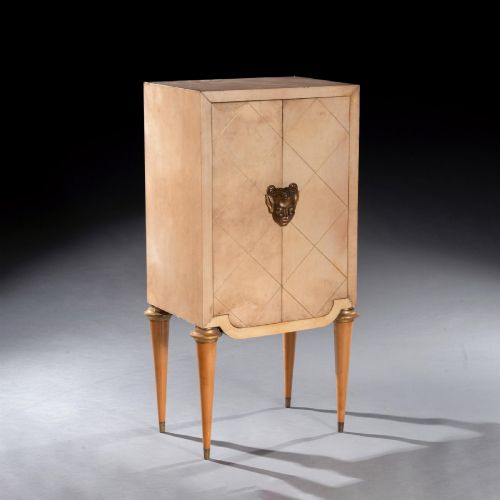
An antique art deco bar primarily manifests as substantial cocktail cabinets, drinks cupboards, and dry bar furniture designed for home entertaining during the early twentieth century. These pieces originate predominantly from the 1920s, 1930s, and 1940s, reflecting the glamorous lifestyle of the period.
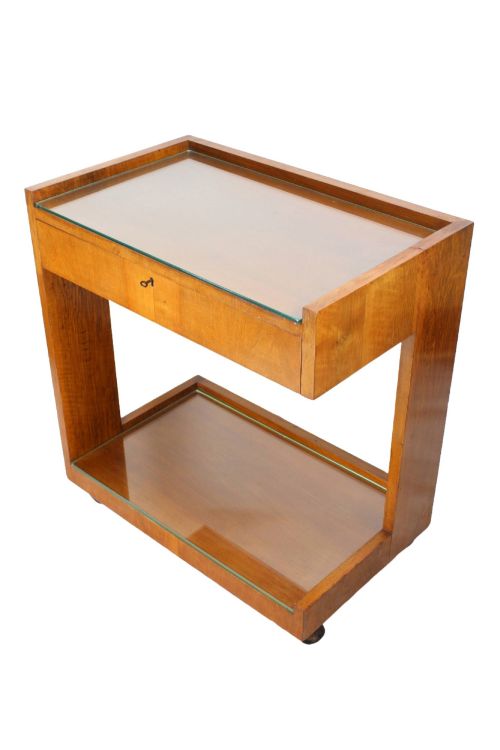
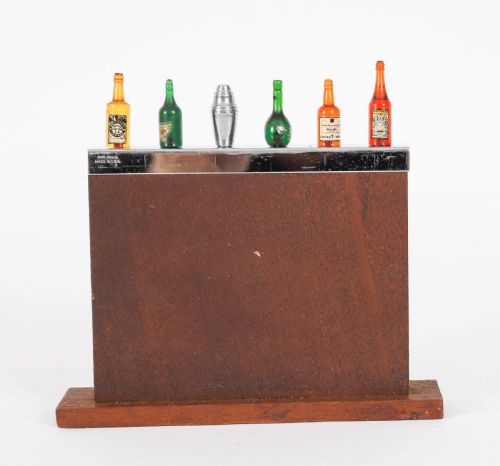
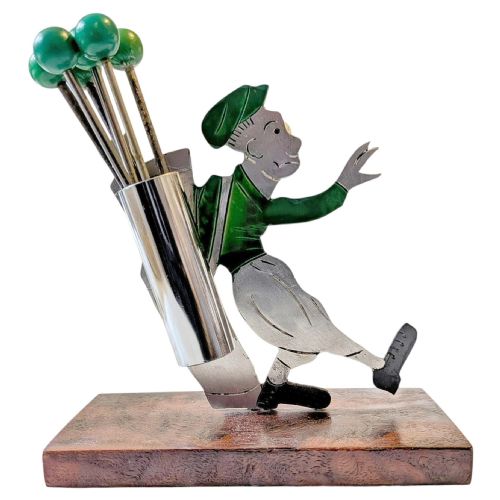
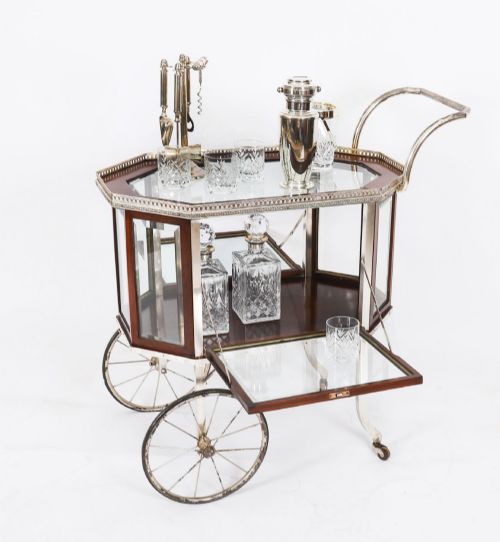
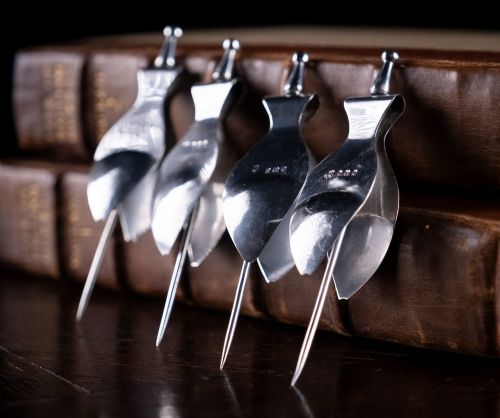
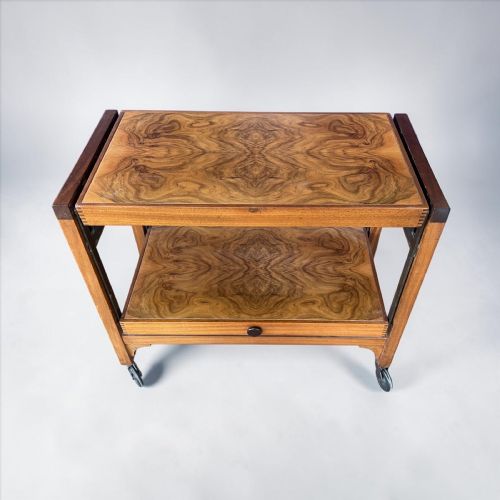
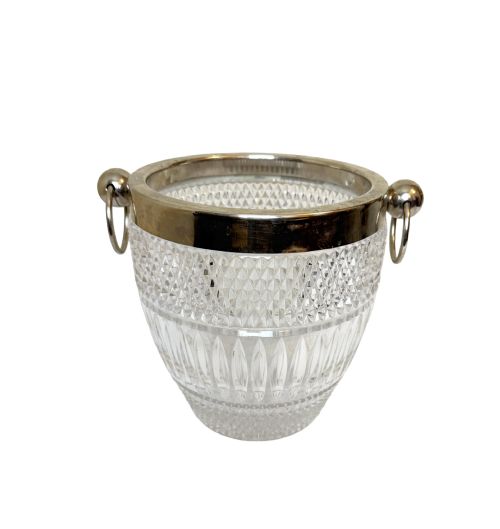
Beyond large furniture, the category extends to portable serving equipment, including tiered trolleys, bar carts, and mirrored trays. Smaller accessories such as cocktail stick sets, shakers, and lemon squeezers also populate the selection, providing the complete accoutrements for a home gathering.
Materials and construction methods
Cabinet makers utilised rich timbers like walnut, burr walnut, bird's-eye maple, and mahogany to construct the main bodies of large drinks cabinets. These woods were often expertly veneered and polished to emphasise striking natural grain patterns.
Metalwork and glass played an essential role, incorporating brass fixtures, silver plate, enamelled details, and mirrored surfaces. This combination of reflective glass and polished metal created the signature gleam associated with the design aesthetic.
Distinctions in quality
The degree of craftsmanship in a cabinet or trolley rests largely on the selection of timber veneers and the precision of the internal fittings. Superior examples display seamless matching of burr walnut or bird's-eye maple across curved doors and drop-down surfaces.
Maker attribution and specialised decorative techniques elevate certain pieces above standard production. Signed or attributed cabinetry by notable workshops featuring specialised marquetry, hand-painted chinoiserie, or integrated electric lighting represents the upper echelon of the craft.
Epstein·Harry and Lou Epstein·Maurice Adams·Harrods·Maison Bagues
The Antique Art Deco Bar Glossary
- Cocktail cabinet
- A specialised piece of furniture designed to store spirits, glassware, and mixing equipment, often featuring a drop-down serving shelf.
- Burr walnut
- A highly prized timber grain obtained from tree growths, producing intricate, swirling patterns frequently utilised in high-end cabinet doors.
- Bar cart
- A mobile serving trolley fitted with wheels, designed to transport bottles and glassware easily between rooms during a reception.
- Chinoiserie
- A decorative style reflecting European interpretations of Chinese artistic traditions, often applied as lacquered scenes on cabinet surfaces.
- Jigger
- A small double-ended measuring cup utilised by bartenders to pour precise quantities of liquor for mixed drinks.
Antique Art Deco Bar: Frequently Asked Questions
What is an antique art deco bar?
An antique art deco bar refers to specialised drinks cabinets, serving trolleys, and barware accessories produced primarily between the wars. These items were designed to facilitate the serving of cocktails in domestic settings.
Such pieces range from large fitted cabinets with mirrored interiors to mobile brass carts and intricate silver cocktail accessories.
How were cocktail cabinets used?
Cocktail cabinets served as the social hub for hosting guests, housing liquor bottles, shakers, and specialised glassware behind locked doors. When opened, the drop-down shelf provided an immediate mixing station for preparing drinks.
Many designs incorporated internal lighting or mirrored backs to showcase the glassware while entertaining visitors in the evening.
How do I care for burr walnut?
Burr walnut furniture requires gentle maintenance, avoiding direct sunlight to prevent the timber veneers from fading or drying out over time. Regular dusting with a soft, dry cloth preserves the polished surface.
Applying a quality furniture wax periodically helps nourish the wood and maintain the deep lustre of the grain patterns.
How do I identify a 1920s piece?
Pieces from the 1920s often display geometric lines, luxurious wood veneers like burr walnut, and contrasting metal accents such as brass or silver plate. The construction methods reflect sturdy wooden frames combined with modern manufacturing techniques of the era.
Signatures, stamps, or labels from prominent department stores and workshops can also help confirm the production period.