
Antique Armchair Seating
These antique armchair seating options bring centuries of craftsmanship and character into a room, offering both history and comfort.
Antique Armchair Seating
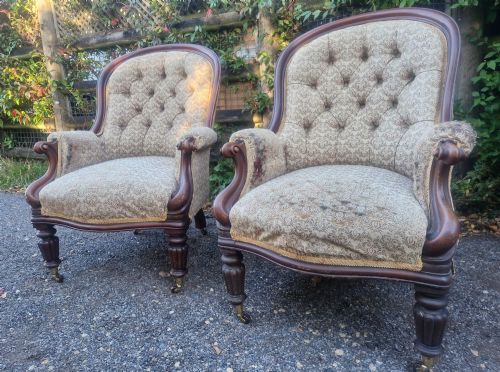
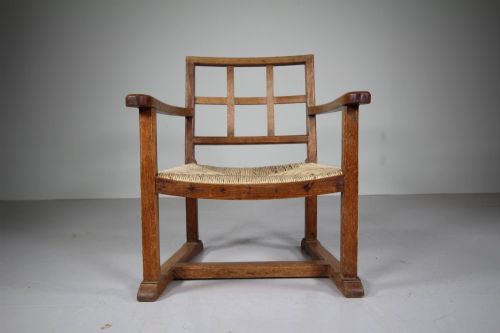
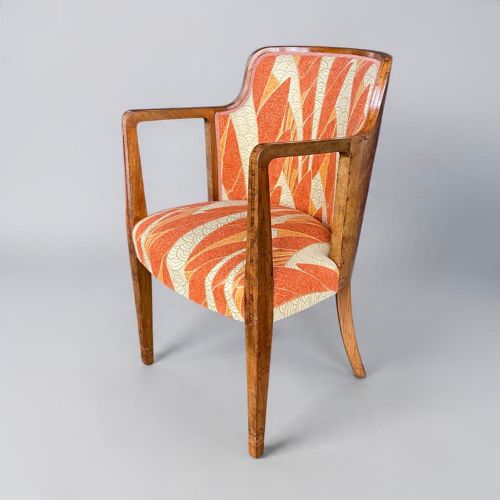
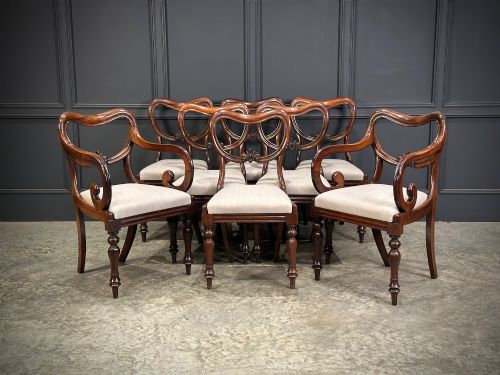
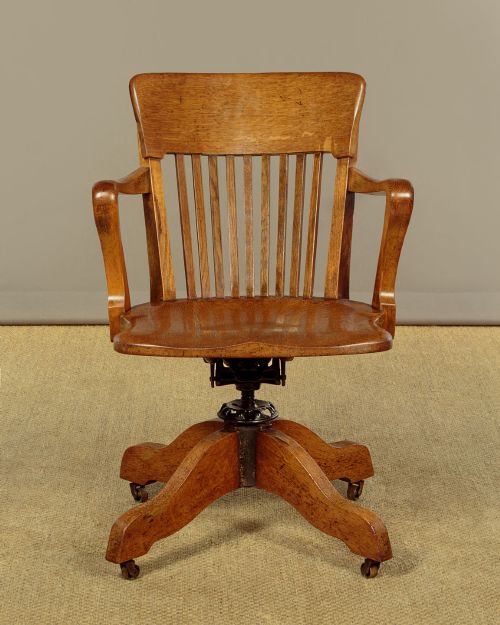
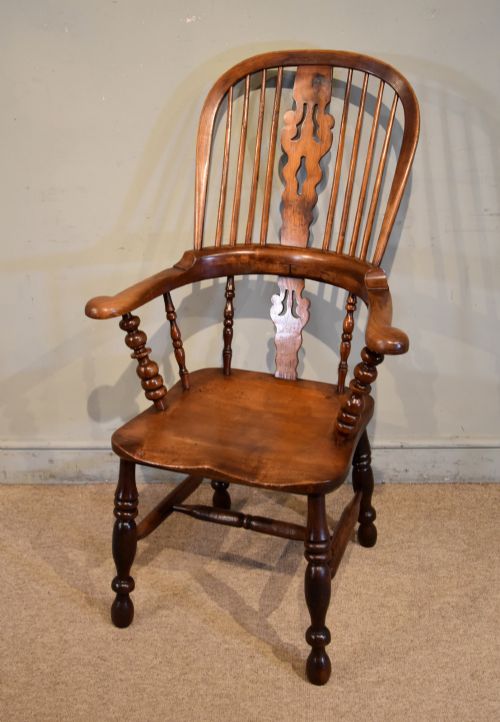
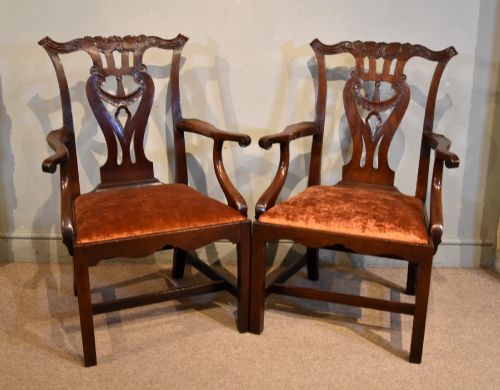
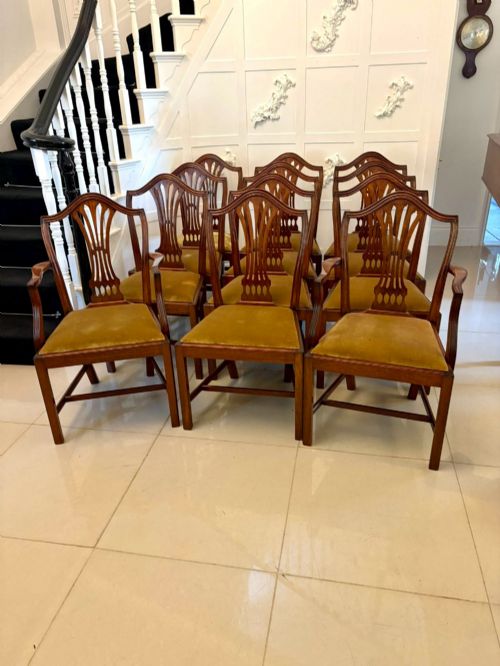
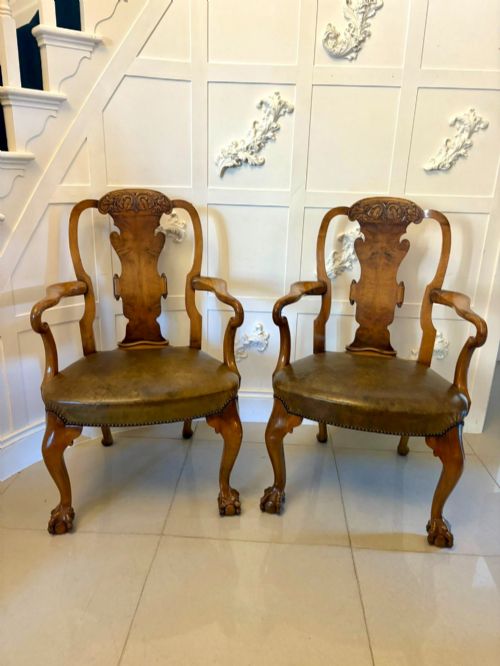
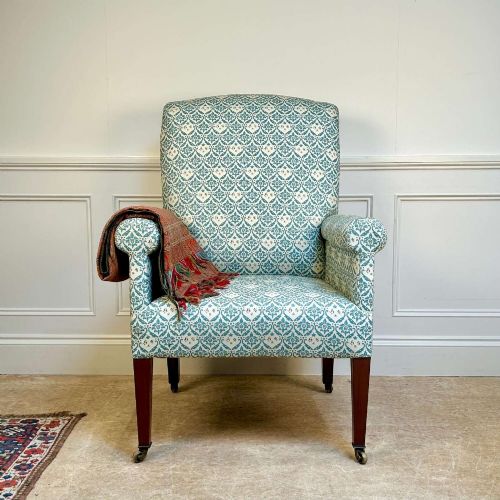
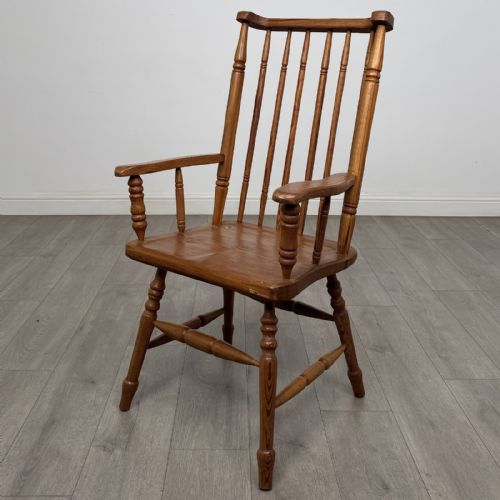
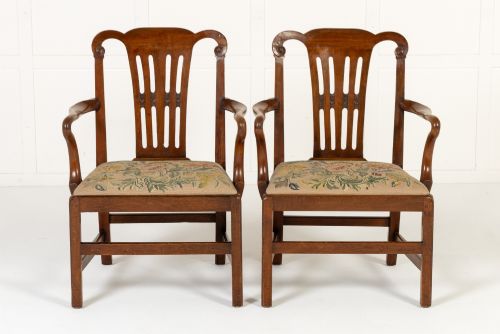
When you search for antique armchair seating, you encounter a diverse range of historic chairs spanning multiple centuries and stylistic traditions. The selection encompasses heavy library chairs, open armchairs, revolving desk chairs, and robust Windsor forms designed for everyday utility. Pieces range from modest country elm stick backs to formal mahogany dining carvers and upholstered French club chairs.
You are most likely to meet 19th-century and Edwardian examples on this page, alongside earlier Georgian and 18th-century forms. Common formats include pairs of dining carvers, single reading chairs, and office seating fitted with leather inserts. Materials shift between regional native timbers like oak, ash, and elm, and high-style imported mahogany and walnut.
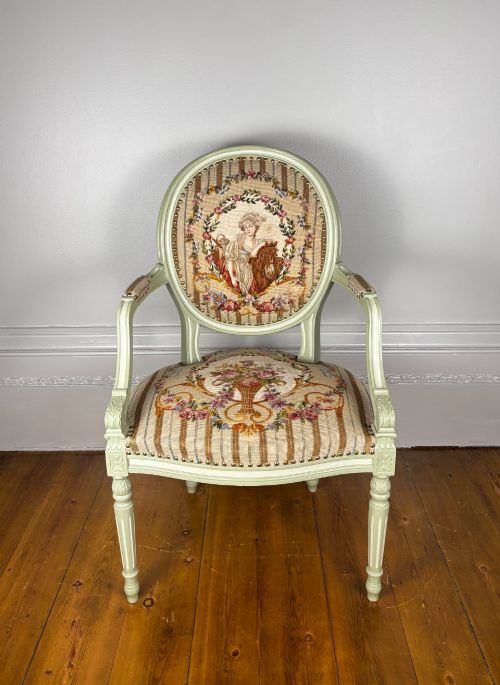
The assortment reflects domestic, office, and formal salon settings from across Britain and continental Europe. Buyers find everything from primitive hoop-back country seating to ornate giltwood bergere chairs and painted elbow chairs. Each piece retains the distinct structural design of its original period of manufacture.
Materials and construction
Makers constructed these chairs using robust hardwoods such as mahogany, oak, elm, ash, and beech, often pairing solid frames with turned legs and brass fittings. Workshops relied on traditional joinery techniques, utilising mortise and tenon joints to ensure long-term structural stability under daily use.
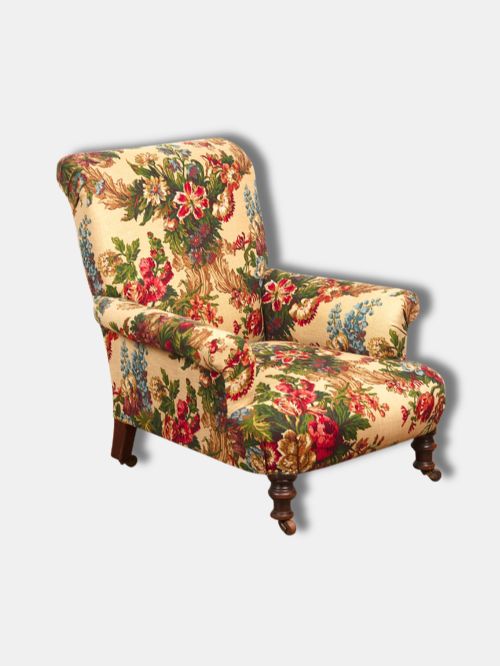
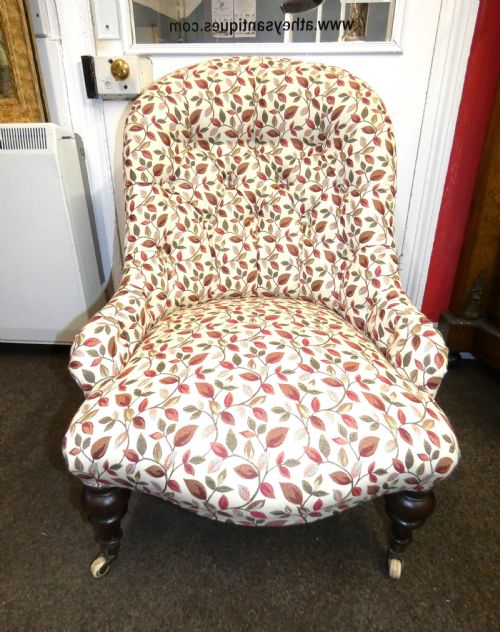
Upholstered variations incorporate traditional stuffing and webbing finished in textiles like leather, velvet, fabric, and damask. Decorative details include hand-carved woodwork, applied gilt, cane panels, and intricate mother-of-pearl inlay on specific regional pieces.
Several chairs include revolving mechanisms and green leather seats, proving that Victorian office workers appreciated a spin just as much as modern ones.
Distinctions in quality
Quality rests upon the integrity of the timber selection and the precision of the original joinery, separating utilitarian workshop output from master cabinetmaker production. Heavier sections of timber and deeply carved ornamentation distinguish higher-grade library and dining carvers from simpler vernacular seating.
The survival of original surface finishes, patination, and authentic leather or textile upholstery significantly impacts the standing of a piece. Well-preserved maker stamps, such as those associated with established workshops, further elevate the status of an antique chair.
Howard and Sons·Gillows·Charles Hindley and Sons
The Antique Armchair Seating Glossary
- Carver
- An armchair designed to match a set of dining chairs, usually placed at the head of the table. These seats typically feature arms styled to coordinate with the side chairs.
- Windsor
- A traditional wooden chair featuring a solid saddle-sculpted seat into which the legs and back spindles are wedged directly. Regional variations include hoop-back and Thames Valley forms.
- Bergere
- An enclosed upholstered armchair featuring an exposed wooden frame and woven cane side panels. This French style gained popularity across various 18th and 19th-century periods.
- Library chair
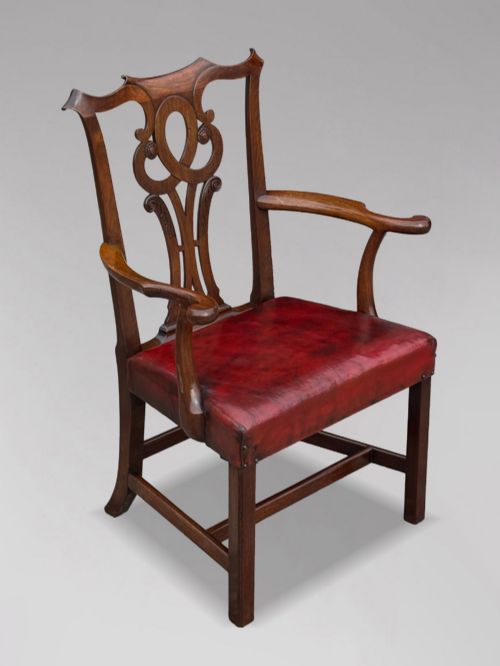
- A heavy, substantial armchair designed for reading rooms and studies, frequently upholstered in leather or velvet. They offer generous proportions and robust structural support.
- Elbow chair
- A term frequently used for a light armchair or dining carver with low armrests. These pieces combine the supportive function of an armchair with the compact footprint of a standard chair.
Antique Armchair Seating: Frequently Asked Questions
How do I identify a Windsor armchair?
Windsor armchairs are characterised by a solid wooden seat carved from a single slab, into which the legs and back spindles are tenoned directly. They often utilise native timbers like ash, elm, and beech.
Look for distinctive back designs such as the hoop back or comb back, which reflect regional English construction traditions from the 18th and 19th centuries.
Where were library chairs used?
Library chairs were traditionally placed in the studies, libraries, and drawing rooms of large country houses and town residences. They were built to provide comfort during long hours of reading and writing.
These chairs usually feature sturdy mahogany or walnut frames paired with durable leather or velvet upholstery to withstand frequent daily use.
What is a carver chair?
A carver is an armchair designed to accompany a matching set of dining chairs, traditionally positioned at either end of a dining table. They share the decorative style and leg design of the smaller side chairs.
The arms are curved or shaped to fit comfortably beneath the table edge while offering additional support for the person seated at the head.
How do I care for antique leather upholstery?
Antique leather requires gentle cleaning with a soft, dry cloth to remove dust without damaging the surface. Avoid using modern chemical cleaners that can strip the historic finish and dry out the hide.
Applying a specialist leather conditioner periodically helps maintain suppleness and preserves the natural patination developed over centuries of use.