



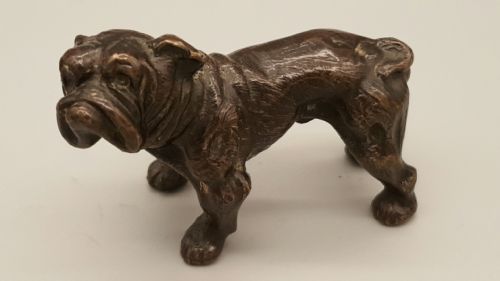


Antique Animalier Painting
When you look for an antique animalier painting, you find works capturing birds, dogs and lions in oil on canvas alongside bronze and terracotta sculptures.
Antique Animalier Painting
An antique animalier painting depicts animals, birds and livestock, often rendered with naturalistic precision by 19th century and early 20th century artists. Buyers seeking these works will encounter framed oil paintings on canvas alongside three-dimensional bronze and terracotta animal sculptures.
The pieces on this page span several decades, originating from British, French, Belgian and Austrian studios. Alongside traditional canvas works, the selection includes cold-painted bronze figures and pictorial porcelain plates.
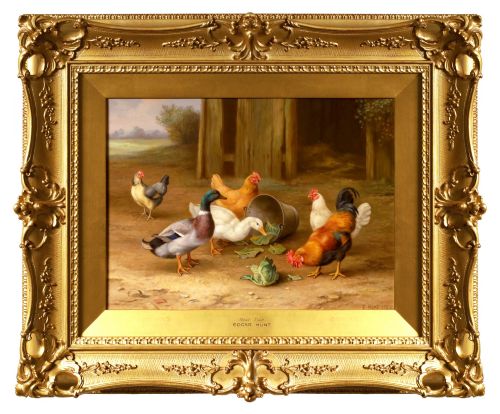
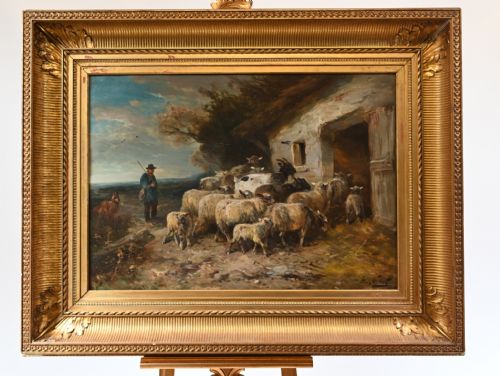
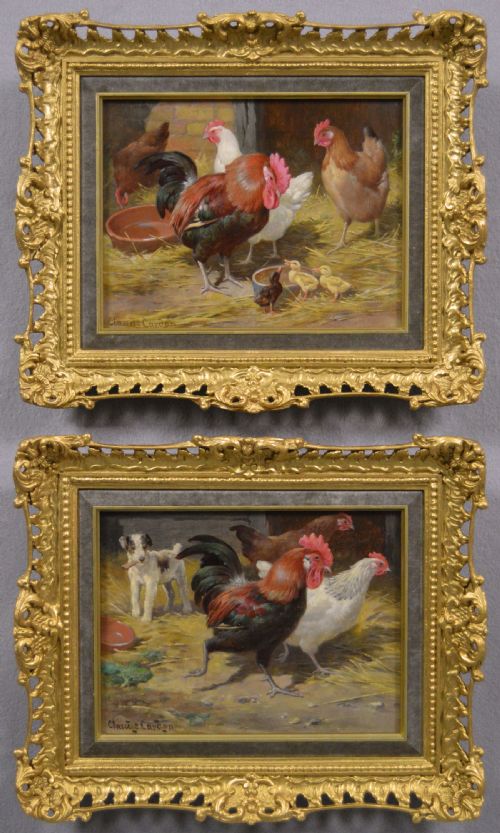
Subject matter ranges widely from domestic farmyard fowl and sheep flocks to exotic big cats and hunting dogs. Painters such as Edgar Hunt and Eugene Joseph Verboeckhoven anchor the oil paintings, while founders like Franz Bergman shape the bronze sculpture works.
Materials and methods
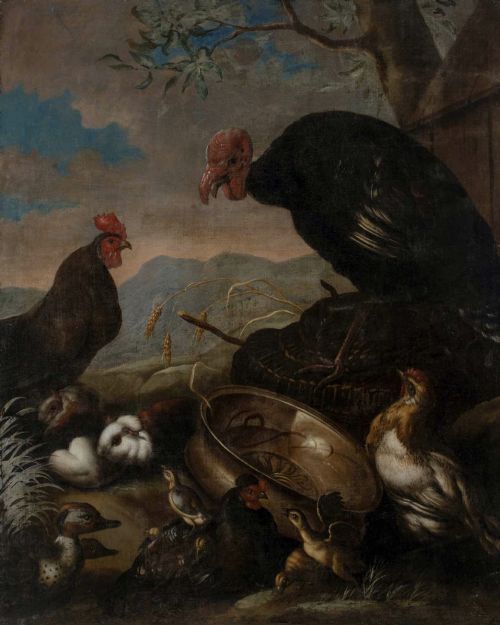
Canvas works utilise oil paint applied by brush, capturing fine details in animal plumage and fur against pastoral or rustic backgrounds. Pigments are layered to achieve realistic textures in depictions of sheep, chickens and lions.
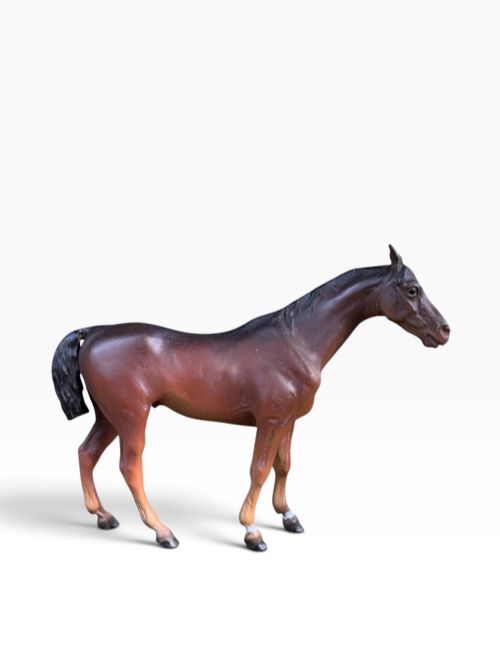
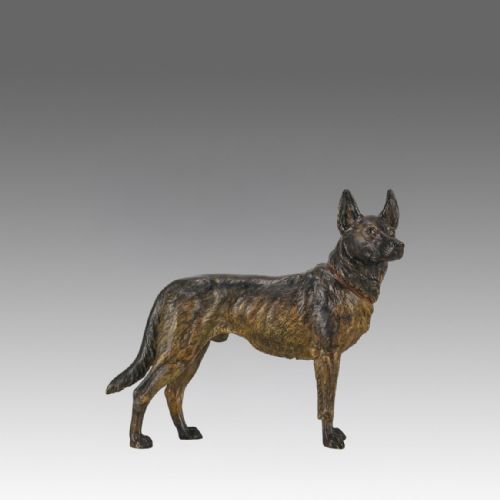
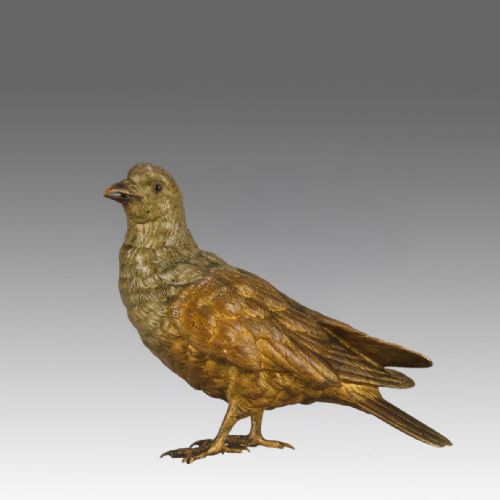
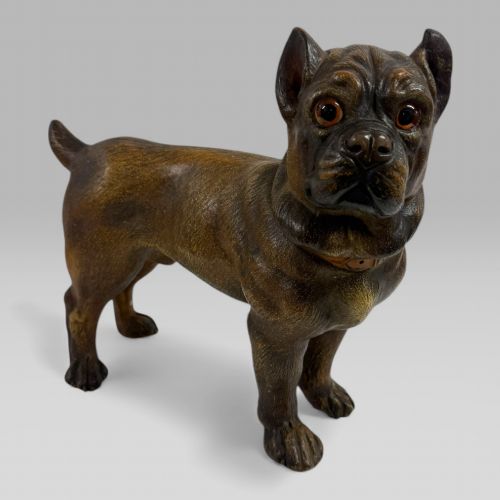
Bronzes are cast in metal and frequently finished with cold-painted polychrome details applied over the metallic surface. Terracotta pieces involve moulded earthenware fired and hand-painted to represent life-size dogs and chimpanzees.
A monkey races a greyhound across a gilded dish, proving that Victorian metalworkers possessed a wonderfully mischievous sense of humour.
Differentiating the pieces
Quality rests upon the anatomical precision of the subject and the liveliness of the brushwork or metal casting. Works that capture distinct animal behaviour and expressions stand apart from rigid compositions.
The preservation of the original paint surface dictates value, particularly in cold-painted bronzes where polychrome finishes are prone to chipping over time. Signature clarity and documented attribution to established painters or founders elevate individual pieces.
Angelo Maria Crivelli·Franz Bergman·Henry Schouten·Claude Cardon·Eugene Joseph Verboeckhoven·Edgar Hunt·Horatio Henry Couldery·Geza Vastagh·Cuthbert Edmund Swan·Jules Moigniez
The Antique Animalier Painting Glossary
- Cold-painted bronze
- A metal sculpture technique where the bronze receives polychrome paint layers applied after casting, rather than being fired in a kiln. This finish requires careful handling to prevent flaking.
- Vienna bronze
- Small, highly detailed bronze sculptures produced in Austrian workshops during the late nineteenth and early twentieth centuries. They are renowned for realistic animal depictions.
- Oil on canvas
- A traditional painting medium consisting of pigments suspended in drying oils applied to stretched fabric. It allows for rich colour blending and fine textural detail.
Antique Animalier Painting: Frequently Asked Questions
What subjects appear in these works?
The artworks and sculptures depict domestic farm animals, birds, poultry and exotic beasts such as lions and leopards. Many compositions place these creatures within pastoral landscapes, castle ruins or forest settings.
Artists focused heavily on accurate anatomical representation, whether painting a flock of sheep or casting a bronze bird.
How do I care for cold-painted bronze?
Cold-painted bronzes require dry dusting with a soft brush to protect the delicate painted surfaces from moisture and abrasion. Avoid chemical cleaners or polishing agents which strip the original polychrome finish.
Keep pieces away from direct sunlight to prevent paint fading over the years.
Are these oil paintings signed?
Many of the canvas works bear artist signatures or attributions to established painters from the nineteenth and twentieth centuries. Signatures often appear in corners alongside dates or studio stamps.
Unsigned pieces are frequently attributed to followers of notable animalier masters based on style and technique.
What is the difference between Vienna bronze and standard bronze?
Vienna bronzes are characterised by their miniature or cabinet-scale proportions and intricate cold-painted finishes applied over the cast metal. Standard bronzes often rely on patination rather than multi-coloured paint.
Both types utilise traditional metal casting methods common in nineteenth-century European foundries.