





Antique Feline Painting
These antique feline painting selections offer charming portraits of cats and kittens, capturing character and domestic warmth across various historic periods.
Antique Feline Painting
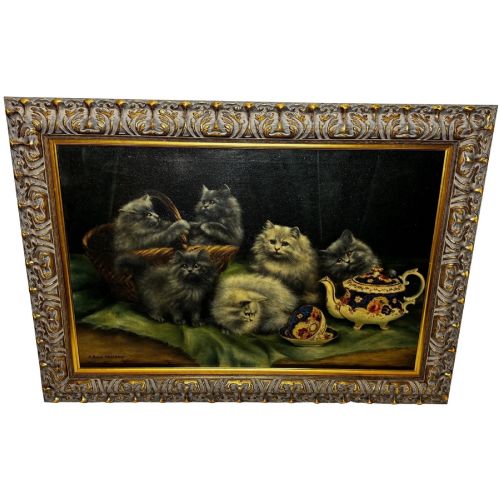
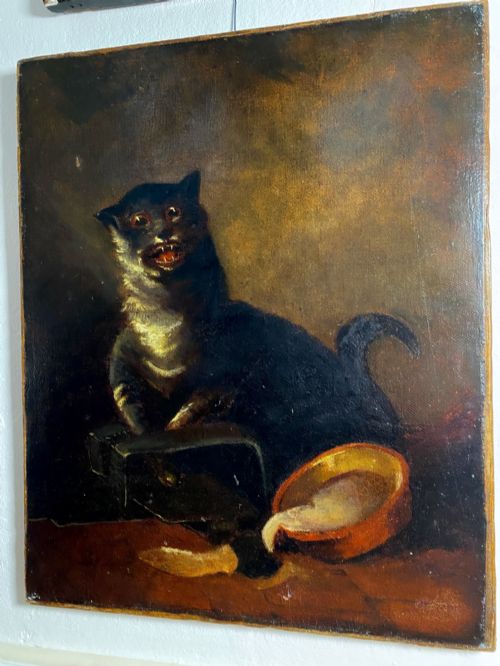
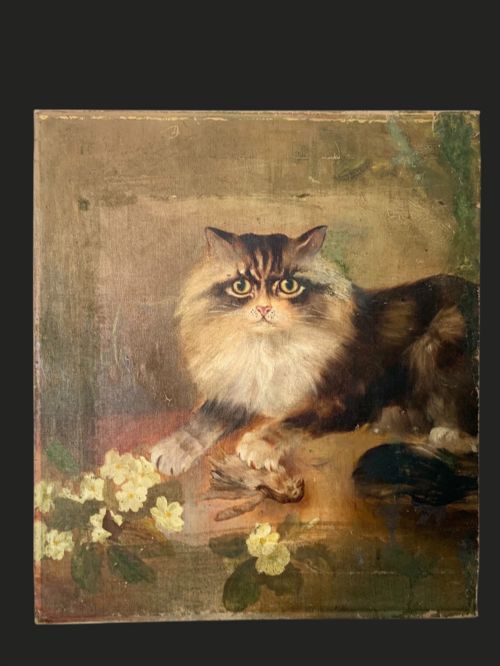
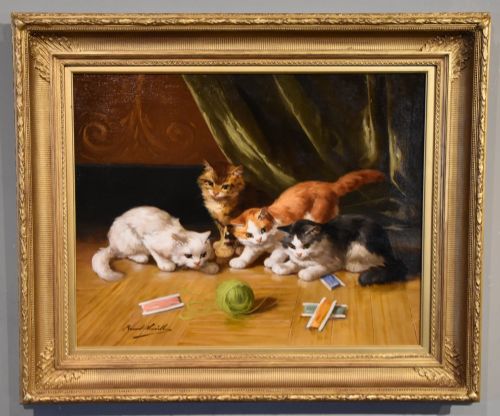
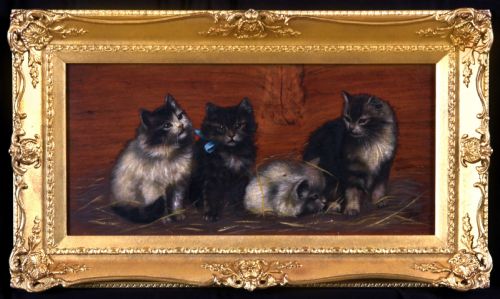
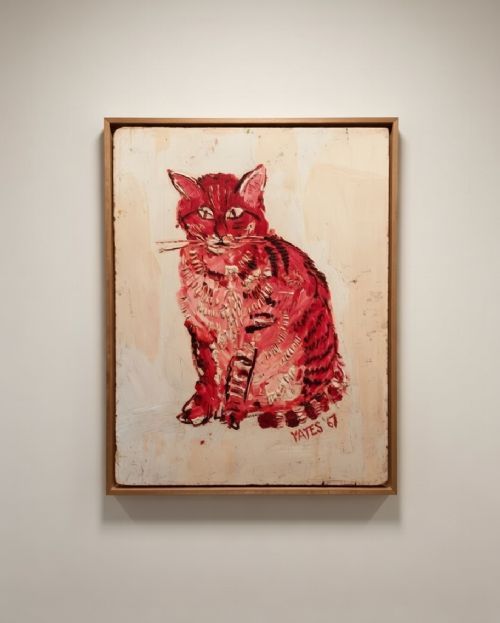
An antique feline painting represents domestic cats and wild leopards, frequently depicted as playful kittens or composed pets. Buyers searching for an antique feline painting encounter works rendered in oils and occasionally executed on canvas, panel, or board.
The pieces on this page span the nineteenth century through the mid-twentieth century, encompassing Victorian animalier subjects and naive school portrayals. These artworks range from intimate domestic scenes of Persian kittens at play to striking studies of a prowling leopard.
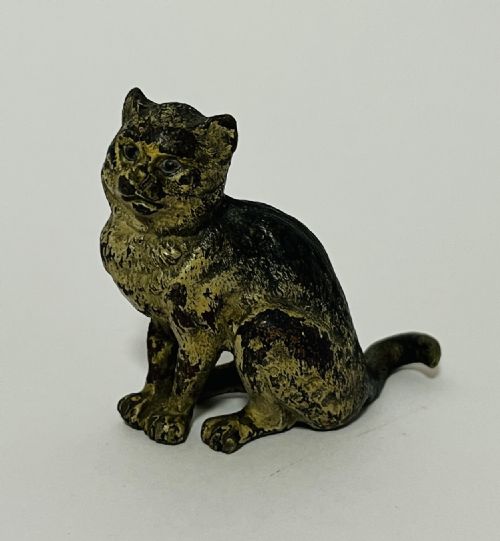
Domestic groupings of kittens dominate the available forms, often showing young cats gathered together or interacting with household objects. Alongside these framed works, sculptural representations such as Austrian cold painted bronze figurines also appear within the selection.
Materials and construction
Artists utilised oil paint applied to canvas, wood panels, or rigid boards to create these animal subjects. These paint layers were frequently housed within decorative gilt wood and gesso frames that complemented the visual depth of the artwork.
Bronze casting techniques shaped the three-dimensional cold painted figures, employing metalwork followed by applied surface colour. Panels and canvases provided stable grounds for detailed brushwork that defined feline fur and expression.
Antique Feline Painting Retail Price Guide 2026
Typical asking prices for feline painting among the pieces listed under this phrase on Sellingantiques today, from the lower quarter to the upper quarter. They describe what is for sale here now, not the wider market.
Listings feature nineteenth-century naive school paintings alongside Victorian genre scenes and traditional realism works.
Assessing quality and execution
Quality rests upon the precision of the brushwork and the anatomical accuracy with which the feline form is rendered. Masterful handling of light and texture brings realism to the depiction of fur, whiskers, and posture.
The depth of character captured in the subject distinguishes superior examples from simpler works. Furthermore, the preservation of the original paint surface and the suitability of the frame contribute significantly to the overall standing of a piece.
Alfred Arthur Brunel de Neuville·Agnes Augusta Talboys·Horatio Henry Couldery·Francisco Jose Domingo y Marques·Bessie Bamber·Cuthbert Edmund Swan
The Antique Feline Painting Glossary
- Naive School
- An art style characterised by a childlike simplicity of perspective and line, often produced by self-taught artists. These works charm through their directness and lack of academic convention.
- Animalier
- A nineteenth-century artistic movement focusing on the realistic portrayal of animals. Practitioners applied their skills to both painting and sculpture.
- Cold Painted Bronze
- A method where bronze sculptures received oil paint decoration without subsequent kiln firing. This technique allowed for vibrant surface detail on small figures.
- Oil on Panel
- A painting executed on a flat wooden support rather than stretched fabric. Panels provided a rigid and durable surface for fine brushwork.
Antique Feline Painting: Frequently Asked Questions
What periods do these paintings represent?
The selection spans from the nineteenth century through the mid-twentieth century, including works from the Victorian era and later decades.
Nineteenth-century pieces feature prominently, alongside items dated around nineteen hundred, nineteen ten, nineteen twenty, and nineteen fifty.
How should I display these paintings?
These framed works suit traditional domestic spaces, where they can be hung at eye level on interior walls. Proper placement avoids direct sunlight to protect oil pigments and gilt frames.
Bronze figurines find a place on stable tabletops, mantels or within display cabinets.
Who painted these feline subjects?
The works include creations by recognised animal painters such as Alfred Arthur Brunel de Neuville, Agnes Augusta Talboys, and Horatio Henry Couldery. Other pieces originate from the nineteenth century naive school or bear attribution to traditional realists.
Signatures or historical attributions often link these canvases to documented European workshops and artists.