
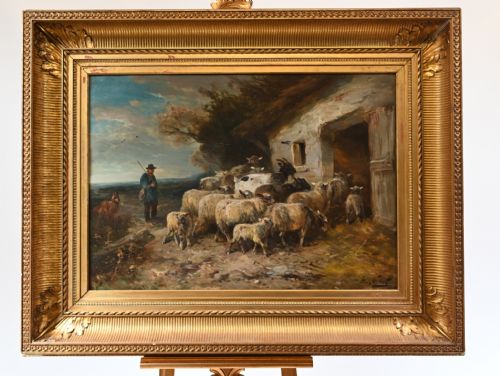
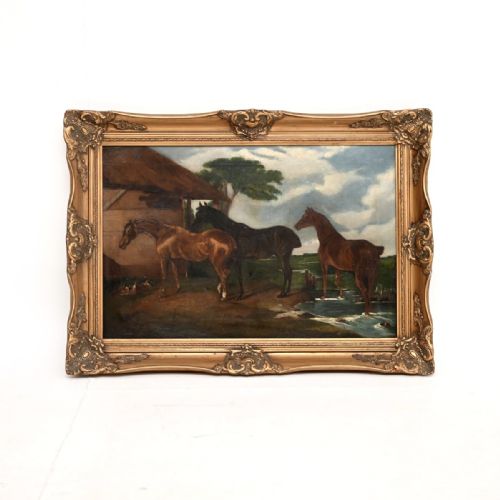


Antique Animal Landscape Painting
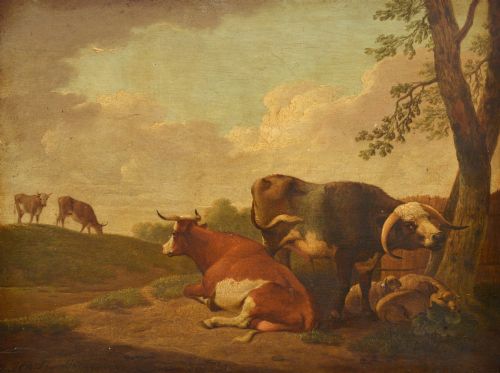
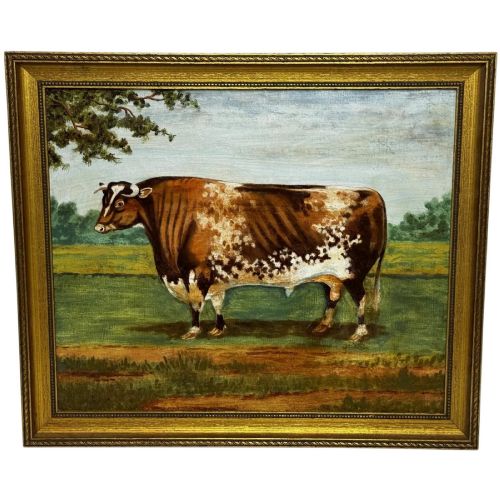
When you search for an antique animal landscape painting, you meet canvases that place livestock, dogs or fowl within pastoral, rural or ruin-strewn settings.
Antique Animal Landscape Painting
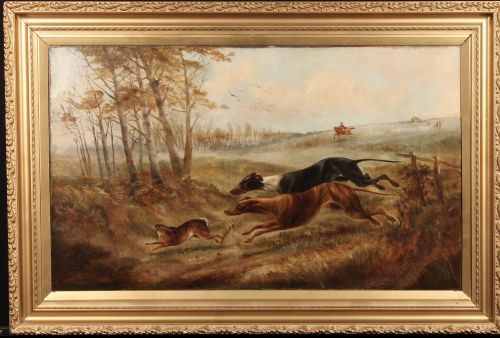
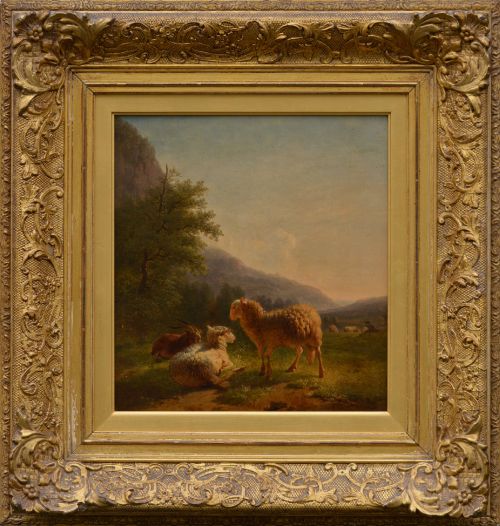
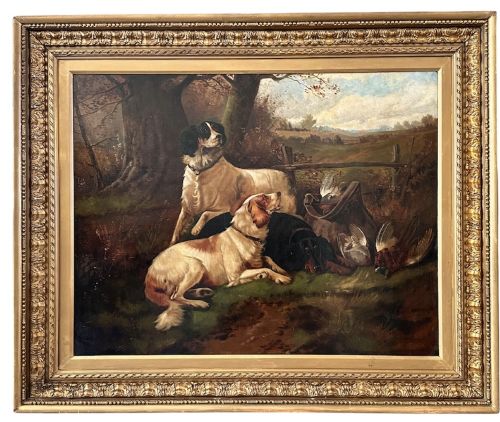
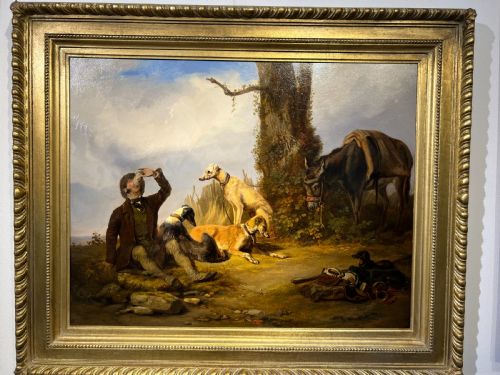
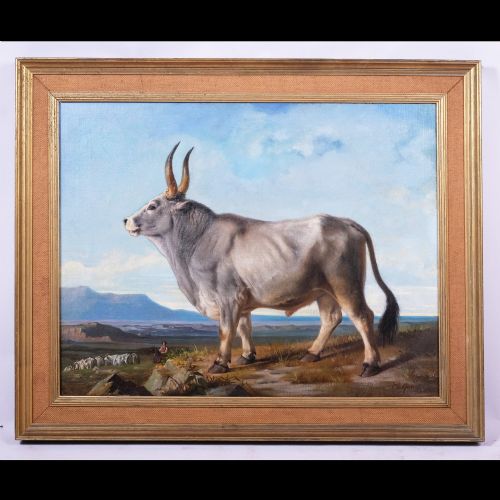
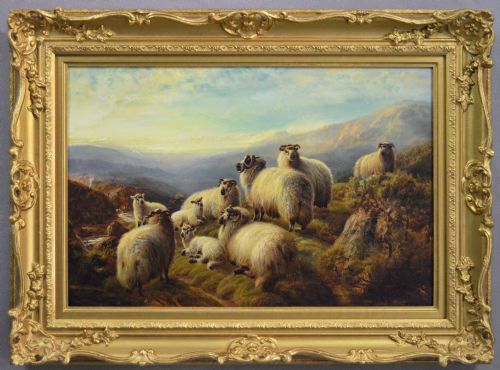
An antique animal landscape painting brings together domestic or sporting creatures and wide outdoor scenery, capturing rural life, farming or hunting pursuits. The examples found here range from quiet pastoral scenes with sheep and cattle to dynamic depictions of hounds, horses and fowl.
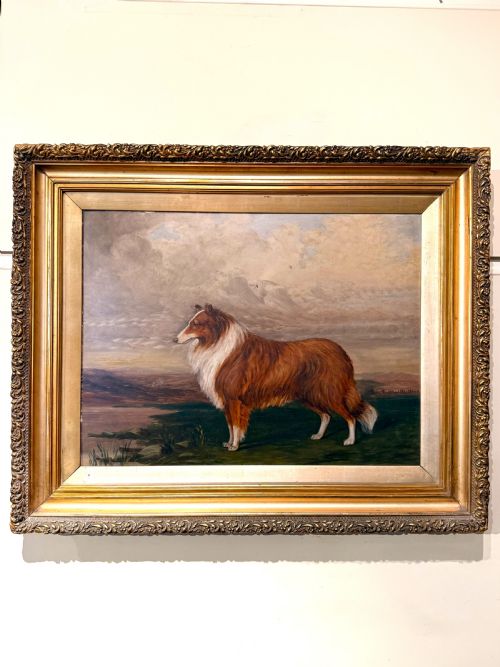
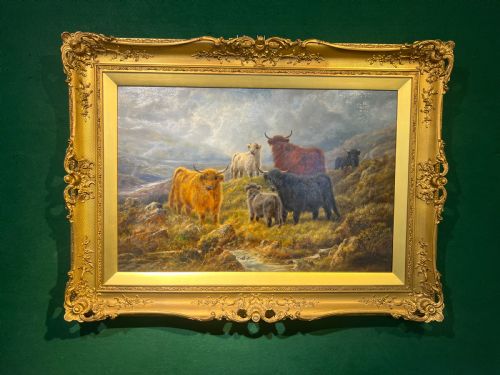
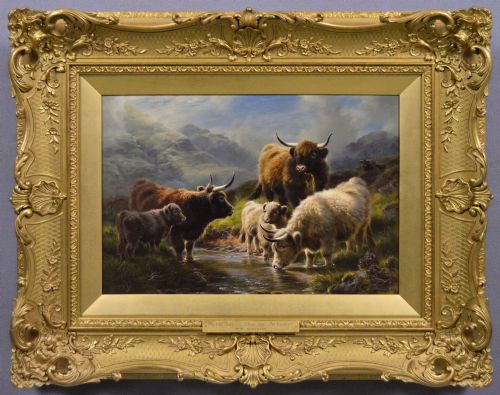
The versions you are most likely to encounter on this page date predominantly from the nineteenth century, including Victorian works, alongside occasional seventeenth and eighteenth-century examples. These pieces vary from intimate portrayals of individual dogs to grand compositions featuring herds near rivers, lochs and castle ruins.
Materials and Construction
These works are executed chiefly in oil paint upon stretched canvas, though certain panels utilise wood or board as a base. Pigments are applied to build both the textures of animal coats and the atmospheric depth of skies and foliage.
Many works retain their period framing, constructed from wood adorned with gesso, gold leaf and giltwood. Watercolour on paper also appears among the selection, preserved behind glass within traditional mounts.
Distinctions in Execution
The distinction between ordinary and superior works lies in the rendering of anatomical proportion and the natural movement of the animals. Master painters capture the texture of wool, hair and feathers with convincing weight and musculature, whereas lesser hands produce stiff or formulaic forms.
Quality also resides in the integration of the subject with its background, where balanced lighting and harmonious brushwork unite the creature and the landscape. The preservation of the original surface and the intricacy of the accompanying gilt frame further separate standard output from works of higher distinction.
Eugène Verboeckhoven·Angelo Maria Crivelli·Hendrik Willem Schweickhardt·John Sargent Noble·Sir Edwin Henry Landseer·William Watson Jnr·Robert Watson·Henry Schouten·John Emms·Henry Robinson Hall·Arthur Wardle·William Henry Mander·Thomas Sidney Cooper·Franz van Severdonck·Philipp Peter Roos·John Frederick Herring Jnr·William Barraud·Samuel Joseph Clark·George Armfield·Marmaduke Cradock·Jacob Bogdani·Eugene Joseph Verboeckhoven·John Frederick Herring·Helena Maguire·James de Rijk
The Antique Animal Landscape Painting Glossary
- Canvas
- A heavy woven fabric stretched across a wooden frame to serve as a foundation for oil painting. It provides the primary surface for the majority of nineteenth-century pastoral works.
- Giltwood
- Wood carved and coated with gold leaf or gold paint to form ornamental frames. This finish was widely applied to enhance nineteenth-century display pieces.
- Pastoral
- A style of artwork depicting rural life, shepherds and domesticated animals in idealised natural settings. These scenes emphasise calm country views and agricultural daily routines.
- Board
- A rigid flat sheet of wood or compressed material utilised as an alternative to fabric supports for smaller painted compositions. It offers a stable ground for detailed brushwork.
- Gesso
- A plaster mixture applied to wooden frames before gilding to create a smooth surface for ornamentation. It allows crisp moulding of decorative borders.
Antique Animal Landscape Painting: Frequently Asked Questions
What subjects appear in these paintings?
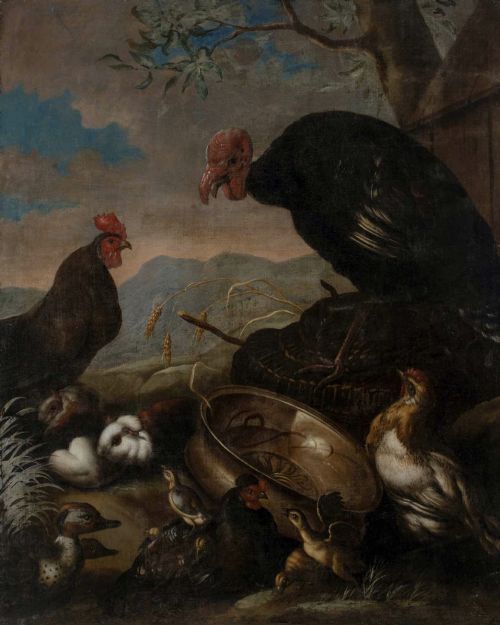
The compositions frequently feature cattle, sheep, horses and hunting dogs placed within rural or pastoral settings. Artists also recorded farmyard scenes with poultry, alongside highland landscapes inhabited by livestock.
Some canvases focus on sporting subjects, depicting hounds on hunts or gun dogs resting with game. Each work pairs the animal portrait with a defined outdoor environment, ranging from coastal views to wooded hills.
How do I date these artworks?
Dating relies upon stylistic markers, costume within accompanying human figures, and the specific pigments or canvas preparations used. Nineteenth-century pieces often display the looser brushwork characteristic of Victorian realism and pastoral traditions.
Signatures, inscriptions on the reverse, and historical framing styles provide additional chronological clues. Comparing the handling of light and subject matter to documented works by known painters helps narrow the period.
How should I care for an oil painting?
Display the canvas away from direct sunlight and steady sources of artificial heat to prevent the oil paint and canvas from drying out. Maintaining stable indoor humidity protects both the fabric support and the wooden stretcher.
Dust the surface gently with a soft, dry brush without applying pressure. Professional conservation is recommended if the paint layer requires cleaning or consolidation.