


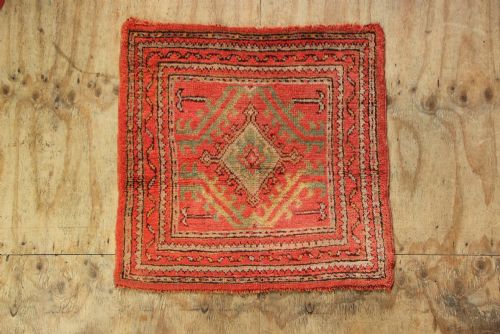
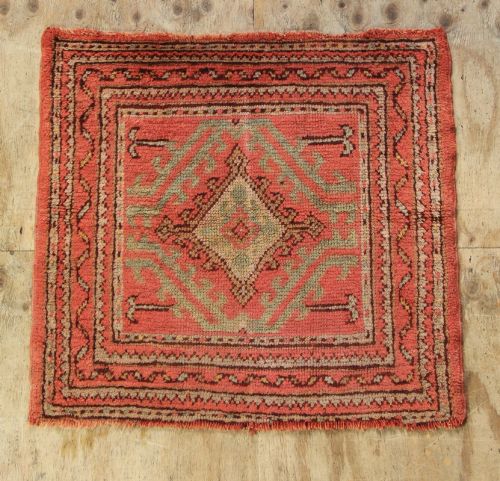
Antique Anatolian Carpet
An antique anatolian carpet brings centuries of regional weaving traditions into a modern room through rich natural dyes and distinctive geometric or floral motifs.
Antique Anatolian Carpet
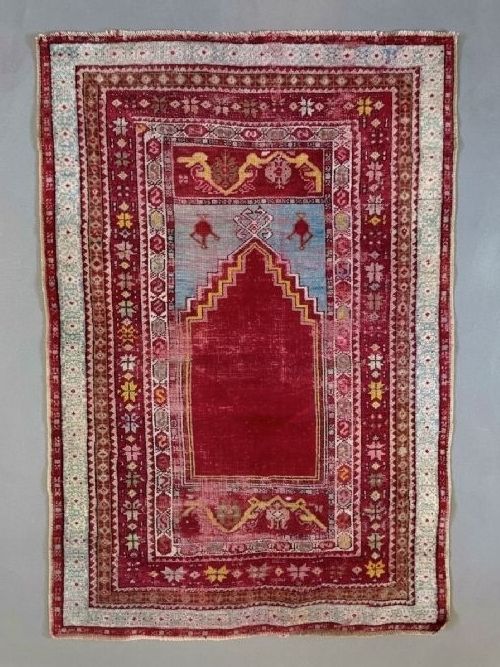
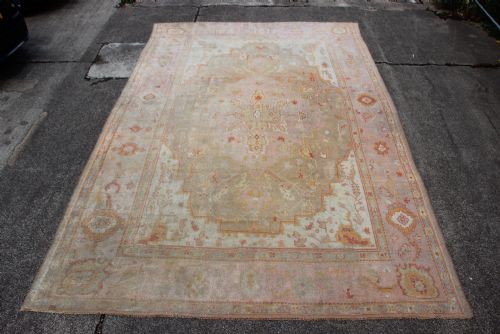
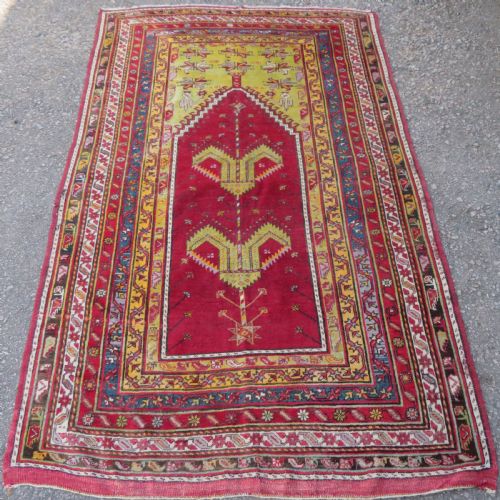
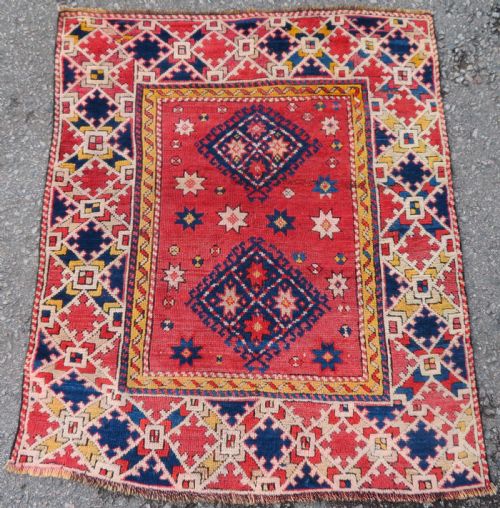
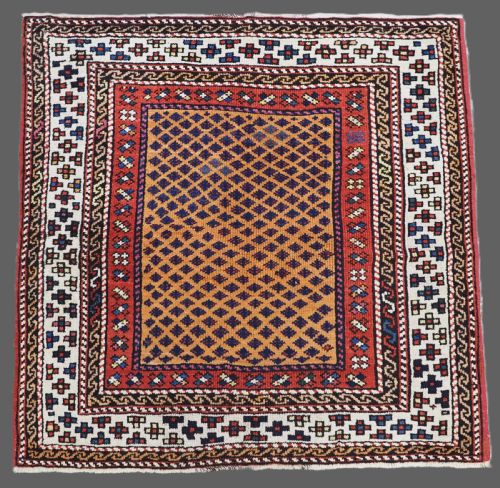
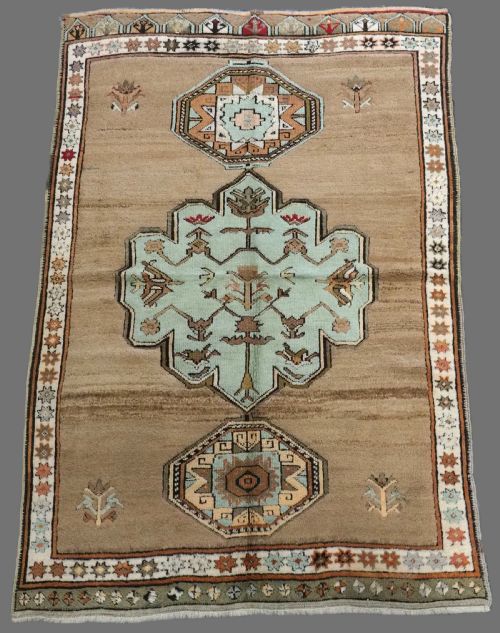
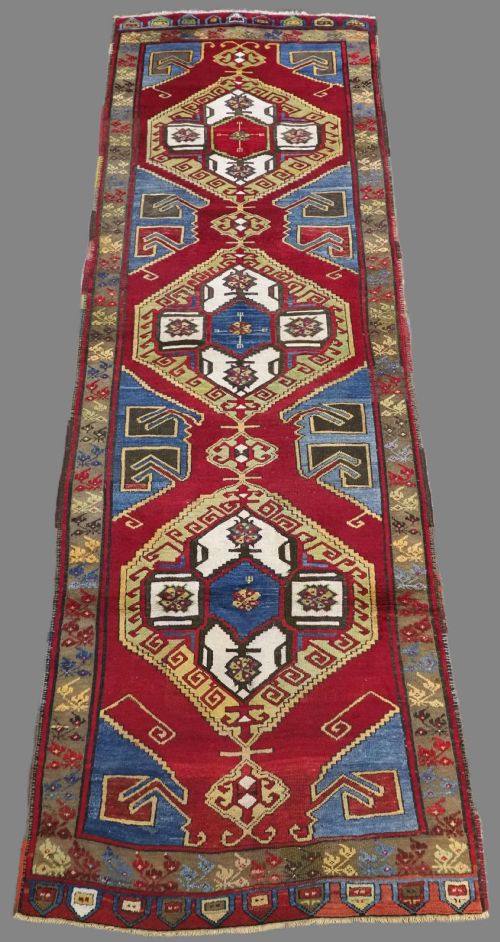
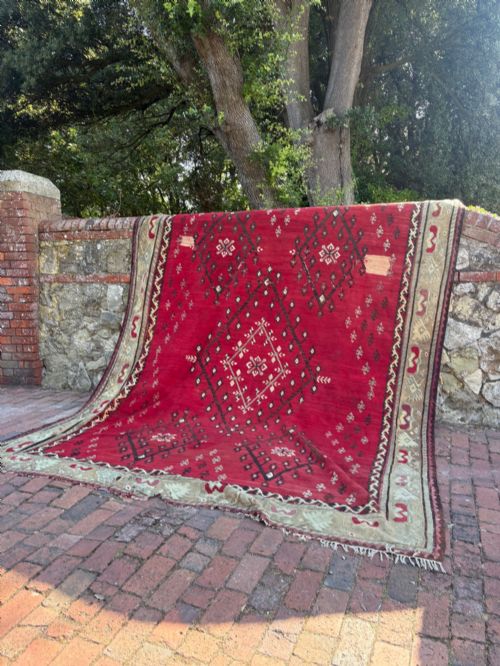
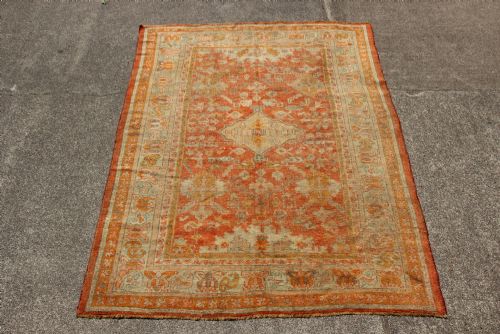
The aesthetic ranges from bold tribal designs with striking primary medallions to sophisticated Oushak carpets featuring pale grounds and gentle floral motifs. Village pieces from centres like Konya, Bergama, and Kirsehir frequently appear, alongside flatwoven kilims and occasional decorative cushions.
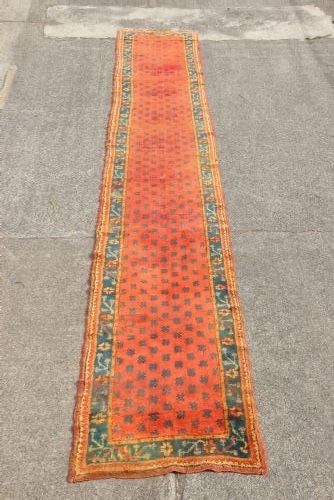
Buyers will encounter various formats tailored to traditional domestic use, from compact mats to expansive carpets exceeding four metres in length. Each piece reflects the specific stylistic vocabulary of its district, combining local iconography with time-honoured knotting techniques.
Materials and Construction
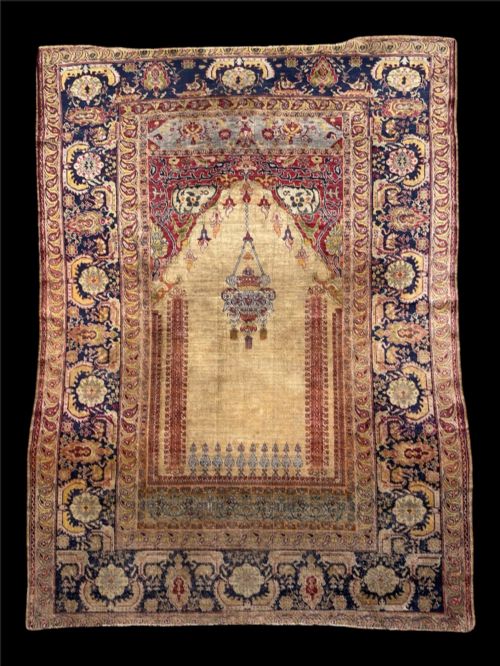
Construction relies heavily on wool, hand-spun wool, and cotton foundations, occasionally incorporating silk or camel wool in special prayer rugs and pictorial works. Pile carpets utilise symmetric or asymmetric knots tied onto vertical warps, while flatweaves interlock or wrap weft threads without pile.
Dyers employed natural substances to colour the fibres, creating rich palettes that soften gracefully over decades of light and wear. Foundation yarns of sturdy cotton or wool provide the structural integrity required for heavy domestic use across generations.
Antique Anatolian Carpet Retail Price Guide 2026
Typical asking prices for anatolian carpet among the pieces listed under this phrase on Sellingantiques today, from the lower quarter to the upper quarter. They describe what is for sale here now, not the wider market.
Certain antique weavers could not resist hiding whimsical hunting scenes and tiny tree motifs amidst strict geometric borders.
Distinctions in Quality
Quality rests upon the fineness of the weave, the clarity and saturation of the dye colours, and the integrity of the structural foundation. Dense knotting allows intricate patterns to remain crisp, whereas looser structures yield softer, more rustic interpretations.
The prestige of specific weaving centres, such as Oushak or Ghiordes, influences desirability, alongside the preservation of original borders and tribal integrity. Pieces displaying balanced composition and uncommon colour grounds command greater attention from collectors.
The Antique Anatolian Carpet Glossary
- Prayer rug
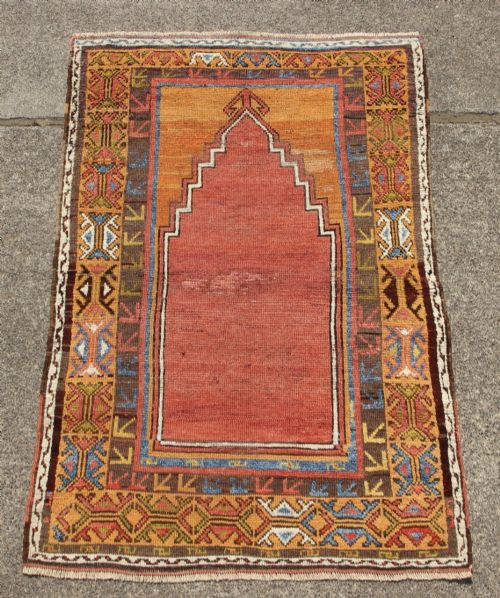
- A small textile designed with a distinct architectural mihrab or niche indicating the direction of prayer. These carpets were traditionally used for daily devotions.
- Kilim
- A flatwoven textile produced without a pile by tightly interweaving warp and weft threads. These pieces function as lightweight coverings or decorative hangings.
- Mihrab
- The arched niche depicted on prayer rugs that represents the prayer hall in a mosque. Its orientation directs the placement of the rug during use.
- Warp
- The vertical threads stretched tightly on the loom that form the foundational skeleton of the carpet. Fringe ends typically consist of these exposed yarns.
- Weft
- The horizontal threads passed back and forth across the warp to secure the knots in place. They provide structural stability to the woven fabric.
Antique Anatolian Carpet: Frequently Asked Questions
How do I care for an antique carpet?
Regular gentle vacuuming without a beater bar prevents dust accumulation within the wool pile. Professional cleaning by specialists in antique textiles ensures safe washing.
Rotating the rug periodically distributes foot traffic evenly across the surface. Avoiding direct, harsh sunlight protects the natural dyes from premature fading.
Where were these carpets made?
Production took place across the Anatolian peninsula, spanning major weaving cities, rural villages, and nomadic encampments. Specific towns like Oushak, Konya, Bergama, and Kirsehir developed distinct regional styles.
Weavers utilised local materials and passed specific pattern repertoires down through families. This regional diversity creates the varied styles found in historical rug production.
What is the difference between a rug and a carpet?
The distinction generally relies on scale, with carpets describing larger floor coverings intended to anchor a room. Rugs encompass smaller formats such as mats, accent pieces, runners, and square sizes.
Both categories share identical knotting methods and materials. The terminology simply reflects the original intended placement within a domestic interior.
Why do some carpets have worn areas?
Decades of daily domestic use naturally reduce the height of the wool pile in high-traffic zones. Structural friction and natural fibre ageing contribute to these signs of history.
Many collectors value this evidence of age as proof of authenticity and genuine service. Skilled historical repairs often accompany these areas of character.