

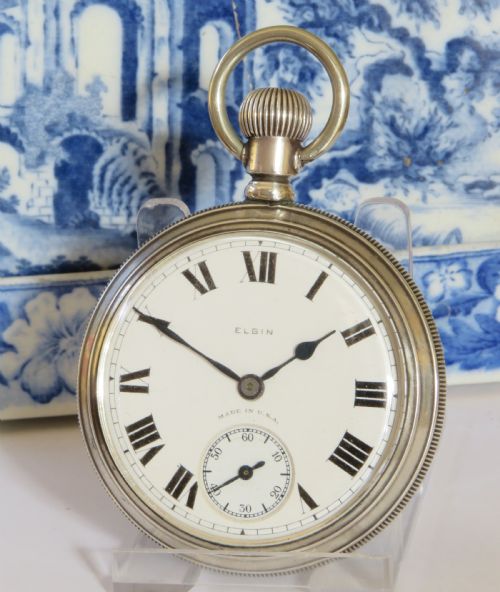
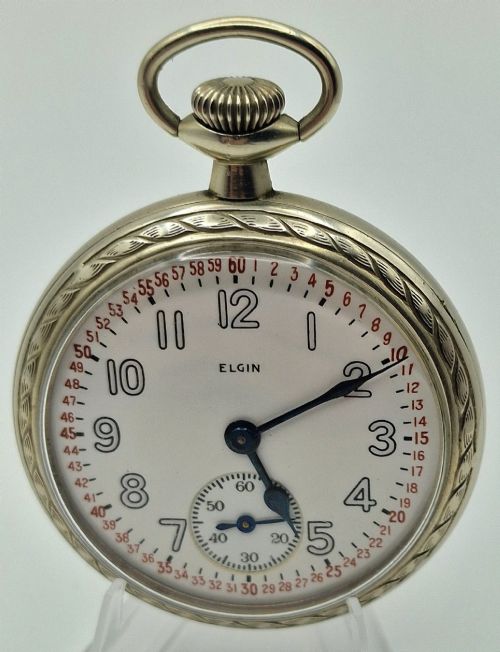
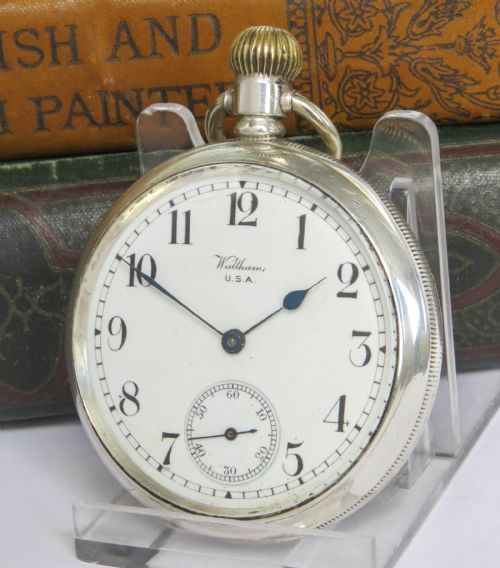
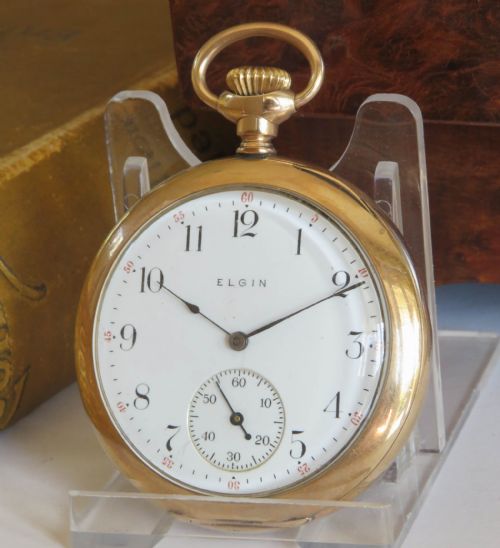
Antique American Watch
An antique american watch carries the precision engineering and industrial heritage of the United States straight to your pocket or wrist.
Antique American Watch
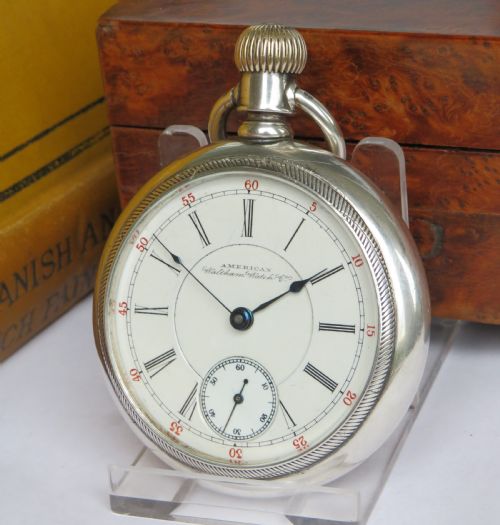
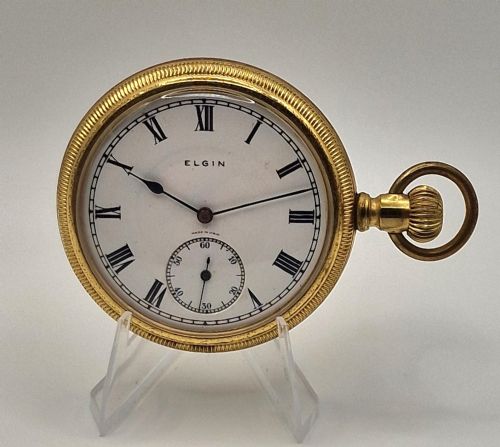
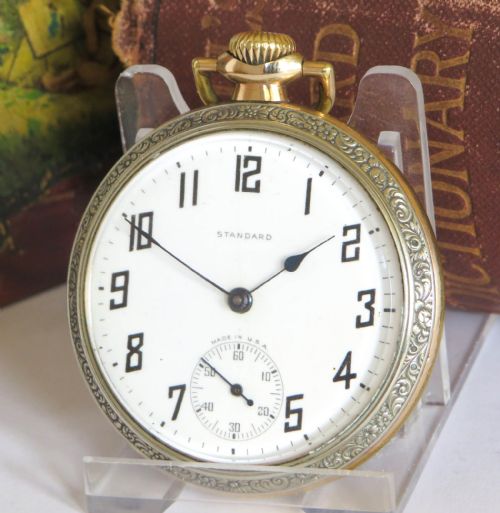
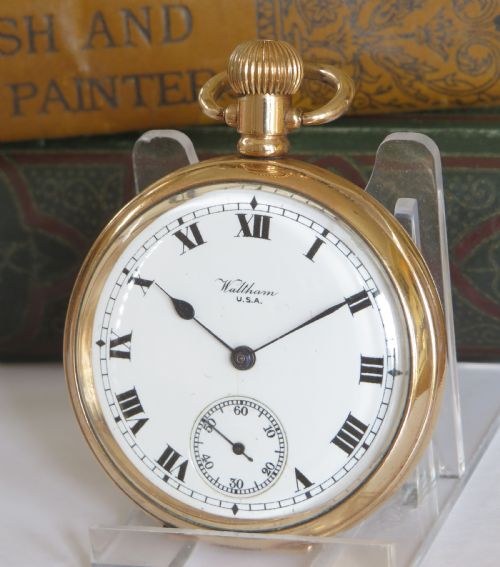
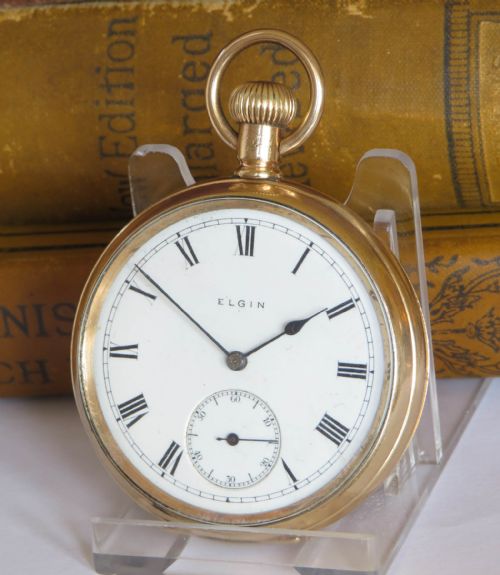
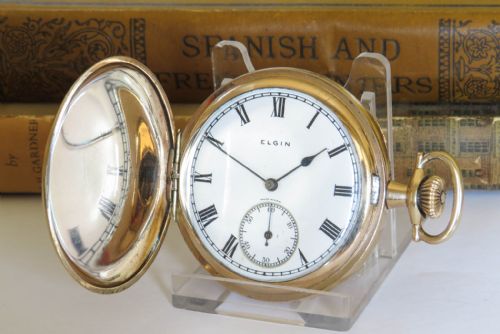
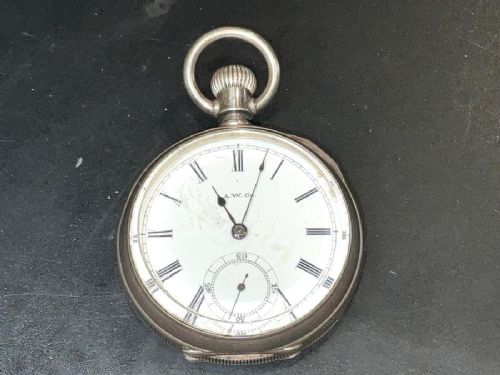
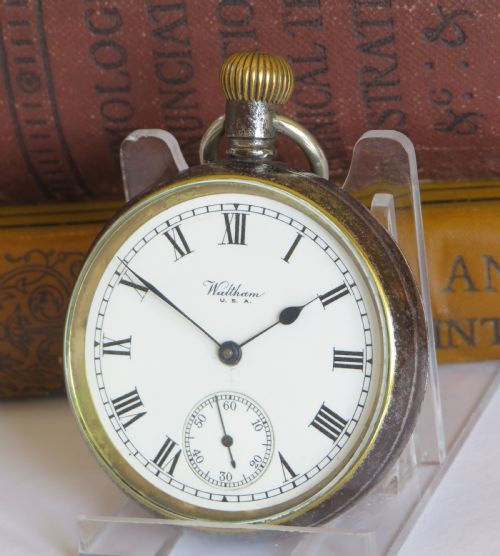
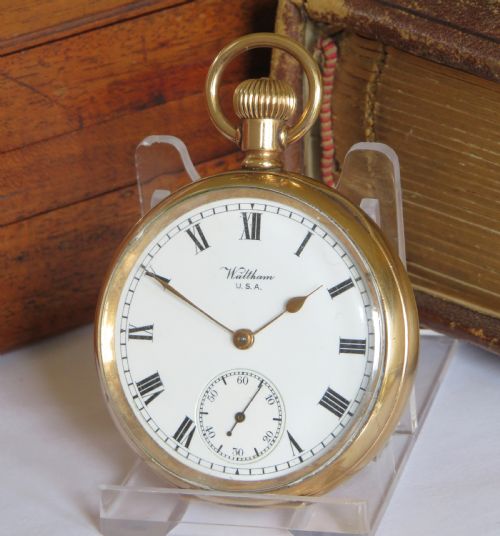
An antique american watch spans pocket watches and wristwatches produced across the late nineteenth and mid twentieth centuries, with pocket watches dominating the earlier decades. These timepieces stem from major transatlantic manufacturers such as Elgin, Waltham, and Hamilton, establishing a robust tradition of mechanical reliability. You will most frequently encounter pocket watches housed in silver or gold filled cases alongside later Art Deco wristwatches from the nineteen thirties.
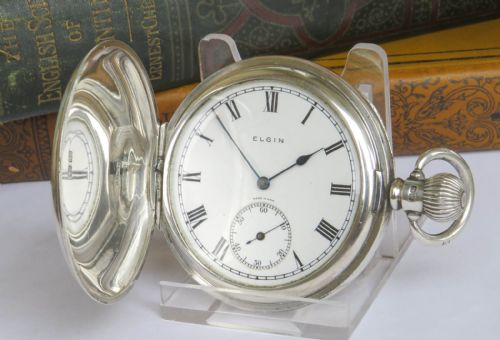
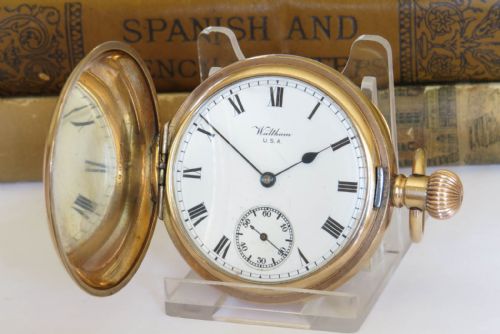
The styles evolve from Victorian and Edwardian pocket models through to distinct Art Deco geometric wristwatches and mid twentieth century designs. Forms range from full hunter and half hunter fob watches to open face pocket pieces and gents wristwatches. Each piece reflects the shifting domestic and railway demands of its period.
How they were made
Cases utilise durable metals including steel, nickel, silver, gold plate, and gold filled construction, providing robust housing for delicate internal movements. Glass covers protect the dial faces, while enamel is frequently applied to create clear, legible chapter rings and numerals.
Interchangeable mechanical parts became the hallmark of these factories, ensuring precise standardisation across production lines. Skilled assembly combined these mass produced components with hand finished adjustments to secure accurate timekeeping.
Listings span seven decades from the 1890s to the 1950s, featuring glass, enamel, steel, gold filled, silver, and nickel materials.
What varies in quality
Quality rests in the refinement of the movement and the integrity of the case materials, moving from standard nickel up to substantial gold filled or solid gold housings. Finer examples retain crisp case engraving and original enamel dials free from hairline fractures.
The distinction between standard commercial output and specialty pieces, such as railway grade or adjusted movements, defines the upper tier of these horological items. Serviced mechanical states and original factory components further separate ordinary survivors from exceptional examples.
Elgin·Waltham·Hamilton·Bulova·Waterbury USA·New York Standard
The Antique American Watch Glossary
- Hunter pocket watch
- A pocket watch featuring a spring hinged metal cover that protects the glass dial face from scratches. Pressing the crown opens the lid.
- Half hunter pocket watch
- A pocket watch design featuring a small glass window or aperture in the outer front cover, allowing time reading without opening the case.
- Gold filled
- A manufacturing method where a layer of solid gold is mechanically bonded to a base metal core, offering greater durability than simple gold plating.
- Duplex escapement
- A mechanical escapement mechanism used in early timepieces to control the release of power from the mainspring to the gear train.
- Fob watch
- A smaller watch designed to be worn attached to a short chain or ribbon, historically tucked into a waistcoat pocket or pinned to clothing.
Antique American Watch: Frequently Asked Questions
How do I wind a mechanical pocket watch?
Wind the crown gently in a clockwise direction until you feel firm resistance, taking care not to overwind the mainspring.
Most antique american watch movements require winding once a day to maintain steady operation.
What is the difference between a hunter and open face watch?
A hunter watch includes a protective metal lid over the dial, whereas an open face watch leaves the glass crystal exposed for immediate viewing.
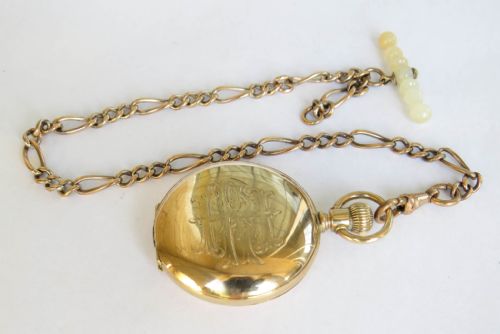
Open face models were typically secured in waistcoat pockets with a chain attached directly to the pendant bow.
How can I date my antique american watch?
Check the serial number engraved on the inner movement and cross reference it with manufacturing production records for that specific firm.
The case style and typography on the enamel dial also offer reliable clues to the decade of manufacture.
Can I wear an antique wristwatch daily?
Many vintage wristwatches function reliably for daily wear provided they have been recently serviced by a professional horologist.
Keep older mechanical pieces away from water and strong magnetic fields to preserve their internal components.