
Mechanical Silver Timepiece
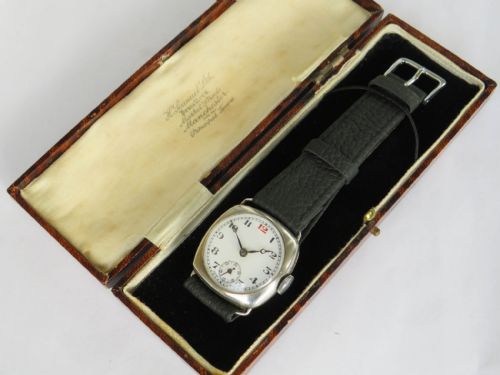
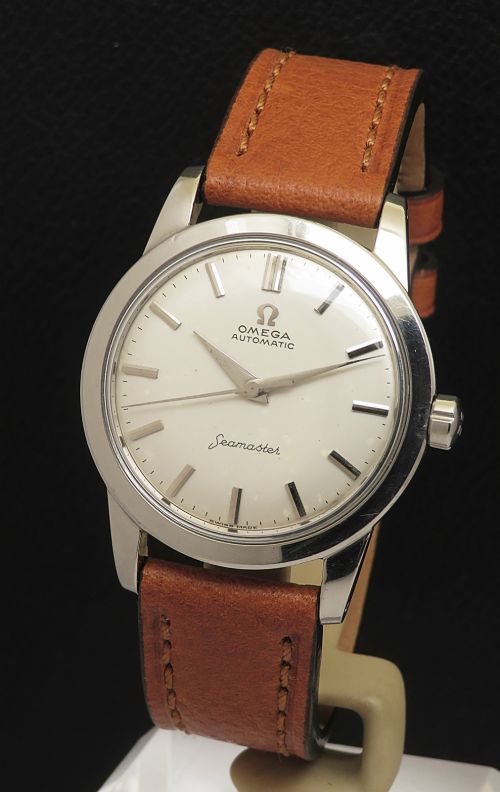
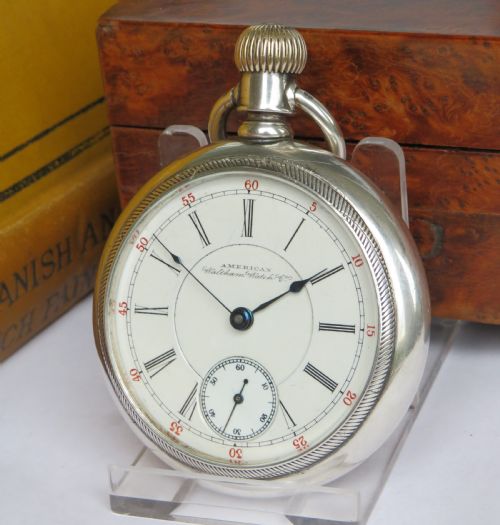
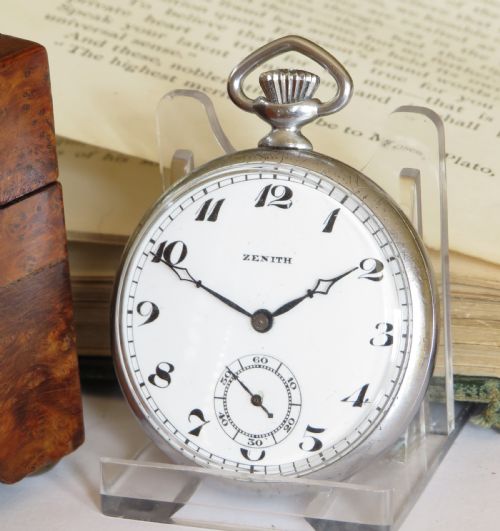
A mechanical silver timepiece delivers intricate gearwork within a precious metal casing, offering dependable timekeeping alongside enduring craftsmanship.
Mechanical Silver Timepiece
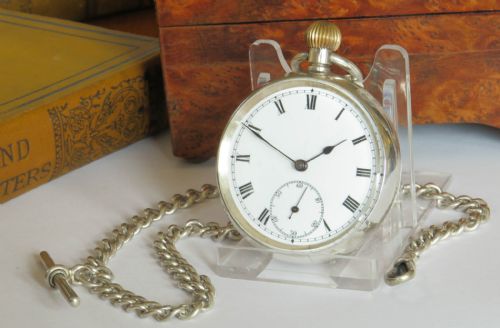
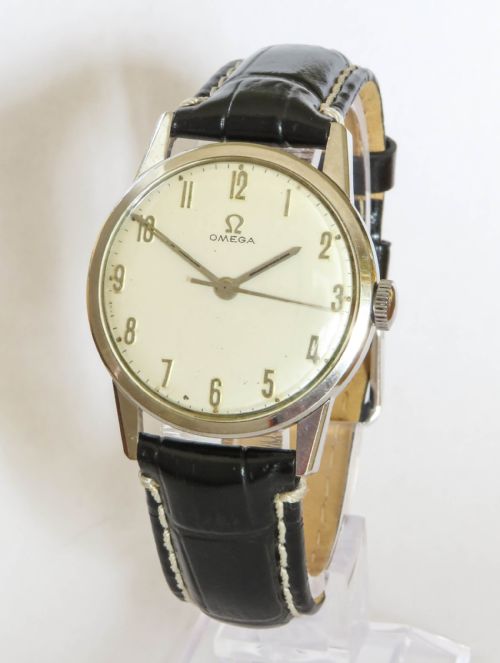
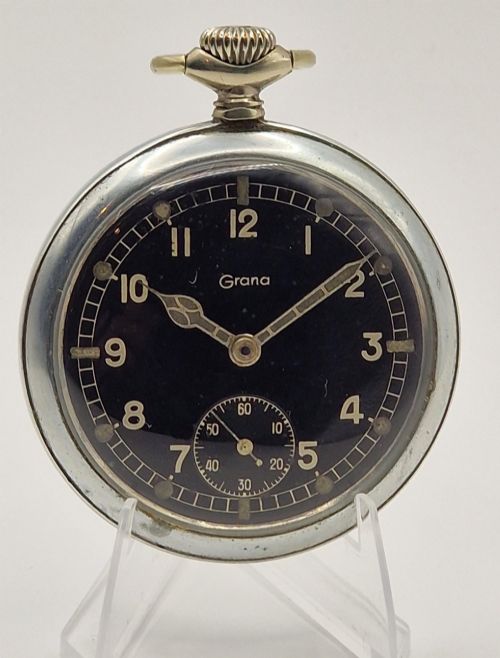
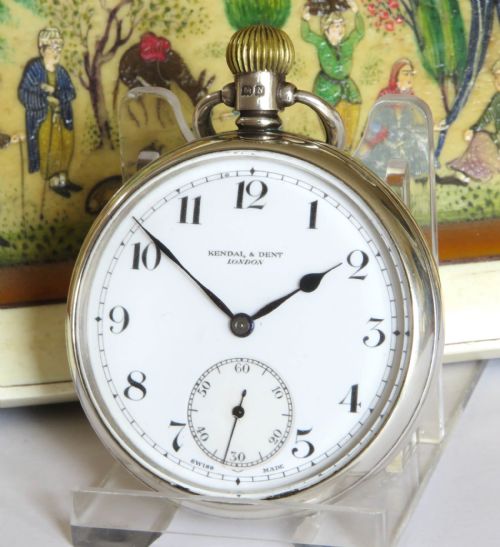
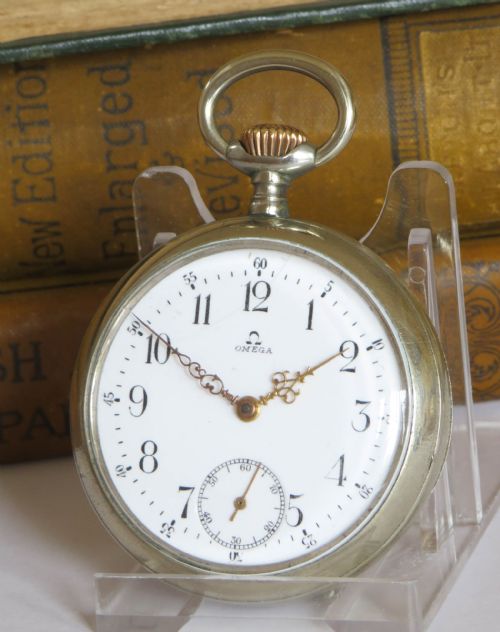
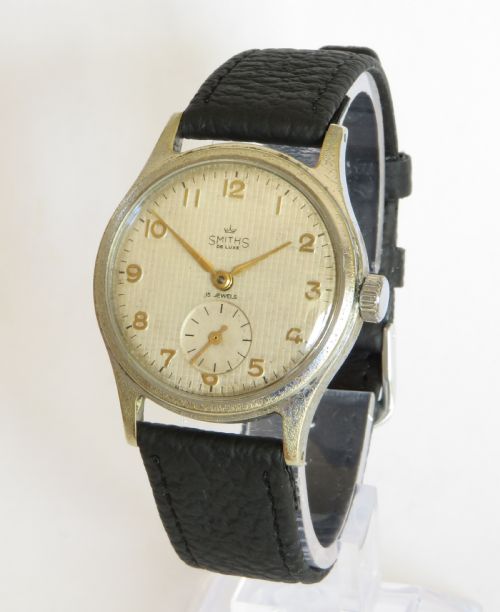
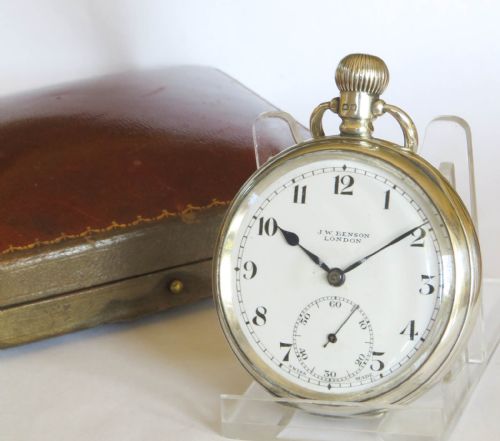
Victorian and Edwardian examples sit alongside Art Deco and Mid-Century Modern designs, reflecting shifting aesthetic preferences across decades of horology. Pocket watches remain particularly prominent, frequently paired with chains or housed in hunter and half-hunter cases. Desk clocks and skeleton clocks also appear, providing stationary alternatives to the more common portable formats.
How they were made
Cases utilise solid silver alongside supporting materials like glass, enamel, brass, steel, stainless steel, leather, and acrylic. Movements rely entirely on mechanical gear trains driven by mainsprings rather than electrical circuits.
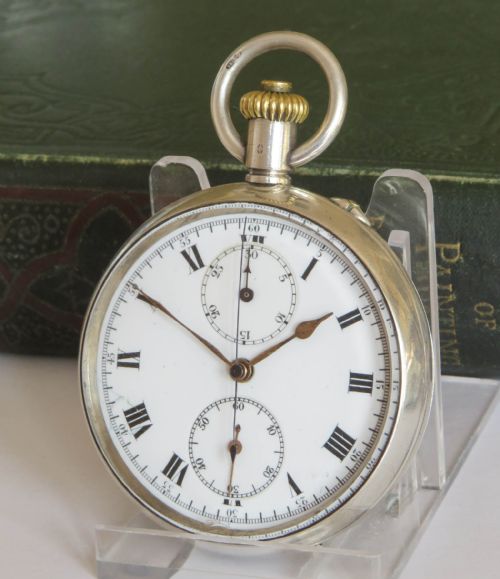
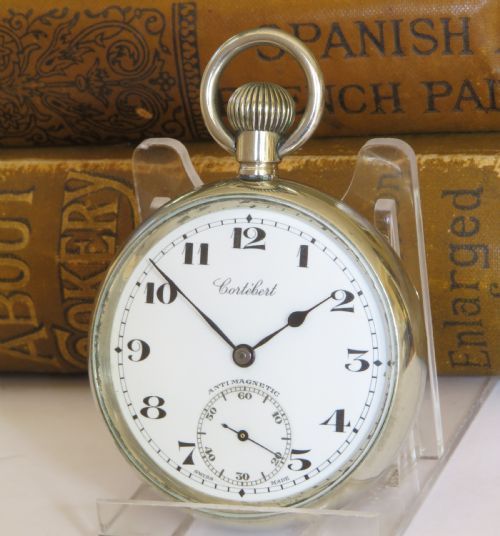
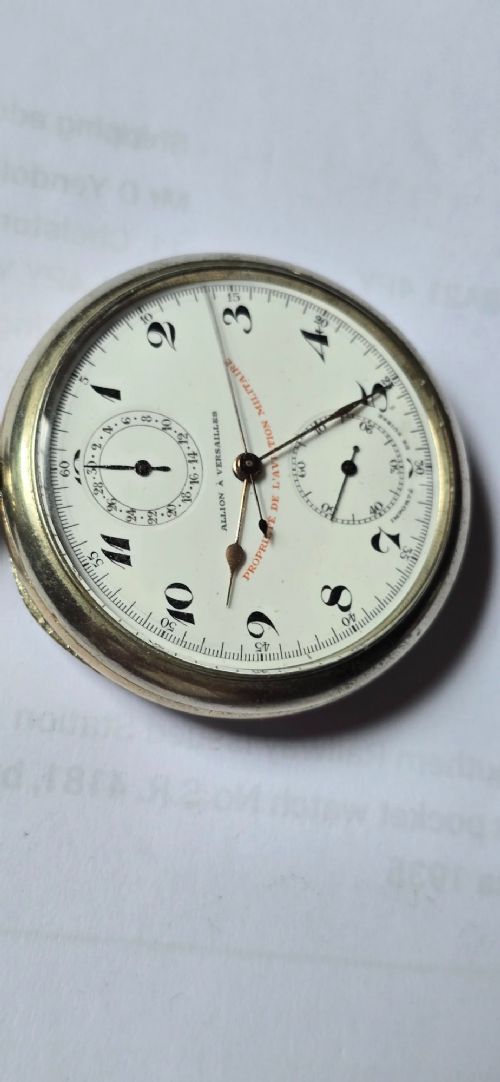
Dials frequently incorporate enamel work and protective glass lenses, while pocket watch and wristwatch cases employ hinged or snap-back silver enclosures. Specialised mechanisms range from standard hand-wound calibres to complex chronographs and eight-day movements.
Materials paired with silver across these items include enamel, glass, brass, steel, leather, and acrylic.
What varies in quality
Quality rests upon the precision and complexity of the internal movement, from basic pin-pallet calibres to jewelled lever escapements produced by established makers. The crispness of case engraving, the integrity of enamel dials, and the original matching of components further dictate the standard of an item.
Preservation of the case and legibility of hallmarks indicate how thoroughly a piece has been maintained over its lifespan. Superior examples retain their original glass, hands, and signed movements without heavy alterations.
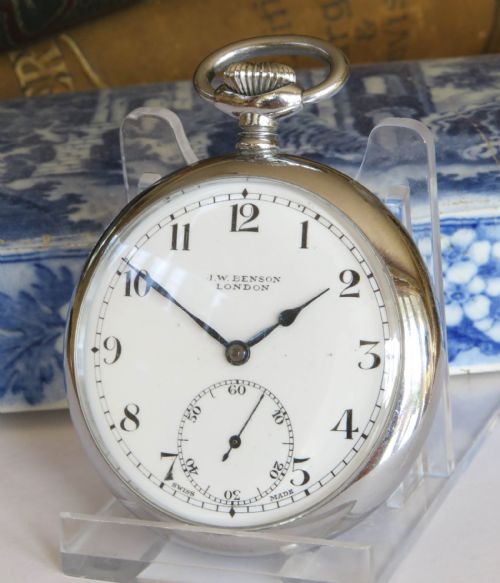
Kendal and Dent·Hinds London·J W Benson·Omega·Buren·Waltham·Bickley London·Limit·Morex·Montilier·Elgin·Hamilton·Octava·Revue·Eterna·Silvana·Gruen·Richardson·Longines·Stauffer·Antoremi·Bravingtons·Hebdomas
The Mechanical Silver Timepiece Glossary
- Half hunter
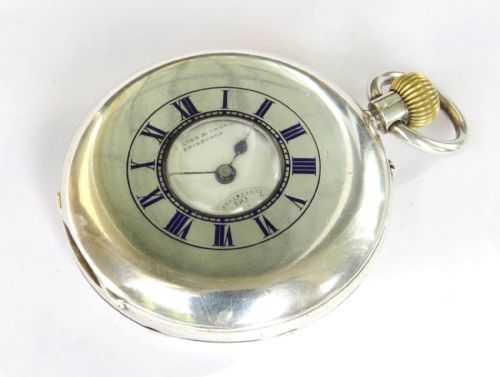
- A pocket watch case featuring a small glass-covered aperture in the outer lid, allowing the time to be read without opening the case entirely.
- Fusee
- A conical pulley mechanism designed to maintain even tension on the gear train as the mainspring unwinds, improving timekeeping accuracy.
- Chronograph
- A watch equipped with a stopwatch function alongside standard time indication.
- Skeleton clock
- A timepiece designed with an open framework that exposes the entire gear train and movement to view.
- Calibre
- The specific internal movement design and manufacturer designation housed within a watch case.
Mechanical Silver Timepiece: Frequently Asked Questions
How do I wind a mechanical pocket watch?
Wind the crown clockwise gently until you feel firm resistance, taking care not to force the mechanism past its stopping point. Most vintage movements require winding once a day to maintain continuous operation.
Keep the watch upright while winding to avoid putting lateral pressure on the winding stem.
Can I wear a vintage mechanical wristwatch daily?
Many vintage wristwatches function reliably for daily wear if treated with care and serviced by a professional watchmaker. However, older mechanical movements lack modern shock resistance and water sealing.
Avoid exposing these pieces to moisture, magnetic fields, and heavy impacts during regular use.
How do I read silver hallmarks on a timepiece?
Silver hallmarks typically include standard assay office marks, standard purity marks such as lion passant, and a date letter indicating the year of manufacture. Examining these stamps with a loupe reveals the origin and age of the metal casing.
Maker's marks are often stamped nearby to identify the specific workshop responsible for the silver case.