

Antique Altar Lighting
These antique altar lighting pieces bring heavy ecclesiastical presence into a room through monumental brass, carved wood and gilt surfaces.
Antique Altar Lighting
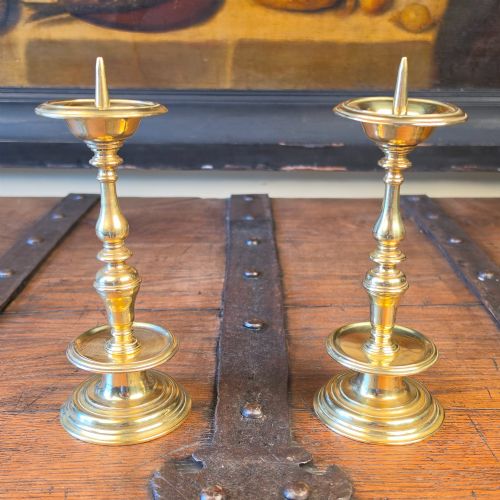
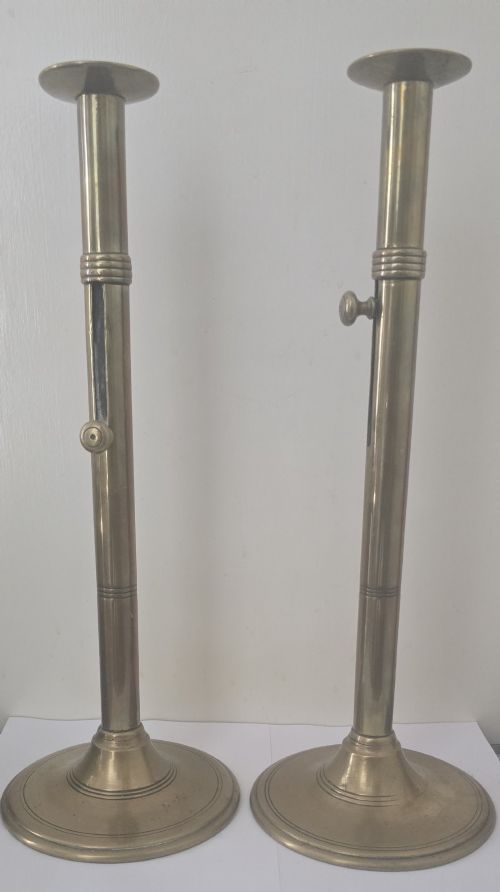
When you search for antique altar lighting, you encounter tall ecclesiastical candlesticks, pricket stands and large torcheres designed for sacred spaces. These pieces span from the eighteenth century through the Victorian period and into the early twentieth century.
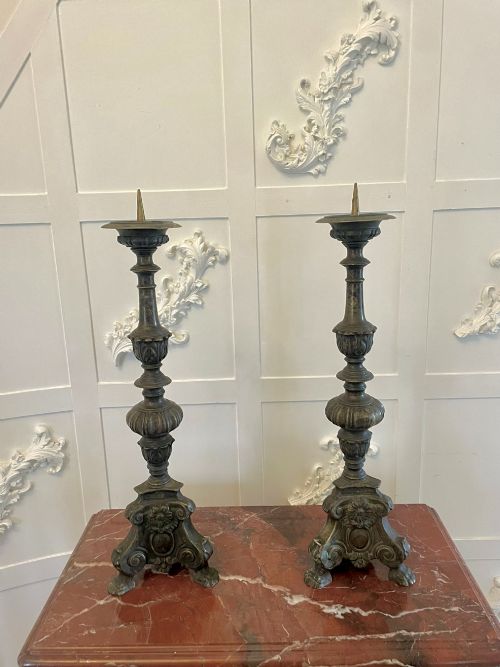
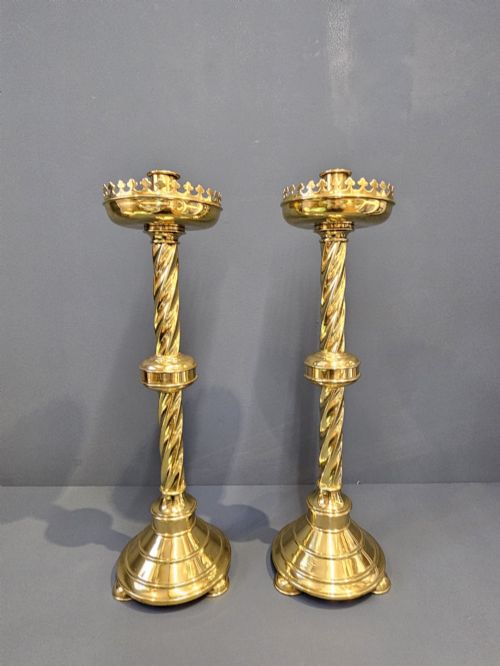
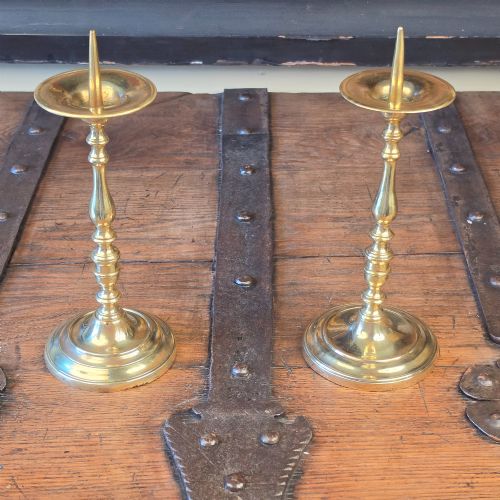
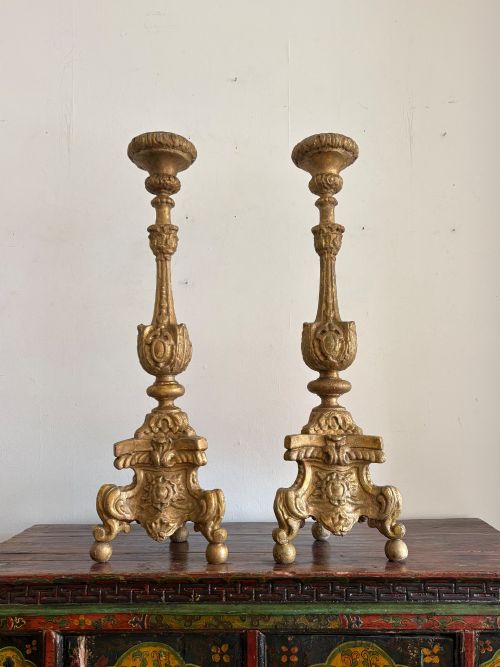
You frequently meet tall brass candlesticks and heavy pricket forms, alongside carved wooden floor stands from Italy and Spain. Many of these items originate from continental European churches and chapels before entering the domestic market.
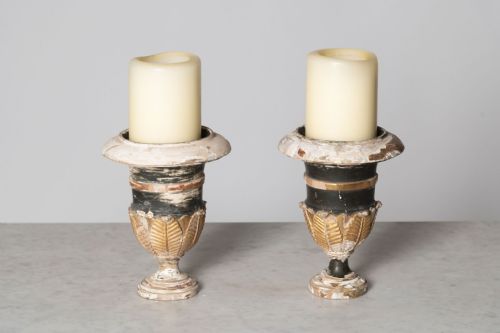
The selection ranges from small tabletop candle holders to massive floor-standing candelabra and converted lamps. Pairs dominate the offerings, though single pieces and larger groupings appear across various periods.
How they were made
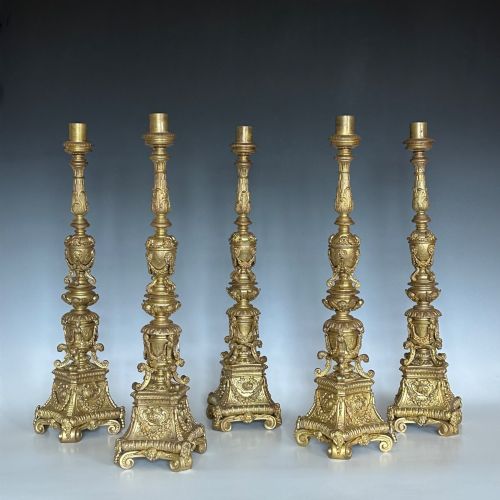
Makers utilised cast brass, heavy bronze and iron for metal pieces, often employing sand casting techniques to achieve substantial weight and complex columnar profiles. These metal items frequently show turned details and secure joint construction suited to supporting large wax tapers.
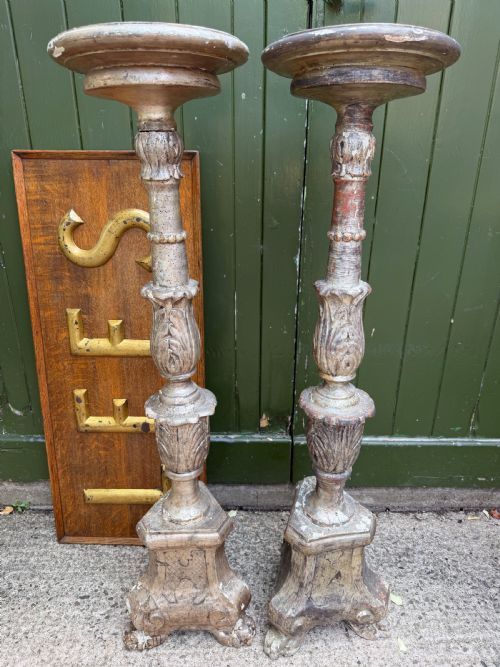
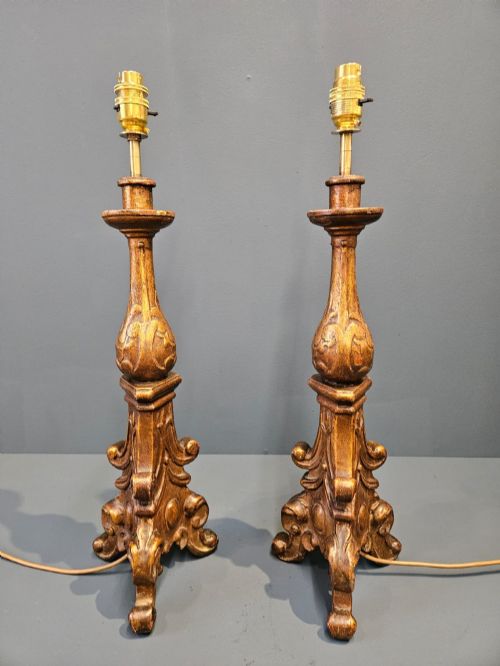
Wooden examples rely on carved pine, timber and gesso applied over a solid core, finished with silver leaf or gold leaf layers. Artisans hand-carved the wooden torcheres and candlesticks with baroque or gothic motifs before applying traditional gilding methods.
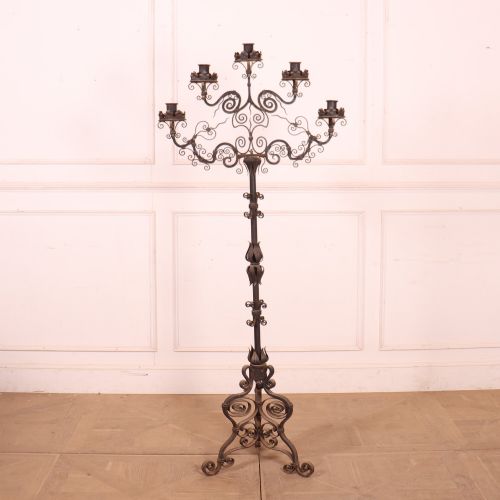
Combination pieces incorporate wood, brass and iron within single standards, reflecting structural necessities for tall floor-standing ecclesiastical supports. Surface finishes range from burnished gilding to darkened patinated bronze and ebonised timber.
Listings feature periods spanning from the 16th century through the Edwardian era, incorporating styles from Italian Baroque to Amsterdam School.
What varies in quality
The depth and crispness of the hand-carved detail in wooden giltwood pieces separate standard production from superior workshop output. Deeply undercut acanthus leaves and sharply defined mouldings indicate skilled artisan work compared to softer, shallower carving.
Proportion and mass dictate the visual authority of metal pieces, where heavy gauge brass or bronze prevents the standard wobble found in lighter items. Well-balanced bases and thick cast sockets demonstrate higher manufacturing standards during the Victorian and earlier periods.
The integrity of the original surface finish, whether intact gold leaf or aged bronze patina, defines the visual preservation of the object. Substantial remnants of original silvering or gilding over gesso retain greater historical character than stripped or heavily repainted surfaces.
The Antique Altar Lighting Glossary
- Pricket
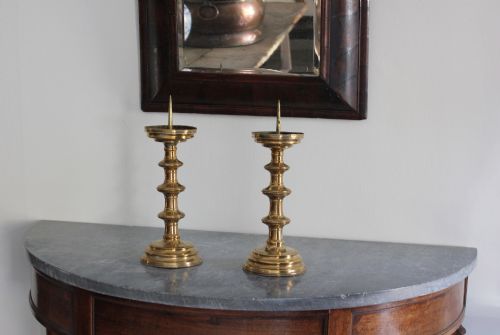
- A candlestick featuring a sharp central metal spike designed to impale the base of a large candle. This traditional ecclesiastical form secures heavy wax tapers upright.
- Torchere
- A tall stand or candlestick designed to support a light source at an elevated position. These pieces often feature decorative turned wooden columns or carved tripod bases.
- Giltwood
- Timber that has been coated with a thin layer of gold leaf over a prepared gesso ground. This technique creates a luminous, reflective surface common on Italian and Spanish altar pieces.
- Candelabra
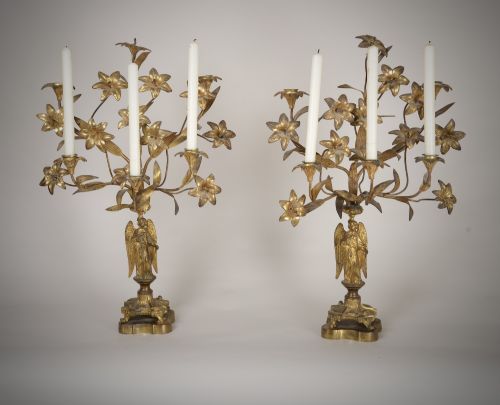
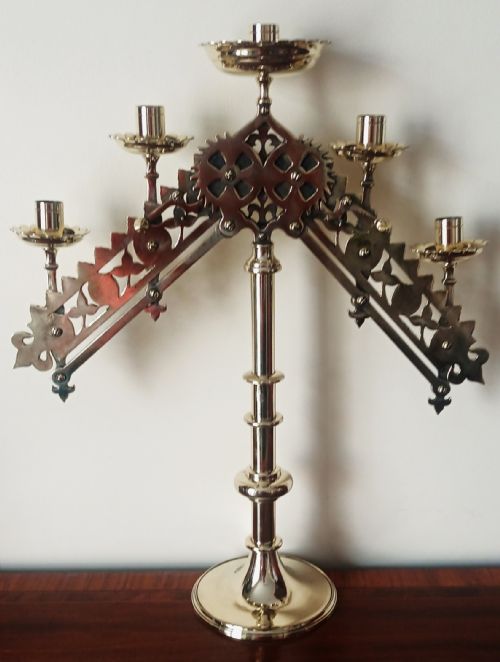
- A branched candlestick holding multiple lights on a single standard. They appear in various metals and styles across the nineteenth century listings.
- Gesso
- A plaster-like mixture applied to wood surfaces as a smooth base for gilding or painting. It allows artisans to carve intricate relief details before applying gold or silver leaf.
Antique Altar Lighting: Frequently Asked Questions
Are these items converted to electricity?
Many listings show candlesticks and torcheres adapted as table lamps or floor lamps for modern domestic interiors. These conversions often retain the original pricket or socket structure without permanent damage.
Unconverted pieces retain their original ecclesiastical function for holding traditional wax candles. Buyers can choose between functional lighting adaptations and pure decorative display.
How do I distinguish eighteenth from nineteenth century pieces?
Eighteenth century items often display hand-turned timber construction with thinner, more organic gesso layers and hand-hammered or cast metal components. The wear patterns reflect extended ecclesiastical handling over centuries.
Nineteenth century pieces frequently exhibit heavier industrial casting techniques and more rigid Gothic Revival or Baroque revival styling. Examination of the base construction and metal composition reveals the manufacturing era.
Where should I place a tall torchere?
Tall torcheres and floor candlesticks suit corners, entrance halls or flanking large pieces of furniture where their vertical scale commands attention. Their height creates strong architectural lines in high-ceilinged rooms.
Ensure stable floor placement away from heavy foot traffic due to their considerable height and weight distribution. They function effectively as sculptural elements without needing active illumination.