
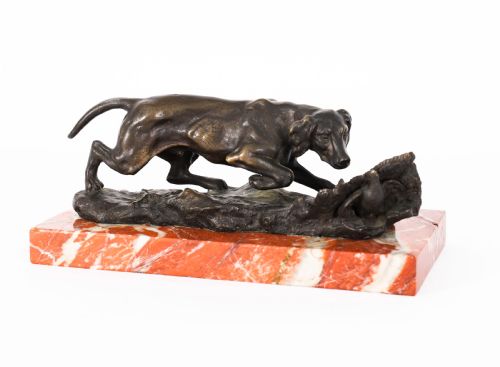
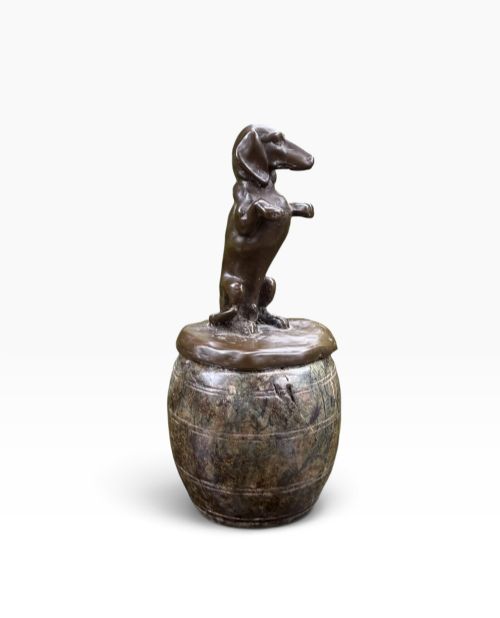
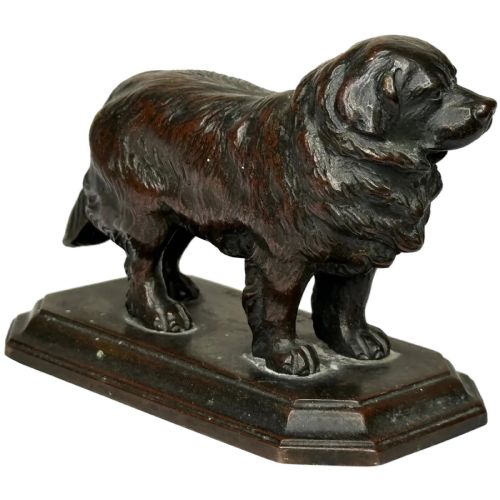
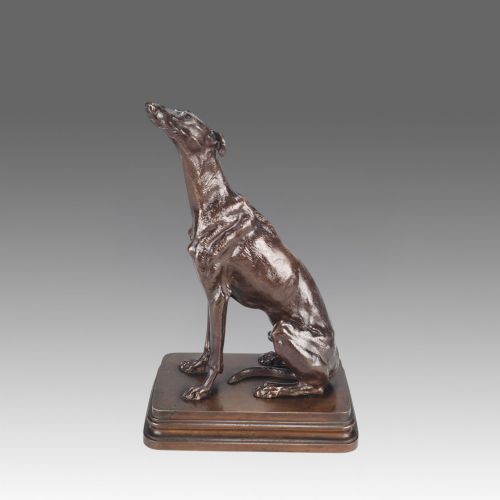


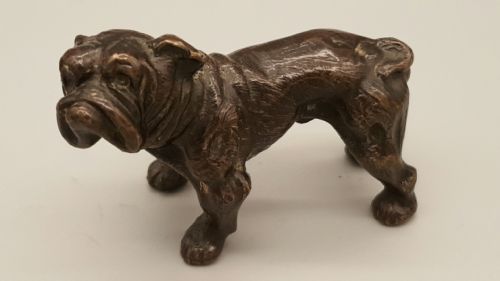


Animalier Bronze Dog
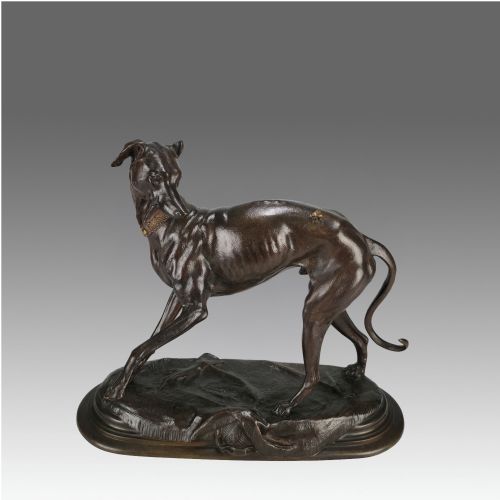
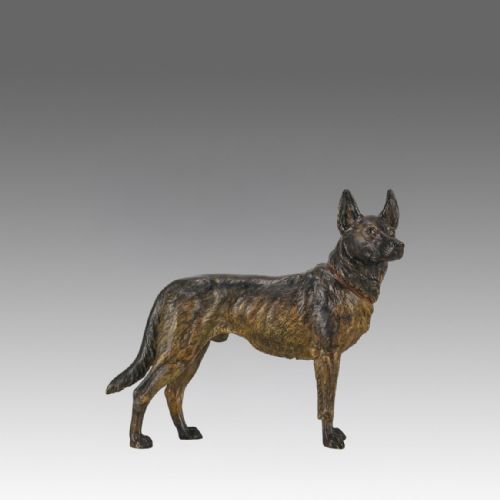
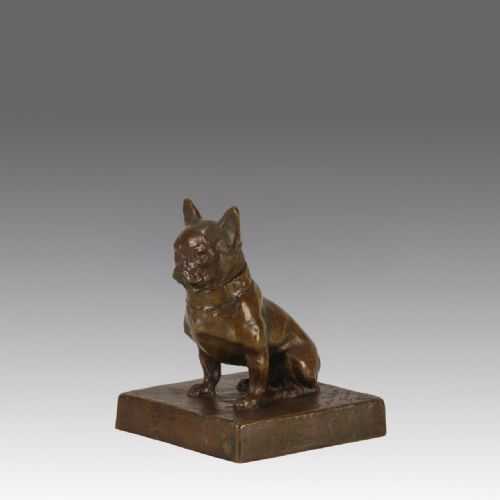
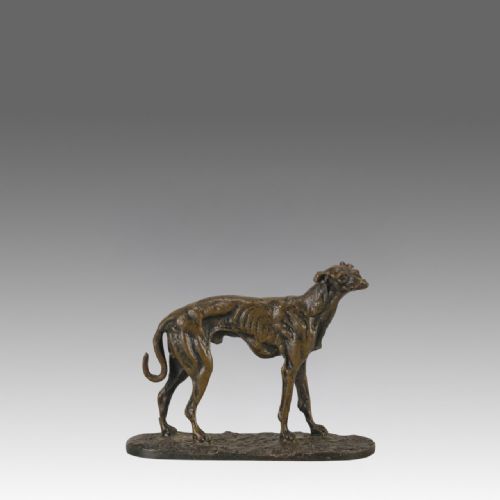
These animalier bronze dog sculptures capture canine form with realism, spanning nineteenth-century French foundries to twentieth-century Viennese workshops.
Animalier Bronze Dog
An animalier bronze dog is a sculptural study focusing on hounds, terriers, gundogs and pet breeds cast in metal. When searching for an animalier bronze dog, a buyer encounters figures ranging from compact desk ornaments to substantial mantle sculptures.
The majority of pieces on this page originate from nineteenth-century and early twentieth-century makers working in France, Austria and Britain. These sculptures depict hunting hounds, pointers, terriers and companion dogs in naturalistic poses.
Common formats include standalone figures mounted on marble or onyx bases, mantel clock mounts, and cold-painted Austrian tabletop models. Subjects span working gundogs with game to resting greyhounds and pugs.
How They Were Made
Surface treatments define the appearance of each sculpture, employing chemical patination to achieve dark brown or green tones, gilt bronze gilding, or multi-coloured cold-painted enamels over bronze.
Many sculptures incorporate integral metal bases or are mounted onto turned marble, onyx or slate plinths to provide stability and visual contrast to the dark metal.
Several Victorian dogs manage to look sternly dignified while balancing precariously on balls or guarding dead pheasants.
What Varies in Quality
The quality of the patination or cold-painted enamel dictates visual depth, with master founders achieving nuanced shading and durable surface finishes. Inferior examples rely on flat, uniform chemical dips or flaky paint layers that obscure the underlying metal.
Foundry marks, artist signatures and the weight and choice of the mounting stone or marble base contribute to the standing of an individual bronze sculpture.
Carl Kauba·Alfred Dubucand·Alfred Barye·Franz Bergman·Dora Heber·P J Mêne·Prosper Lecourtier·Jules Moigniez·Delabrierre·Antoine Louis Barye·Louis Riche·Edith Parsons·Auguste Nicholas Cain·Karl Hagenaur·Arthur Waagen·P.de Soete·Joseph Francois Victor Chemin·Christophe Fratin
The Animalier Bronze Dog Glossary
- Animalier
- A nineteenth-century artistic movement dedicated to the realistic portrayal of animals, particularly in sculpture. Practitioners studied anatomy from live specimens in menageries.
- Cold-painted bronze
- A technique where bronze sculptures are painted with polychrome oil or enamel paints without firing in a kiln. This method is particularly associated with Viennese workshops.
- Patina
- The surface coloration and sheen developed on bronze over time or applied chemically by the foundry. A good patina enhances the perceived depth of the metal.
- Lost-wax casting
- A process where a wax model is encased in a mould, melted out, and replaced with molten bronze. This technique allows for intricate undercuts and fine anatomical detail.
- Chasing
- The manual post-casting process of refining metal surfaces with hammers and punches. Artisans use this step to sharpen lines and remove casting seams.
Animalier Bronze Dog: Frequently Asked Questions
What is cold-painted bronze?
Cold-painting involves applying multi-coloured enamel or oil paints directly to the metal surface without high-temperature firing. This technique gained popularity in Austrian workshops during the late nineteenth and early twentieth centuries.
These pieces require careful handling to preserve the delicate paint layers, which are susceptible to flaking if exposed to moisture or rough cleaning.
How do I clean an animalier bronze?
Dust the surface gently with a soft, dry microfibre cloth or a clean artist brush to remove particles from crevices. Avoid water, abrasive cleaners, or chemical solvents that strip the original patina or paint.
Applying a very light coat of microcrystalline wax can help protect the metal surface from atmospheric oxidation.
Where were these bronzes made?
The majority of animalier bronzes originate from French foundries in Paris during the nineteenth century, where artists collaborated with specialised founders. Austrian workshops also produced significant quantities, particularly cold-painted table figures and Vienna bronzes.
British makers and associations occasionally commissioned local dog sculptures, though continental European foundries dominated commercial production.