



Anglo Indian Plant Stand
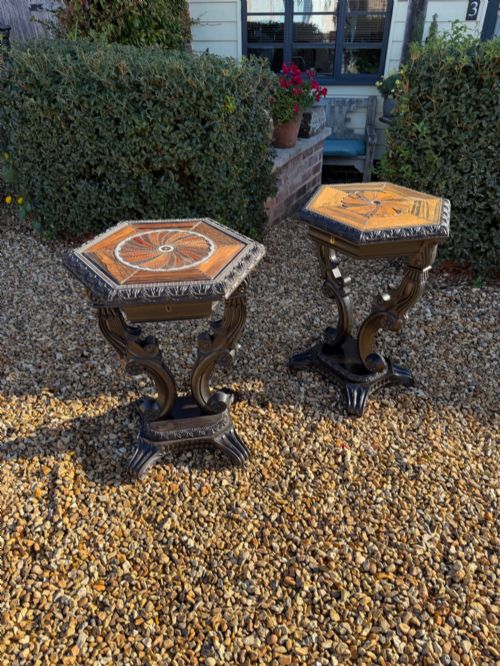
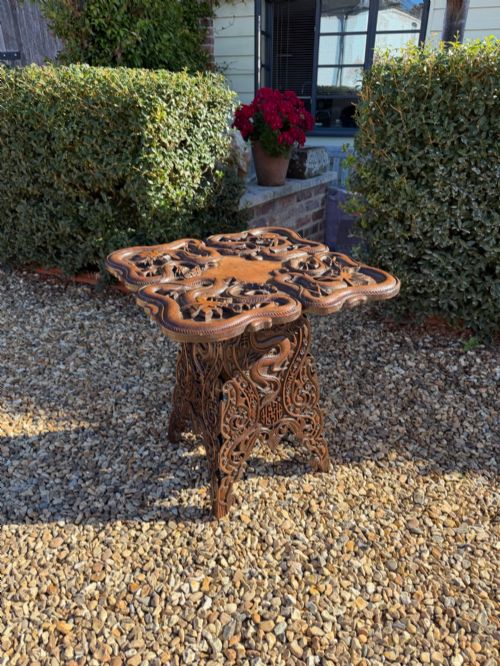
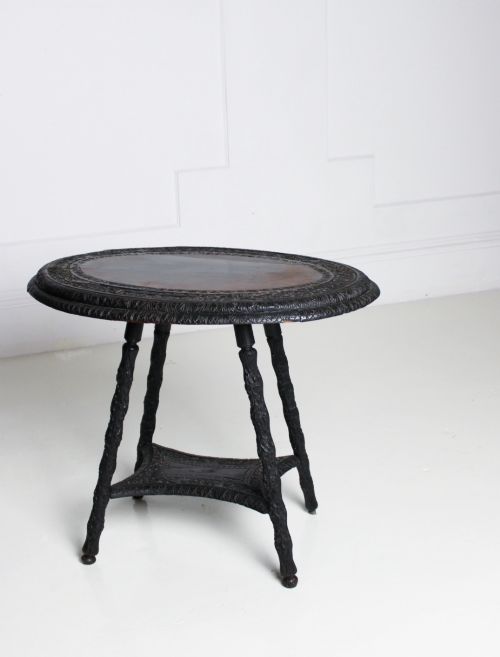
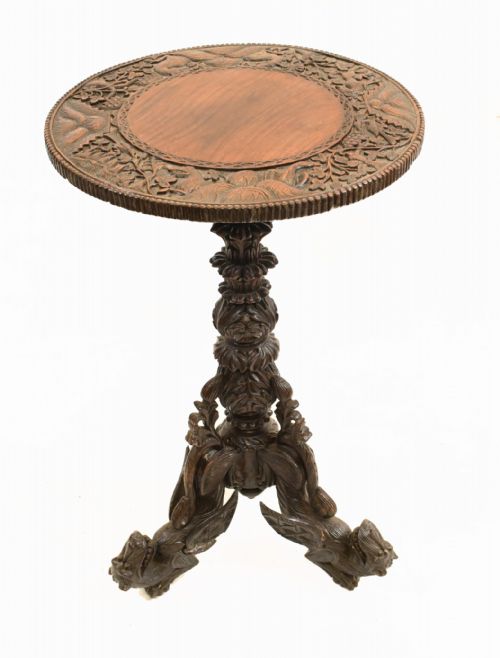
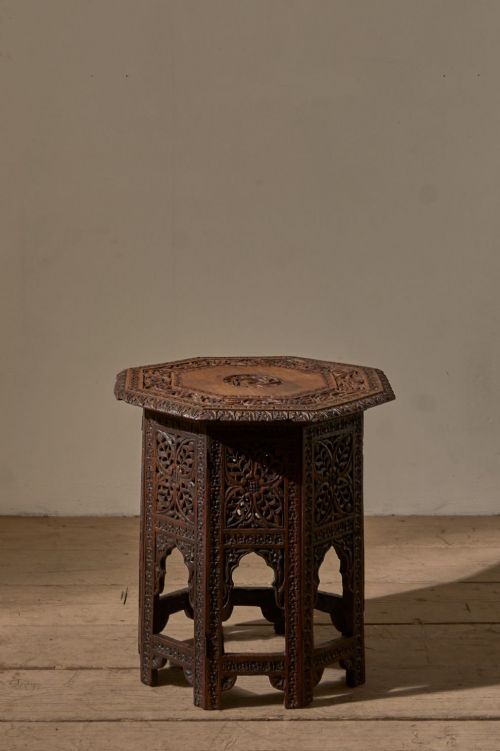
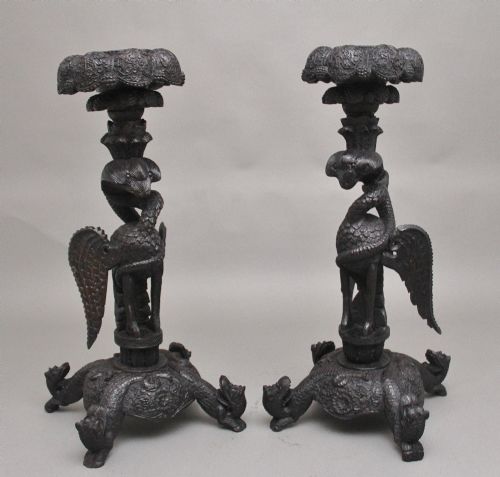
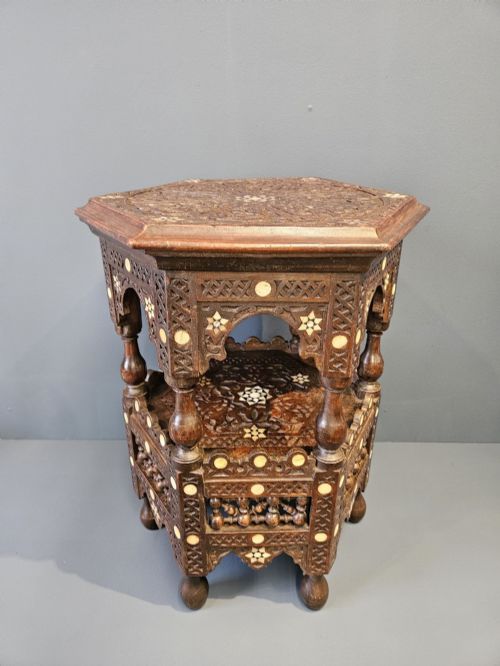
These pieces are an anglo indian plant stand, bringing intricate oriental carving and dense exotic timbers into domestic rooms.
Anglo Indian Plant Stand
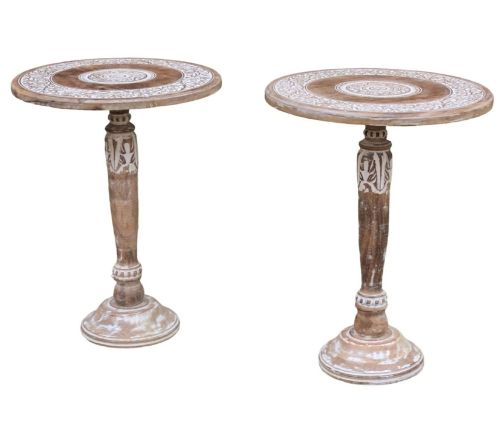
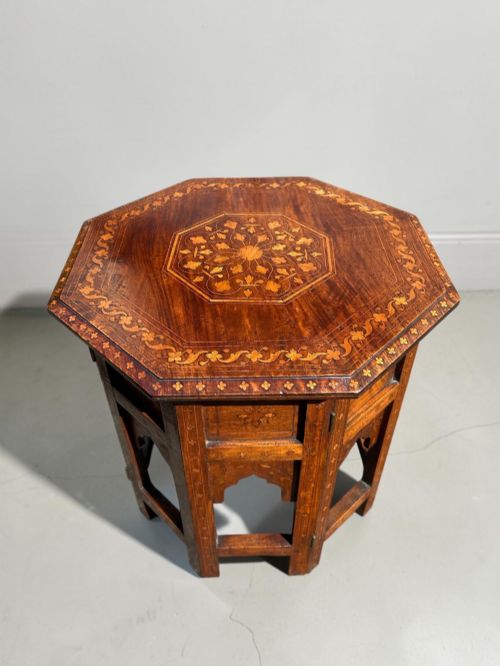
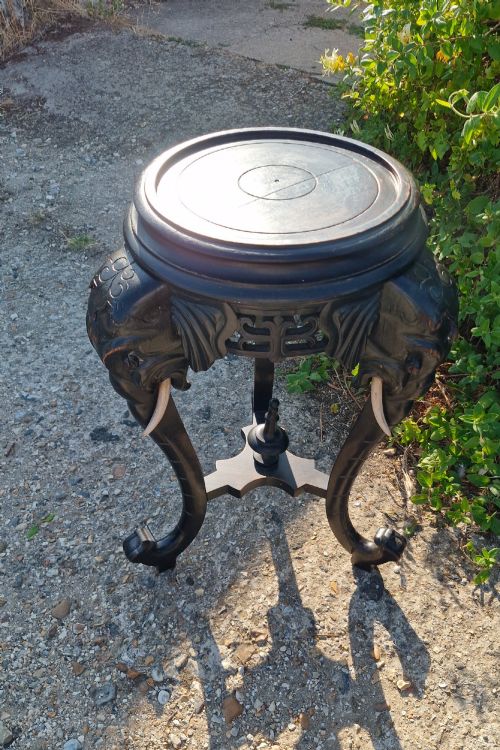
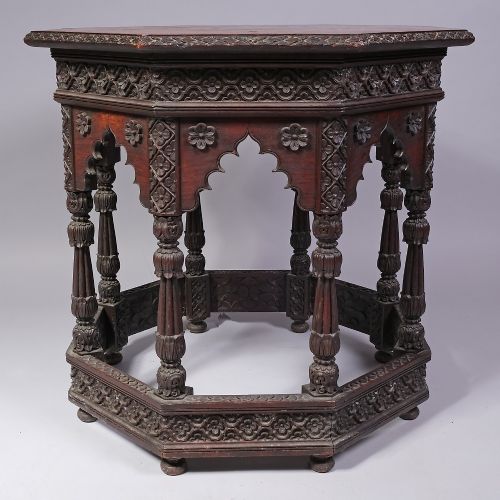
An anglo indian plant stand brings together traditional craftsmanship from the Indian subcontinent with British domestic forms of the nineteenth and early twentieth centuries. These pieces appear in various configurations, including torcheres, pedestals, and occasional or side tables adapted for display.
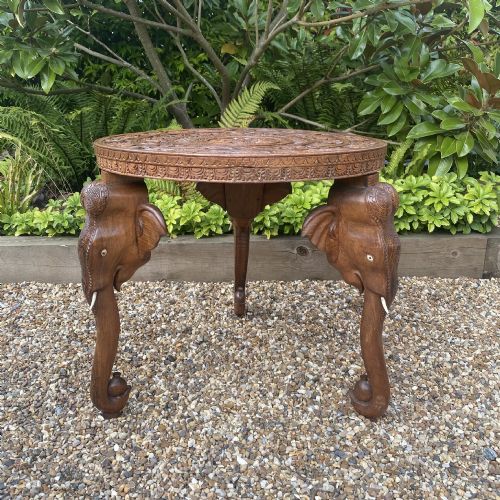
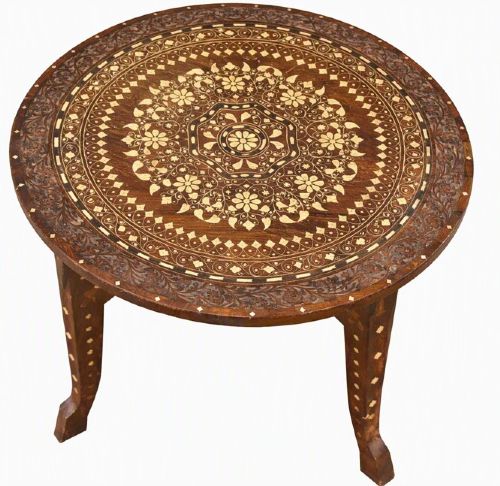
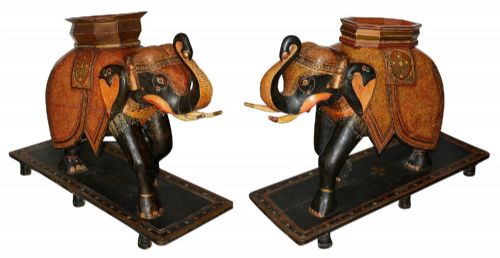
Octagonal and circular tops dominate the selection, often supported by carved figural bases depicting elephants, camels, or floral motifs. The designs reflect colonial trade and travel, blending local techniques with the furnishing tastes of British households.
Materials and Construction
Workshops utilised dense tropical timbers such as teak, rosewood, padauk, and sandalwood, which provided a stable foundation for deep, intricate carving. These native hardwoods tolerated the extensive relief work characteristic of regional centres like Hoshiarpur and Bombay.
Surface enrichment relied heavily on contrasting inlay materials, including camel bone, brass wire, and copper plates set directly into the timber. Ebonised finishes and painted highlights further defined the complex geometric patterns and foliage.
Anglo Indian Plant Stand Retail Price Guide 2026
Typical asking prices for anglo indian plant stand among the pieces listed under this phrase on Sellingantiques today, from the lower quarter to the upper quarter. They describe what is for sale here now, not the wider market.
Listings span the nineteenth century through to the 1930s, featuring teak, rosewood, bone inlay, and brass.
Judging Quality and Execution
Material selection also dictates overall grade, with solid rosewood or heavy teak examples holding greater presence than lighter, veneered alternatives. The precision of bone and brass inlay work further separates workshop tiers.
Liberty And Co
The Anglo Indian Plant Stand Glossary
- Hoshiarpur
- A district in Punjab renowned for intricate woodwork. Pieces originating here typically exhibit dense geometric bone and brass inlay.
- Torchere
- A tall stand designed specifically to support a lamp or decorative urn. These elevated supports often feature slender, carved shafts.
- Padauk
- A heavy, durable hardwood with a reddish hue used in colonial furniture. It accepts fine detail work exceptionally well.
- Ebonised
- Wood treated with a dark chemical stain or finish to imitate ebony. This treatment was popular during the Victorian aesthetic movement.
Anglo Indian Plant Stand: Frequently Asked Questions
How are these stands dated?
Dating relies on stylistic clues, timber choice, and construction methods recorded across the nineteenth and early twentieth centuries. Victorian and Edwardian examples often show distinct colonial influences.
Makers' marks or stamps, when present, provide a direct link to specific retailers or import houses of the period.
What woods were used?
Carpenters relied on durable tropical hardwoods native to the region, including teak, rosewood, sandalwood, and padauk. These timbers supported deep relief carving without splitting.
Inlay elements utilised contrasting materials such as bone and brass to accentuate the dark grain of the base timber.
Where were they made?
Production centred in specific regions of the Indian subcontinent, notably Hoshiarpur in the Punjab and the Bombay Presidency. Local workshops produced items specifically for export to the British market.
British firms then retailed these imported wares through metropolitan shops and catalogue houses.
How do I care for the wood?
Maintenance requires gentle dusting with a dry cloth to protect delicate bone and brass inlays from moisture damage. Avoiding direct sunlight preserves the natural colour of the hardwood.
Occasional application of appropriate wax keeps the timber nourished without sealing the carved pores.