
Anglo Indian Brass
These pieces unite British campaign utility with intricate Indian metalwork, offering robust storage and striking brass decoration for the home.
Anglo Indian Brass
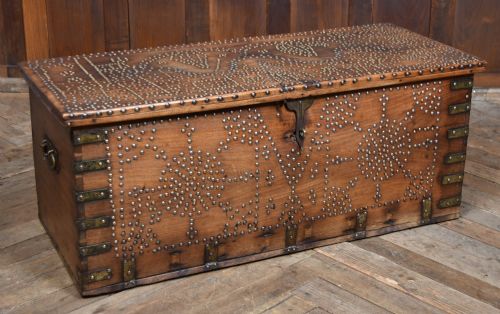
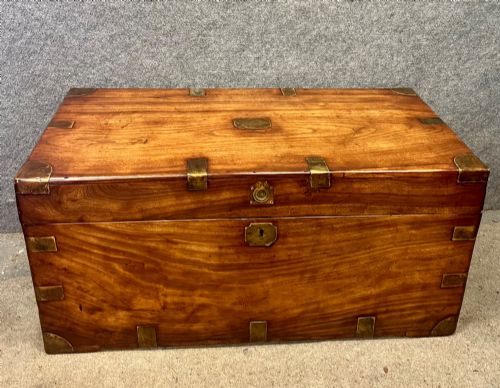
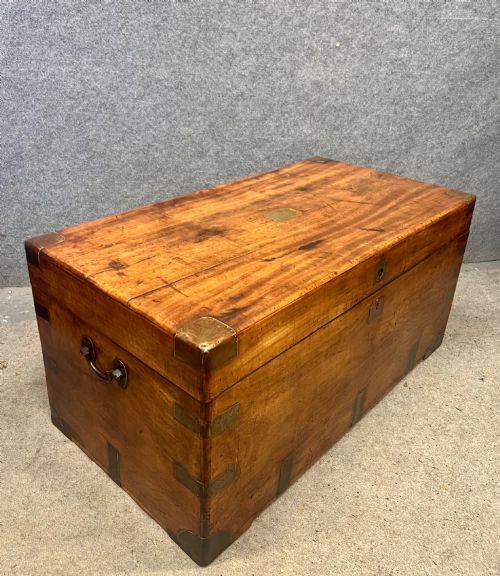
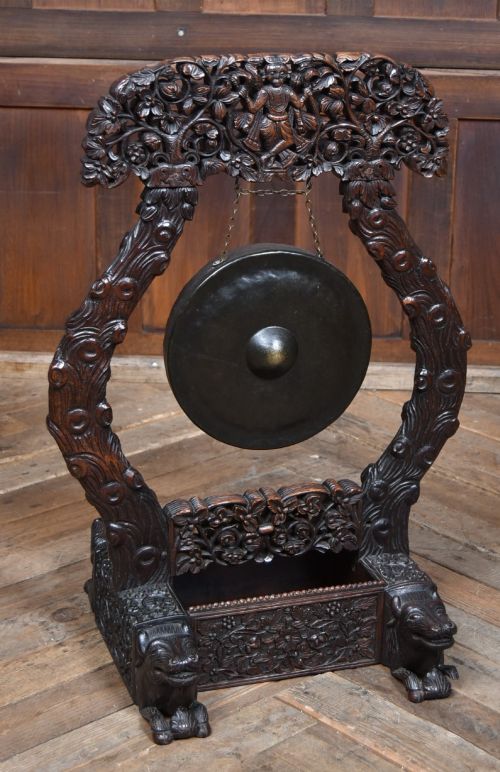
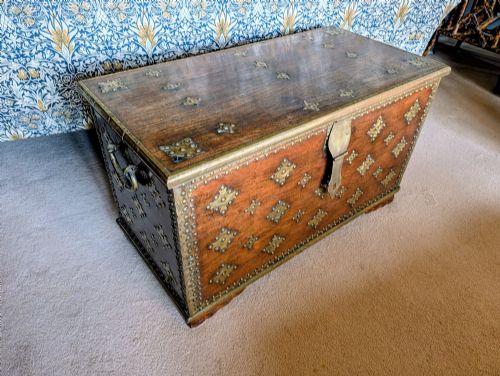
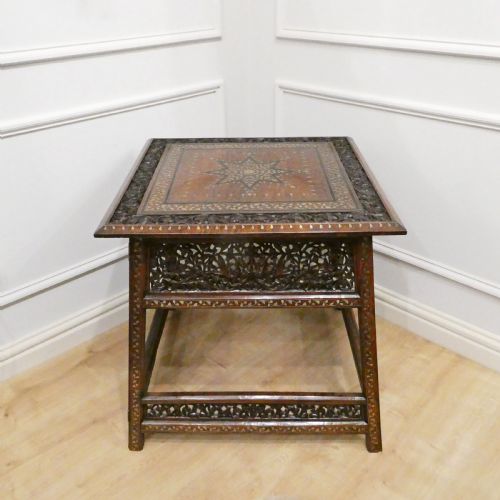
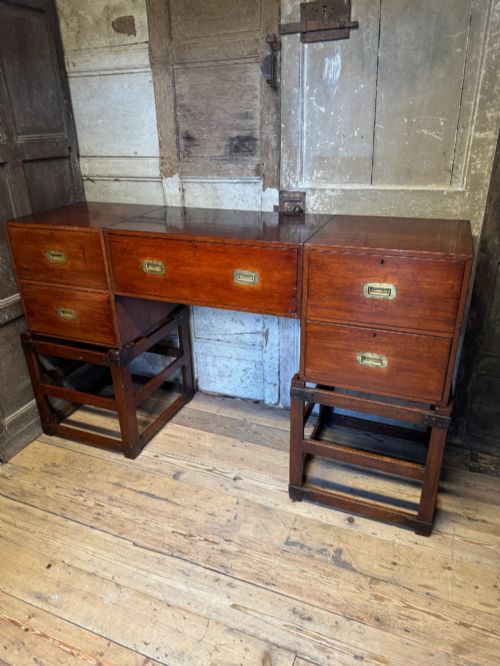
When you search for anglo indian brass, you encounter a distinct cross-cultural aesthetic spanning the nineteenth and early twentieth centuries, merging British colonial form with South Asian craftsmanship. The most common manifestations on this page are sturdy campaign chests, travelling trunks, and occasional tables featuring metal strapwork and decorative inlay.
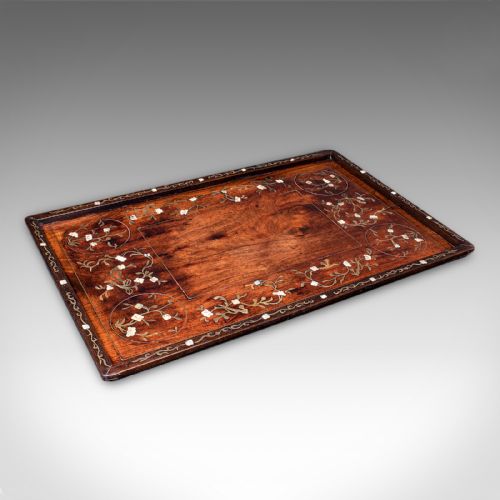
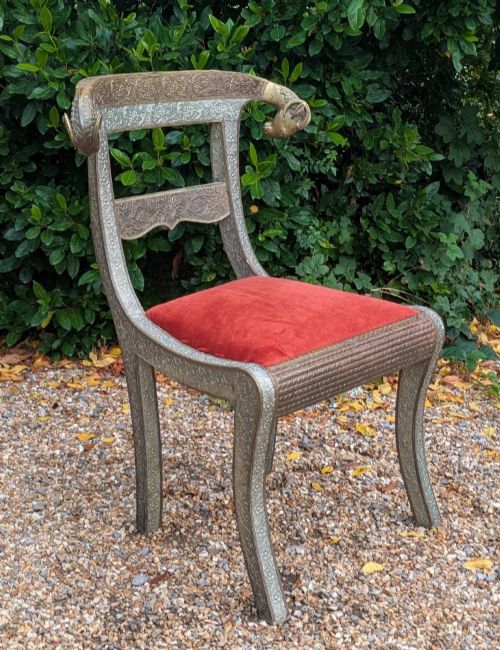
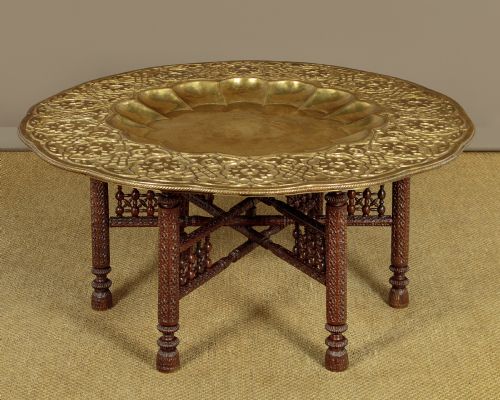
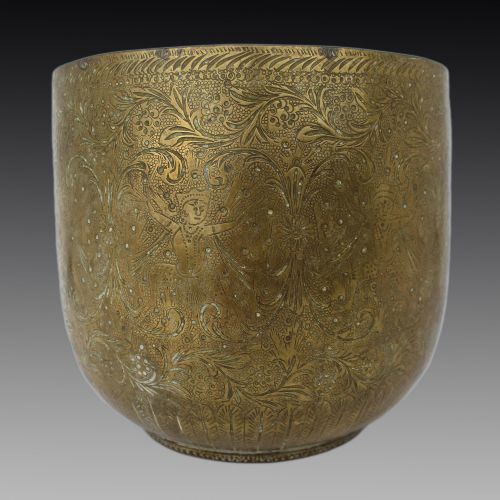
Objects range from utilitarian storage boxes and deed cases to decorative serving trays, jardinières, and occasional furniture. Timelines typically stretch from the Georgian era through the Victorian period and into the early twentieth century, reflecting the administrative and military presence in regions such as Hoshiarpur and Zanzibar.
Forms encompass both domestic items like side tables and cachepots, and portable military equipment designed for colonial travel. Teak, padouk, and camphor wood frequently serve as the structural timber foundations for these heavy brass mounts and intricate wire inlays.
Materials and construction
Makers utilised dense tropical hardwoods such as teak, padouk, shisham, and camphor wood to construct durable frames capable of withstanding tropical climates and frequent transport. These timbers were selected for their natural resilience and stability.
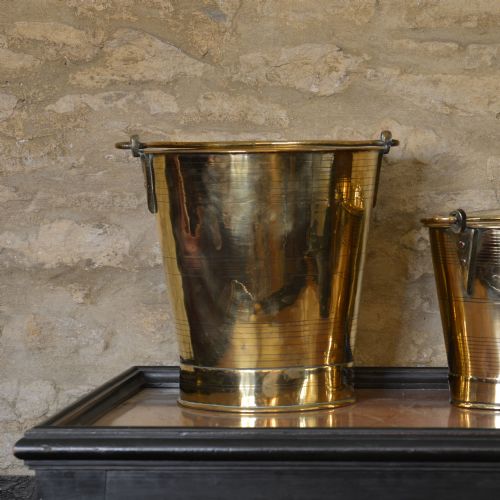
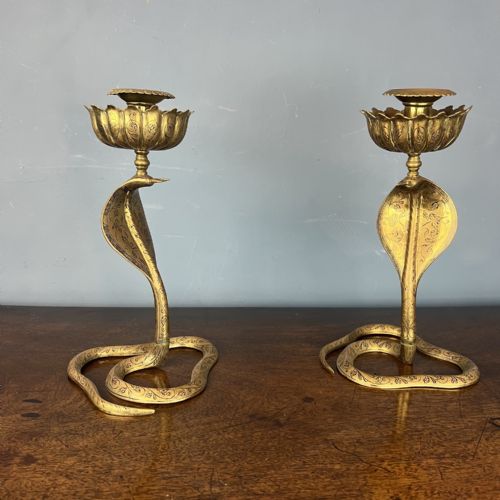
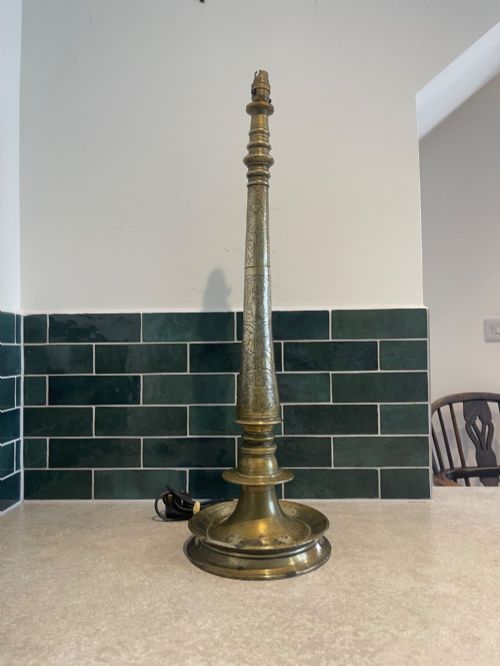
Brass featured predominantly as protective corner plates, strapwork, flush handles, and locking mechanisms on campaign furniture, or as fine wire inlay set flush into wooden surfaces. Artisans also hammered and engraved sheet brass for trays, vessels, and decorative wall pieces.
Inlaid items frequently incorporated contrasting materials like ebony, ivory, or copper alongside brass wire to create geometric and botanical patterns, particularly in works associated with northern workshops.
Secret compartments in travelling writing slopes still occasionally conceal forgotten nineteenth-century ink stains and spare nibs.
Assessing quality
Quality rests upon the precision of the brass inlay work and the structural integrity of the underlying hardwood carcass. Superior examples display tight, seamless joins in both the metal wire and the timber housing.
The density and complexity of the hand-engraving on chargers, trays, and boxes distinguish finer workshop output from simpler utilitarian items. Crisp chisel work and balanced composition indicate skilled hand execution.
Originality of the brass hardware, locks, and corner braces significantly elevates an object. Replacement mounts or disturbed inlay reveal later intervention and diminish historical consistency.
The Anglo Indian Brass Glossary
- Campaign chest
- A modular chest of drawers built in two or more sections with recessed brass handles and corner brackets designed for military transport. These pieces dismantled easily for travel on pack animals or ships.
- Bidri ware
- A metalwork technique originating from India involving a blackened zinc and copper alloy inlaid with thin sheets of pure silver or brass. The contrasting dark body highlights the bright metallic design.
- Cellarette
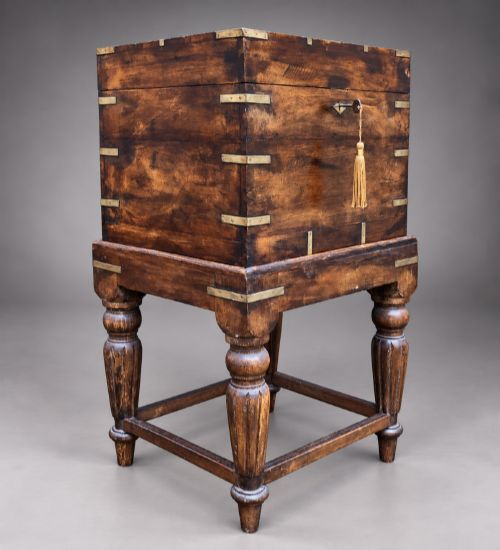
- A lockable container used for storing wine and bottles, often heavily lined and bound in brass during the colonial period. They frequently sat on low stands or beneath side tables.
- Cachepot
- An ornamental container designed to hold a flowerpot, protecting furniture surfaces from water. In this category, they are typically constructed from heavy hand-hammered brass.
- Hoshiarpur
- A town in Punjab renowned for intricate woodwork and metal inlay. Items from this tradition feature dense geometric patterns covering the entire visible surface.
Anglo Indian Brass: Frequently Asked Questions
What is an Anglo Indian chest?
An Anglo Indian chest is a storage box or drawer unit built from tropical hardwoods like teak or camphor wood, featuring decorative brass binding, corner plates, and sometimes intricate wire inlay. These items were produced during the nineteenth and early twentieth centuries under British colonial influence.
Many of these chests originated as portable campaign furniture designed for officers on the move, while others served as domestic storage or merchant trunks. Their robust construction combined British structural utility with traditional Indian decorative arts.
How do I care for brass inlaid wood?
Maintaining these pieces requires keeping them away from direct sunlight and extreme humidity fluctuations to prevent the tropical hardwoods from warping and the brass inlay from loosening. Regular dusting with a soft, dry cloth is usually sufficient for cleaning.
Avoid applying harsh chemical polishes that might seep beneath the brass wire or stain the surrounding timber. A gentle application of microcrystalline wax can help protect the wood surface without harming the metal components.
How do I date a campaign trunk?
Dating relies on examining the construction methods, timber choices, and the style of the brass hardware. Earlier nineteenth-century examples often utilise solid teak or camphor wood with hand-cut dovetails and heavy cast brass mounts, while later pieces may incorporate machine-tooled elements.
Documentation, stamps, or inscriptions left by previous owners can also help narrow down the period. Pieces bearing specific regional attribution styles, such as Hoshiarpur work, generally point towards the late nineteenth or early twentieth centuries.
Were these items used by the military?
A large proportion of brass-bound trunks, writing slopes, and chests of drawers were commissioned for British military officers stationed in India. These items needed to withstand arduous journeys across rugged terrain and sea voyages.
Other pieces, such as decorative tables, trays, and cachepots, were intended for permanent colonial residences or export to British homes. Both military and domestic items shared the characteristic combination of durable timber and decorative brasswork.