
Anglo Indian Bone Inlay
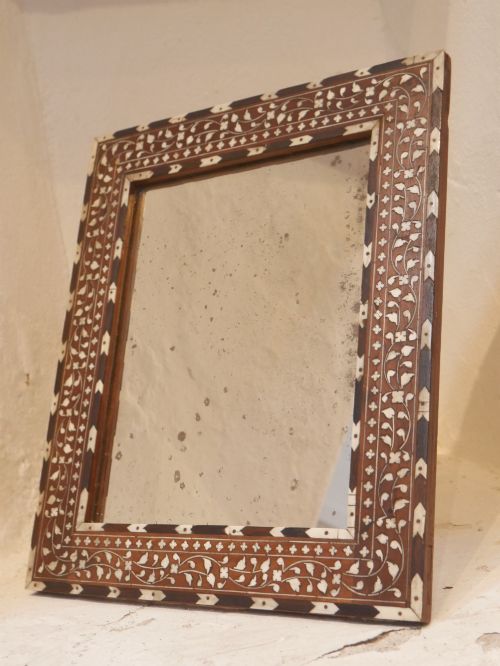
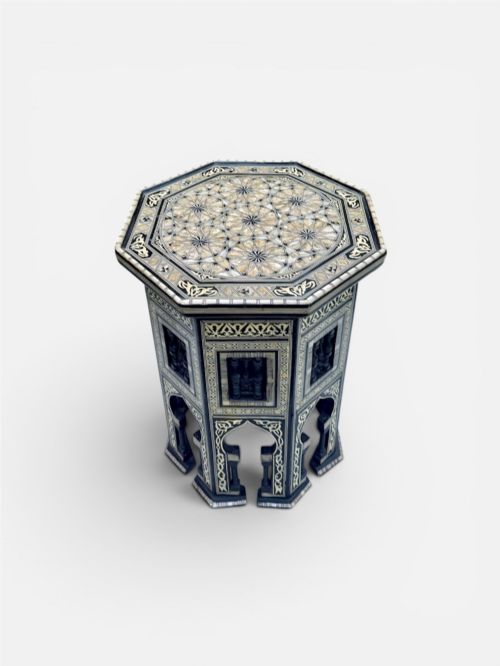
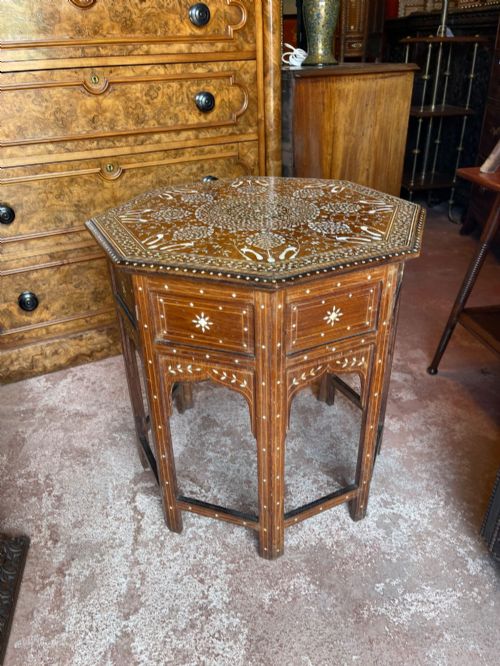
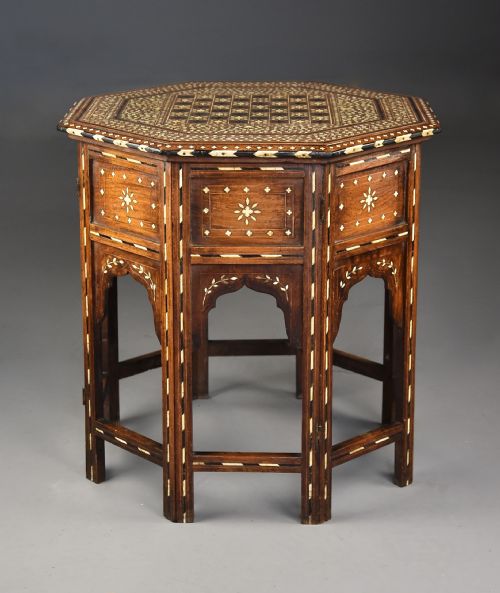
These pieces of anglo indian bone inlay combine dense geometric patterns with exotic timbers to bring tangible warmth to a room.
Anglo Indian Bone Inlay
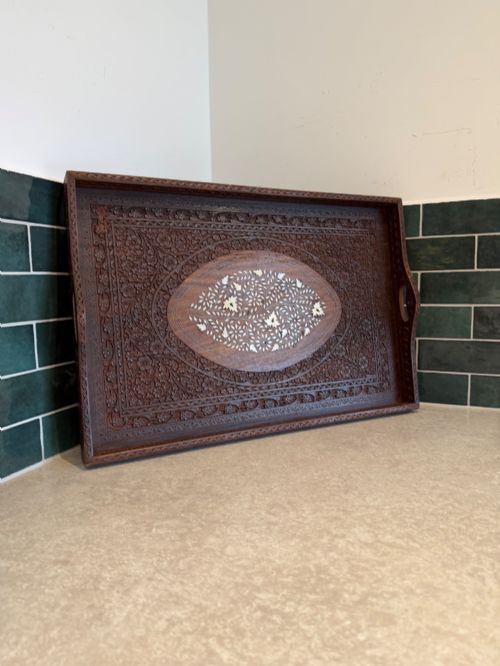
When you search for anglo indian bone inlay, you encounter furnishings and small decorative objects made during the nineteenth and early twentieth centuries under British colonial rule. These pieces merge traditional South Asian craftsmanship with European forms tailored for domestic utility.
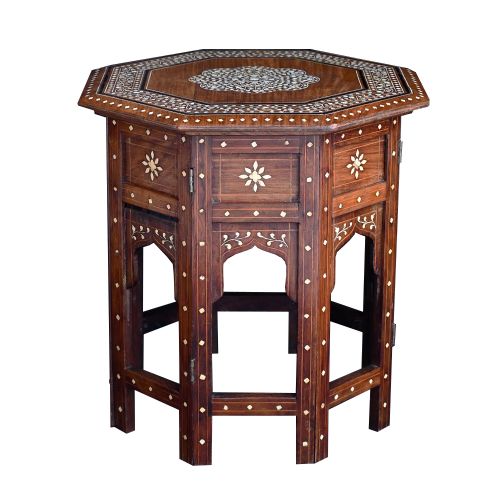
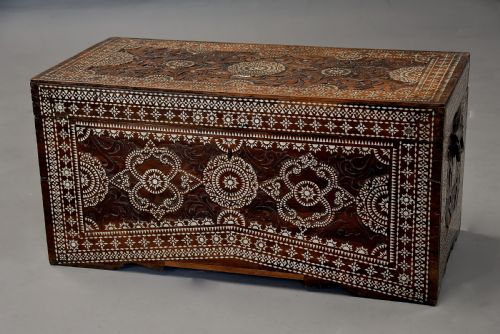
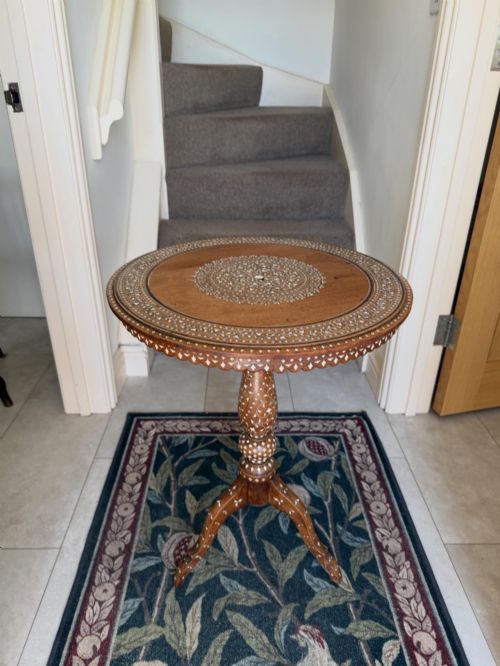
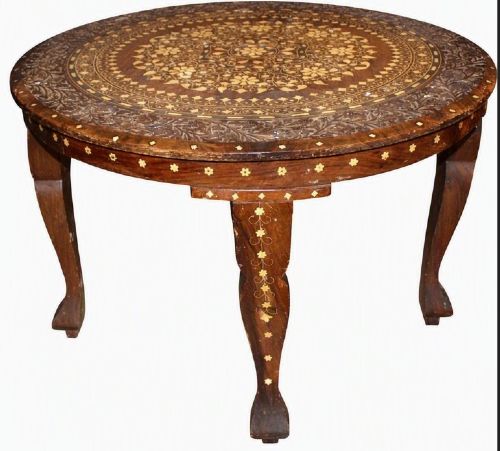
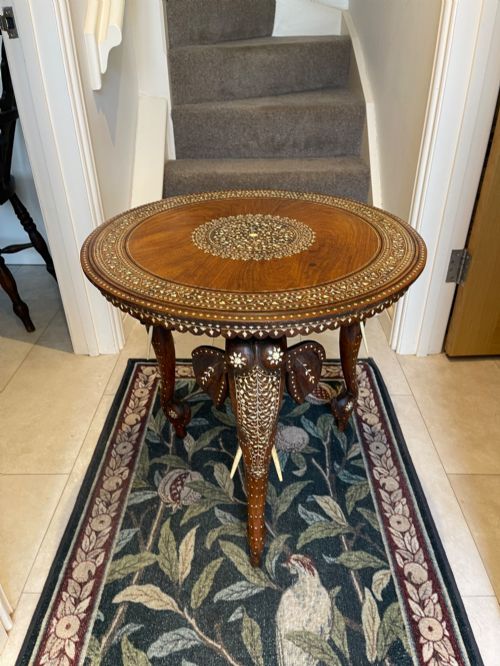
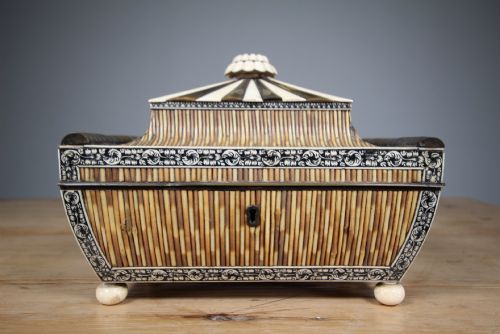
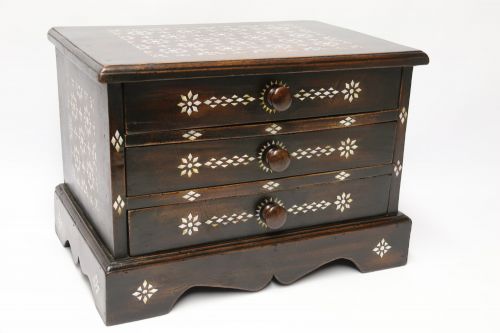
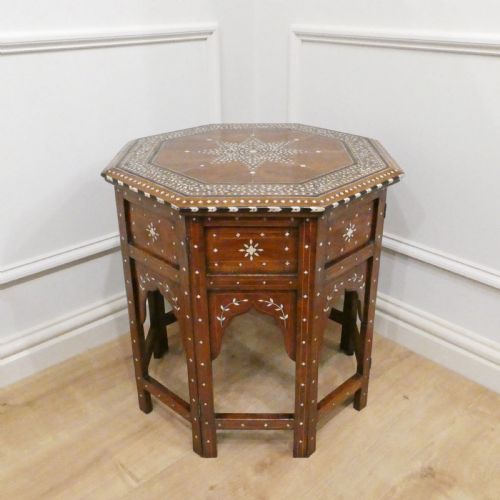
The most common forms on this page are occasional tables, particularly octagonal and tripod designs originating from centres such as Hoshiarpur, alongside wall mirrors, stationery boxes and decorative trunks.
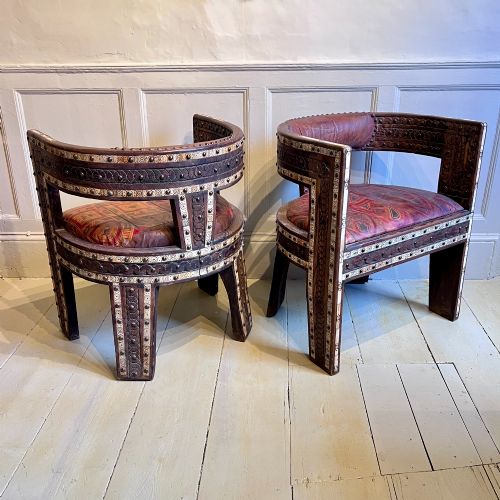
Makers utilised dense regional hardwoods as a foundation for intricate surface decoration, producing works that vary from small folding tables to substantial cabinets and occasional seating.
How They Were Made
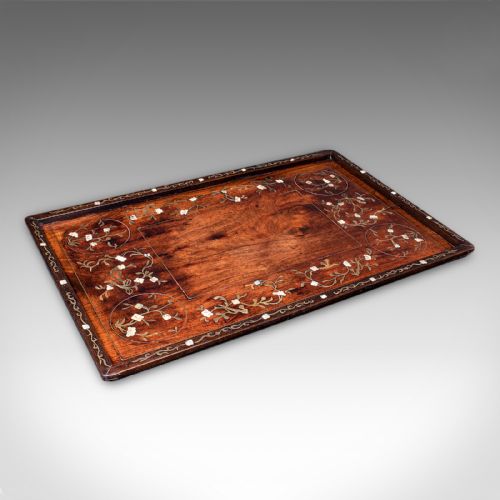
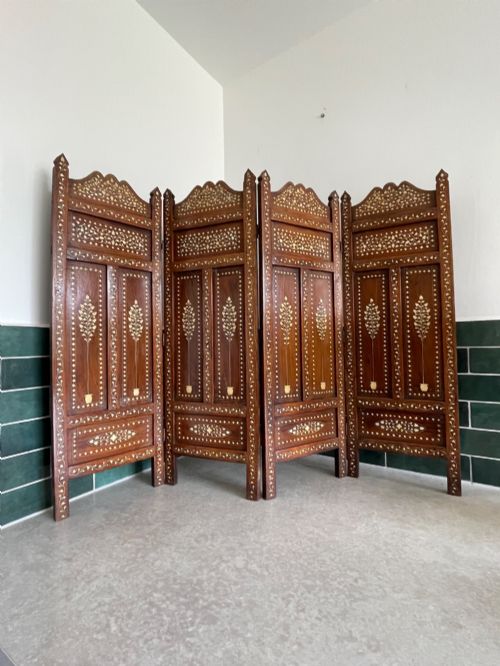
Artisans built the structural carcasses from timbers such as teak, shisham, ebony, rosewood and walnut, selected for stability and dark contrast against pale ornamentation. Individual pieces of bone or ivory were shaped by hand and let into shallow channels carved directly into the timber surface.
Surface patterns relied on tight geometric tessellation, floral motifs and scrolling vine work, often combined with mother of pearl accents. The assembled surfaces were smoothed and polished to create an integrated texture where the bone sits flush with the surrounding wood.
Several tables on this page incorporate carved elephants into their tripod bases, ready to hold afternoon tea.
What Varies in Quality
The standard of an item rests upon the precision of the inlay work and the complexity of the carved timber ground. Finer examples display minute, evenly spaced bone segments fitting tightly into the wood without excessive filler.
Proportion and architectural balance dictate the upper tier of objects, where the density of the carved decoration enhances rather than overpowers the fundamental form of the table or box.
Liberty and Co
The Anglo Indian Bone Inlay Glossary
- Hoshiarpur
- A historic centre in Punjab known for specialised wood carving and intricate inlay traditions. Pieces from this region frequently display dense foliage and animal motifs.
- Sadeli
- A mosaic technique employing minute geometric prisms of bone, horn and metal arranged in repeating bands. This meticulous work appears primarily on nineteenth-century boxes and small caskets.
- Shisham
- An Indian rosewood utilised widely for furniture framing. It provides a durable, dark base that heightens the visual impact of pale bone decoration.
- Octagonal
- Having eight sides. This geometric plan dominates the occasional tables found within the colonial furniture tradition.
Anglo Indian Bone Inlay: Frequently Asked Questions
How do I care for bone inlay furniture?
Keep these items away from direct heat sources and strong sunlight to prevent the timber from drying and shrinking around the rigid bone segments.
Dust the surface gently with a dry, soft cloth and avoid liquid polishes that can discolour the exposed natural materials.
Were these items made in Britain or India?
The pieces originated in workshops across the Indian subcontinent during the colonial period, constructed by local artisans for both domestic use and export to European markets.
British firms subsequently retailed them through metropolitan outlets, adapting traditional craftsmanship to suit Victorian and Edwardian interiors.
How can I date an octagonal table?
Examine the construction methods visible beneath the top and around the folding or fixed frame. Nineteenth-century examples often display hand-cut joinery and aged patina on the underside.
Later pieces from the early twentieth century show more uniform machine preparation while retaining traditional hand-carved surface decoration.
What is the difference between bone and ivory inlay?
Bone inlay typically exhibits subtle natural grain variations and microscopic porosities under close magnification. Ivory presents a smoother, denser surface with fine cross-hatch lines known as Schreger lines.
Both materials were utilised across the period, though bone appears with greater frequency on domestic utility items.