

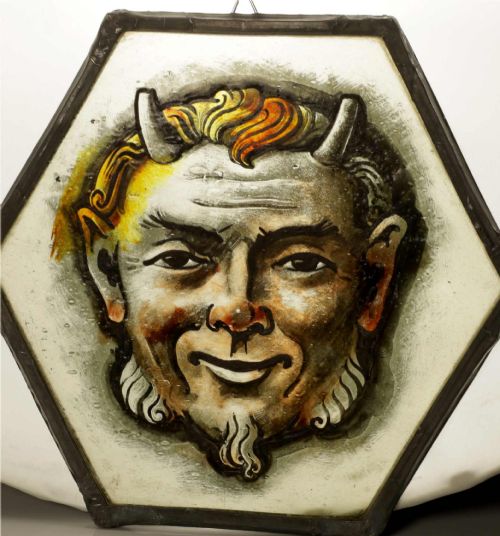


Amber Leaded Glass Panel
An amber leaded glass panel brings rich warmth and artisanal detail to any window space, offering tactile depth through traditional leadwork.
Amber Leaded Glass Panel
When you search for an amber leaded glass panel, you encounter architectural salvage and decorative window pieces spanning the Victorian, Edwardian, and Art Deco periods, alongside 1900 and 1910 pieces. These works range from simple geometric formations with amber bullseyes to elaborate hand-painted scenes featuring birds on branches and countryside vistas.
The most frequent examples on this page are Edwardian windows incorporating bird designs, floral motifs, and distinctive amber bullseyes. Buyers also find nineteenth-century panels bearing pictorial subjects like Shakespeare emblems, alongside shop window panels associated with tobacco and confectionery trades.
How they were made
Makers constructed these panels by cutting individual pieces of coloured and clear glass to fit intricate pattern outlines. Artisans then joined the glass segments using flexible lead came channels, soldering the joints by hand to secure the entire matrix.
Surface decoration frequently involved hand-painted details and cut glass techniques, visible in depictions of birds, flora, and landscape scenes. Structural support relied on timber frames, commonly utilising pine wood or softwood to house the leaded glass securely.
Amber Leaded Glass Panel Retail Price Guide 2026
Typical asking prices for amber leaded glass panel among the pieces listed under this phrase on Sellingantiques today, from the lower quarter to the upper quarter. They describe what is for sale here now, not the wider market.
Materials documented across the inventory include lead, glass, stained glass, and timber supports like pine wood.
What varies in quality
The standard of an amber leaded glass panel rests upon the complexity of its pictorial design and the integration of specialised elements like amber bullseyes. Hand-painted details depicting birds or landscapes require considerable skill, elevating the visual output far beyond basic geometric leadwork.
Material preservation also defines the tier of a piece, particularly the rigidity of the lead matrix and the condition of the surrounding timber frame, such as pine wood. Panels retaining their original paintwork and intact glass segments represent the finer end of the surviving range.
The Amber Leaded Glass Panel Glossary
- Lead came
- The flexible H-section lead strips used to hold individual pieces of glass together in a window panel. This material forms the dark linear grid characteristic of traditional leaded glass.
- Amber bullseye
- A circular, convex lump of glass with a central pontil scar, often possessing a rich amber hue. These discs add textural variation and deep colour within a leaded window.
- Stained glass
- Coloured glass created by adding metallic salts during its manufacture, or glass painted with vitrified enamels. It forms the primary visual medium for pictorial and decorative window panels.
- Architectural salvage
- Building components rescued from older structures slated for demolition or remodelling. This category encompasses the antique windows and panels preserved on this page.
- Softwood
- Timber derived from conifers, such as the pine wood frequently utilised for the structural frames surrounding these antique glass panels.
Amber Leaded Glass Panel: Frequently Asked Questions
How do I hang a leaded glass panel?
These panels require secure suspension fixtures attached directly to the surrounding timber frame, rather than hanging solely from the leadwork. Ensuring the weight rests on the structural wood prevents sagging and distortion of the lead matrix over time.
Position the panel where natural light can pass through the glass and amber bullseyes to reveal the painted details and colour variations fully. Using robust chain or bracket systems anchored into window frames provides safe display support.
What periods do these panels date from?
The pieces available span the Victorian era, the Edwardian period, and the year 1900 through 1910. Stylistic influences also extend into Arts and Crafts, Art Nouveau, and Art Deco designs.
Specific dating relies on stylistic clues within the glasswork, such as the subject matter of hand-painted bird scenes or commercial shop window themes. Examining the timber framing, including pine wood, can also help contextualise the age of the piece.
How should I clean my glass panel?
Clean the glass surface gently with a soft cloth and mild, non-abrasive solution to protect both the painted details and the surrounding leadwork. Avoid harsh chemical cleaners that might degrade the solder joints or strip historical paintwork.
Take care around painted areas depicting birds, flowers, or countryside scenes, as these pigments can be delicate. Regular dusting with a dry microfibre cloth usually suffices for routine maintenance.
Can these windows be fitted into modern frames?
Many buyers incorporate antique panels into modern interiors by mounting them within existing window openings or hanging them as decorative wall art. Professional glaziers can assess whether the timber frame requires reinforcement before installation.
Ensuring the dimensions of the pine wood or softwood surround match the intended aperture is essential for a secure fit. Proper installation protects the fragile lead came structure from environmental stress.