
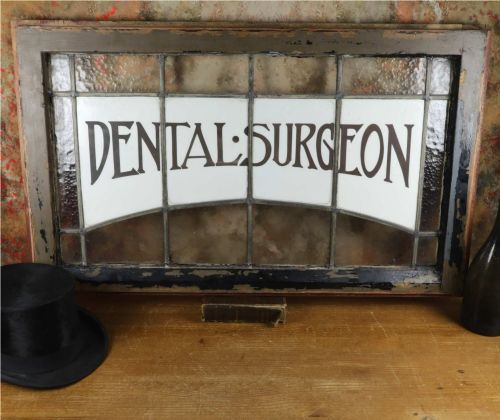


Vintage Leaded Window Panel
These vintage leaded window panel examples bring daylight through historic stained glass and intricate leadwork into modern interiors.
Vintage Leaded Window Panel
A vintage leaded window panel forms a substantial architectural feature created from coloured or clear glass held together by channels of lead. You encounter pieces spanning from the Victorian era through Edwardian times into the nineteen twenties and thirties, often rescued from domestic homes, shops, and ecclesiastical buildings.
The assortment includes domestic pieces depicting birds, flowers, and countryside scenes alongside shop signs and church remnants. Many retain their original timber frames in pine or other woods, making them straightforward to install against an existing light source.
How they were made
Craftsmen built each vintage leaded window panel by cutting glass to fit intricate geometric or pictorial patterns before joining the pieces with flexible lead cames soldered at the joints. Many incorporate hand painted details, firing the pigment onto the glass surface to depict figures, animals, and landscapes.
Makers often integrated specialised elements such as amber bullseyes and cut or reverse cut glass panels into the design. Supporting wooden frames, frequently fashioned from pine timber, provided the structural rigidity necessary for glazing.
Listings feature periods spanning from the eighteen eighties through the nineteen thirties, encompassing Victorian, Edwardian, Art Nouveau, and Art Deco styles.
What varies in quality
The artistic ambition of the hand painted scene dictates the visual success of the piece, distinguishing simple geometric leads from detailed countryside landscapes or figurative designs. Finer panels display careful kiln firing and delicate brushwork that holds its colour when backlit.
The complexity of the leadwork and the integration of specialised glass types, such as bullseyes or textured panes, separate standard utilitarian glazing from decorative showpieces. Original timber framing preserved in good condition also adds structural integrity and period context.
The Vintage Leaded Window Panel Glossary
- Lead came
- The grooved lead strip used to hold individual pieces of glass together in a window panel. These flexible strips are soldered at the intersections to form a sturdy lattice.
- Bullseye
- A circular patch of glass featuring a central raised knob, formed by the pontil mark during hand blowing. They add texture and amber warmth to window designs.
- Architectural salvage
- Building materials rescued from structures slated for demolition or remodelling. This includes the windows, panels, and timber frames preserved for reuse.
- Reverse cut glass
- A technique where glass is carved or abraded from the back surface to create frosted or textured decorative motifs. It appears frequently in commercial shop windows of the Edwardian period.
Vintage Leaded Window Panel: Frequently Asked Questions
How do I hang a window panel?
Most panels arrive within their original wooden frames or sturdy surrounds, allowing them to be secured directly into a window recess using appropriate brackets. Ensure the weight rests firmly on the sill rather than relying solely on side fixings.
For panels without frames, professional framing in timber is recommended to distribute the weight evenly and protect the soft lead cames from bending over time.
Where were these windows originally placed?
These panels served various architectural roles, from domestic interior transoms and exterior house windows to church vestries and high street shopfronts. Commercial examples often advertised specific trades like dentistry, tobacco, or confectionery.
Domestic versions typically occupied entrance halls, stairwells, or living rooms to provide privacy while allowing daylight to pass between rooms.
How do I date a panel?
Dating relies on stylistic clues such as the sweeping organic lines typical of Art Nouveau or the geometric precision associated with Arts and Crafts and Edwardian design. Material choices and subject matter, such as specific pastoral scenes or shop signage, also point to particular decades between eighteen eighty and nineteen thirty.
The presence of original pine framing or specific painting techniques helps narrow down the era of manufacture.