




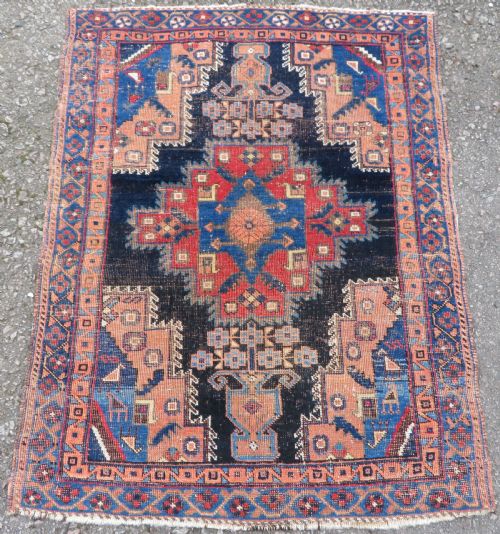


Afshar Floor Rug
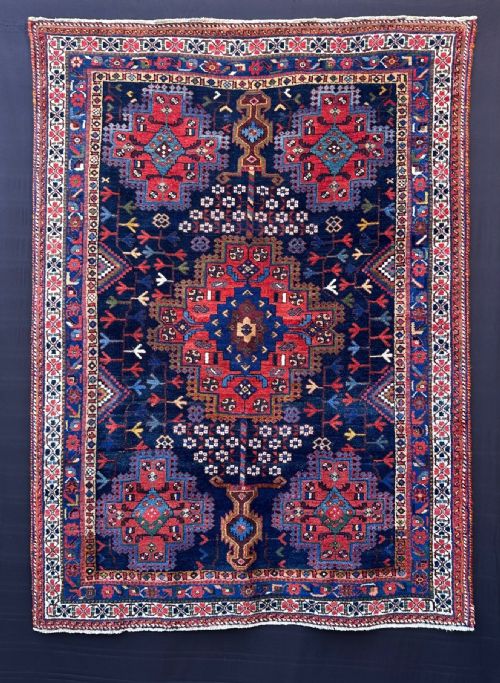
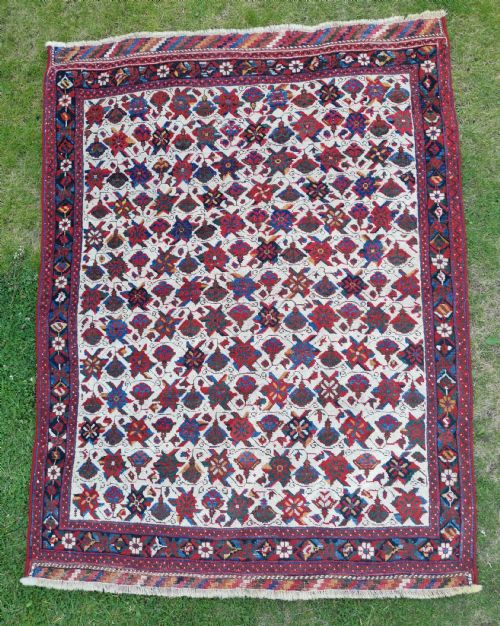
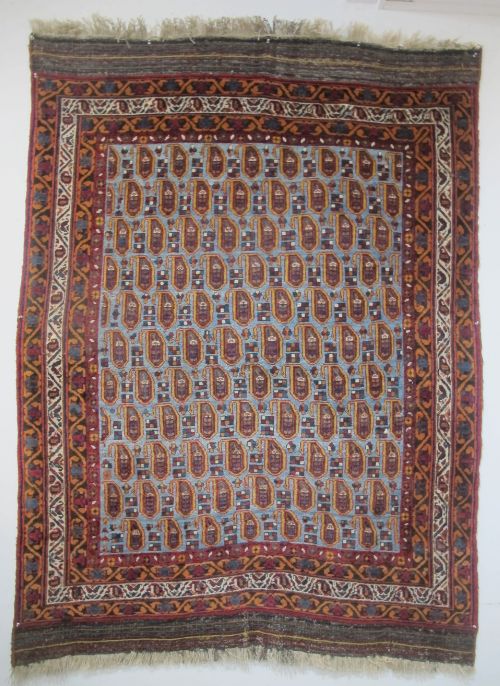
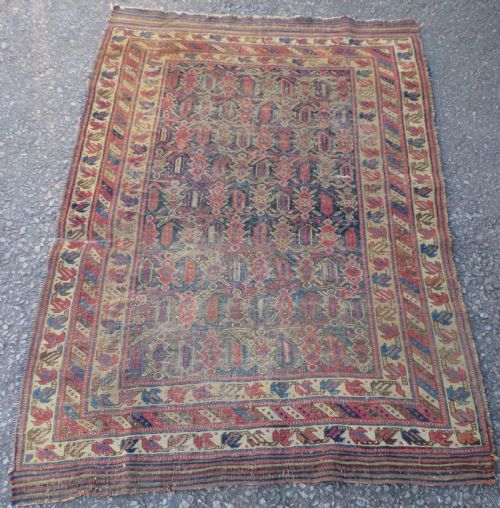
An afshar floor rug brings the distinct geometric patterns and South Persian tribal weaving traditions of Kerman Province directly into a room.
Afshar Floor Rug
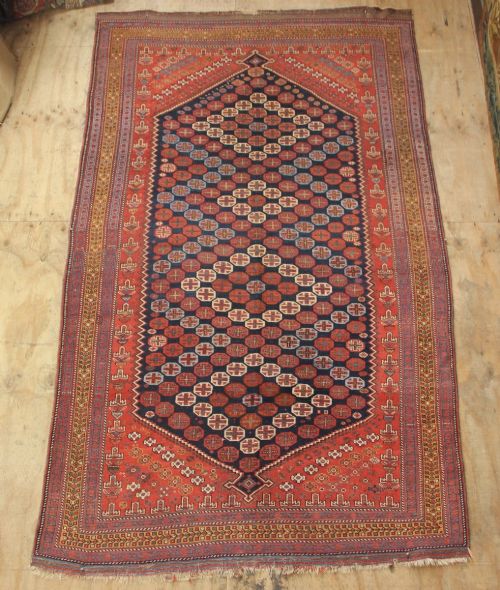
An afshar floor rug originates from South Persia, frequently associated with the Neiriz region in Kerman Province and classified broadly under Persian tribal styles. These floor coverings appear in formats ranging from smaller area rugs to larger carpets spanning the late nineteenth century into the mid-twentieth century.
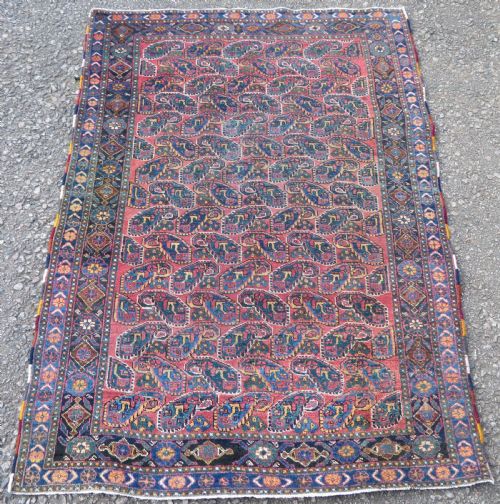
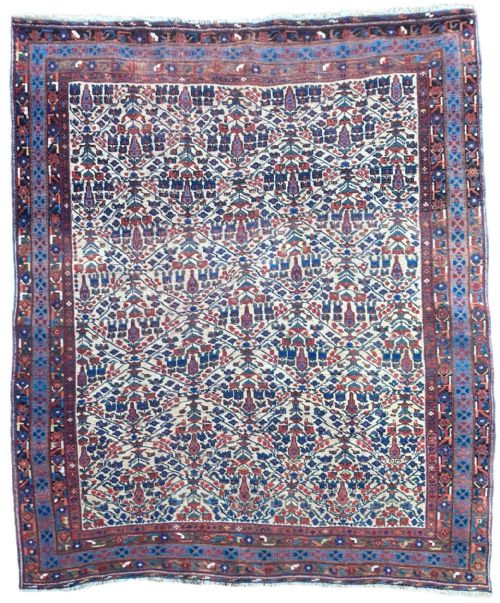
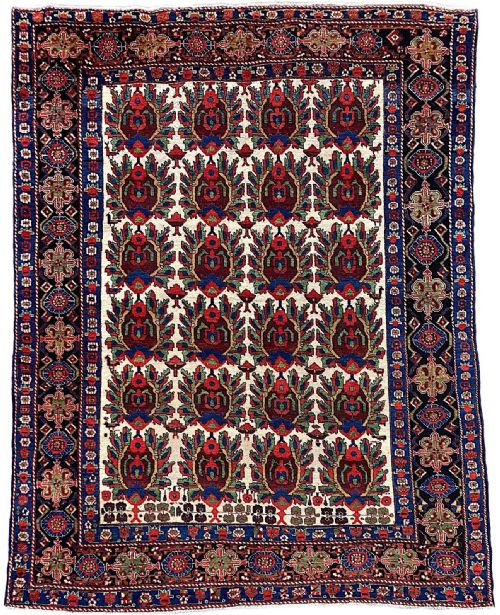
The most common examples encountered on this page date from the nineteenth century, specifically the eighteen-eighties and eighteen-nineties, alongside vintage pieces from the early twentieth century. Buyers encounter distinctive tribal motifs, including boteh patterns, dragon and phoenix designs on ivory grounds, and repeating herati patterns.
Regional variations connect specific pieces to the traditional workshops and nomadic groups of Southern Persia. Their distinctive formats serve well as defined focal points within interior spaces.
Materials and construction
The construction of an afshar floor rug relies upon natural materials recorded in the evidence as wool and cotton. Wool typically forms the pile and foundation elements, providing resilience and texture, while cotton frequently appears within the structural foundation and warps.
Weavers utilised traditional South Persian tribal techniques to produce durable carpets with dense pile formations. The combination of wool and cotton supports both intricate geometric design execution and long-term floor use.
Afshar Floor Rug Retail Price Guide 2026
Typical asking prices for afshar floor rug among the pieces listed under this phrase on Sellingantiques today, from the lower quarter to the upper quarter. They describe what is for sale here now, not the wider market.
The listings show pieces dated from the nineteenth century through the mid-twentieth century, predominantly utilising wool and cotton materials.
Evaluating quality and condition
Quality within these tribal rugs relates to the fineness of the weave and the clarity of design execution. Pieces described as fine carpets demonstrate greater density in execution compared to standard rustic variants.
Condition varies across the selection, with some examples exhibiting distress from age and use while others maintain greater pile integrity. The precision of traditional motifs such as the herati or boteh pattern distinguishes finer examples.
The Afshar Floor Rug Glossary
- Afshar
- A designation for rugs produced by the Afshar tribal group originating in Southern Persia, known for distinct geometric and regional designs.
- Neiriz Region
- A specific geographic locality within Kerman Province associated with the production of distinct South Persian tribal rugs.
- Boteh
- A traditional teardrop or floral motif frequently utilised within the design structure of antique Persian rugs.
- Herati
- A repeating floral and lattice pattern commonly found across the field of traditional Persian carpets.
- Pile
- The upright surface yarn of a rug formed by knotted wool fibres above the cotton foundation.
Afshar Floor Rug: Frequently Asked Questions
Where were afshar floor rugs made?
These rugs were produced in South Persia, with specific pieces originating from the Neiriz region in Kerman Province. Tribal weavers created them across various nineteenth and twentieth-century periods.
The regional traditions of Southern Persia heavily influenced their distinctive aesthetic and structural characteristics.
What materials make up these rugs?
The listings record wool and cotton as the primary materials used in these traditional floor coverings. Wool typically comprises the soft pile, while cotton provides structural support.
This combination ensured both durability for everyday use and flexibility for detailed geometric pattern work.
How do I date an antique afshar rug?
Dating relies on stylistic indicators, structural wear, and period attributions recorded in the evidence ranging from the nineteenth century to nineteen-forty. Nineteenth-century examples often feature specific regional motifs like the herati or boteh design.
Examining the weave density and material state helps distinguish older pieces from later vintage productions.
Are these rugs suitable for floor use?
These pieces function primarily as floor rugs and area carpets, designed to withstand standard foot traffic in domestic interiors. Their durable wool construction supports practical placement in living spaces.
Distressed examples require careful placement to preserve their existing condition over time.