

Traditional Persia Rug
A traditional persia rug brings centuries of woven heritage into a room, offering rich geometric and floral motifs hand-knotted by village weavers and tribal groups.
Traditional Persia Rug
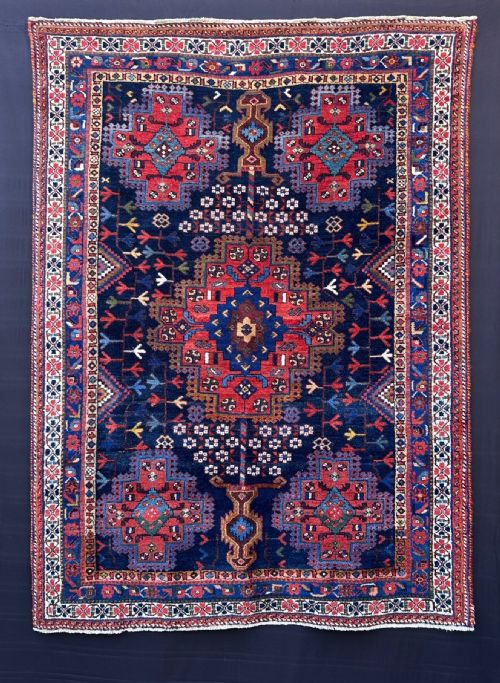
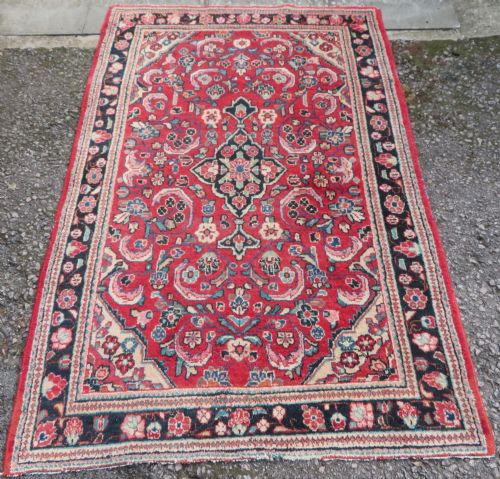
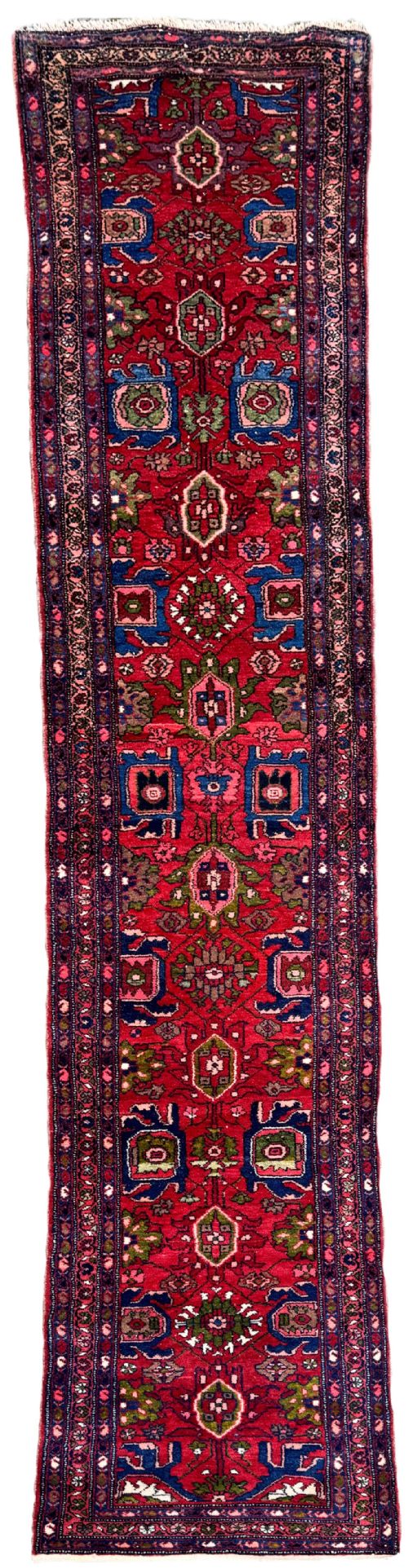
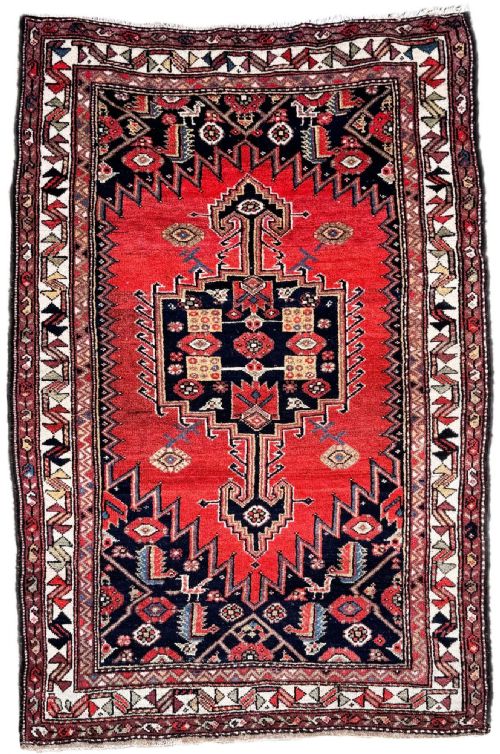
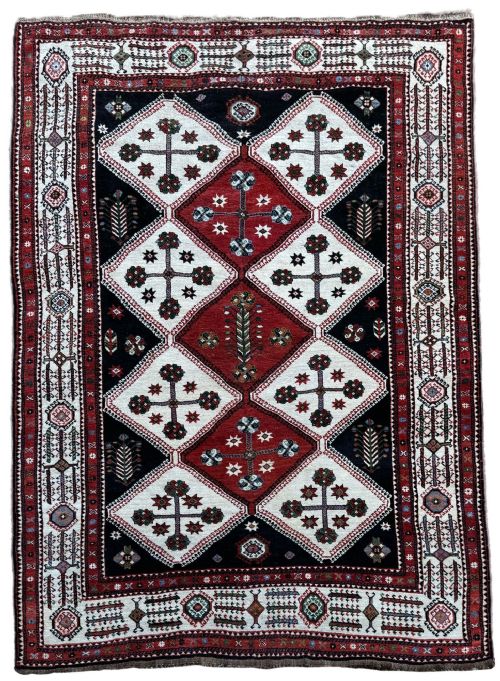
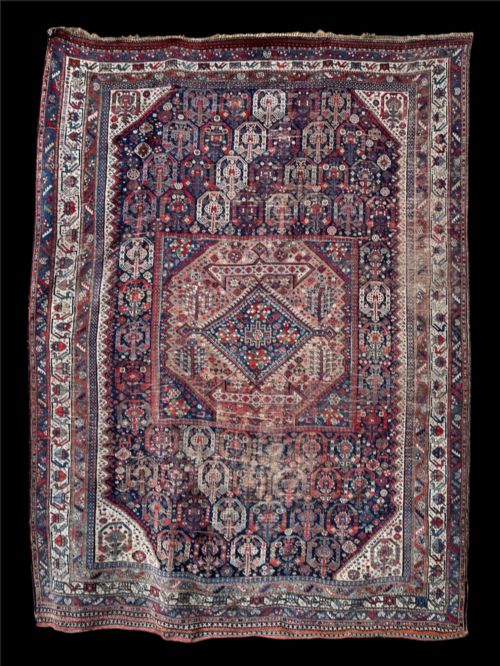
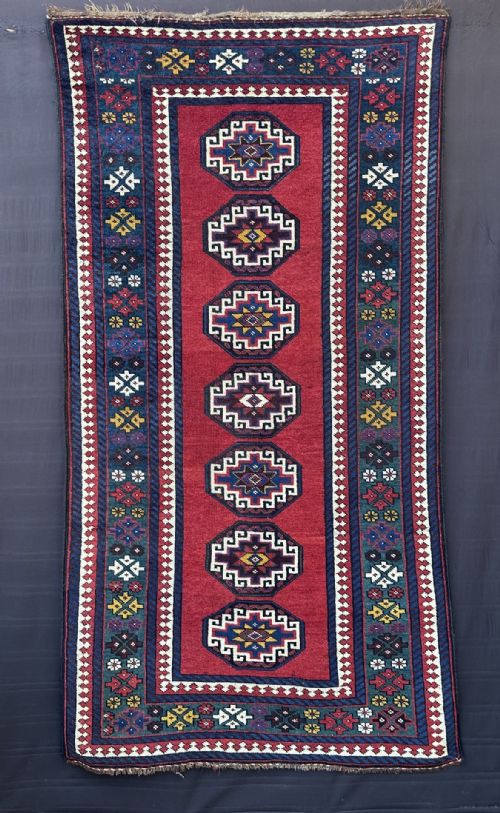
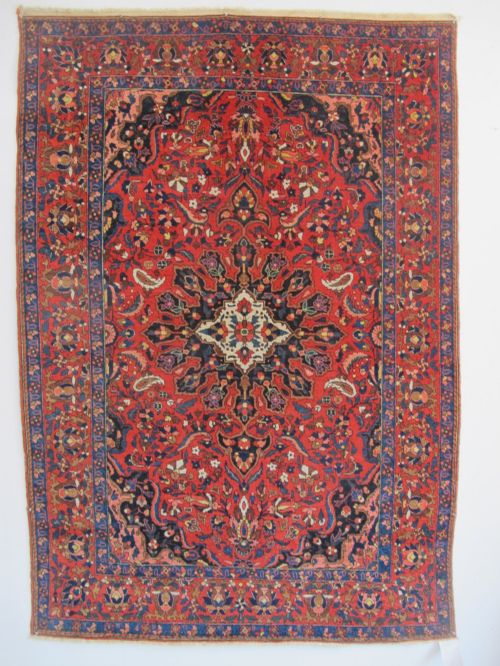
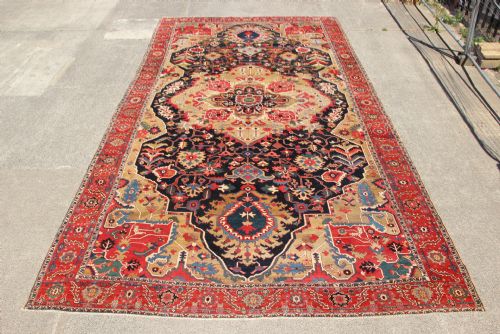
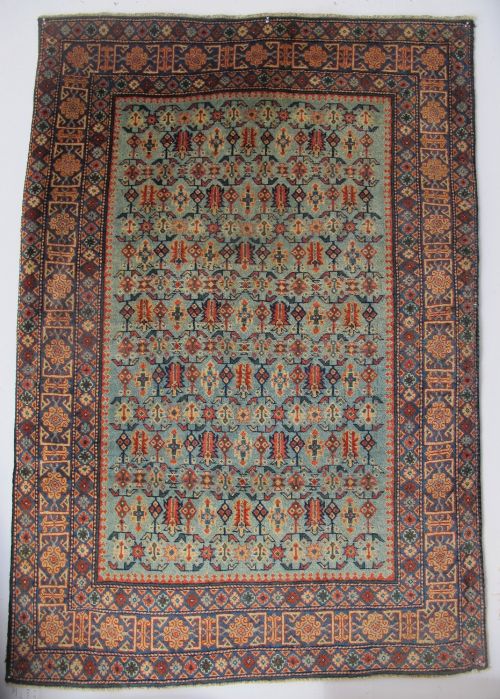
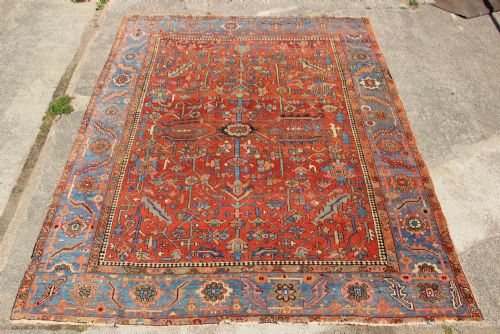
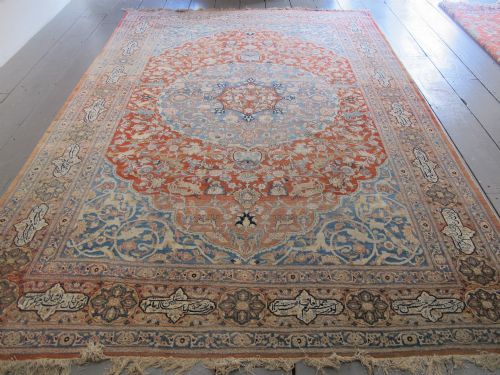
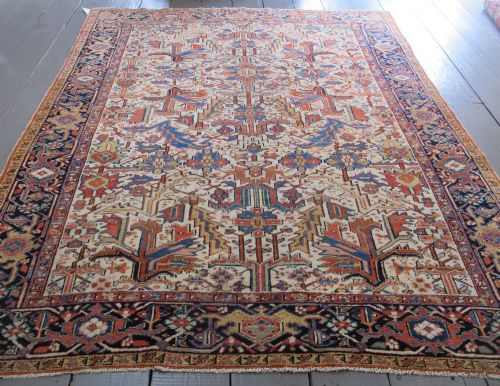
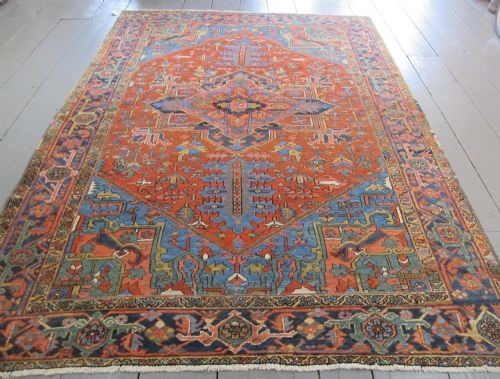
A traditional persia rug encompasses heavy village carpets, fine city pieces and nomadic tribal floor coverings woven across regions such as Heriz, Tabriz, Hamadan and Shiraz. These textiles range from compact area sizes to grand dining room carpets and long hallway runners.
Buyers frequently encounter pieces originating from the late nineteenth century up through the nineteen-thirties, reflecting diverse regional aesthetics from robust geometric room-size carpets to finely detailed floral room centrepieces.
How they were made
Traditional weavers constructed these rugs using wool, cotton and silk, foundation threads of cotton or wool supporting dense hand-knotted piles. Natural dyes provided enduring colour palettes derived from local plants and minerals.
The density of the knotting and the preparation of the yarn dictated the structural integrity of each carpet, with village workshops and nomadic camps employing distinct looping and packing techniques on vertical or horizontal looms.
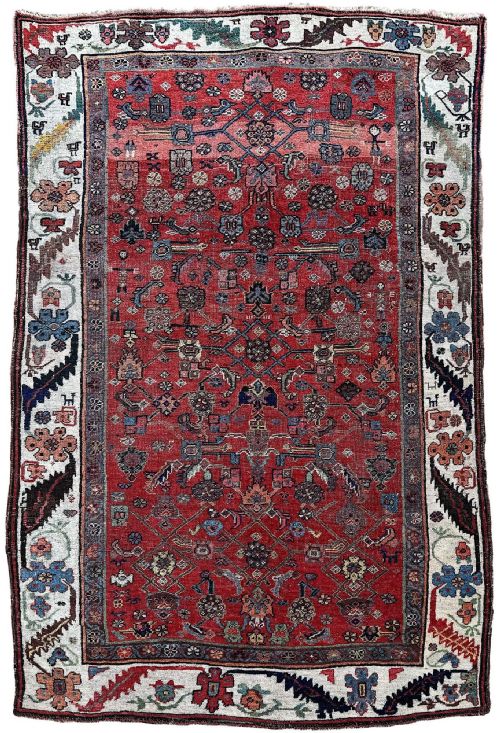
Some tribal weavers included tiny human and animal figures hidden among grand geometric medallions.
What varies in quality
Quality in these woven works depends upon the precision of the knot count, the fineness of the spun yarn and the clarity of the design execution across the field. Superior examples demonstrate skilled dye mastery and balanced symmetry in their tribal or regional medallions.
The handling of wool quality and structural tension during weaving separates standard village production from exceptionally fine city workshop carpets or tightly woven confederacy pieces.
Haji Jalili·Benlian·Ahmadi·Ziegler
The Traditional Persia Rug Glossary
- Pile
- The vertical tufts of wool, cotton or silk that form the usable surface of the rug. It provides the tactile depth and shelters the foundational weave beneath.
- Warp
- The stationary lengthwise threads stretched tightly on the loom before knotting begins. These form the skeletal foundation visible at the fringed ends of the carpet.
- Weft
- The horizontal strands passed across the warp threads between rows of knots to bind the structure firmly together. Multiple weft shots are common in heavier village carpets.
- Medallion
- The central ornamental motif dominating the field of many regional rugs. It serves as the primary focal point of the compositional geometry.
- Sofreh
- A specialised flatwoven or piled cloth utilised traditionally for dining or food preparation. These items carry distinct tribal iconography and regional utility.
Traditional Persia Rug: Frequently Asked Questions
How do I identify a regional style?
Regional attribution relies on observing distinct palette choices, border arrangements and structural motifs. Village pieces often display bolder geometric interpretations compared to refined city work.
Examining the weave density and foundation materials further clarifies whether a carpet emerged from western weaving hubs or southern nomadic confederacies.
Where were these rugs used?
These textiles served practical flooring purposes within country houses, formal reception rooms and nomadic tents alike. Larger formats anchored main living spaces while runners traversed corridors.
Specialised pieces like sofreh cloths fulfilled specific domestic dining functions within tribal communities before entering the collector market.
How do I care for an antique rug?
Gentle vacuuming without a rotating power head protects the wool pile from unnecessary fibre loss. Regular rotation ensures even exposure to foot traffic and ambient light.
Professional cleaning by specialists familiar with historic textiles preserves the natural lanolin in the wool and prevents dye bleeding.
What indicates nineteenth century origin?
Earlier pieces typically exhibit softer, vegetable-dyed wool patination and organic irregularities in the field symmetry. Hand-spun yarn variations reveal the limitations and artistry of period production.
Structural indicators such as depressed warps and natural wear patterns help distinguish nineteenth century carpets from later twentieth century output.