



African Art Sculpture
An african art sculpture brings centuries of ritual purpose and carved mastery directly into a modern interior.
African Art Sculpture
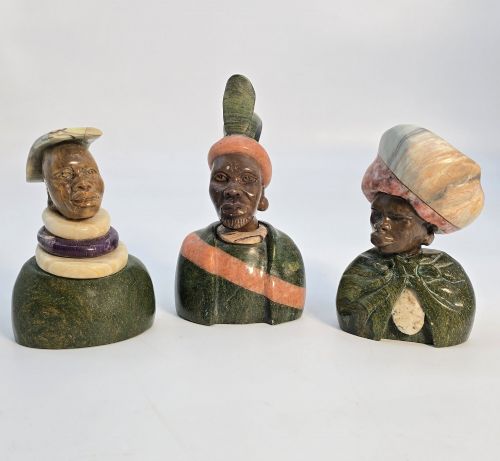
When you search for an african art sculpture, you encounter a diverse range of objects originating from specific communities and kingdoms across the continent. These pieces span ritual figures, ceremonial masks, carved panels, and heavy bronze figures created for distinct cultural functions.
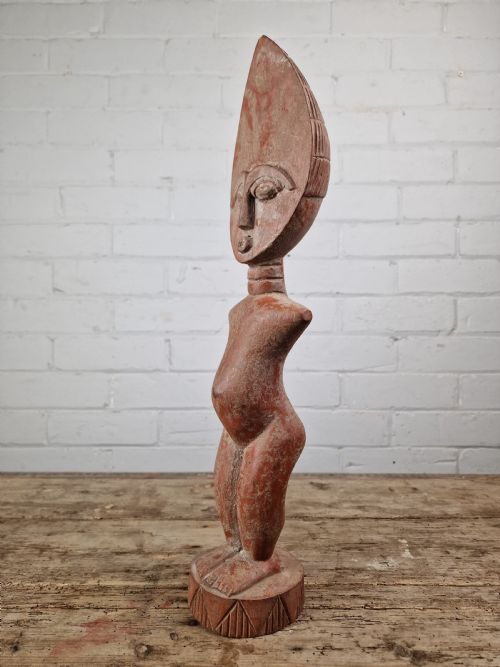
The selections available here lean heavily toward works dated across the nineteenth and early twentieth centuries. You will find figurative carvings from the Yoruba, Ashanti, and Fang peoples alongside bronze castings from Benin workshops.
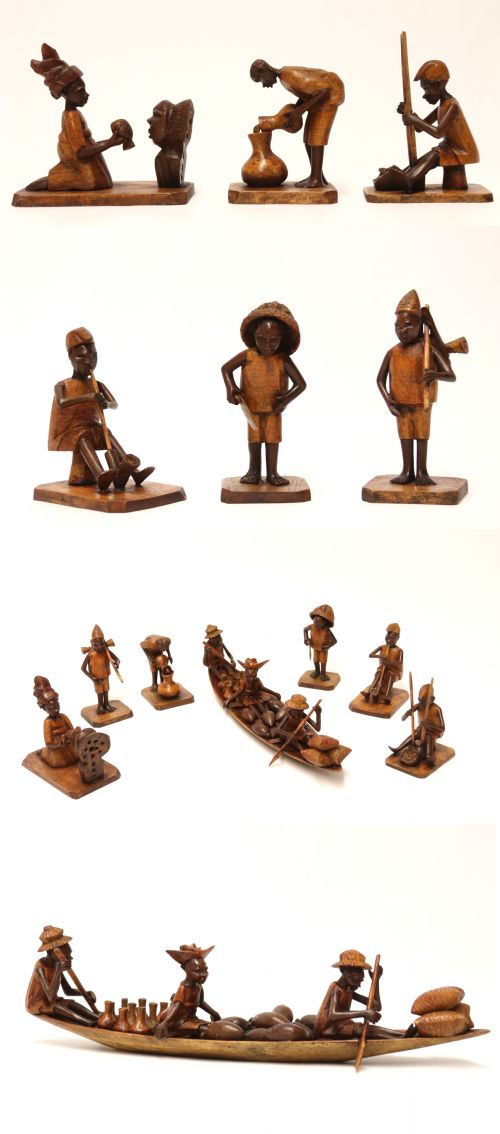
Forms range from intimate portrait busts and fertility figures to monumental warrior statues and ceremonial headdresses. Each piece reflects the specific aesthetic traditions and social roles of its region of origin.
Materials and methods
Carvers utilised native hardwoods and dense local timber, shaping forms with adzes and blades to leave characteristic tool marks across the surface. Many wooden pieces retain traces of original pigments, fibre attachments, or a dark accumulated patina gained through handling and ritual use.
Metalworkers employed the lost-wax casting technique to produce bronze figures, staffs, and plaques with intricate surface detail. Additional materials such as bone, ivory, and brass appear in specialised items like ceremonial axes, pipes, and prestige masks.
Listings feature wood, bronze, pigment, and brass across nineteenth- and twentieth-century objects.
Judging quality and presence
Quality rests upon the confidence of the carving and the fidelity of the casting, where bold proportions and expressive restraint elevate a piece above routine output. The vitality of the form and the integrity of the surface matter far more than mere scale.
A deep, genuine patina developed through decades of local use contributes significantly to the visual weight of a sculpture. Condition matters, but minor ritual wear or age splits often validate the history of a working ceremonial object.
Master carver Abegunde of Ede
The African Art Sculpture Glossary
- Patina
- The surface sheen and coloration developed through handling, exposure to smoke, and ritual applications over many years. It serves as a primary indicator of age and authentic use.
- Lost-wax casting
- A metalworking method where a wax model is rendered in molten bronze or brass via a clay mould. This technique produced the detailed warrior statues and royal heads found in West African collections.
- Reliquary guardian
- A carved wooden figure or head placed upon a container holding ancestral remains. These pieces protected the sacred contents while asserting lineage authority.
- Tribal mask
- A carved wooden or mixed-media face covering worn during ceremonial dances and rituals. They embody spiritual forces and ancestral spirits within community festivals.
African Art Sculpture: Frequently Asked Questions
How do I identify different tribal styles?
Study the facial geometries, proportions, and surface treatments characteristic of specific regions such as Gabon, the Ivory Coast, or Nigeria. Distinct forms distinguish works made by the Yoruba, Fang, or Baule peoples.
Compare specific structural details like eye shapes, scarification marks, and headdress designs against documented regional corpuses to confirm provenance.
Are these sculptures suitable for daily display?
These carved wooden and bronze objects fit easily into domestic interiors when placed away from direct heat sources and strong sunlight. Stable indoor humidity protects old timber and sensitive pigments.
Mount bronze statues securely on sturdy surfaces, and use custom display stands to support heavier wooden figures safely.
What indicates age in these carvings?
Authentic age reveals itself through dry, oxidised wood surfaces, deep patination in recessed areas, and indigenous repairs made during the working life of the object. Tool marks should match traditional hand-working methods rather than modern machinery.
Examine the base and interior cavities for handling wear that aligns with traditional ritual use rather than decorative production.
How were ritual figures used originally?
Many figures served protective, ancestral, or fertility functions within community shrines, households, or royal courts. They acted as physical conduits for spiritual forces during seasonal ceremonies.
Masks and headdresses were worn during dances to enact social order, celebrate harvests, or mark rites of passage.