




Vintage African Carving
Vintage african carving gathers wooden figures, masks and functional objects shaped by hands across the continent during the nineteenth and twentieth centuries.
Vintage African Carving
When you search for vintage african carving, you encounter a diverse range of objects spanning ritual items, functional furniture and expressive sculptures. The selection includes masks from the Ivory Coast, hardwood figures from Nigeria and everyday items such as stools, headrests and spoons shaped from dense timber.
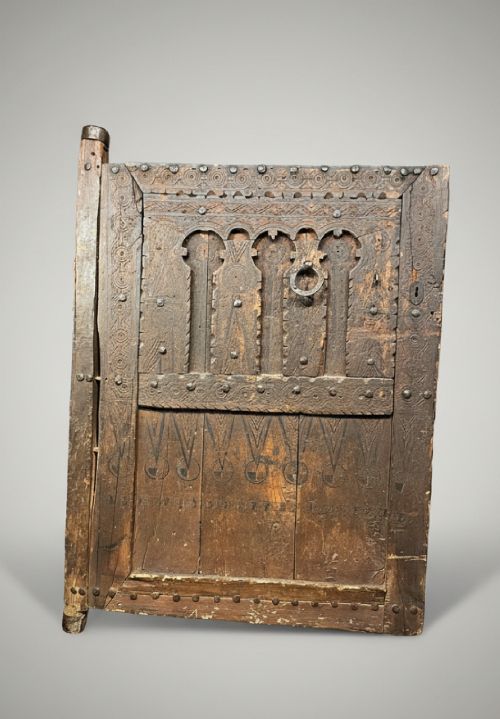
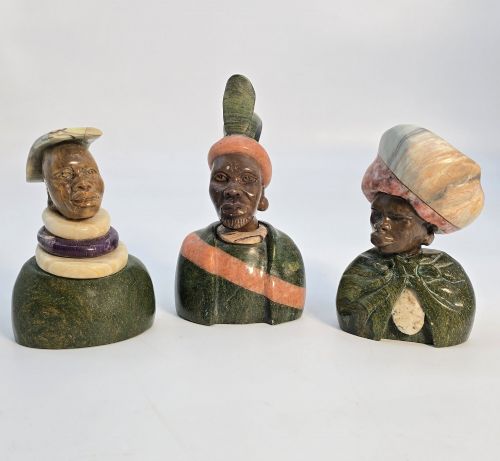
Most pieces date from the late nineteenth century through to the interwar period of the twentieth century. Common forms encompass portrait busts, fertility figures, carved doors and animal studies created by various regional makers and groups.
Materials and Technique
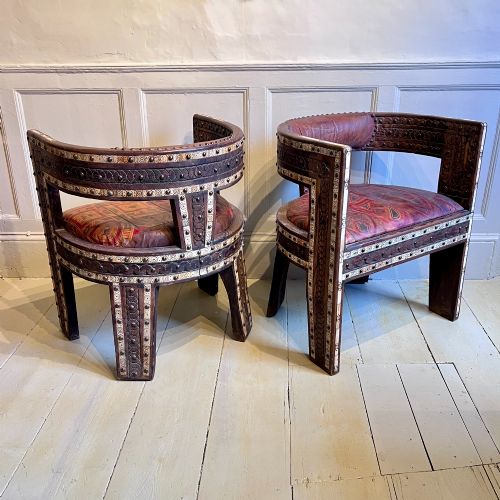
Artisans primarily utilised native hardwoods, fruitwood and timber from tree trunks, shaping the material with hand tools to produce textured surfaces. Many items incorporate secondary elements such as bone, brass studs, leather and applied pigment to enhance details.
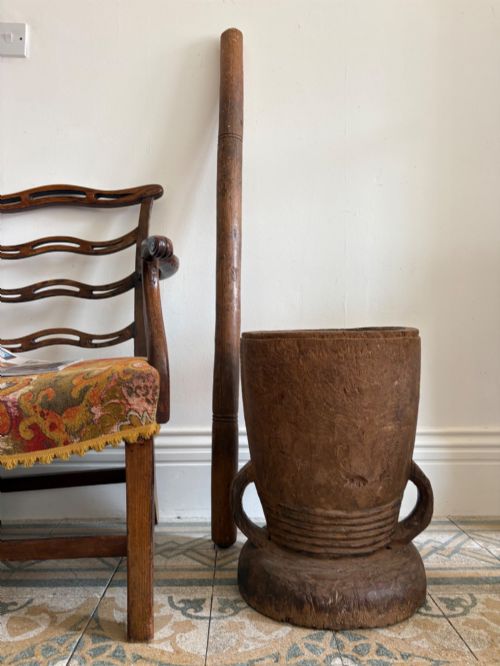
Techniques range from intricate chisel work on ceremonial combs and spoons to the robust construction of mortars, tables and seating using traditional joinery. Surviving traces of pigment and natural wear reveal the direct handling of each piece over decades of use.
Materials span hardwood, bone, brass and applied pigment across pieces dated from the nineteenth century to the 1940s.
Judging Quality
Quality rests upon the depth of expression, the crispness of the hand carving and the integrity of the natural material. Pieces that retain their original surface patination and authentic tribal use markings command greater appreciation.
Proportion and balance distinguish finer sculptural works, whether in a detailed mask from the Baule or Gouro traditions or a figural group from Nigeria. The relationship between the natural grain of the hardwood and the carved form dictates the visual strength of the object.
The Vintage African Carving Glossary
- Patina
- The surface sheen and colour developed through handling, age and exposure to elements over time. A rich patina indicates prolonged use rather than factory finishing.
- Hardwood
- Dense timber derived from broad-leaved trees, frequently utilised for durability in African sculpture and furniture. Common examples include teak and fruitwood.
- Pigment
- Coloured powder or mineral substance applied to the surface of masks and sculptures for ceremonial or decorative effect. Traces often remain in recessed areas.
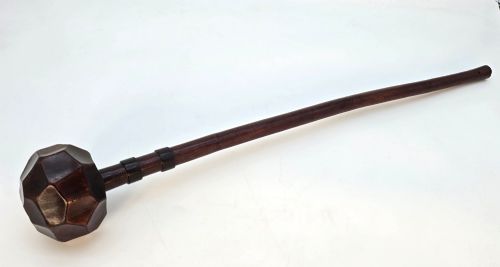
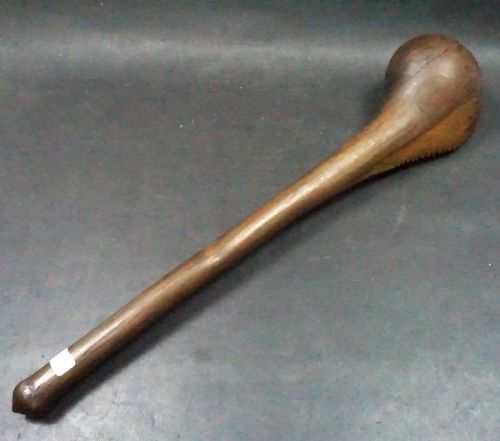
- Knobkerrie
- A traditional southern African club featuring a heavy wooden shaft ending in a rounded head. These objects served utilitarian, defensive and ceremonial roles.
- Ibeji
- A wooden twin figure carved by the Yoruba people to honour a deceased twin. These sculptures often display beads, cowrie shells and polished surfaces.
Vintage African Carving: Frequently Asked Questions
Are these objects purely decorative?
Many items began as functional or spiritual objects, including ceremonial spoons, marriage figures, fertility statues and household mortars. Over time, their roles shifted as they entered domestic interiors outside their original context.
Collectors appreciate them both for their historical cultural function and their sculptural presence in modern spaces.
How should I care for carved wood?
Keep wooden sculptures and furniture away from direct sunlight and fluctuating heat sources to prevent the timber from splitting. Dust gently with a dry, soft cloth without applying modern chemical polishes.
Preserving the dry surface texture maintains the historical integrity and natural patina of the hardwood.
What woods were commonly used?
Artisans selected dense indigenous hardwoods, fruitwood and occasionally teak, depending on local availability and the intended function of the object. These durable timbers supported intricate chisel work and sustained heavy use.
The weight and grain pattern of the wood often provide clues to the specific region of manufacture.