




Afghan Tribal Textiles
Afghan tribal textiles are woven and embroidered nomadic works offering rich cultural history and texture for interior spaces.
Afghan Tribal Textiles
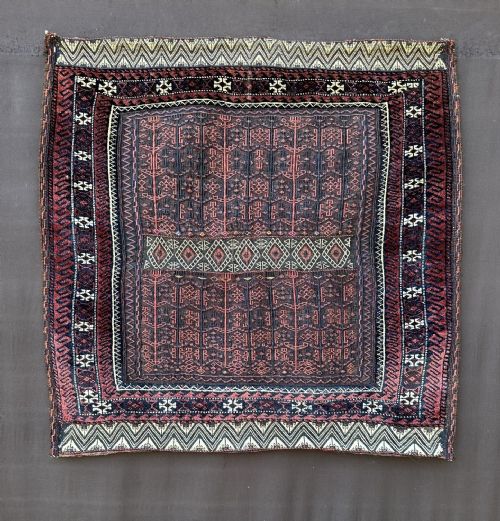
Afghan tribal textiles encompass a range of utilitarian and ceremonial items produced by nomadic and borderland groups, including storage bags, sofreh dining cloths, horse blankets, and tent trappings. These pieces originate from distinct tribal groups such as the Baluch, Timuri, Firozkohi, and Ersari, spanning the late nineteenth and early twentieth centuries.
Buyers are most likely to encounter practical domestic forms like flatweave sofreh cloths, grain bags, and wall hangings. These items reflect the traditional nomadic lifestyle of regions crossing Afghanistan and neighbouring Persia.
How they were made
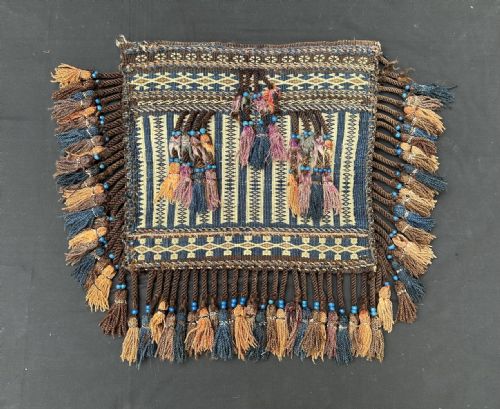
Maker communities relied primarily on hand-spun wool and cotton, occasionally incorporating goat hair for durability and glass beads for ornamentation. Natural dyes provided the foundational palette for these woven and embroidered works.
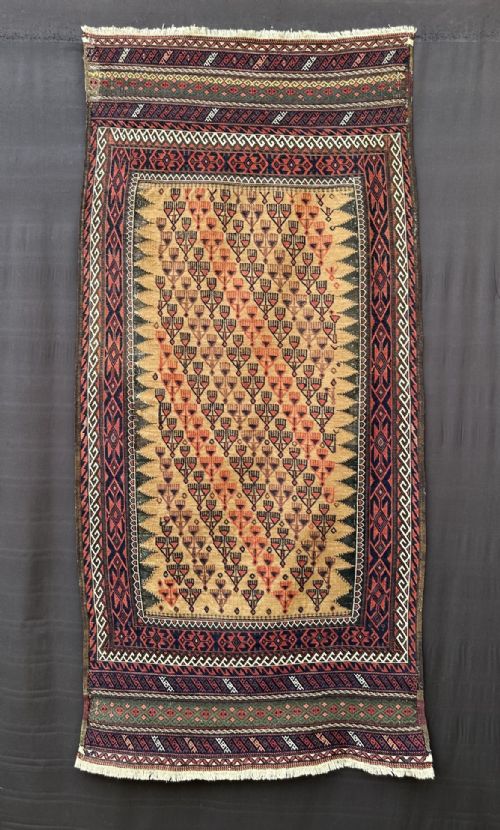
Techniques varied by object type, combining pile weaving, flatweaving, and detailed embroidery across items such as salt bags, horse trappings, and door hangings.
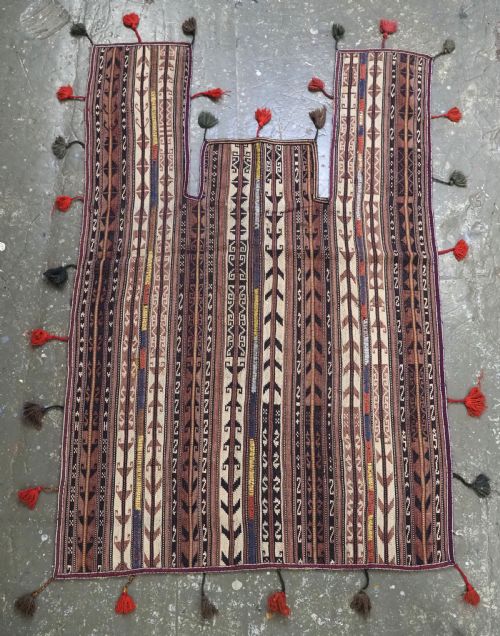
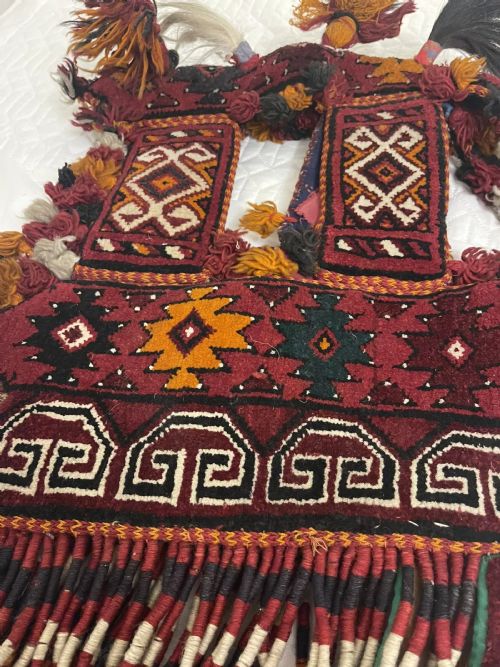
Camels and horses shared in the wedding festivities, outfitted in elaborate matching neck dress garments.
What varies in quality
Quality rests upon the fineness of the weave, the clarity of the natural dye palette, and the intricacy of the tribal motifs. Pieces demonstrating superior structural integrity and well-preserved surface detail command greater attention.
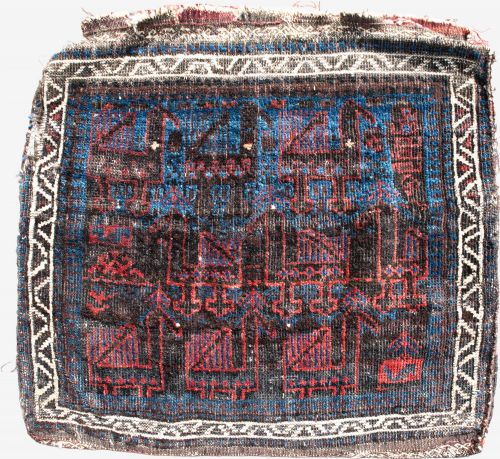
The complexity of regional designs, such as specific bird motifs on Baluch bags or the precision of Ersari kapunuk portieres, distinguishes standard utilitarian output from exceptional tribal examples.
The Afghan Tribal Textiles Glossary
- Sofreh
- A spread or cloth used for dining or handling bread within nomadic households. These flatwoven textiles often feature geometric symbols unique to the weaving tribe.
- Kapunuk
- A tent hanging or portiere placed around the entrance of a yurt or dwelling. These architectural textiles served decorative and ceremonial purposes.
- Chuval
- A large storage bag utilised by Central Asian nomads for domestic belongings and bedding. They are traditionally face-woven in pile technique with plain wool backs.
- Balisht
- A small storage or grain bag produced by Baluch and related tribes. They often combine pile fronts with flatweave backs for daily utility.
- Flatweave
- A textile constructed without pile by interlacing warp and weft threads together. Examples include kilims and various utilitarian covers.
Afghan Tribal Textiles: Frequently Asked Questions
How were sofreh cloths used?
Sofreh cloths served as clean surfaces placed on the ground for eating meals or kneading bread within nomadic tents.
Families gathered around these textiles daily, making them essential household items that combined practical utility with tribal artistry.
What is a horse blanket used for?
Ceremonial horse blankets and trappings were created to adorn animals during weddings, festivals, and significant tribal processions.
These pieces display elaborate textile work intended to showcase the status and craftsmanship of the family.
How do I care for these textiles?
Protect these historic wool and cotton pieces from direct sunlight to prevent natural dye fading. Gentle vacuuming through a mesh screen helps remove dust without disturbing the weave.
Avoid hanging heavy textiles by single points to prevent stretching the fabric over time.
How are different tribes identified?
Tribal attribution relies on specific weaving structures, wool characteristics, and regional design vocabularies passed down through generations. Baluch, Timuri, and Ersari weavers each utilised distinct motifs and colour combinations.
Comparing structural details helps connect a textile to its specific borderland region of origin.