


Afghan Tribal Flatweave
These resilient afghan tribal flatweave textiles bring tactile warmth and geometric pattern into contemporary interiors, shaped by nomadic makers across varied landscapes.
Afghan Tribal Flatweave
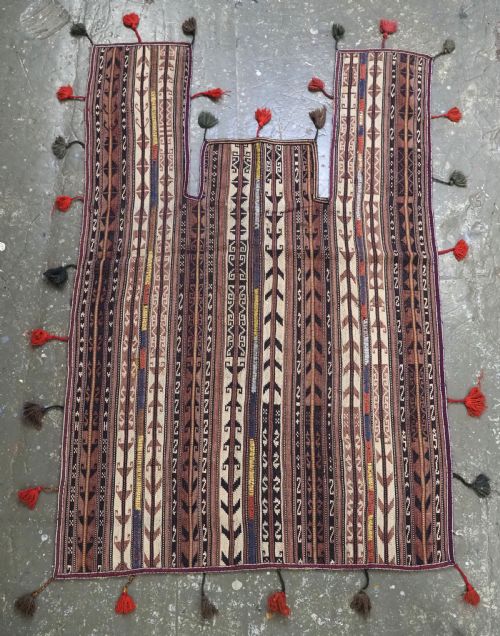
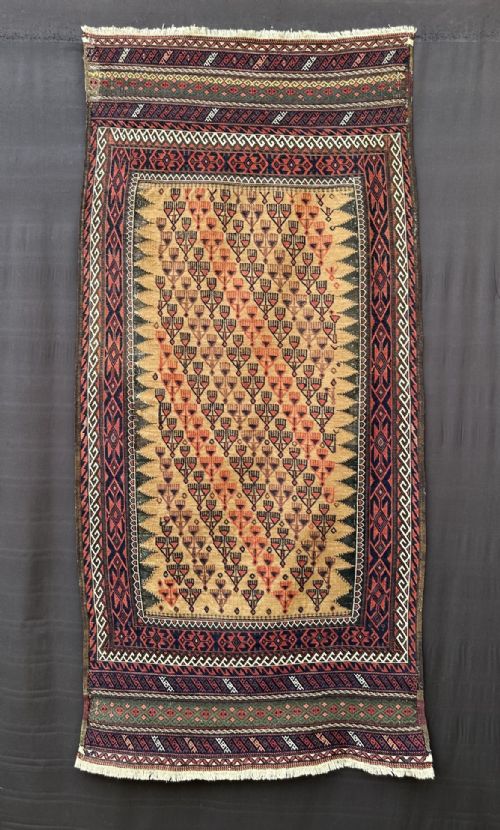
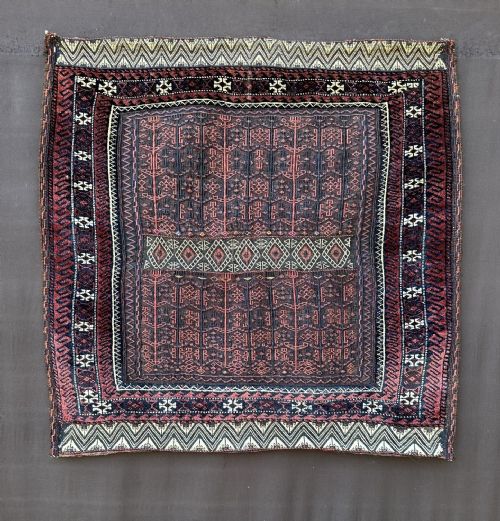
When you search for an afghan tribal flatweave, you encounter utilitarian textiles created by nomadic and semi-nomadic groups across regions of Afghanistan and its borderlands. These objects encompass functional items such as bread sofreh, dining cloths, horse blankets, salt bags, prayer rugs, and kilim carpets.
The pieces appearing here span from the late nineteenth century through to the early decades of the twentieth century. You regularly meet flatweaves attributed to specific groups including the Timuri, Baluch, Taimani, Firozkohi, and Char Aimaq tribes.
Many examples are woven in two distinct parts and joined together to create larger formats suitable for domestic use. Their formats range from compact bags and covers to room-sized kilims and carpets.
Materials and construction
The makers utilised hand-spun wool, cotton, camel wool, and goat hair, combining these animal and plant fibres to achieve durability and varied surface textures. Natural dyes provide the characteristic palette across these nomadic works.
Construction methods rely on flatweaving techniques, sometimes incorporating embroidered details or mixed techniques such as bands of weftwork decoration. Certain textiles employ structural innovations like joining two separate panels to form a cohesive whole.
Listings demonstrate pieces dated across decades from the 1880s to the 1930s, utilising hand-spun wool, camel wool, and natural dyes.
Markers of quality
Quality in an afghan tribal flatweave rests on the tightness of the weave and the fineness of the hand-spun materials employed. Tightly compacted structures and well-executed joinery in two-part textiles demonstrate superior technical competence by the weaver.
The handling of natural dyes and the precision of geometric motifs further distinguish exceptional pieces. Integrity of structure across utilitarian items like salt bags and sofreh indicates the original standard of utility and craft.
The Afghan Tribal Flatweave Glossary
- Sofreh
- A spread or cloth used for dining or for resting food preparation items upon. These woven items often feature distinctive tribal iconography.
- Kilim
- A tapestry-woven carpet or flatweave produced without a pile. They rely on tightly packed horizontal weft threads passing over vertical warp threads to form patterns.
- Baluch
- A grouping of nomadic and semi-nomadic tribes associated with regions of Afghanistan and Persia. Their textiles frequently display geometric patterns and rich wool construction.
- Timuri
- A tribal group inhabiting the borderlands of Persia and Afghanistan. Their woven works include distinctive flatweaves, bread cloths, and covers.
Afghan Tribal Flatweave: Frequently Asked Questions
What is a sofreh?
A sofreh is a flatwoven textile traditionally utilised as a cloth for dining or for placing bread upon during meals. These items served practical daily functions within nomadic households.
Over time, they have become recognised for their geometric designs and varied tribal attributions from regions including north-east Persia and western Afghanistan.
How are two-part kilims made?
Two-part kilims are produced by weaving two separate long strips of flatweave on narrow nomadic looms. These individual panels are subsequently joined down the centre to form a wider rug or carpet.
This technique allowed nomadic weavers to create larger domestic furnishings despite the spatial limitations of portable looms.
What materials do weavers use?
Nomadic weavers relied primarily on hand-spun wool, cotton, camel wool, and goat hair for strength and varied texture. These natural fibres were dyed using traditional natural dye sources.
The combination of these materials contributed to the durability required for utilitarian objects like salt bags and horse blankets.
Where do these flatweaves originate?
These textiles originate from Afghanistan and adjacent borderlands shared with Persia. Specific pieces are linked to regional groups such as the Timuri, Taimani, Firozkohi, and Baluch tribes.
Geographic origins often manifest through distinct structural choices, colour palettes, and patterning traditions specific to each community.