


Aesthetic Movement Seating
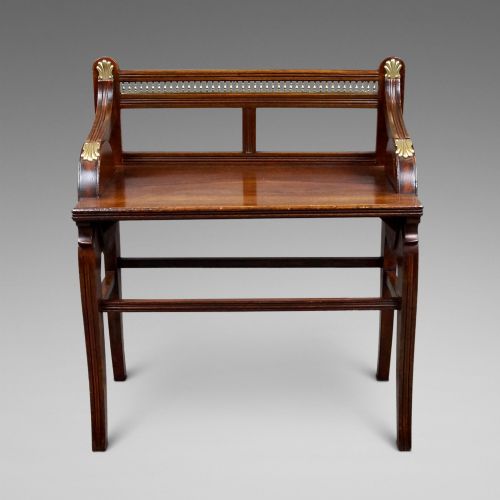
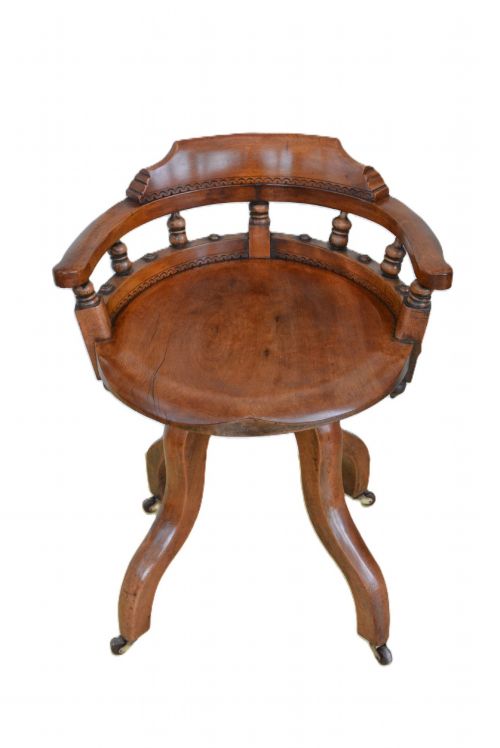
Aesthetic movement seating brings together inventive nineteenth-century forms in ebonised wood, bamboo and walnut, offering striking historic character for modern interiors.
Aesthetic Movement Seating
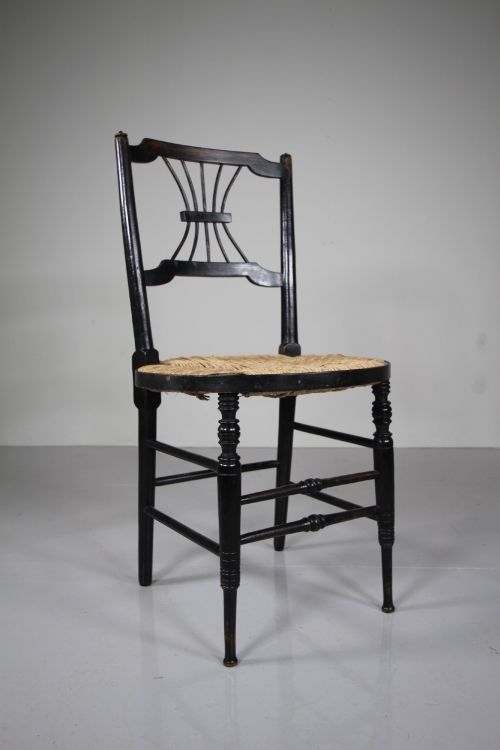
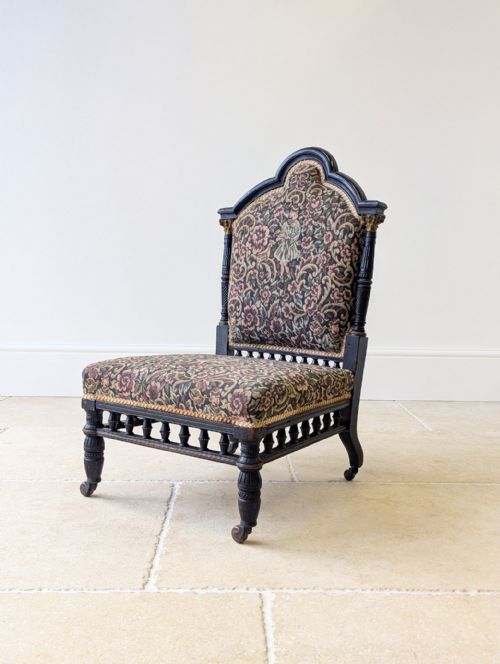
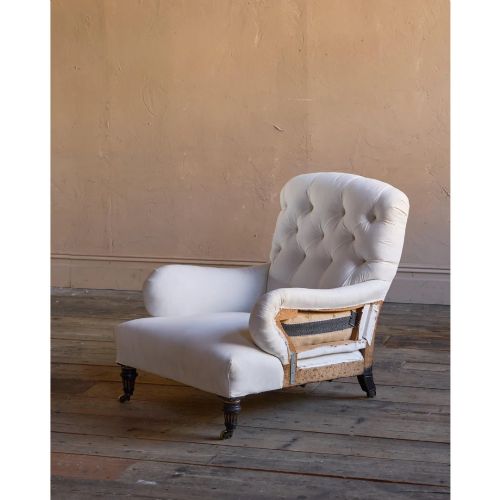
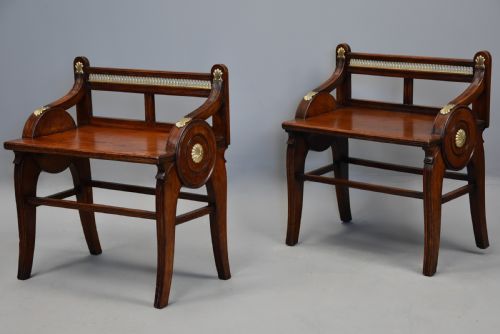
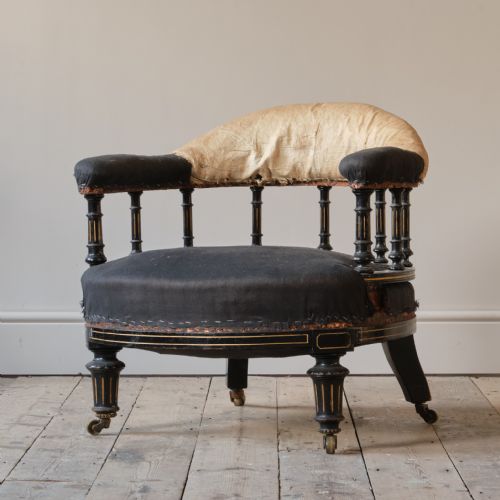
Aesthetic movement seating encompasses a diverse array of nineteenth-century forms designed to reject heavy Victorian convention in favour of lighter, artistically driven lines. Buyers searching for aesthetic movement seating encounter everything from simple rush-seated rush chairs and low salon chairs to substantial dining sets, armchairs, and hall benches. These pieces originate primarily from the Victorian era, spanning from the eighteen-seventies through to the turn of the twentieth century, reflecting a period of intense creative experimentation in British and French furniture design.
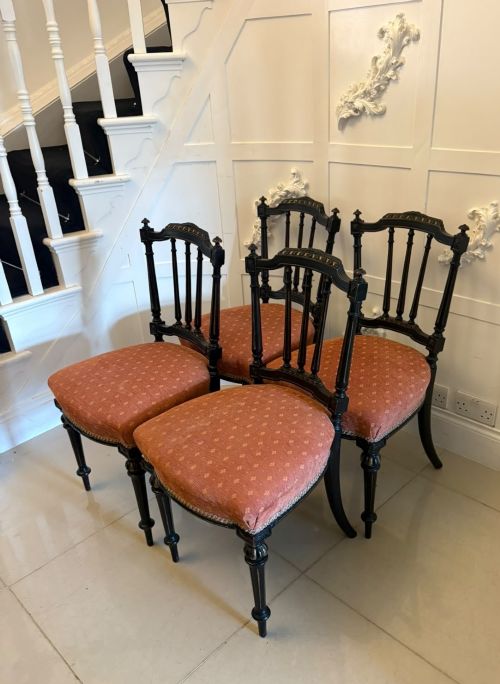
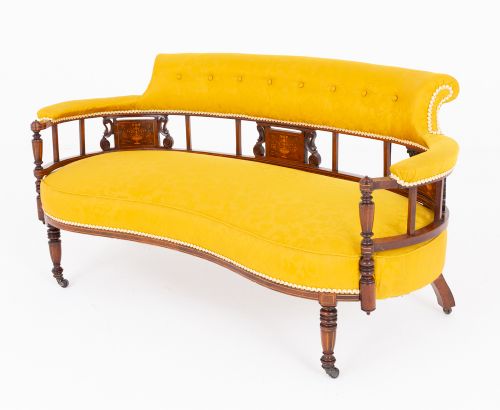
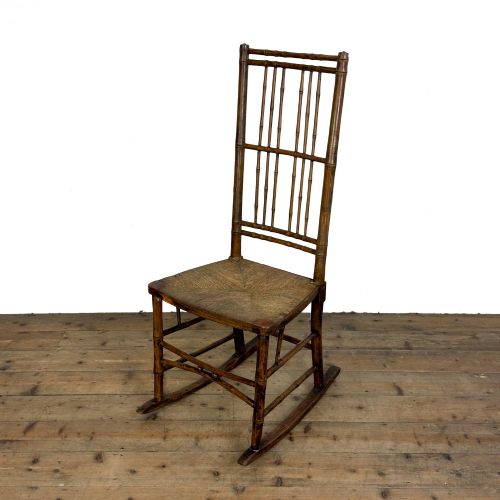
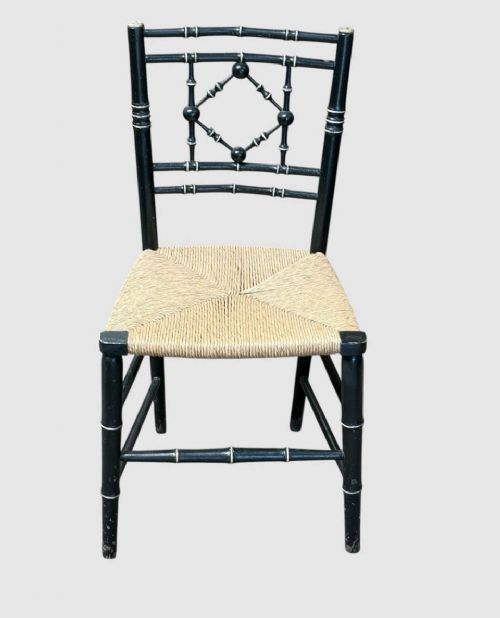
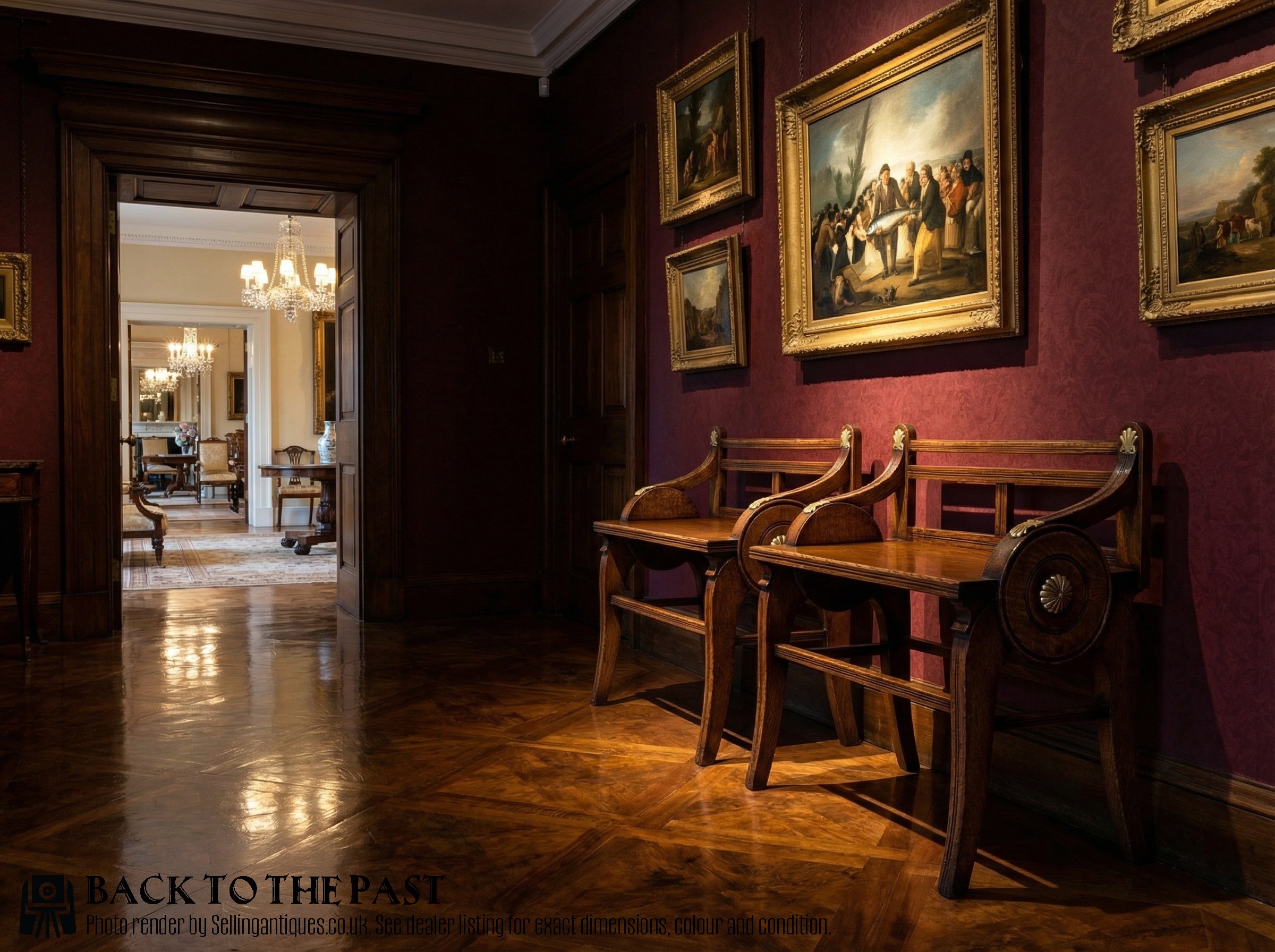
The versions most frequently met on this page are ebonised wood chairs adorned with subtle gilding, alongside practical rush-seated designs and bamboo frames. Dining chairs and hall chairs appear regularly, often executed in mahogany, oak, or walnut, while specialist seating such as nursing chairs, rocking chairs, and piano stools emerge from both notable workshops and vernacular production. This variety allows collectors to find both monumental settees and intimate child chairs that share the same distinctive design vocabulary.
Materials and Technique
Makers of aesthetic movement seating relied heavily on ebonised wood, often enhanced with gilt highlights or delicate incised carving to emulate Japanese lacquering techniques. Walnut, mahogany, and oak form the structural backbone for many armchairs and benches, while alternative materials such as woven rush, cane, and faux bamboo introduce textural contrast.
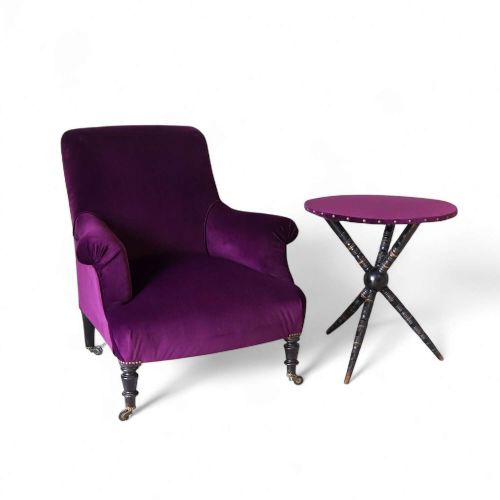
Upholstery fabrics play a defining role, utilising traditional materials like velvet and patterned textiles to complement the carved and turned wooden frameworks. Brass mounts and intricate turned spindles appear frequently, showcasing the joinery skills of nineteenth-century cabinet makers who balanced structural integrity with artistic expression.
Aesthetic Movement Seating Retail Price Guide 2026
Typical asking prices for aesthetic movement seating among the pieces listed under this phrase on Sellingantiques today, from the lower quarter to the upper quarter. They describe what is for sale here now, not the wider market.
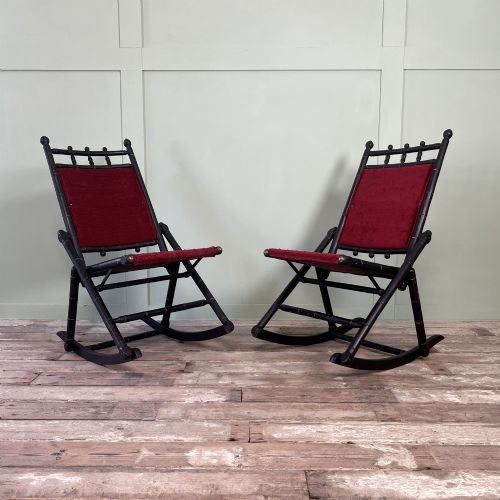
Several folding rocking chairs manage to look both rigorously intellectual and invitingly slacker-friendly all at once.
Standards of Execution
Quality in aesthetic movement seating rests on the crispness of the carving, the finesse of the ebonisation, and the structural integrity of the frame. Superior examples demonstrate thoughtful integration of decorative panels, precise gilding, and robust joinery that survives centuries of daily use.
Lower tiers of production often rely on simpler turning and heavier, unrefined timber without the artistic cohesion seen in pieces designed by leading architects and progressive firms. The distinction lies in the subtlety of proportion and the fidelity to the avant-garde design principles of the period.
James Shoolbred and Co·Liberty and Co·Bruce J Talbert·E W Godwin·Ford Madox Brown·Charles Bevan·Holland and Son·Maple and Co
The Aesthetic Movement Seating Glossary
- Ebonised Wood
- Timber treated with a dark stain or finish to imitate ebony. This technique was widely utilised by progressive nineteenth-century designers to create stark, dramatic silhouettes.
- Rush Seat
- A seating surface woven from dried marsh plants. It provides a tactile, rustic contrast to the polished and ebonised wooden frames typical of this aesthetic.
- Faux Bamboo
- Wood turned and painted to simulate natural bamboo canes. This detail reflects the period's intense fascination with Japanese and East Asian decorative arts.
- Mashrabiya
- An architectural element featuring intricate wooden lattice panels. It occasionally appears in inlaid corner chairs to create geometric shadow and light effects.
- Gilt
- A thin layer of gold or metallic leaf applied to carved details. It highlights structural lines and adds a subdued shimmer against dark ebonised surfaces.
Aesthetic Movement Seating: Frequently Asked Questions
How do I identify aesthetic movement seating?
Look for ebonised finishes, geometric turned spindles, and motifs inspired by Japanese art, nature, and the Arts and Crafts ethos. These pieces typically abandon heavy Victorian padding in favour of lighter, more architectural silhouettes.
You will often notice details like incised gilding, rush seats, and faux bamboo framing, which set these chairs and benches apart from conventional Victorian furniture.
Were these chairs used for daily dining?
Many dining chairs and sets from this period were designed for formal domestic use, combining artistic flair with sturdy oak or mahogany construction. They served households that wanted to display modern taste during meals.
While some lighter salon and nursing chairs were meant for occasional sitting in bedrooms or drawing rooms, dining chairs were built to withstand regular daily gatherings.
How should I care for ebonised wood?
Protect ebonised and gilt surfaces by keeping them away from direct sunlight and fluctuating humidity, which can cause timber to dry and finishes to fade. Dust gently with a soft, dry cloth rather than using harsh chemical polishes.
Maintaining a stable indoor climate preserves the delicate gilding and prevents the dark ebonised finish from developing dull patches over time.
Can I mix these chairs with modern interiors?
These sculptural forms blend remarkably well with contemporary decor because their clean lines and dark wood tones anchor minimalist or eclectic spaces. A single ebonised armchair or a pair of hall chairs adds historic depth without overwhelming a modern room.
Their restrained ornamentation and focus on natural materials make them versatile companions for both mid-century and contemporary furniture.