



Edwardian Entry Bench
An edwardian entry bench is a sturdy hallway seat designed for practical daily use, combining traditional craftsmanship with period character to anchor an interior space.
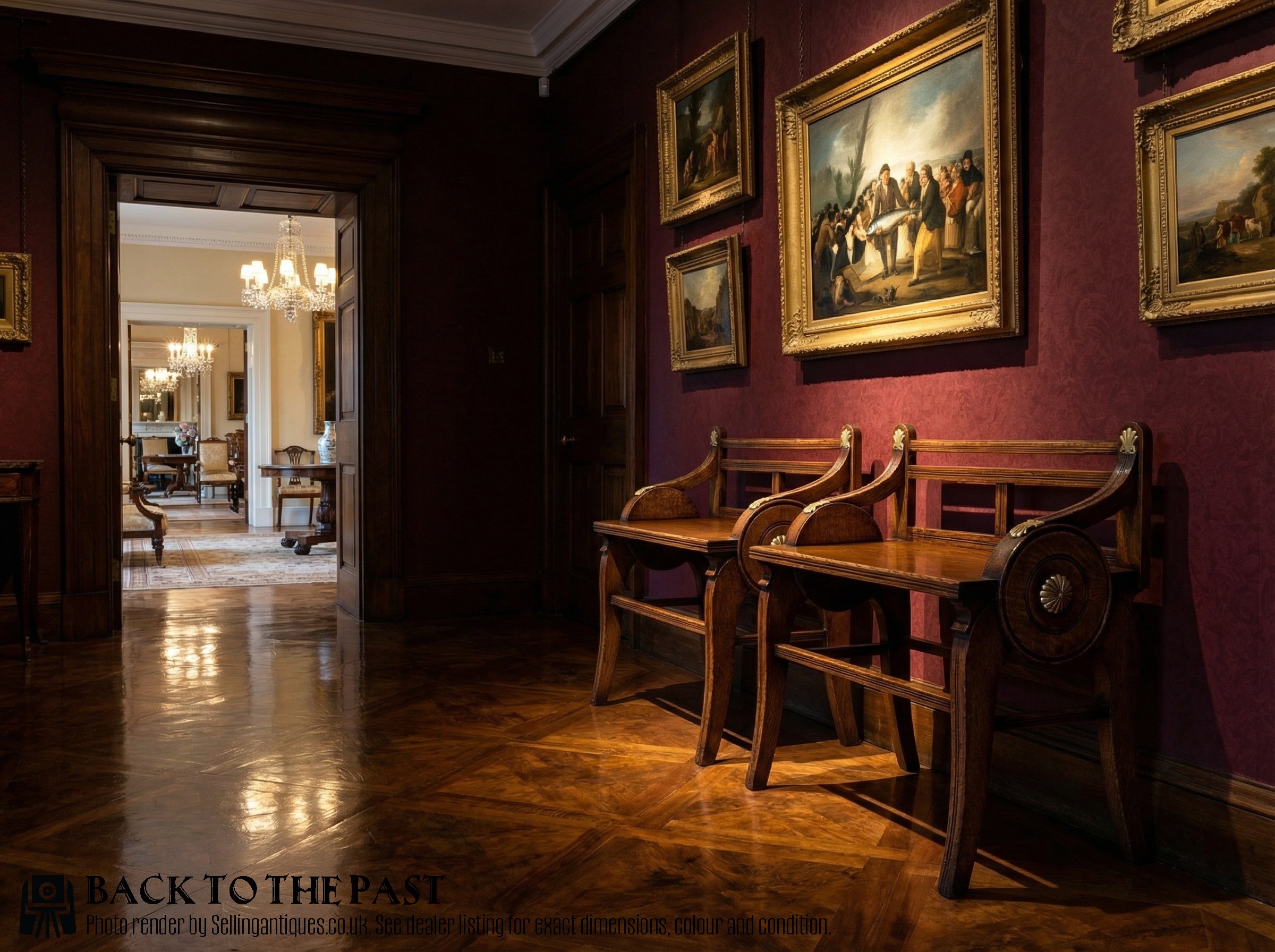
Edwardian Entry Bench
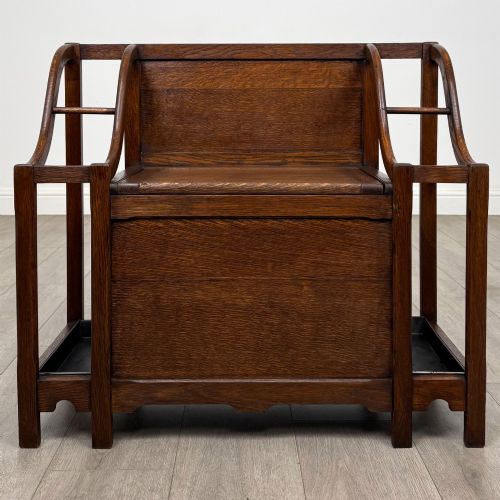
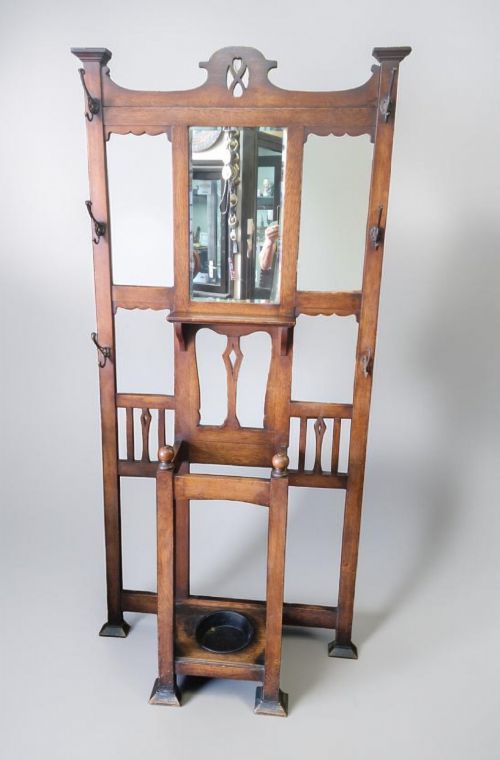
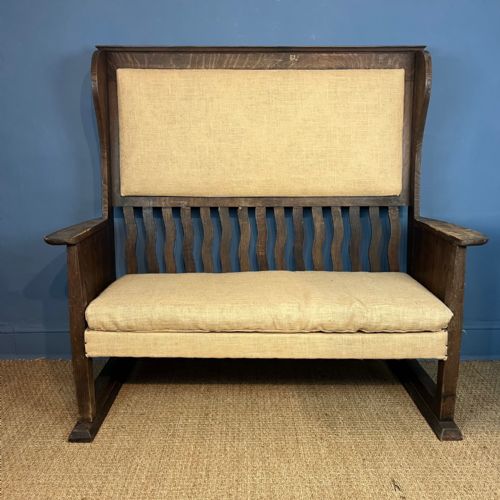
When you search for an edwardian entry bench, you encounter a practical hall seat designed to furnish a hallway or entranceway. The pieces available range from straightforward oak settles to multi-functional hall stands incorporating hat and coat hooks.
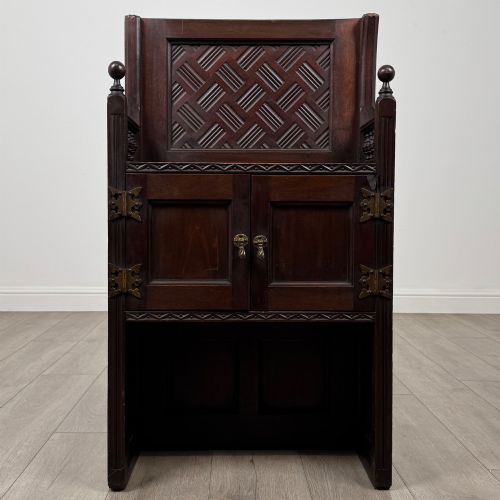
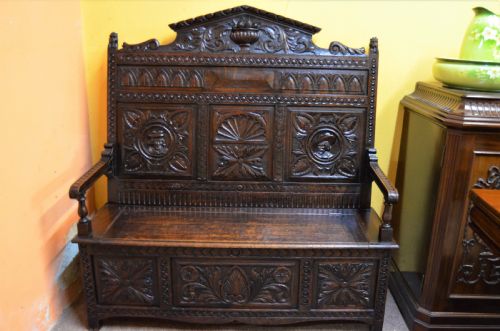
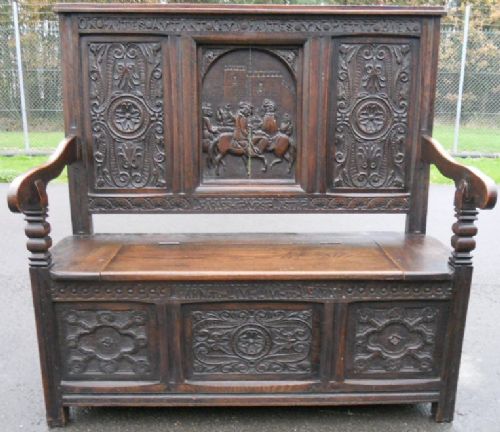
The most common versions met on this page are constructed from oak, often featuring carved details characteristic of the period. These benches frequently combine seating with storage compartments or display surfaces suited to entrance halls.
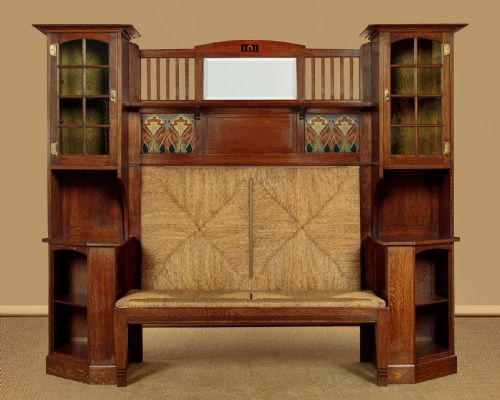
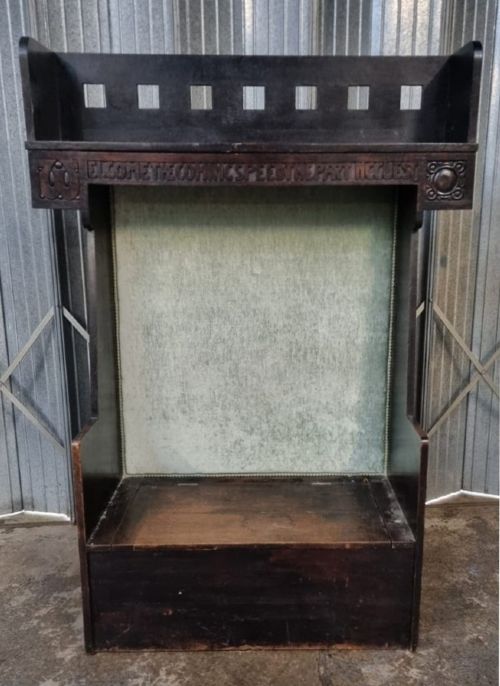
The materials and styles span from the Edwardian era back through Victorian revivals, demonstrating varied regional influences such as the Arts and Crafts movement or Glasgow School designs. Each piece reflects the domestic requirements of its original period.
Construction and Materials
Makers relied heavily on solid timber construction, with oak and mahogany providing the structural framework for these heavy hallway items. Joinery techniques included mortise and tenon joints to withstand regular domestic use.
Decorative embellishments often involved hand carving, panel moulding, and the integration of brass mounts or cast iron hooks. These metal elements served a functional purpose while adding visual contrast to the timber surfaces.
Many surviving hall stands still retain their original metal drip trays designed to catch rainwater from wet umbrellas.
Distinctions in Quality
Quality in these hall benches rests primarily on the depth and execution of the carved ornamentation and the selection of timber. Dense, well-figured oak and cleanly carved panels distinguish superior examples from plain utility pieces.
The integration of additional functions, such as integrated umbrella stands, glove boxes, or mirrors, influences the sophistication of the design. Examples associated with specific stylistic movements display higher levels of design ambition.
Shapland and Petter·Liberty·Shoolbred
The Edwardian Entry Bench Glossary
- Settle
- A wooden bench with a high back, solid arms, and often a hinged seat concealing a storage box. This form provides draught-excluding qualities suited to traditional hallways.
- Hall Stand
- A piece of hallway furniture combining a bench or seat with vertical panels supporting coat hooks and umbrella racks. Mirrors and glove compartments are frequently incorporated into the upper framework.
- Arts and Crafts
- A design movement valuing handcraftsmanship, simple construction, and vernacular styles over mass-produced ornamentation. Pieces from this tradition emphasise natural materials and honest construction.
- Gothic Revival
- An architectural and decorative style drawing inspiration from medieval forms, featuring pointed arches, heavy tracery, and dark timber. This aesthetic appears frequently in nineteenth-century hallway seating.
Edwardian Entry Bench: Frequently Asked Questions
What is an edwardian entry bench?
An edwardian entry bench is a functional wooden seat designed for a hallway, often incorporating storage, back panels, or coat hooks.
These pieces served as practical furniture for putting on boots and storing outdoor garments near the front door.
How were hall benches used originally?
They were positioned in entrance halls to provide a place for visitors and residents to sit while removing outerwear.
The integrated hooks and compartments kept hats, sticks, and gloves organised in the main entrance of a house.
Are these benches made of solid wood?
The listings on this page consist primarily of solid timbers such as oak, mahogany, and walnut.
Traditional cabinetmaking techniques ensured these hallway items could endure heavy daily wear and tear.
How do I identify Arts and Crafts styles?
Arts and Crafts pieces emphasise straightforward construction, exposed joinery, and natural wood finishes without excessive ornamentation.
Carved details on these items often draw inspiration from plant motifs and the British vernacular tradition.