

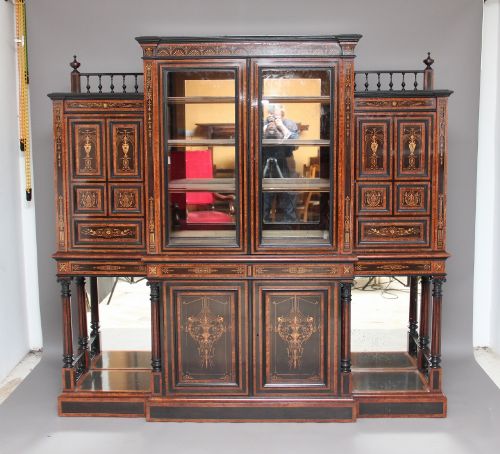


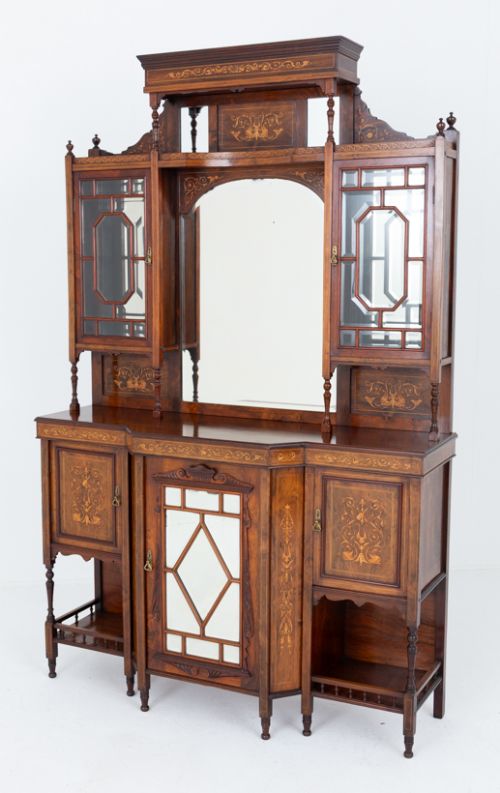


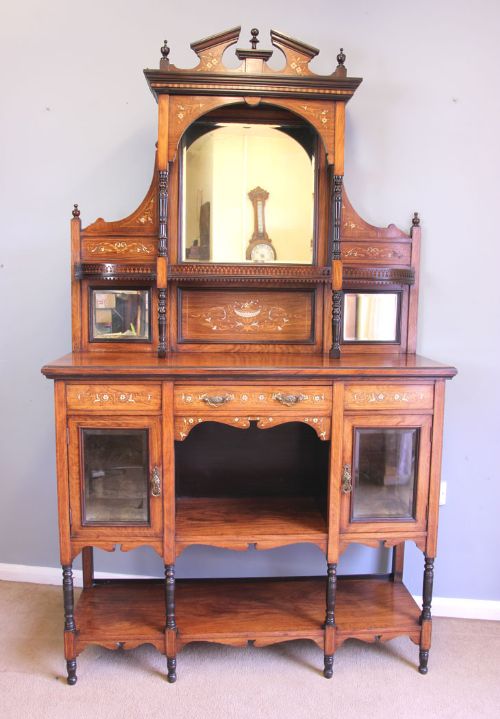


Aesthetic Movement Credenza
An aesthetic movement credenza brings the reform of late nineteenth-century design into a room through dark woods, painted details and disciplined geometry.
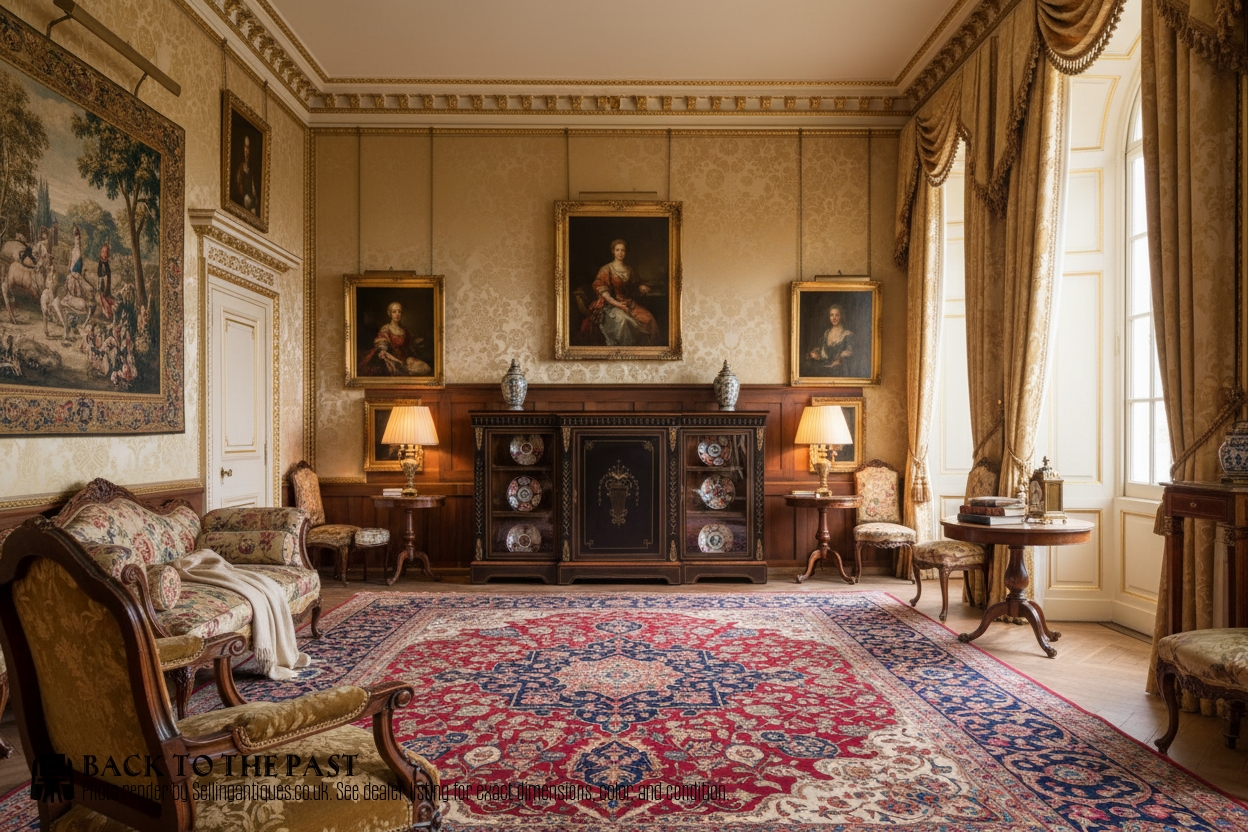
Aesthetic Movement Credenza
When you search for an aesthetic movement credenza, you look at low-profile storage cabinets designed to display china, books or curiosities during the Victorian era. These pieces date principally from the late nineteenth century, spanning decades from the eighteen-sixties to nineteen-hundred.
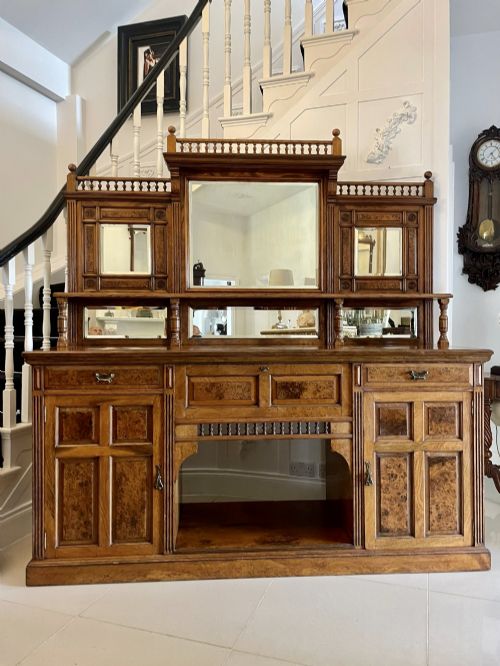
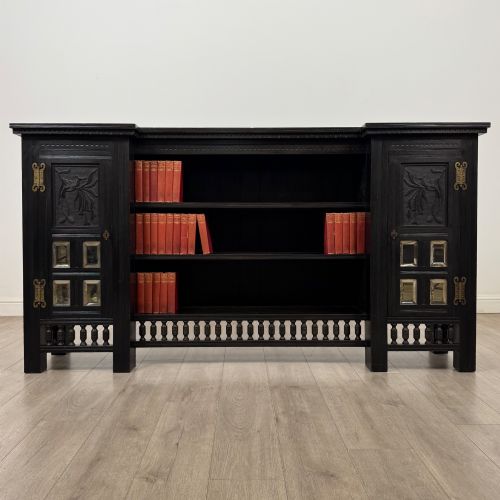
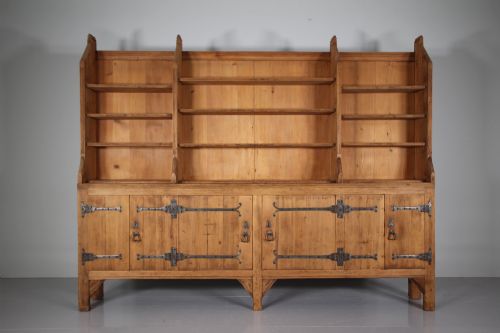
You meet variations in forms that include side cabinets, display cabinets, breakfront bookcases and mirrored sideboards alongside the form of the credenza itself. Many examples show the specific influence of the aesthetic style, blending domestic utility with deliberate artistic reform.
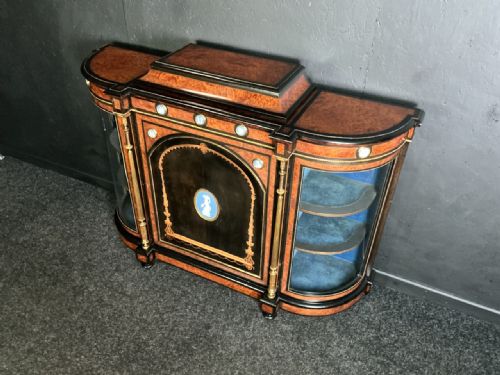
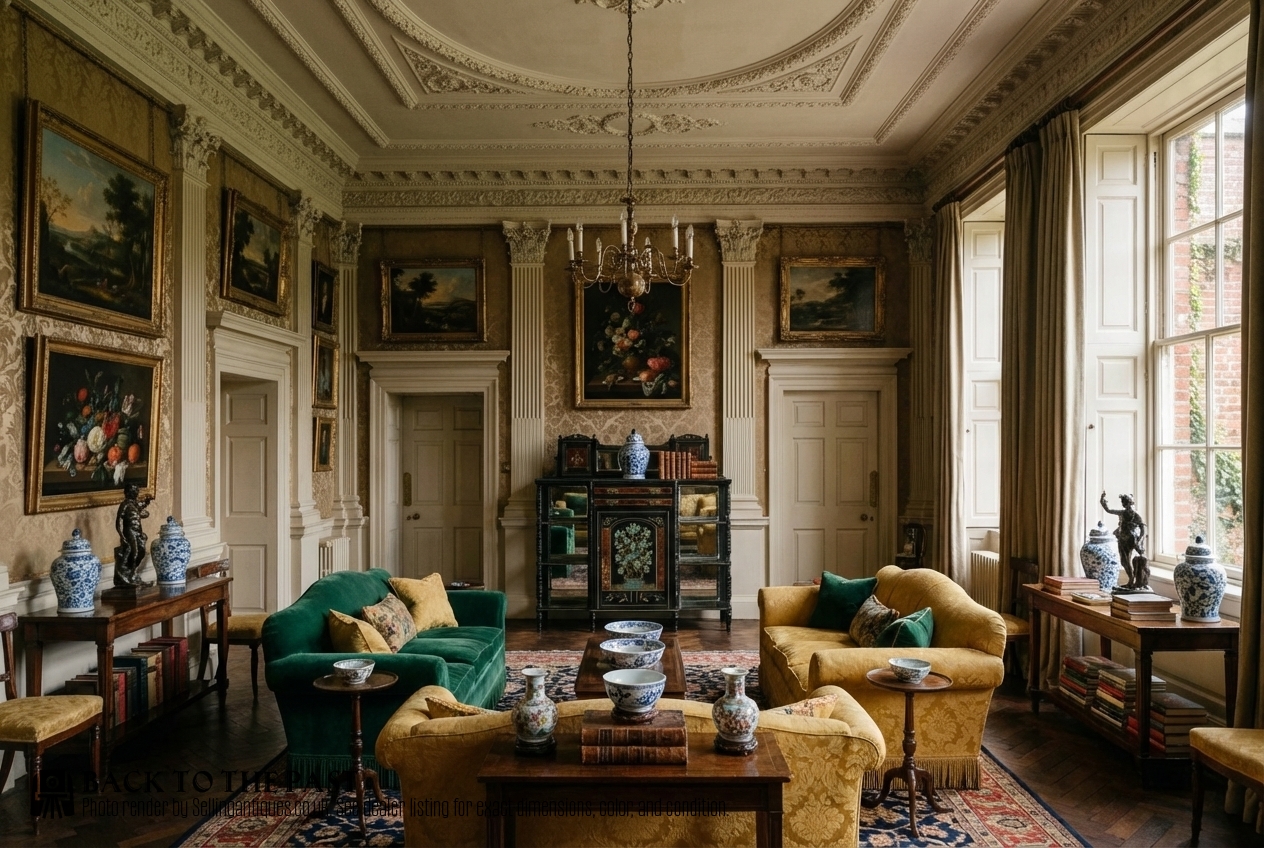
Origins cluster in nineteenth-century England, built by prominent cabinet makers and retail furnishers of the period. The version you are most likely to encounter on this page is a rosewood, walnut or ebonised timber cabinet featuring marquetry, brass mounts or glazed doors.
How they were made
Cabinet makers built these pieces using dense hardwoods like rosewood, walnut and ebonised timber as a dark foundation for decoration. They applied boxwood inlay, marquetry and amboyna panels to construct complex surface patterns across doors and friezes.
Workshops integrated glass for display doors and mirror plates for back panels to reflect light within the room. Gilt finishes, painted details and majolica ceramic inserts often highlighted the structural lines of the cabinet.
Makers fixed brass handles, hinges and gallery rails to complete the construction, combining joinery with decorative metalwork characteristic of late Victorian furniture production.
Aesthetic Movement Credenza Retail Price Guide 2026
Typical asking prices for aesthetic movement credenza among the pieces listed under this phrase on Sellingantiques today, from the lower quarter to the upper quarter. They describe what is for sale here now, not the wider market.
Listings demonstrate that ebonised wood and rosewood remain the dominant framing materials for aesthetic movement credenzas and side cabinets.
What varies in quality
The degree of detail in the marquetry and the precision of the boxwood inlay separate standard workshop production from exceptional cabinet work. Pieces bearing documented attribution to known makers or firms command higher regard through their refined proportions and joinery.
The choice of primary timber and secondary veneers defines the tier of the piece, with figured burr walnut, amboyna and dense rosewood sitting above simpler ebonised pine or mixed woods. Integrated decorative elements, such as hand-painted panels or majolica tiles, indicate greater ambition in the original design.
The survival of original glass, mirror plates and brass hardware preserves the integrity of the piece. Subtle shifts in the carving of mouldings and the balance of the mirror back distinguish superior examples from simpler commercial furniture of the period.
Collinson & Lock·Lamb of Manchester·Garnett & Sons·Gabriel Viardot·James Plunckett·Bruce Talbert·Gillows·Stephen Webb
The Aesthetic Movement Credenza Glossary
- Aesthetic Movement
- A late nineteenth-century design philosophy prioritising visual beauty and artistic reform over standard Victorian ornament. It drew inspiration from Japanese art and geometric simplicity.
- Credenza
- A low dining-room or parlour cabinet used for serving food or displaying objects. Nineteenth-century examples often incorporate glazed central doors and flanking shelves.
- Ebonised Wood
- Timber treated with a dark stain or finish to imitate ebony. This technique provided a sharp, contrasting ground for inlaid wood and gilt decoration.
- Marquetry
- The art of applying pieces of veneer to a structure to form decorative patterns. Makers used various contrasting woods to create floral or geometric motifs.
- Majolica
- Tin-glazed earthenware popular in Victorian decorative arts. Panels of this ceramic frequently appear inset into cabinet doors.
Aesthetic Movement Credenza: Frequently Asked Questions
What is an aesthetic movement credenza?
An aesthetic movement credenza is a low nineteenth-century cabinet designed for storage and display, embodying the artistic reform of the period through dark woods and disciplined ornament.
These pieces typically feature glazed doors, mirror backs or inlaid panels, reflecting a shift away from heavy historical revival styles toward lighter, art-focused domestic interiors.
How were these credenzas used?
Households used these cabinets in parlours, drawing rooms and dining rooms to display valuable porcelain, decorative glass and small art objects.
The enclosed cupboards provided practical storage for linens or books while the top surface and open shelves offered space for decorative arrangements.
How do I live with an aesthetic movement credenza?
You can place a credenza against a living room or hallway wall where its dark wood and reflective mirror or glass panels will catch natural light.
Keep the environment stable away from direct heat sources to protect nineteenth-century veneers and polishes from drying out.
How do I tell periods apart?
Earlier pieces from the eighteen-sixties and seventies often show direct ties to early reform designer aesthetics and French or Japanese influences.
Later Victorian examples from the eighteen-eighties and nineties tend towards massed inlay, ebonised finishes and standardised commercial forms associated with large retail furnishers.