
Accent Table with Drawer
An accent table with drawer offers compact utility and period character, bringing traditional timber and practical storage into daily rooms.
Accent Table with Drawer
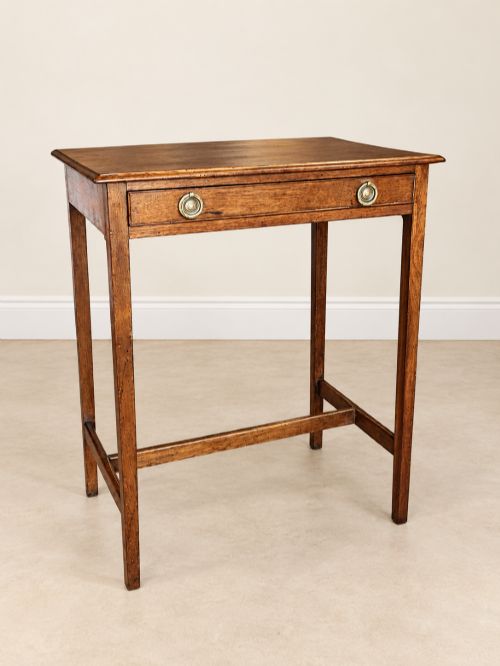
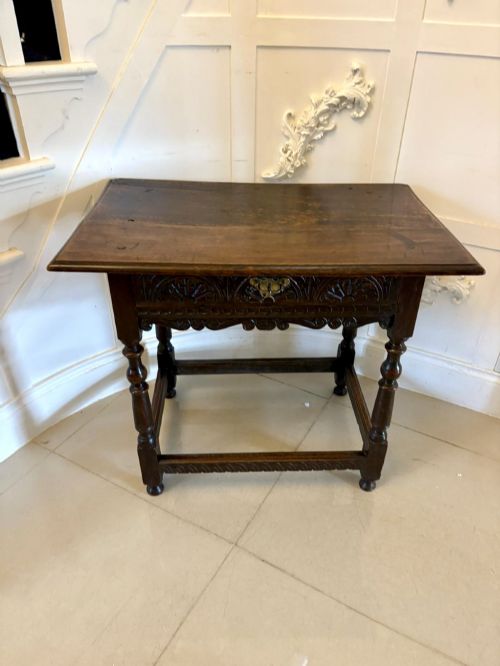
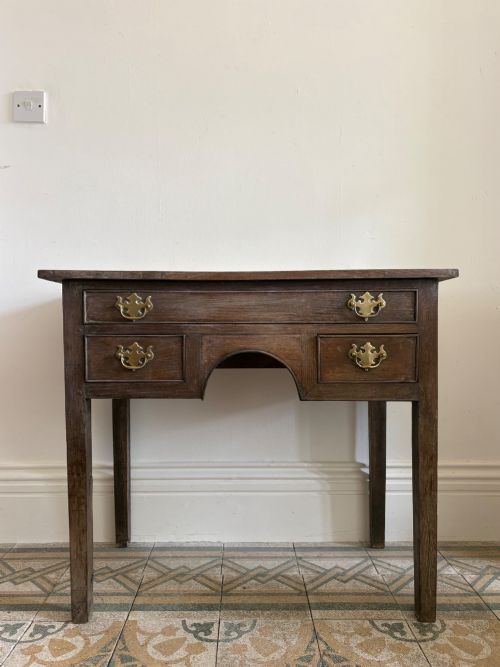
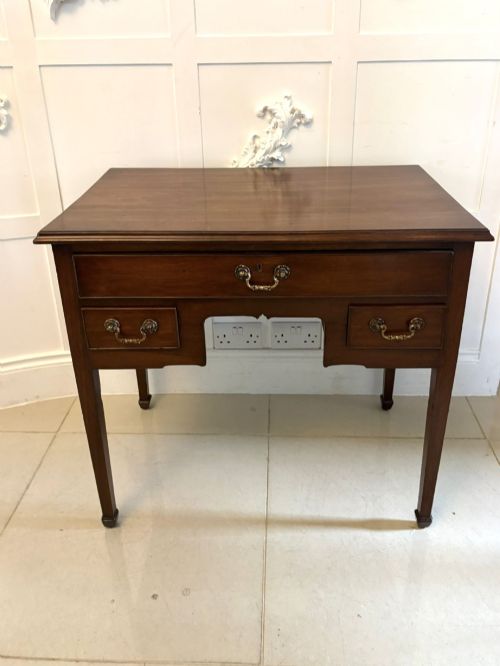
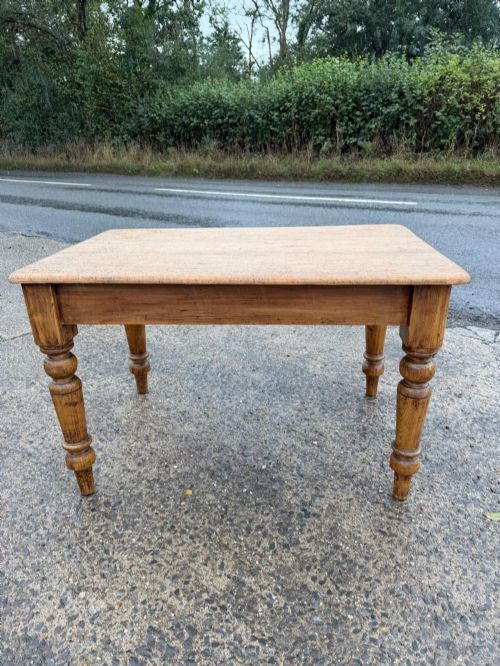
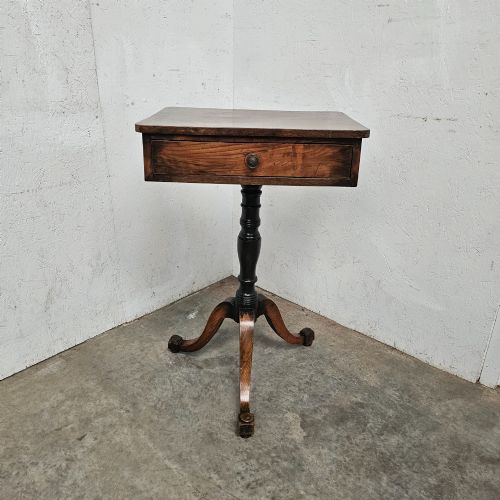
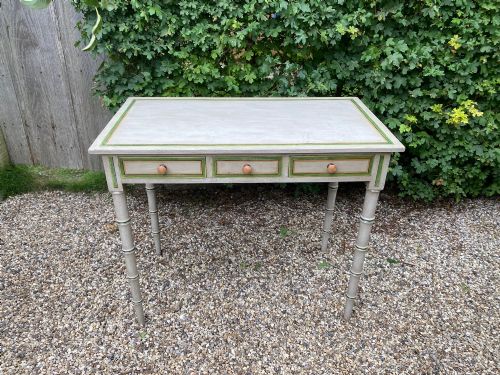
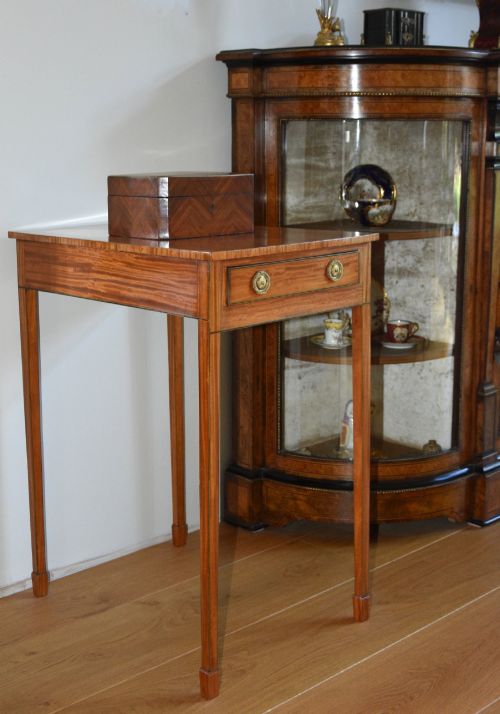
An accent table with drawer serves as a versatile piece of furniture designed for occasional use in hallways, reception rooms, and bedrooms. These pieces provide a useful surface for lamps or decorative objects alongside a concealed compartment for small items.
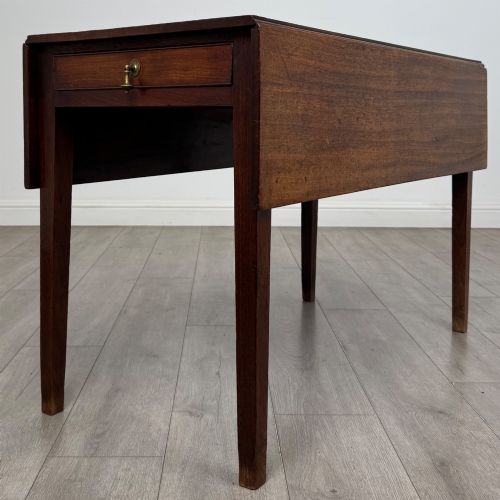
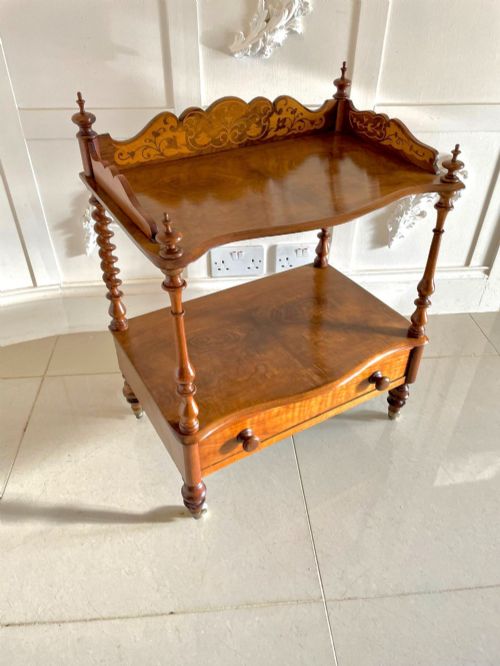
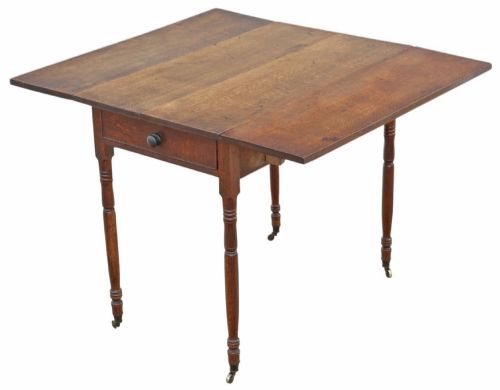
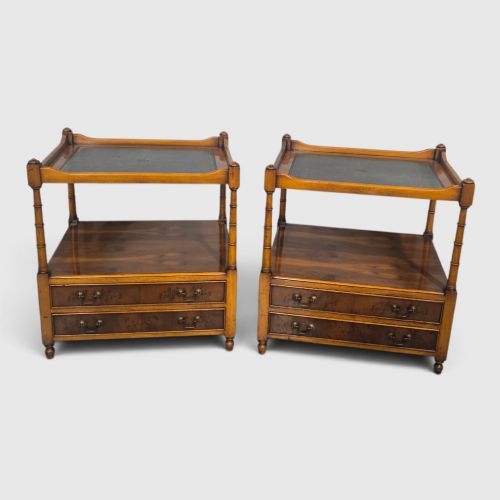
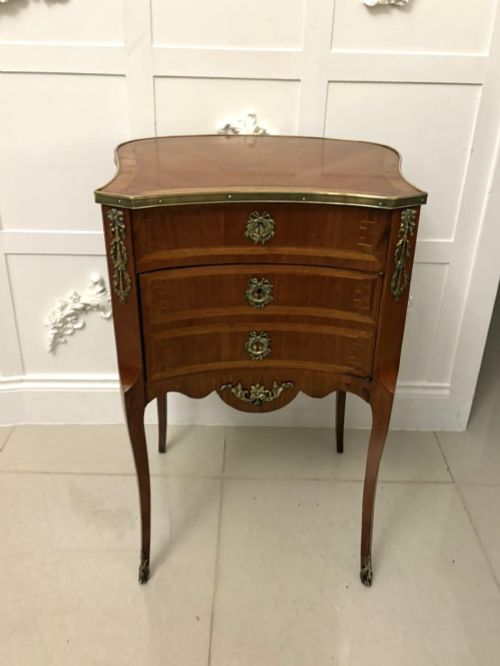
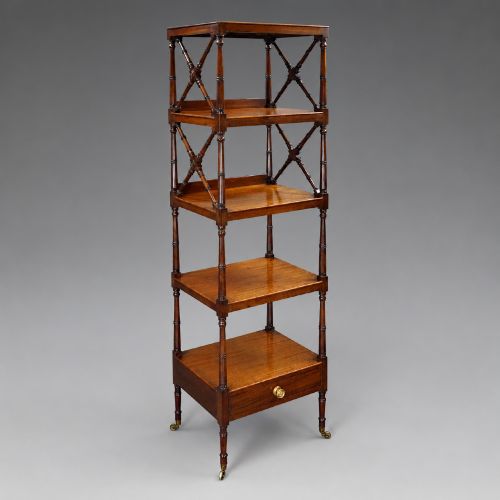
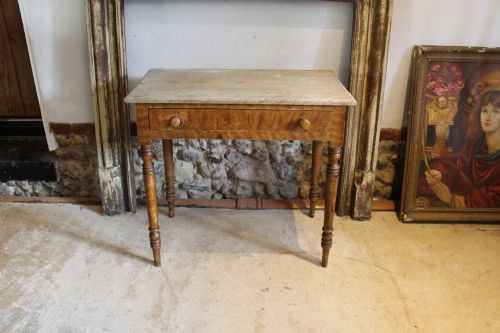
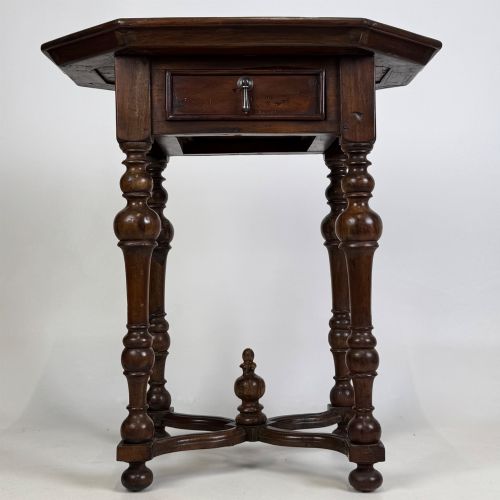
The selections span from robust seventeenth and eighteenth-century oak lowboys to refined mahogany Georgian pieces and later Victorian or Edwardian iterations. Side tables, Pembroke tables, and small bedside cabinets make up the primary forms encountered here.
Makers historically produced these formats to fit domestic spaces where large dining or writing furniture proved impractical. Buyers encounter numerous examples featuring single front drawers, drop leaves, or cross-banded timber work.
Materials and construction methods
Cabinet makers relied heavily on domestic and imported hardwoods, constructing frames primarily in oak, mahogany, walnut, and cherry. Secondary timbers like pine appear frequently in internal drawer linings and structural framing.
Construction techniques evolved from early joined and turned oak framework to sophisticated veneering, cross-banding with partridge wood, and subtle boxwood stringing. Drawers typically operate with side-hung runners and hand-cut dovetails securing the joints.
Functional forms range from drop-leaf Pembroke tables and chess boards to narrow bedside cabinets and corner tables.
Judging quality and proportion
Quality rests principally on the selection of timber, the crispness of turned or carved details, and the integrity of the original construction. Pieces exhibiting well-figured mahogany or richly patinated oak command greater attention from discerning collectors.
Proportion and the retention of original hardware, handles, and drawer linings distinguish superior examples from heavily altered pieces. The harmony between the drawer depth and the overall scale of the table dictates the visual balance.
The Accent Table with Drawer Glossary
- Lowboy
- A small seventeenth or eighteenth-century table with one or more drawers and long legs, often utilised as a dressing table or side table.
- Pembroke table
- A small occasional table featuring hinged drop leaves on either side and typically a single drawer in the frieze.
- Frieze
- The horizontal structural band situated directly beneath the tabletop, which usually houses the drawer unit.
- Cross-banding
- A decorative border technique where veneer is applied to the perimeter of a tabletop so the grain runs perpendicular to the main panel.
- Dovetail
- A traditional interlocking joint utilised to secure drawer corners together securely without modern fixings.
Accent Table with Drawer: Frequently Asked Questions
Where should I place an accent table with drawer?
These compact pieces fit naturally beside a sofa, in a narrow hallway, or serving as a bedside cabinet where surface space and concealed storage are both required.
Their restrained dimensions ensure they integrate smoothly into modern rooms without dominating the floor plan.
How do I identify a Georgian table?
Look for characteristic timber choices such as rich mahogany or oak, combined with restrained classical proportions and hand-cut dovetails inside the drawer.
Subtle decorative elements like satinwood banding or brass drop handles often accompany pieces from this distinct period.
Are these tables sturdy enough for daily use?
Traditional construction methods utilising solid hardwoods and pegged or dovetailed joints ensure these tables remain remarkably durable for everyday household tasks.
Routine care involving gentle polishing and protection from excessive moisture keeps the timber stable and sound.
What is the difference between a side table and a lowboy?
A lowboy specifically denotes an early eighteenth or seventeenth-century oak or walnut table featuring a shallow drawer configuration raised on relatively tall legs.
Standard side tables encompass a much broader span of nineteenth and twentieth-century formats without that specific early vernacular form.