




Acanthus Carved Columns
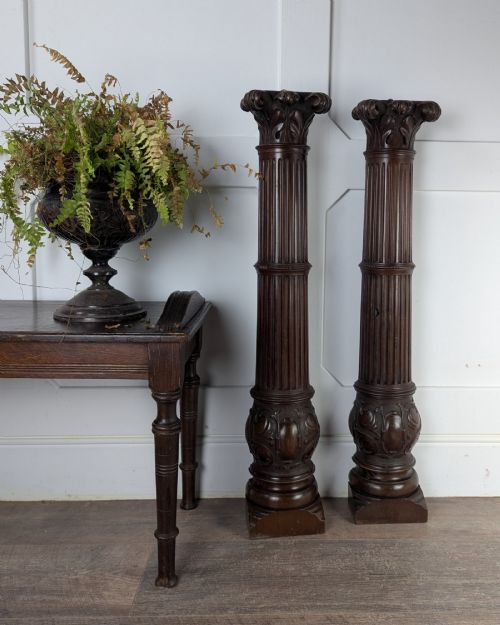
These acanthus carved columns bring classic architectural form and deep plant-carved detail into period rooms.
Acanthus Carved Columns
When searching for acanthus carved columns, a buyer finds architectural salvage, plant stands, pedestals, and mirror frames shaped by classical plant ornament. The selection runs from the eighteenth century through the Edwardian period, drawing on Chippendale, Regency, Victorian, and Italian Baroque design traditions.
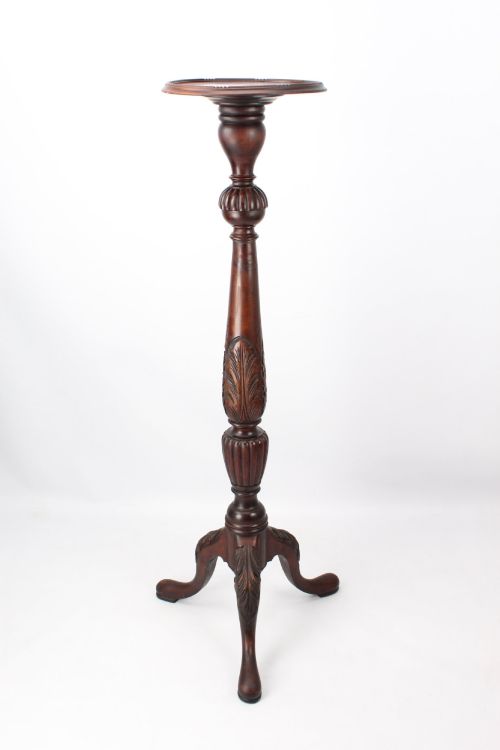
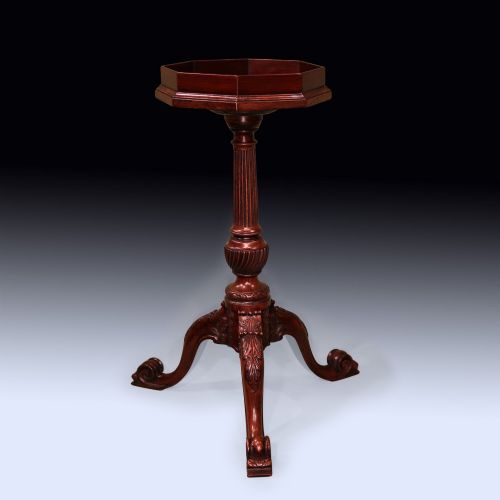
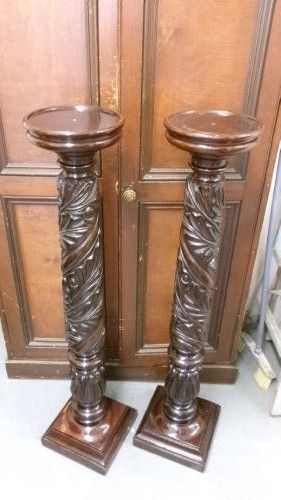
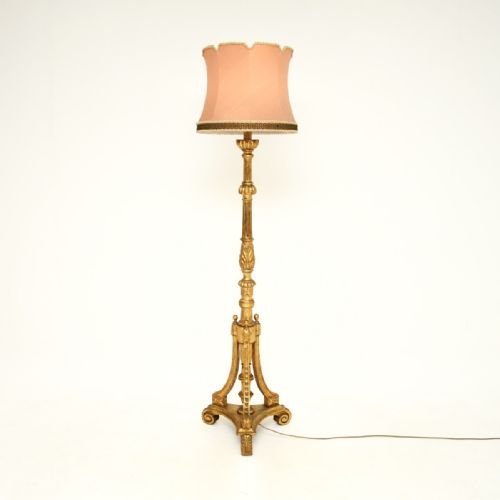
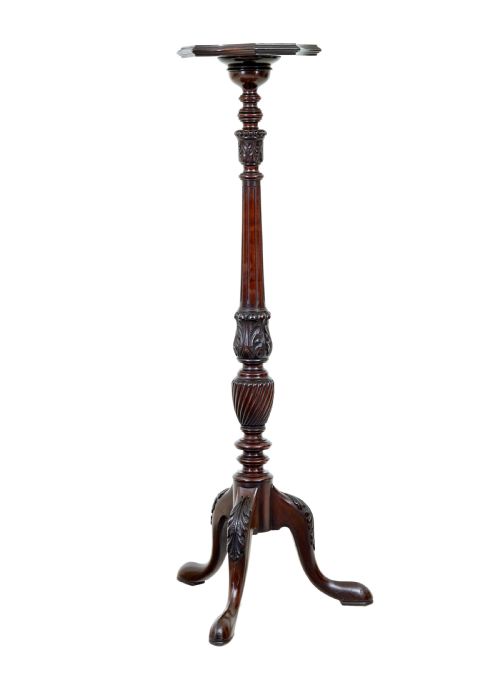
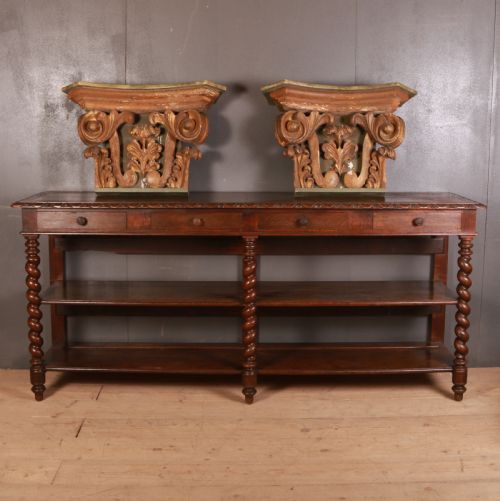
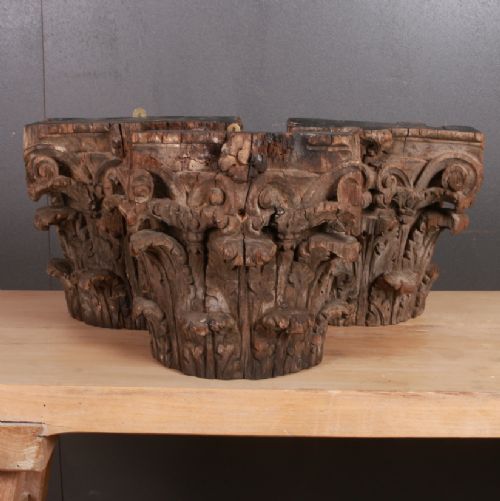
Most items appearing on this page take the form of tall plant stands, torcheres, bed posts, and architectural capitals. Mahogany and giltwood dominate the listings, alongside stained birch, limestone, and gesso.
Makers and craftsmen applied foliage motifs to functional supports and framing elements alike. Pieces range from grand architectural fragments to decorative stands designed for nineteenth-century interiors.
Materials and construction
Carvers shaped dense timbers like mahogany and birch directly by hand, cutting deep leaf scrolls into solid wood and capitals. These wooden structures often received supplementary gilding, employing gold leaf over gesso to highlight the raised foliage.
Stone pieces utilise carved limestone for architectural capitals, while mirrors combine giltwood frames with glass panels. Joinery and turning created sturdy shafts, bed posts, and pedestals designed to bear weight or mount securely to walls.
The inventory spans multiple design revivals, including Georgian Revival, Italian Baroque, and English Regency.
Factors of quality
The distinction between ordinary and exceptional work lies in the crispness and depth of the foliage carving. Superior examples show undercut leaves and sharp botanical detail rather than shallow, softened relief.
Surface finish dictates overall success, where original water gilding or well-preserved timber patination outlasts modern refinishing. Proportion and balance in the turning and capital proportions separate fine architectural elements from standard factory production.
The Acanthus Carved Columns Glossary
- Acanthus
- A classical ornamentation motif based on the leaves of the Mediterranean acanthus plant. Carvers used this stylized foliage extensively on capitals, friezes, and furniture legs.
- Capital
- The uppermost member of a column or pilaster, often decorated with carved acanthus leaves in the Corinthian order. This part sits directly beneath the structural load or entablature.
- Giltwood
- Timber that has been coated with gold leaf over a prepared gesso ground. This technique creates a brilliant reflective surface common on Regency mirrors and floor lamps.
- Torchere
- A tall stand designed to hold a light or a decorative plant. These slender supports frequently feature turned wooden shafts and carved leaf enrichment.
Acanthus Carved Columns: Frequently Asked Questions
How were acanthus carved columns used?
These pieces functioned as structural architectural supports, decorative pedestals for sculpture, or tall plant stands within period homes. Many served as framing elements for mirrors or substantial beds.
Over time, individual capitals and columns were also salvaged and repurposed purely as decorative objects of display.
How do I date an acanthus carved column?
Dating relies on identifying the timber species, tool marks, and stylistic clues from periods like the Georgian, Regency, or Victorian eras. Mahogany and giltwood pieces from the eighteenth and nineteenth centuries show distinct hand-carving techniques.
Architectural styles such as the Corinthian order persisted across centuries, making wood analysis and construction methods essential for exact dating.
Can these columns support weight?
Many solid wood columns and architectural capitals were originally load-bearing elements in buildings or substantial pieces of furniture. However, items converted into plant stands or decorative fragments require careful assessment before bearing heavy loads.
Wall-mounted mirrors and decorative capitals should be checked for structural stability rather than used for structural support.
How should I clean giltwood and carved mahogany?
Giltwood surfaces require extreme care, using only a dry, soft brush to remove dust without disturbing the delicate gold leaf. Moisture and harsh cleaning agents can damage the underlying gesso.
Carved mahogany benefits from occasional application of quality wax polish, applied sparingly and buffed gently to maintain the natural timber grain and patina.