



Spiral Twist Columns
Spiral twist columns bring dynamic movement and classical lineage to furniture supports and architectural pedestals.
Spiral Twist Columns
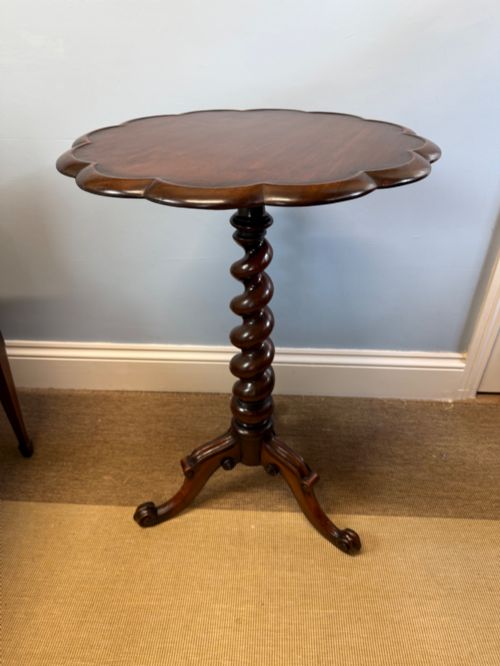
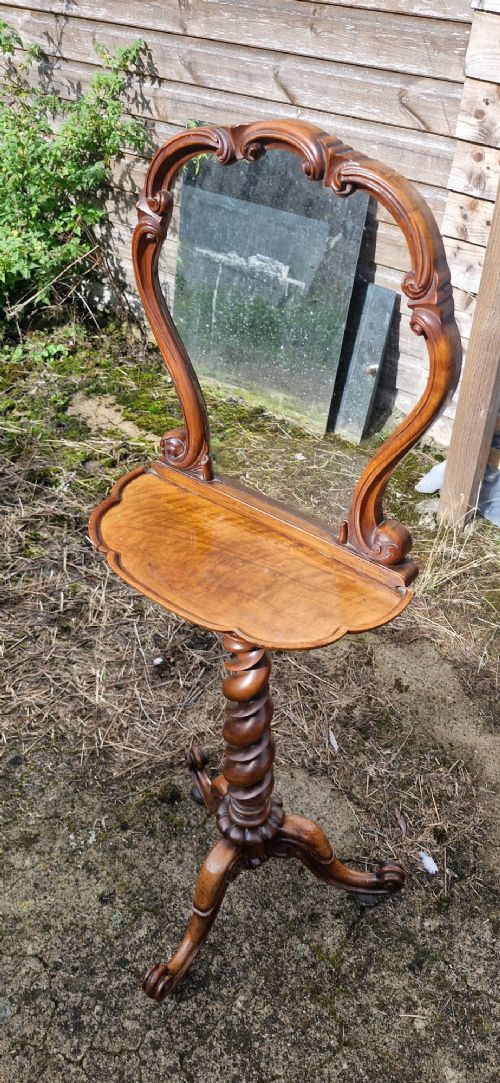
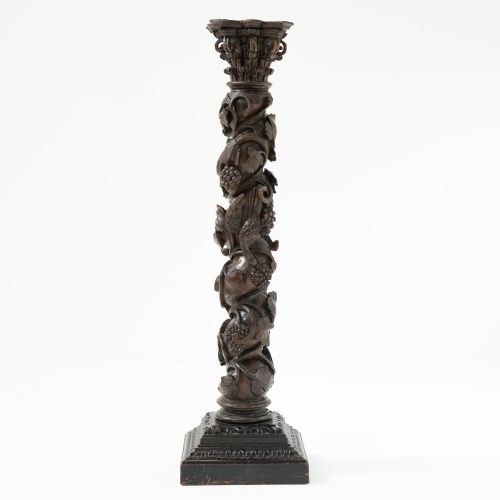
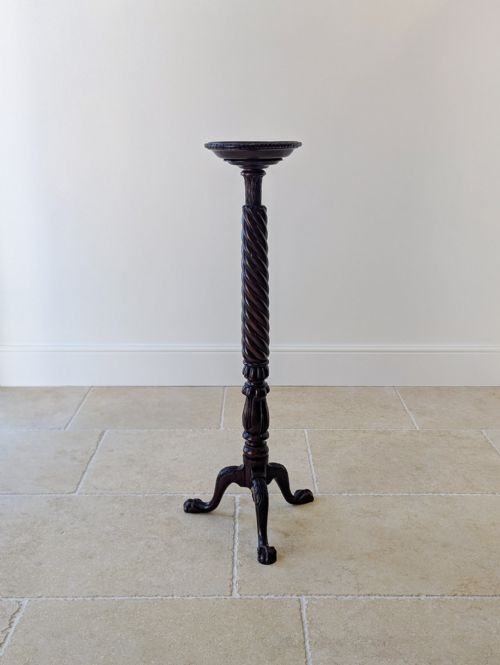
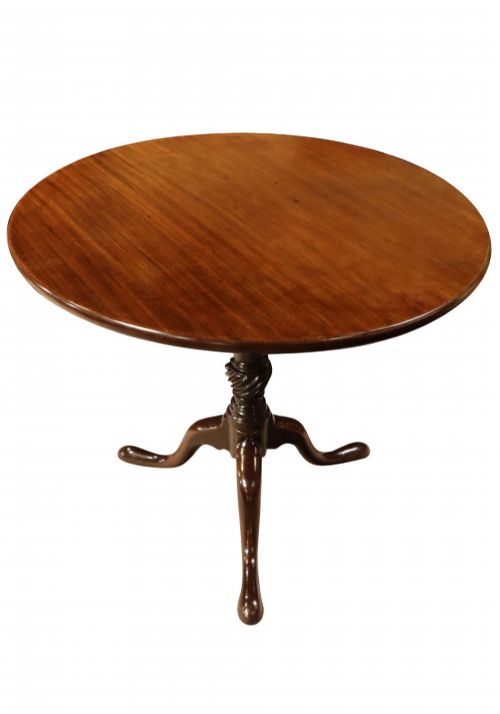
Spiral twist columns appear across numerous centuries, serving as the central shafts for occasional tables, torcheres, candlesticks, and freestanding architectural supports. When looking for spiral twist columns on this page, buyers encounter diverse forms ranging from 18th-century carved oak Solomonic pedestals to Victorian mahogany lamp tables and tall brass candlesticks. These pieces integrate the helical turning into domestic furnishings, combining functional elevation with sculptural presence.
The historical spread of these items encompasses William and Mary designs, Georgian tripod tables, and heavy Victorian oak pillars. Mahogany, walnut, and oak dominate the timber selections, frequently paired with brass lighting components and variegated marble columns. Such variety reflects how successive revivals reinterpreted the helical shaft across different functional categories.
Freestanding pedestals and plant stands utilise the twist to draw the eye upward, while smaller table columns support snap-tops and occasional surfaces. The silhouettes range from slender torcheres designed to hold lamps to grand oak pedestals intended for display. Each variation demonstrates the adaptability of the twisted shaft within traditional interior schemes.
Materials and construction
Craftsmen shaped these timbers using lathe turning and hand carving to achieve the characteristic helical profile. Dense hardwoods like mahogany, walnut, and oak provided the structural integrity necessary for slender columns and weight-bearing pedestals without snapping under pressure.
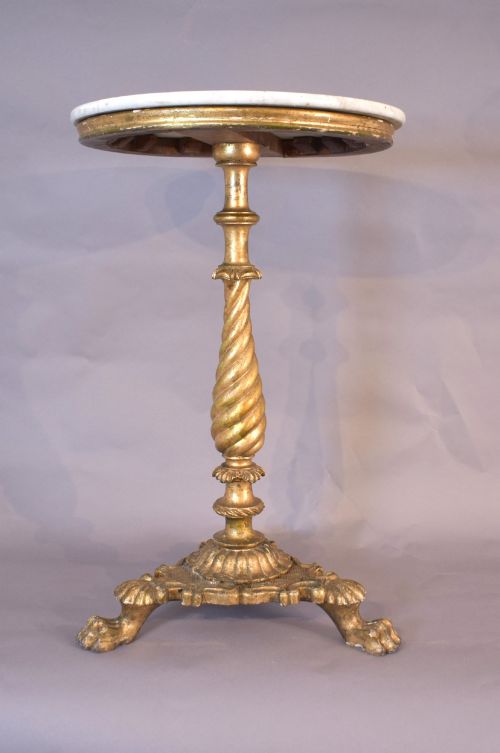
Brass and giltwood introduced reflective metallic surfaces for candlesticks, lamps, and decorative frames. Marble columns incorporated natural stone variants such as verde antico and green serpentine, adding substantial weight and colour contrast to the turned wooden elements found elsewhere on the page.
Current listings feature spiral twist columns spanning the eighteenth, nineteenth, and early twentieth centuries, rendered in mahogany, walnut, oak, and variegated marble.
Distinctions in quality
Depth and crispness of the carving dictate the visual impact of the twist, separating mechanical uniformity from hand-chiselled precision. Timber selection similarly influences the piece, with rich grain patterns in burr maple, rosewood, and figured mahogany elevating domestic tables and stands.
Proportion and stability determine the success of taller torcheres and pedestals, where a balanced base prevents tipping. Superior examples maintain structural harmony between the helical shaft and the supporting feet or tabletop.
The Spiral Twist Columns Glossary
- Solomonic column
- A helical shaft characterised by a serpentine twist resembling a vine-wrapped vine stock. This form gained prominence in Baroque architecture and subsequent revival furniture.
- Torchere
- A tall ornamental stand designed to support a candelabrum, lamp, or decorative urn. These vertical pieces frequently employ spiral carving along their main shafts.
- Tripod table
- A small occasional table supported by three legs radiating from a central pillar. Many examples integrate a turned spiral column beneath the tabletop.
- Jardiniere
- A decorative receptacle or stand for holding plants and flowers. These stands often incorporate turned wooden pillars or ceramic sections within their framework.
Spiral Twist Columns: Frequently Asked Questions
How do I date a spiral twist column?
Dating relies on timber choice, secondary woods, and the sharpness of the turning technique. Earlier 18th-century examples often display hand-carved oak surfaces, whereas Victorian pieces frequently utilise machine-turned mahogany or walnut.
Construction joints and wear patterns further assist in confirming the period of origin. Comparing the style to documented revival movements provides additional chronological context.
Where should I place a torchere stand?
Torcheres suit corners, blank wall spaces, or flanking positions beside larger items of furniture. Their vertical height draws the eye upward without occupying significant floor space.
Placing them away from heavy foot traffic protects the slender shafts and any mounted lamps or decorative objects. They function effectively as functional lighting supports or standalone display columns.
Are these columns structurally sound for daily use?
Most solid hardwood and brass examples offer robust support for lamps, books, or plants. Heavier marble columns provide exceptional stability due to their natural weight.
Care should be taken with slender tripod bases on uneven flooring to prevent tipping. Regular checks of central joints ensure long-term stability in domestic settings.
What is the difference between a pedestal and a torchere?
Pedestals typically feature broader flat tops designed to support busts, sculptures, or heavy decorative objects. Their proportions focus on load-bearing stability and display presence.
Torcheres are generally lighter and narrower, historically intended to elevate lighting devices such as candles or oil lamps. The distinction lies primarily in the intended function and load capacity of the upper surface.