


Dark Wood Bed Posts
Dark wood bed posts are substantial architectural elements that bring historic presence and rich timber tones into a modern interior.
Dark Wood Bed Posts
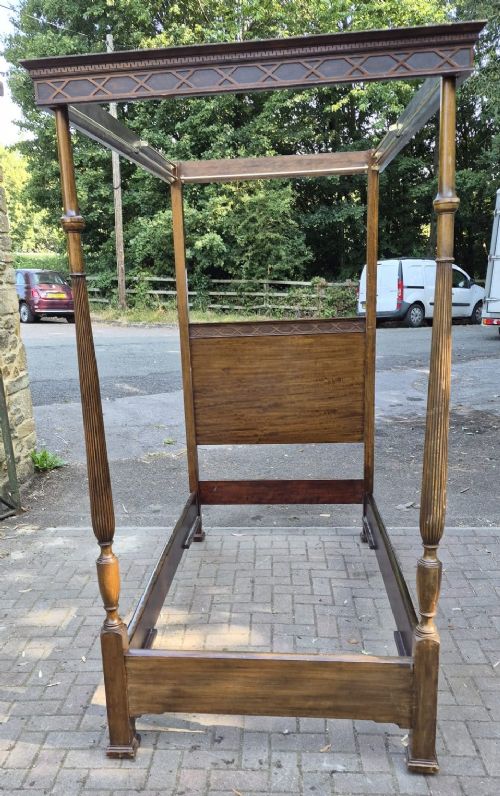
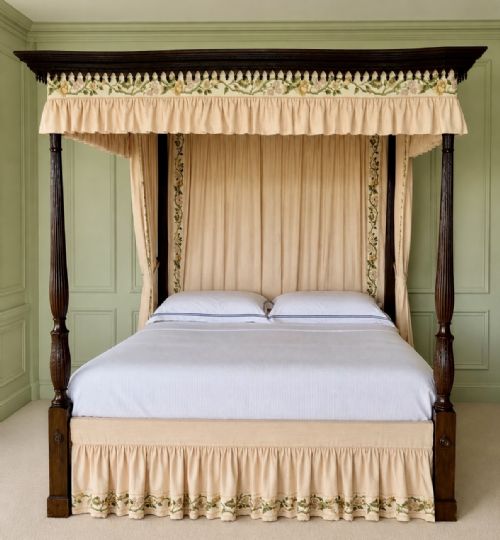
Dark wood bed posts represent the architectural remnants and supporting columns of historic sleeping quarters, ranging from substantial four poster frames to pairs of salvaged uprights. These pieces originate across several periods, including the eighteenth century, Regency era, and Victorian epoch.
A buyer searching for dark wood bed posts will encounter complete four poster beds alongside matched pairs of columns repurposed as architectural salvage or stands. The selection leans heavily towards architectural salvage and individual bed posts rather than standalone furniture suites.
Originating from diverse stylistic traditions such as Regency, Chippendale, and Portuguese Baroque Revival, these components demonstrate the varied ways cabinet makers framed beds historically. Pieces span formal British designs and more exotic Anglo-Indian colonial interpretations.
How they were made
Makers utilised dense timbers such as mahogany, walnut, teak, and chestnut to construct these robust architectural supports. These hardwearing materials allowed carvers to execute deep relief work and slender turned profiles without compromising structural integrity.
Techniques relied upon manual lathe turning and skilled hand carving to achieve spiral fluting, classical reeding, and acanthus leaf details. Timber was selected for grain depth and colour richness before receiving traditional polishes or waxes.
Some nineteenth century columns started life supporting heavy bed canopies before finding retirement as stately architectural salvage.
What varies in quality
Quality separates along the crispness of the hand carving and the selection of the underlying timber. Superior examples exhibit deep, clean undercutting on motifs like acanthus leaves or spiral twists, whereas lesser pieces show softer, shallower definition.
The choice and figuring of the hardwood dictate the upper tier of the range. Denser grain patterns and well matched timber sections denote superior cabinet making standards during fabrication.
Howard And Sons
The Dark Wood Bed Posts Glossary
- Four poster bed
- A bed featuring four vertical columns that support an upper tester or canopy frame. These substantial items dominate a bedroom space and often utilise carved mahogany or oak.
- Architectural salvage
- Building elements and furniture components rescued from older structures for reuse or display. This category includes isolated bed posts and column stands.
- Regency
- A style period spanning the early nineteenth century defined by classical restraint and archaeological inspiration. Pieces from this era often incorporate precise turning and dark rosewood or mahogany.
- Chippendale
- A mid eighteenth century cabinet making style known for ornate carved details and robust proportions. Items bearing this influence typically display skilled craftsmanship in hardwood.
- Tester
- The wooden canopy or ceiling structure positioned above a four poster bed. It connects the upper sections of the posts to enclose the sleeping space.
Dark Wood Bed Posts: Frequently Asked Questions
How were dark wood bed posts used originally?
Bed posts served as the primary structural supports for large canopy beds in wealthy households. They held up heavy wooden testers and fabric curtains designed to retain warmth and provide privacy.
Over time, many of these frames were dismantled, leaving individual posts to survive as decorative architectural elements or converted column stands.
How can I display bed posts in a modern room?
Isolated pairs of bed posts work effectively as flanking elements in a hallway or framing a large doorway. Some collectors mount them directly to walls or utilise them as sculptural floor standing objects.
Shorter paired columns also function as pedestals or structural supports for bespoke console tables and display shelves.
How do I distinguish Regency posts from Victorian ones?
Regency bed posts generally favour clean classical lines, slender proportions, and restrained brass or timber ornamentation. They often incorporate precise reeding or subtle spiral carving.
Victorian examples tend to be heavier and more exuberant, featuring deeply carved oak or mahogany with robust proportions and complex botanical motifs.
What maintenance do antique hardwood posts require?
These timber components need stable indoor humidity levels to prevent the hardwood from drying out or splitting. Occasional applications of traditional beeswax help nourish the surface and maintain the finish.
Harsh chemical cleaners and direct sunlight should be avoided to preserve the natural depth of the dark timber grain.