





Academic Desk Sculptures
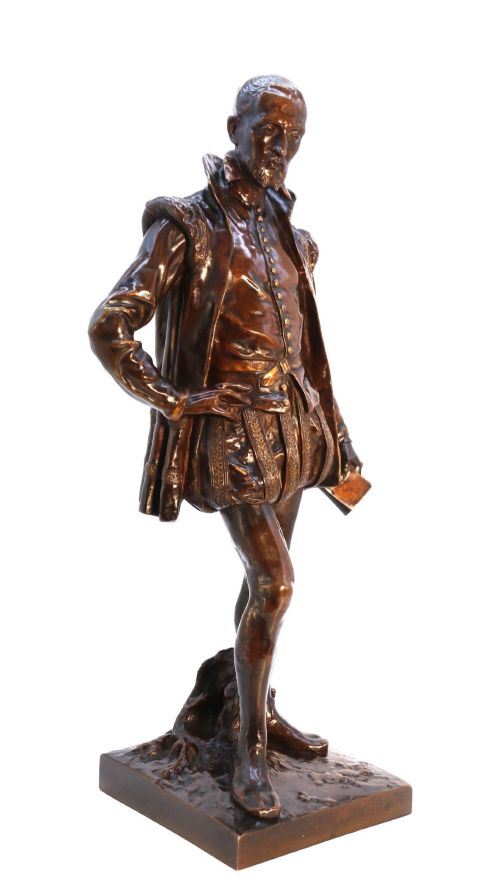
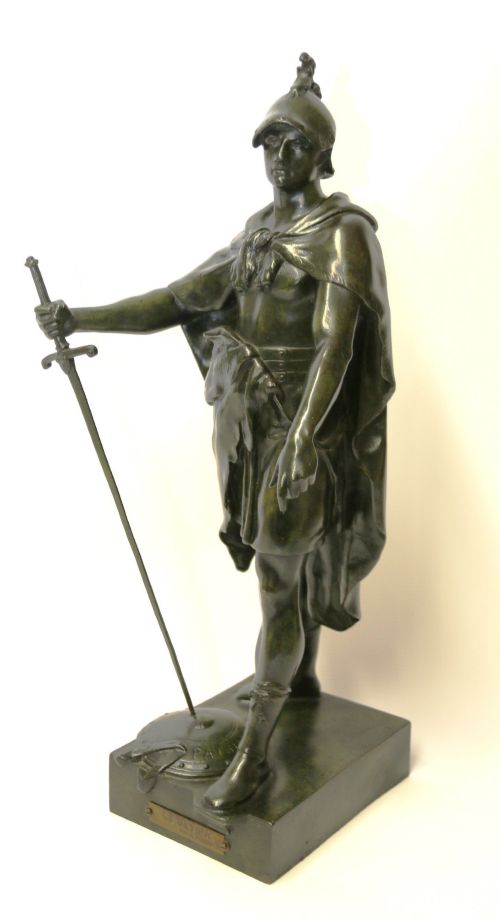
Academic desk sculptures are classic figures and busts cast in bronze or carved in marble to bring scholarly gravity to any room.
Academic Desk Sculptures
Academic desk sculptures bring classical learning and literary figures into the study, featuring philosophers, poets, and historic soldiers cast in patinated bronze or shaped in plaster. These pieces often take the form of substantial desk ornaments, small statues, and figural lamps designed to sit upon library tables and writing desks.
The examples seen here lean heavily into nineteenth-century French academic traditions, alongside Victorian interpretations of classical subjects. One frequently meets depictions of figures such as Homer, Rousseau, and Voltaire, reflecting the nineteenth-century taste for intellectual portraiture.
Beyond standalone statues, many pieces serve a dual purpose as table lamps or incorporate marble bases to elevate their presence. The materials range from rich patinated bronze and green or Sienna marble to wood, frosted glass, and traditional plaster.
How they were made
Foundries produced these works primarily through the lost-wax casting method for bronze or by pouring plaster into detailed moulds. This technique allowed for the crisp rendering of classical drapery, facial expressions, and textual attributes associated with historic figures.
Makers finished the metal surfaces with chemical patination to achieve deep brown or dark green tones, while marble bases were turned and polished to support the heavier metal figures. Lamps integrated electrical wiring or gas fittings through the cast elements, balancing utility with sculptural form.
Academic Desk Sculptures Retail Price Guide 2026
Typical asking prices for academic desk sculptures among the pieces listed under this phrase on Sellingantiques today, from the lower quarter to the upper quarter. They describe what is for sale here now, not the wider market.
The materials in these listings span patinated bronze, Sienna marble, green marble, wood, frosted glass, and plaster.
What varies in quality
The choice of base materials also distinguishes the range. Solid patinated bronze paired with genuine Sienna or green marble indicates a higher grade of production than works relying on spelter or basic plaster.
Émile Louis Picault·Barbedienne·Adrien Gaudez·Moreau
The Academic Desk Sculptures Glossary
- Patinated bronze
- Bronze that has been treated with chemical solutions to produce a specific surface colour and finish. This layer protects the metal and adds visual depth.
- Sienna marble
- A decorative yellow-brown marble quarried in Italy, frequently used for architectural details and sculpture bases. Its rich veining complements dark patinated metal.
- Spelter
- A zinc alloy commonly used as a cheaper alternative to bronze for figures and lamps. It is softer and generally lighter than true bronze.
- Lost-wax casting
- A metalworking process where a molten metal is poured into a mould that has been created by means of a wax model. This allows for intricate undercut details in sculptural works.
Academic Desk Sculptures: Frequently Asked Questions
What are academic desk sculptures?
Academic desk sculptures are nineteenth-century figural works depicting classical philosophers, poets, and historic soldiers. They were designed to sit upon writing desks and library tables as symbols of erudition.
Most pieces are cast in bronze or carved in plaster, often incorporating marble bases or functioning as desk lamps. They reflect the period's deep fascination with classical history and literature.
How do I identify a bronze from spelter?
Bronze is heavier, colder to the touch, and holds a richer patination that shows crisp detail under close examination. Spelter is a softer zinc alloy that feels lighter and may show grey metal beneath worn spots in the finish.
Many nineteenth-century French figures were cast in bronze by established foundries, while later decorative lamps often utilised spelter.
Were these always meant as lamps?
Not all academic sculptures started life with a lighting function. Many began as solid bronze statues or plaster busts before later being adapted into table lamps during the late nineteenth or early twentieth century.
Original lamp fittings and wiring methods often help date these conversions, though purists sometimes prefer the standalone statues.
How should I clean a patinated bronze?
Dust patinated bronze gently with a soft, dry brush or microfibre cloth to prevent the accumulation of dirt in the crevices. Avoid using water, polishes, or chemical cleaners, as these can strip away the original chemical finish.
Applying a very light coat of microcrystalline wax by professional conservators can help protect the surface if truly necessary.