





Academic Art Sculpture
Academic art sculpture brings the rigorous training and classical ideals of nineteenth-century European academies directly into your home.
Academic Art Sculpture
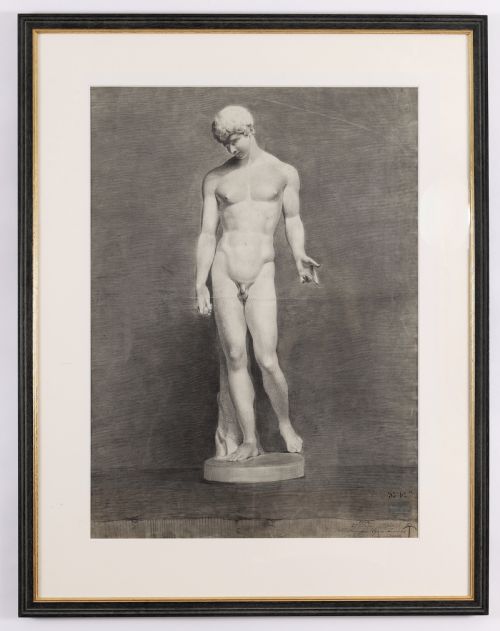
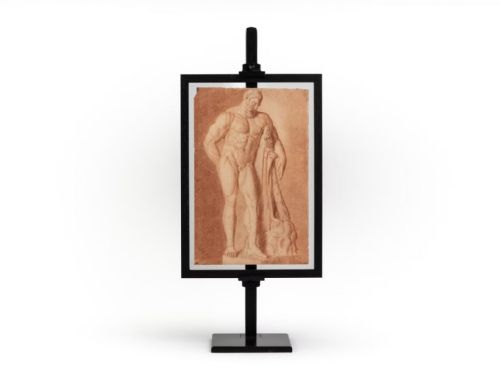
Academic art sculpture encompasses both three-dimensional bronze and plaster figures and two-dimensional works on paper such as red chalk drawings and framed artwork. These pieces reflect the formal training of European academies during the eighteenth and nineteenth centuries, often drawing on classical antiquity and mythological subjects.
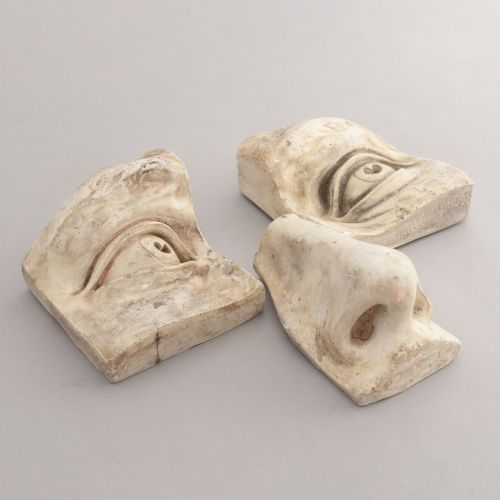
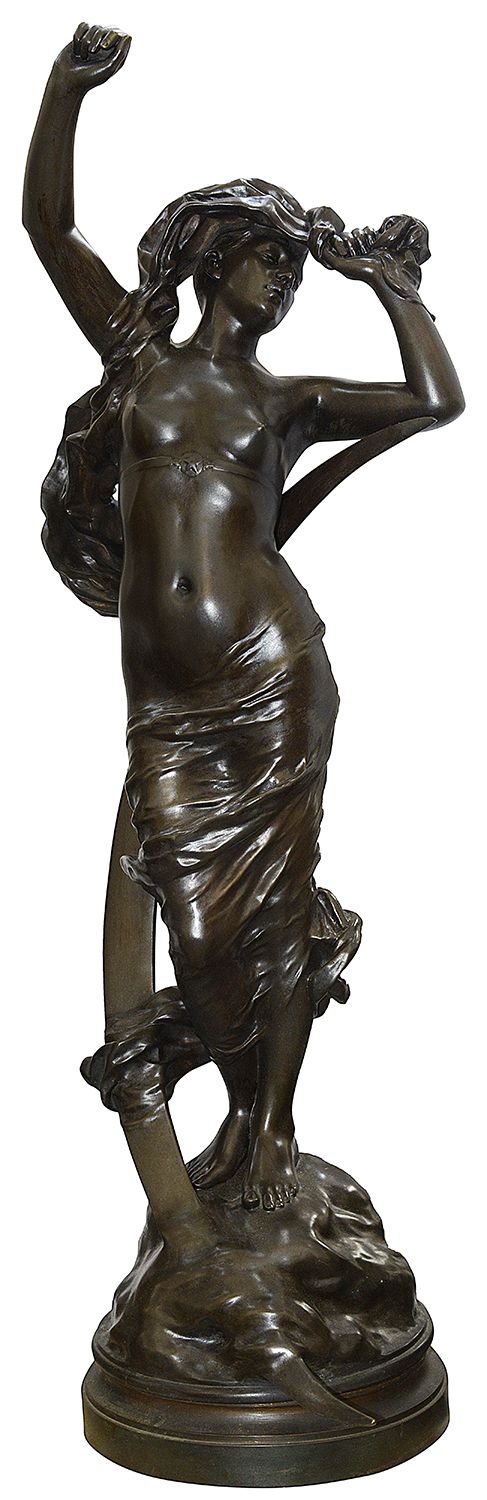
The versions most commonly met on this page are nineteenth-century bronze figures and patinated bronze sculptures, alongside plaster casts and table lamps incorporating sculptural elements. Makers of this period deployed traditional casting techniques to render subjects ranging from David and Goliath to classical maidens and allegorical figures.
Originating largely from French and Italian schools, these works display distinct stylistic categories including Neoclassical, Neoclassical Academic, Orientalist, and Beaux-Arts. The forms vary from intimate framed drawings and busts to large-scale statuary and functional lamps.
Materials and methods
Bronze and patinated bronze dominate the medium, shaped through traditional foundry casting methods that capture intricate details like drapery, hair braids, and musculature. Plaster casts provide another key format, replicating renowned classical and Renaissance subjects with crisp surface definition.
Paper and charcoal support the graphic works, notably seen in red chalk drawings executed on both recto and verso sides. Supporting elements incorporate marble, glass, and wood within frames, table lamps, and sculptural bases.
Materials documented across the pieces include bronze, patinated bronze, marble, paper, glass, charcoal, wood, and plaster.
Assessing quality and execution
The depth and nuance of the patination significantly influence the visual impact of a bronze figure. Controlled variations in tone enhance the modelling of the form, whereas flat or uniform colouring obscures the sculptor's original intention.
Julien Lorieux·Justo de Gandarias·Charles Arthur Bourgeois·Antonin Mercié·Houdebine·Adrien Gaudez·Aug. Moreau·Henri Plé·J C De Blezer·Louis Ernest Barrias
The Academic Art Sculpture Glossary
- Patinated bronze
- Bronze treated with chemical solutions to produce a specific surface colour, ranging from deep brown to golden hues. This finish protects the metal and accentuates the contours of the sculpture.
- Plaster cast
- A three-dimensional copy of a sculpture or architectural element formed in plaster of Paris from a mould. These casts served as vital teaching tools in European art academies.
- Recto and verso
- Terms denoting the front and the back sides of a sheet of paper or drawing. Works carrying drawings on both sides indicate the economical use of paper during preparatory studies.
- Beaux-Arts
- A style of architecture and sculpture originating from the École des Beaux-Arts in Paris. It synthesises classical Roman and Greek forms with ornate detailing.
- Neoclassical academic
- A rigorous artistic style grounded in the imitation of classical antiquity and strict adherence to academy rules. It prioritises balanced composition, noble subjects, and anatomical precision.
Academic Art Sculpture: Frequently Asked Questions
What is an academic art sculpture?
Academic art sculpture refers to works produced under the influence of European art academies during the nineteenth and eighteenth centuries. These pieces typically follow classical traditions, focusing on mythological, historical, and allegorical subjects with strict anatomical accuracy.
Such works include bronze figures, plaster casts, and works on paper like red chalk drawings. They represent the rigorous training standards of institutions like the French and Italian schools of art.
How do I identify a nineteenth century bronze?
Nineteenth-century bronzes often bear foundry marks, signatures of the sculptor, or dates that help establish their period. Examining the quality of the chasing and the depth of the patinated bronze surface provides further clues to its authenticity.
Many pieces from this era depict classical or allegorical themes, such as figures from mythology or historical narratives. Comparing the style to documented works by makers active in the eighteen-eighties or eighteen-nineties assists in dating.
Where were these sculptures made?
The majority of these pieces originate from European workshops, particularly within nineteenth-century France and Italy. Paris served as a major hub for bronze casting and academic art production during this era.
Foundries and individual artists worked closely within the stylistic frameworks of the period, producing works that ranged from small decorative lamps to large exhibition bronzes. Italian schools also contributed significant works, particularly in drawings and classical studies.
How should I display academic sculptures at home?
Academic sculptures and bronze figures suit stable surfaces such as sideboards, pedestals, or mantelpieces where their weight is supported safely. Placing them away from direct sunlight protects any patinated finishes or framed paper works displayed nearby.
Lighting plays a key role in highlighting the patination and three-dimensional form of bronze figures. Ensuring adequate space around the piece allows the detailed modelling of subjects like female figures or classical heroes to be appreciated fully.