



9ct Gold Gemstone Pendant
A 9ct gold gemstone pendant combines lower-carat precious metal with colourful stones, offering a wearable piece of history spanning the Victorian to mid-century eras.
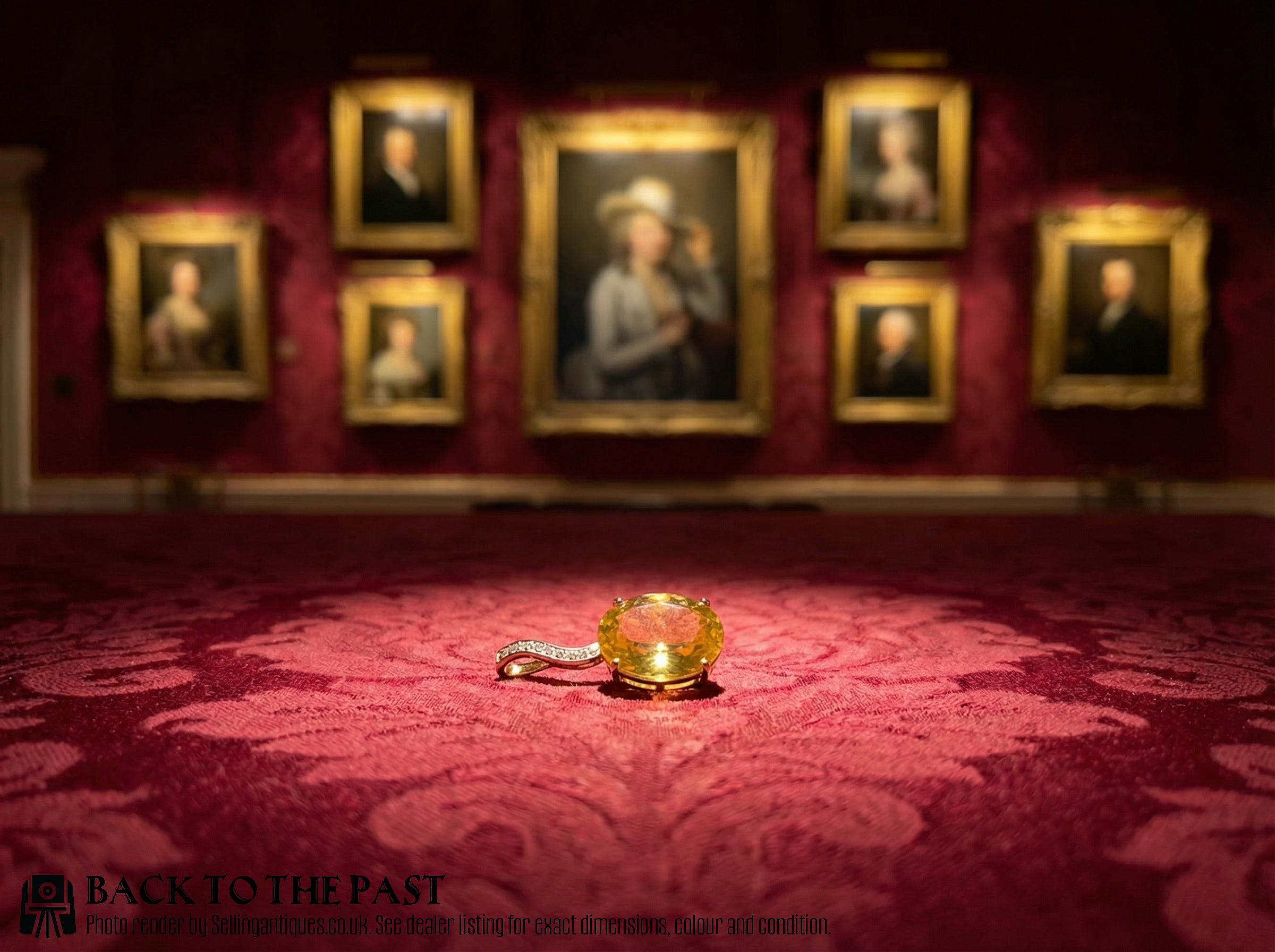
9ct Gold Gemstone Pendant
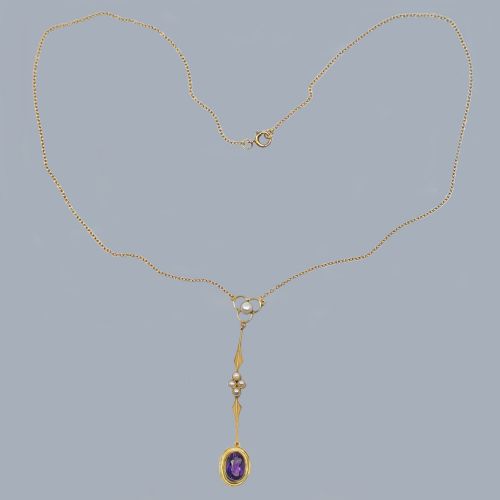
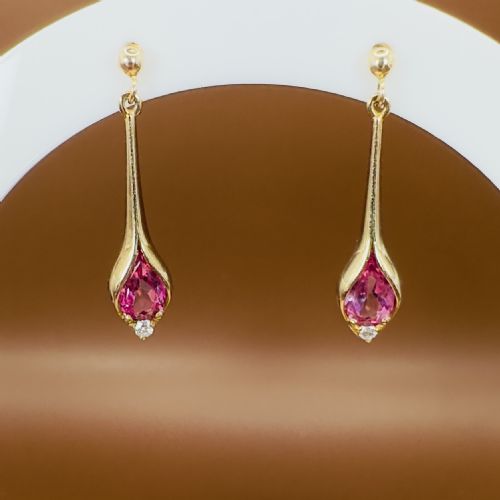
When you search for a 9ct gold gemstone pendant, you encounter pieces originating from the Victorian period through to the 1960s, encompassing Edwardian, Art Nouveau, and Art Deco designs. These items frequently appear alongside related jewellery such as drop necklaces, fobs, and earrings set with coloured stones.
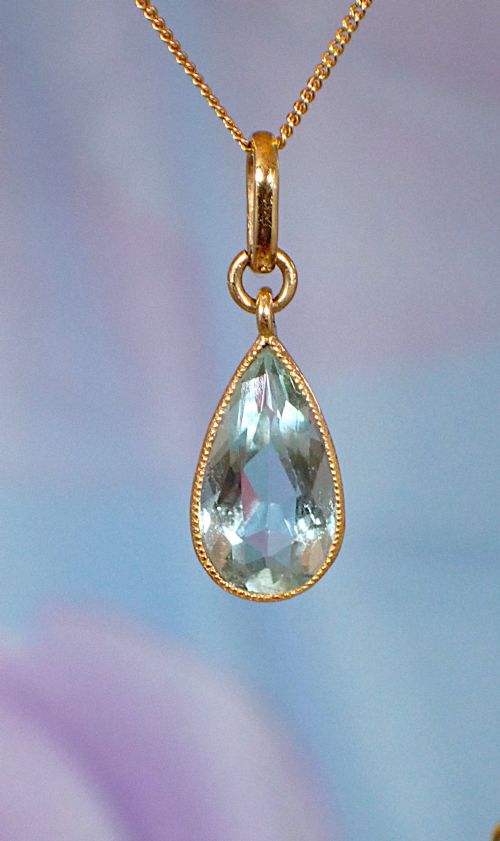
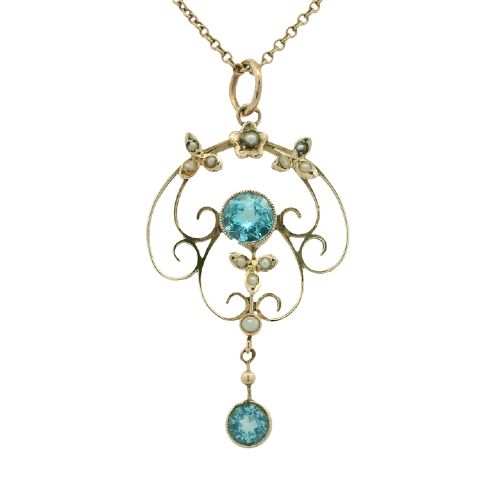
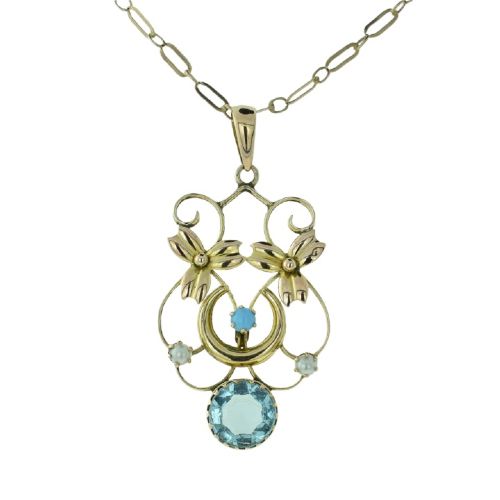
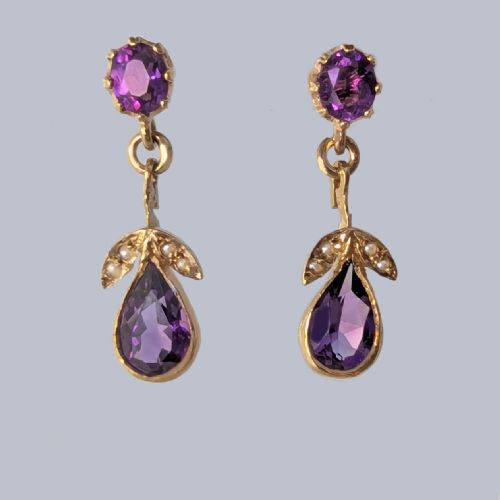
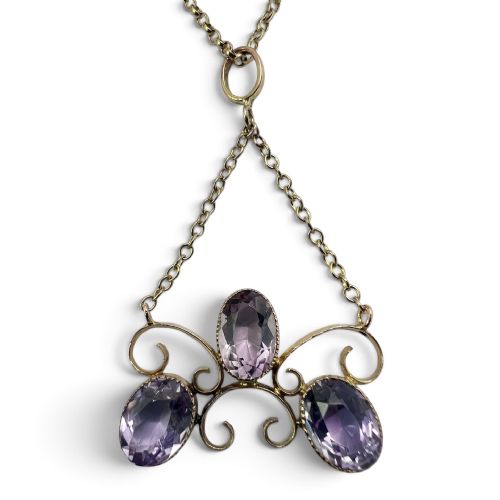
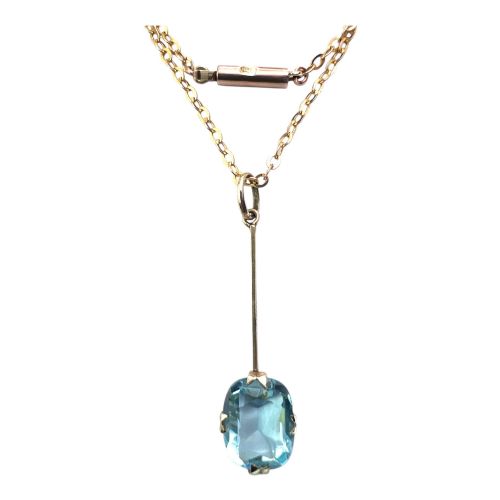
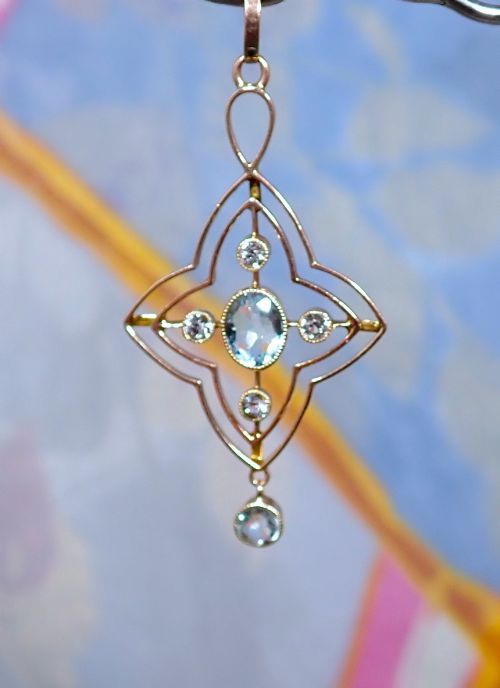
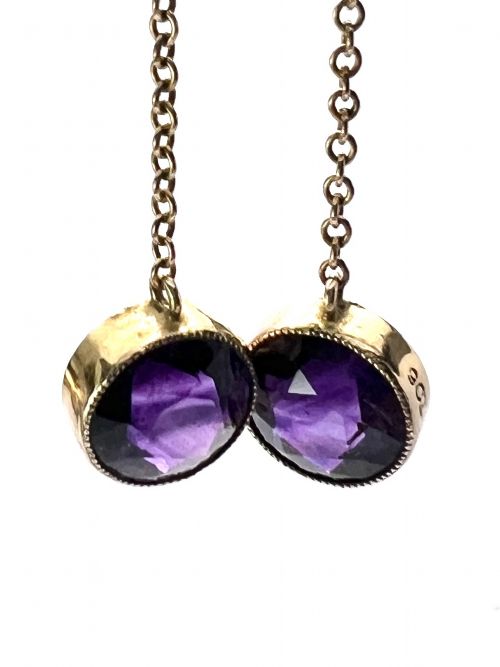
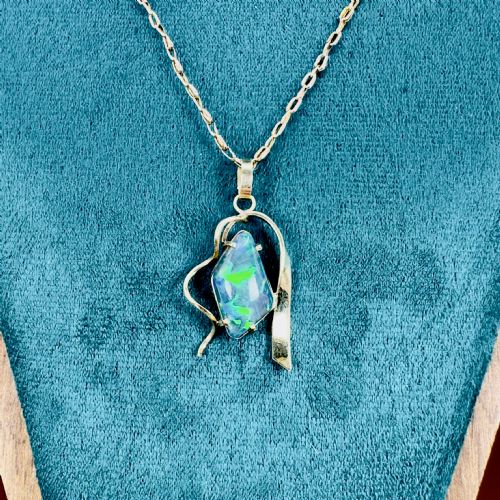
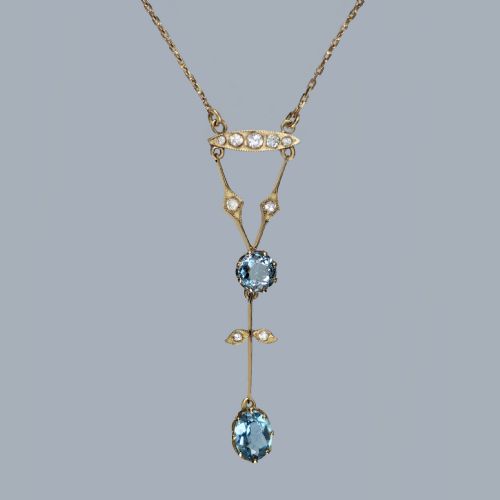
The most common examples on this page date from the Edwardian era around 1910, often featuring delicate combinations of amethysts, seed pearls, and aquamarines mounted in yellow or rose gold. Mid-century examples also feature strongly, bringing bolder opals, garnets, and topazes into simpler pendant settings.
Materials and construction
The metal framework relies on 9-carat gold, encompassing standard yellow gold alongside rose and white variations, which provides a durable yet accessible foundation for gemstone settings. Goldsmiths during the Edwardian and Art Nouveau periods utilised fine wirework and millegrain edges to secure seed pearls, amethysts, and aquamarines.
Gemstones are shaped into faceted cuts, cabochons, or intaglios, depending on the mineral and the prevailing style of the decade. Natural stones like turquoise, bloodstone, opal, and garnet are mounted securely within claw settings, bezels, or open-backed frames that allow light to pass through the crystal.
Listings span eight distinct periods, stretching from the late Victorian era through to the late twentieth century, with a strong representation of Edwardian and mid-century designs.
Assessing quality and craftsmanship
Quality in these pendants rests upon the crispness of the metalwork, the integrity of the stone settings, and the preservation of delicate design elements like filigree or seed pearl clusters. Pieces featuring well-matched natural gemstones with clean facets or lively play-of-colour command greater attention from collectors.
The skill of the period maker dictates the overall harmony of the design, from fluid Art Nouveau curves to precise Art Deco geometry. Marks of distinction include clear hallmarks, undamaged prongs, and original chains that complement the drop pendant.
S. Blanckensee & Son
The 9ct Gold Gemstone Pendant Glossary
- Seed pearl
- A very small, naturally occurring pearl often drilled and threaded into clusters or floral motifs on Edwardian pendants.
- Cabochon
- A gemstone shaped and polished with a smooth, rounded surface rather than faceted edges, commonly seen on opals, garnets, and moonstones.
- Intaglio
- A gemstone or seal engraved with a design cut into the flat surface so that an impression can be made in wax.
- Filigree
- Ornamental work consisting of fine, twisted gold wire soldered together in delicate openwork patterns.
- Fob
- A short chain or ornamental attachment, often housing a swivel seal or hardstone like carnelian, adapted to be worn as a pendant.
9ct Gold Gemstone Pendant: Frequently Asked Questions
How do I date a 9ct gold gemstone pendant?
Dating relies on stylistic clues, such as flowing floral motifs for Art Nouveau pieces or geometric lines for Art Deco designs, alongside any accompanying hallmarks or chain types. Consulting the era associated with specific gemstone pairings helps narrow down the decade of production.
Victorian and Edwardian versions often employ seed pearls and softer pastel stones, whereas 1950s and 1960s pieces frequently showcase bolder topaz, opal, or garnet solitaire arrangements.
Were these pendants originally worn with chains?
Many period pieces survive with their original matching or period-appropriate 9ct gold chains, though others have been paired with replacement chains over time. Some listings specify whether the chain is contemporary to the pendant or added later.
Drop necklaces and pendant chains from the early twentieth century often feature delicate links designed to sit high on the collarbone.
Are the gemstones in these pendants natural?
The listings encompass a wide range of natural minerals including aquamarine, amethyst, garnet, opal, peridot, and sapphire, alongside specific historical substitutes like paste. Natural stones exhibit characteristic inclusions or colour zoning under magnification.
Verification of stone types is guided by period conventions, where materials like seed pearls, turquoise, and bloodstone were standard for Victorian and Edwardian workshops.
How should I care for antique 9ct gold jewellery?
Maintaining these pieces requires gentle cleaning with a soft cloth and warm, soapy water, avoiding harsh chemical dips that can damage softer stones like opals and pearls. Storing each pendant separately prevents scratching between the gold metal and faceted gems.
Secure settings should be checked periodically by a professional jeweler, particularly on Edwardian pieces featuring delicate seed pearl claws.