
9ct Yellow Gold Pendant
A 9ct yellow gold pendant brings warm metal tones and character to the neckline, offering wearable history from Victorian to mid-century eras.
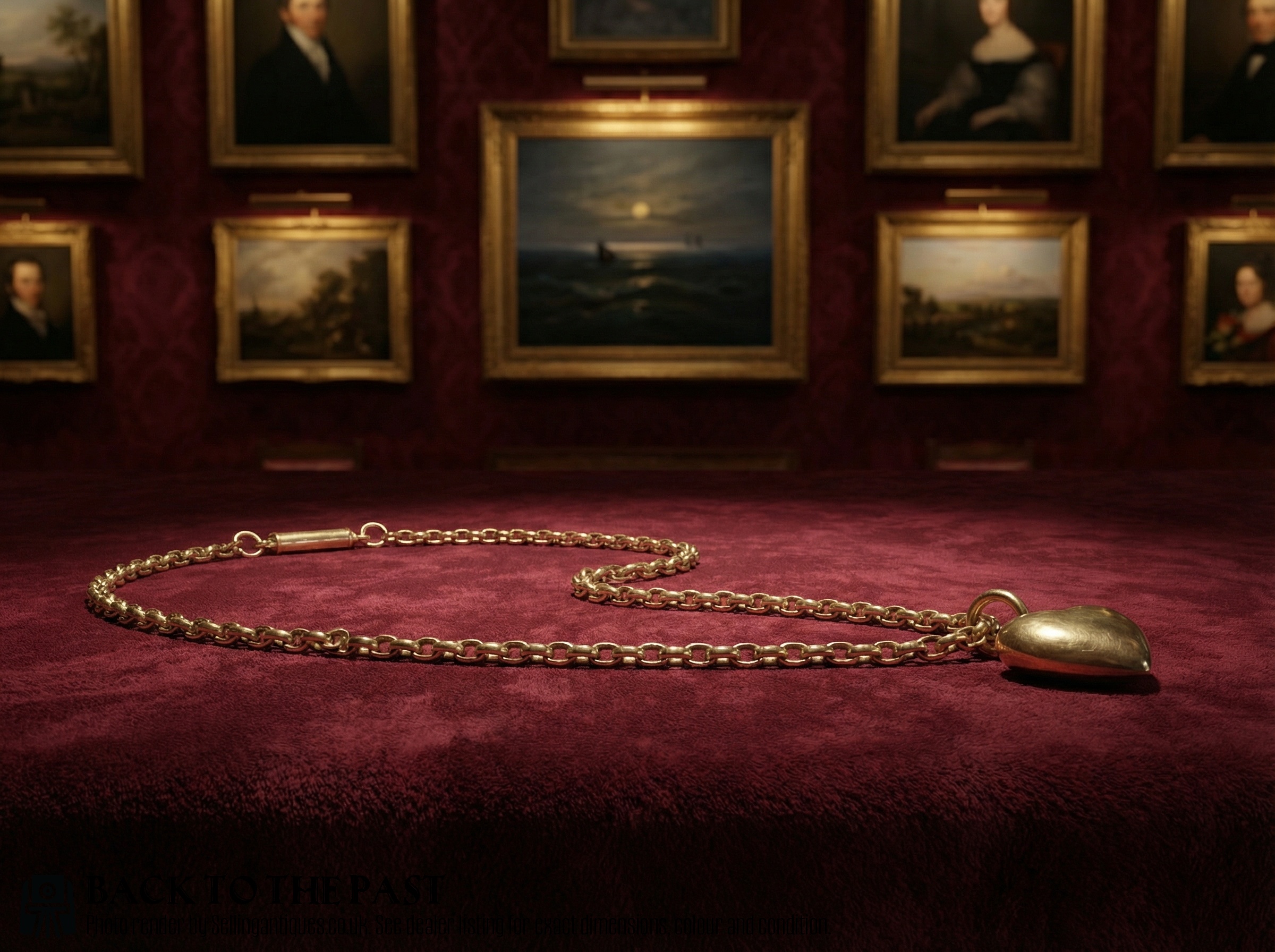
9ct Yellow Gold Pendant
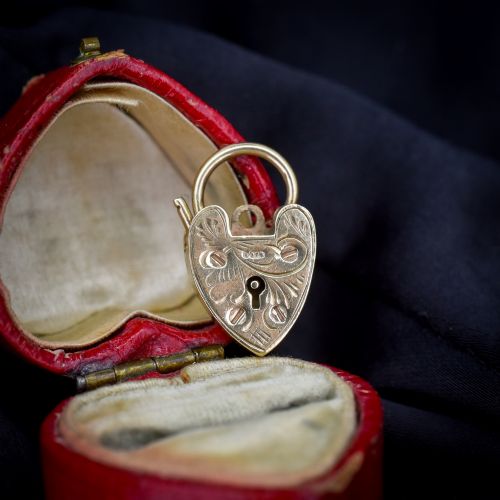
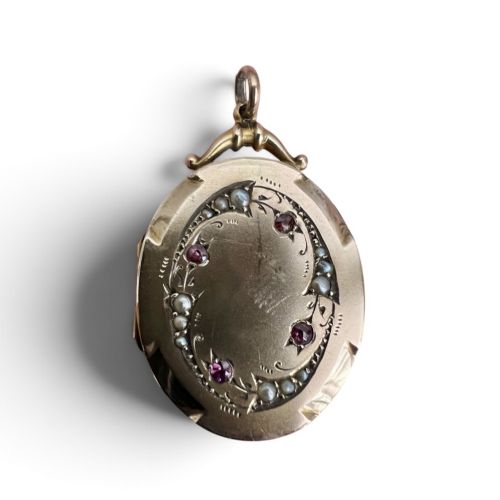
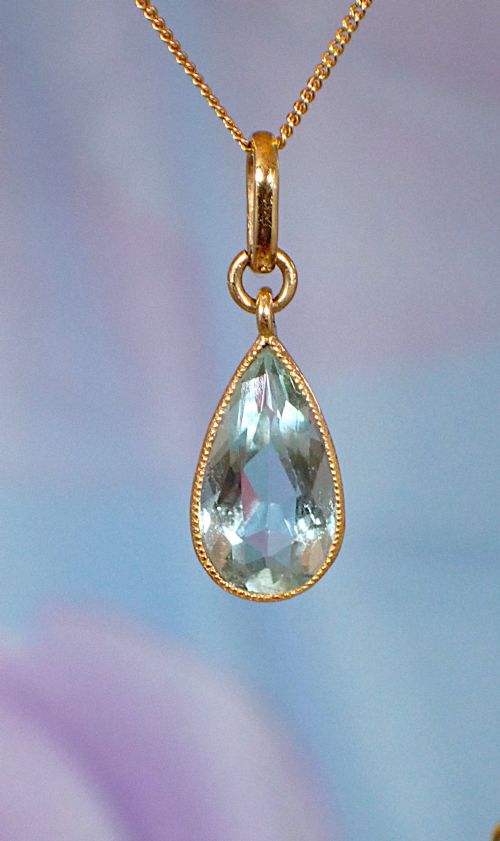
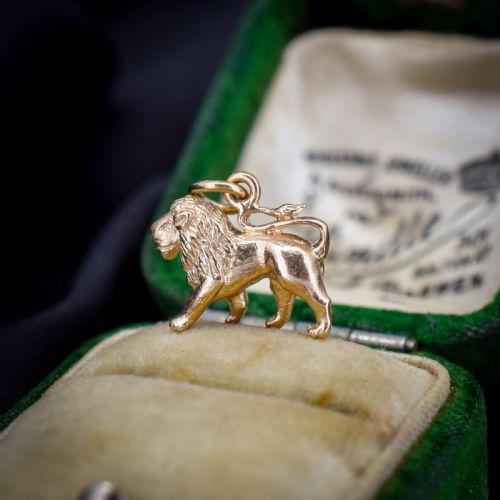
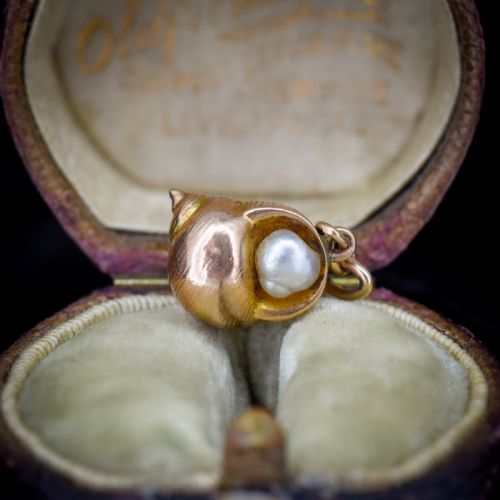
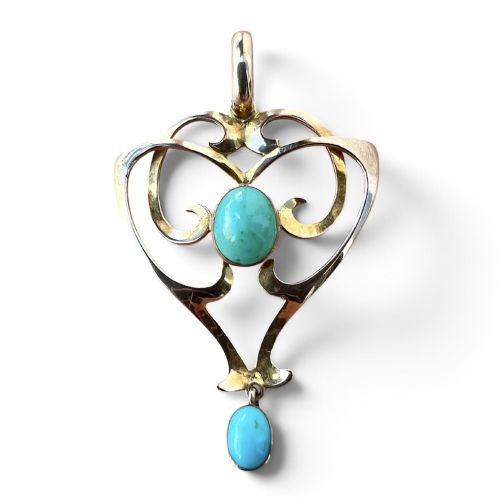
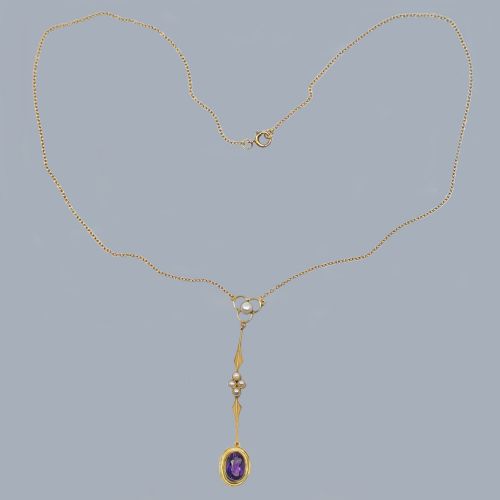
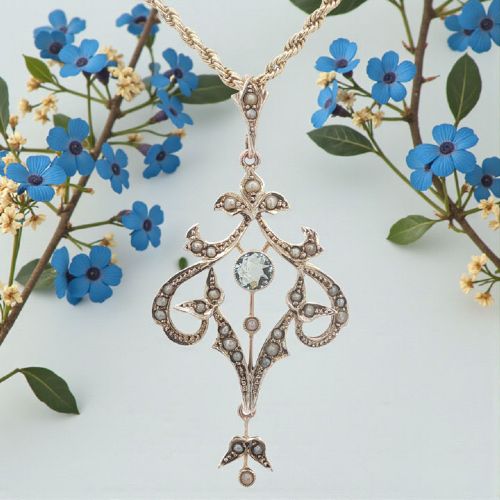
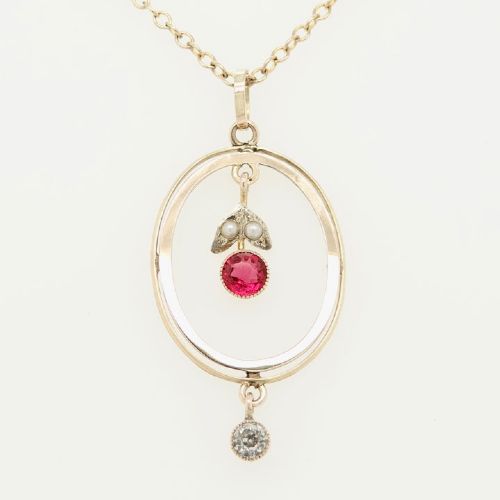
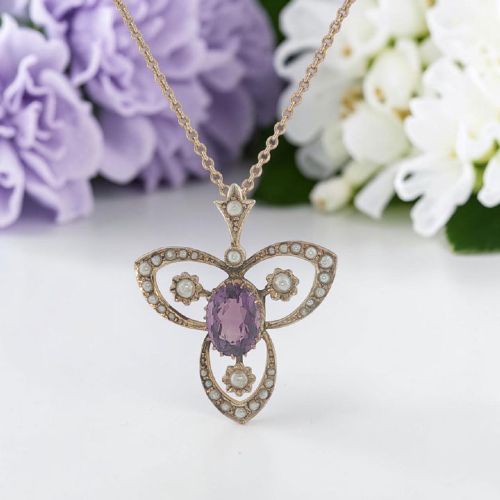
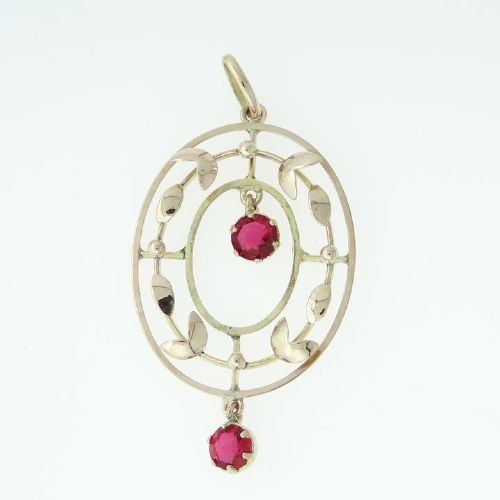
A 9ct yellow gold pendant encompasses everything from Victorian lockets and Edwardian lavaliers to mid-century animal charms and gemstone drops. When browsing this selection, pieces dating from the Victorian and Edwardian periods sit alongside 1930s heart necklaces and 1960s figural charms.
The most common forms on this page include charm pendants, gemstone clusters, crosses and lockets. These items combine the durability of nine-carat alloy with varied stones like peridot, amethyst, diamond and pearl.
Makers utilised diverse regional styles ranging from contemporary fine jewellery to traditional countryside motifs. Buyers encounter both delicate drop pendants and substantial rotating or opening charm designs.
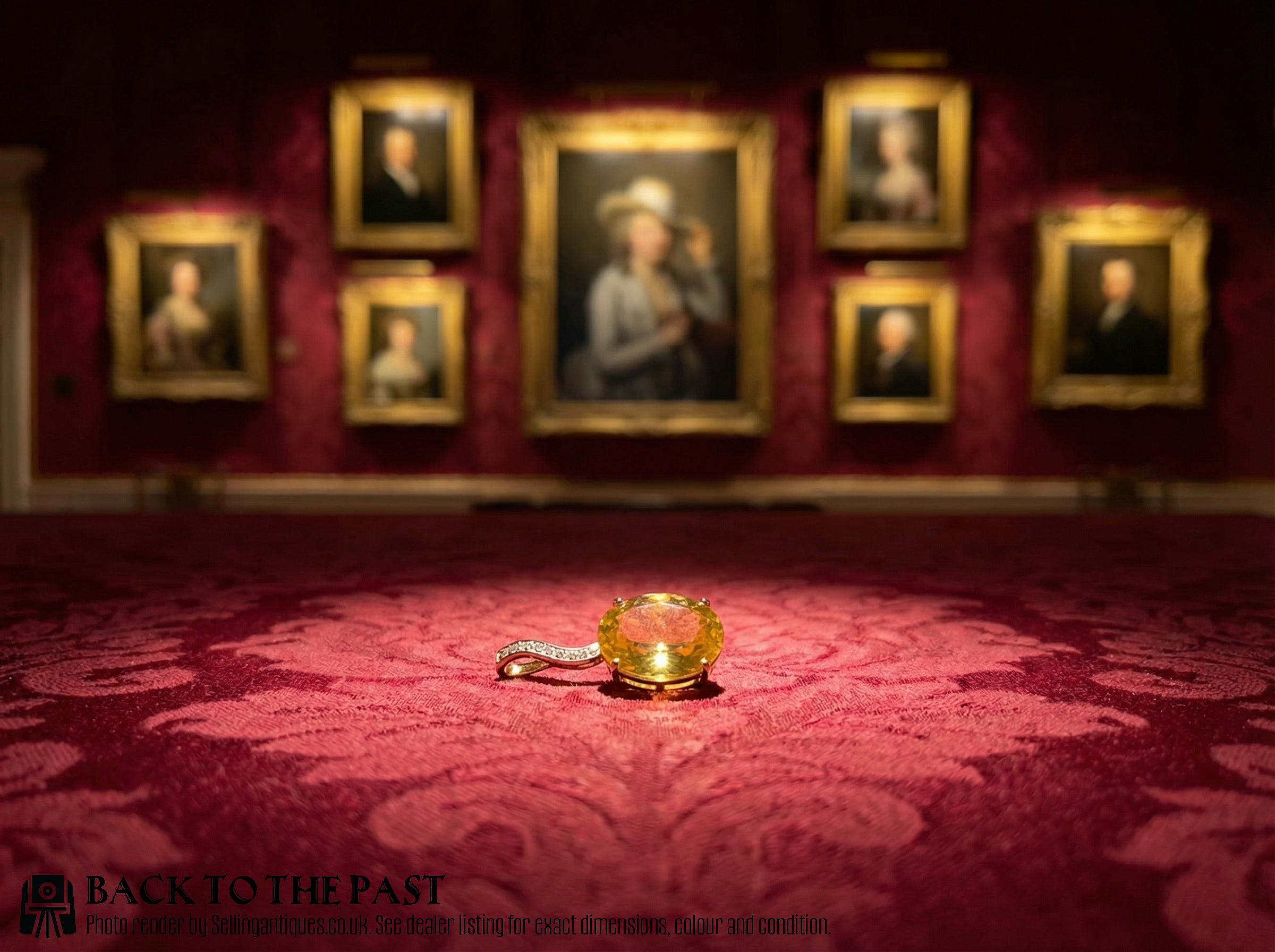
How they were made
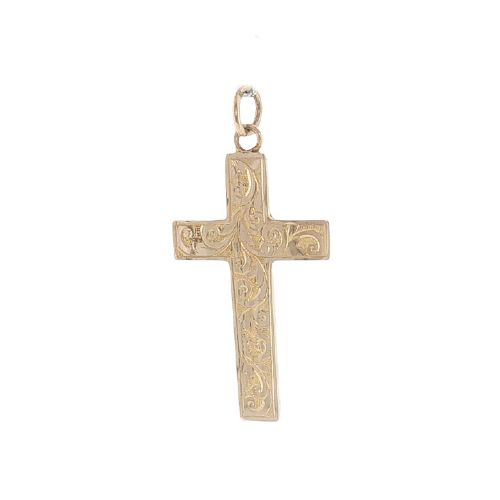
Craftsmen worked nine-carat yellow gold using traditional casting, stamping and hand-engraving techniques to shape frames, lockets and figural charms. Surface decoration often involved intricate scroll patterns, repoussé relief or pierced metalwork.
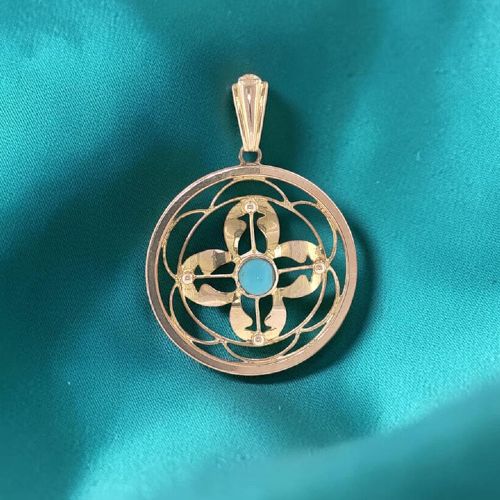
Gemstones such as diamonds, rubies, sapphires, peridots and cultured pearls were securely set using claw, bezel or flush settings within gold mounts. Articulated components like spinning sections and tassel fringes required precise miniature engineering.
9ct Yellow Gold Pendant Retail Price Guide 2026
Typical asking prices for 9ct yellow gold pendant among the pieces listed under this phrase on Sellingantiques today, from the lower quarter to the upper quarter. They describe what is for sale here now, not the wider market.
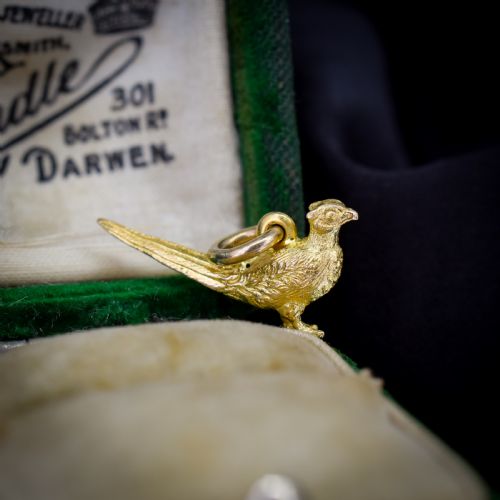
Among the fauna are tiny gold pheasants and playful pearl cats that prove Victorians and mid-century makers had a sense of humour.
What varies in quality
The standard of a 9ct yellow gold pendant rests on the crispness of its hand-engraving, the symmetry of its stone clusters and the structural integrity of hinged or spinning elements. Superior examples display clean solder joints and deep, legible hallmarks.
Gemstone selection dictates the upper tier of the range, where well-matched natural stones and old-cut diamonds elevate standard gold work into fine jewellery. Lesser pieces rely purely on plain stamped metal without supplementary gems or hand finishing.
The 9ct Yellow Gold Pendant Glossary
- Lavalier
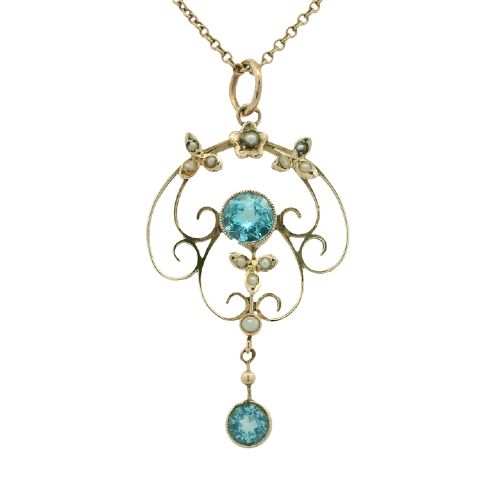
- A drop pendant featuring a central stone suspended from a smaller gemstone or motif, popular during the Edwardian period.
- Cluster pendant
- A jewellery piece arranged with a central stone encircled by a border of smaller accent stones, typically diamonds or pearls.
- Hallmark
- An official stamp applied to precious metals indicating the purity of the gold and the assay office of origin.
- Repoussé
- A metalworking technique where the gold is hammered from the reverse side to form a raised design on the front.
- Charm pendant
- A miniature figural or symbolic object designed to dangle from a neck chain or bracelet.
9ct Yellow Gold Pendant: Frequently Asked Questions
How do I date a 9ct yellow gold pendant?
Dating relies on hallmarks, stylistic cues and the type of gemstone settings used in the piece. Victorian and Edwardian items often feature distinct motifs like lavalier drops or natural seed pearls.
Mid-century examples tend toward cleaner abstract lines or playful figural charms. Comparing construction methods against documented historical styles confirms the era.
What is the difference between an Edwardian and a Victorian pendant?
Victorian pieces generally display heavier metalwork, dark gems like garnets, or sentimental motifs such as hair compartments and pique inlay. They project a sense of romantic solemnity.
Edwardian designs embrace lighter, airier platinum-topped gold settings, lavaliers and pastel stones like peridot and amethyst. This later era favoured delicate lace-like geometry.
Can I wear a vintage gold pendant every day?
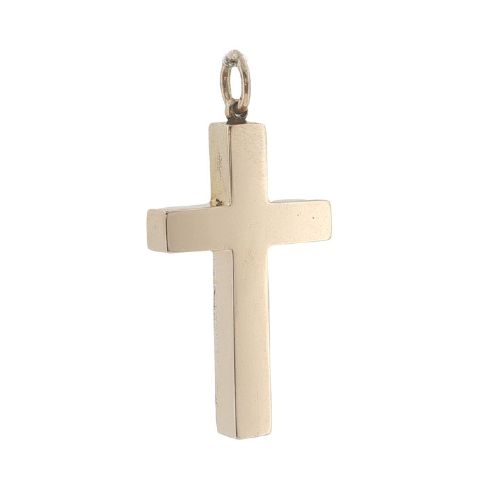
Nine-carat gold offers robust durability for daily wear because the alloy contains a higher proportion of strengthening metals than pure gold. Solid cross drops and smooth lockets handle regular use well.
Fragile pieces with hollow construction, intricate paste settings or delicate pearl dangles require more careful handling. Removing jewellery during strenuous tasks preserves older mountings.
How should I clean a gold and gemstone pendant?
Cleaning requires warm water, mild washing liquid and a very soft brush to remove accumulated oils from behind stone settings. Avoid harsh chemical dips that damage softer organic gems like pearls.
Dry the metal thoroughly with a soft cloth to maintain the polished yellow gold lustre. Periodically check that claw settings hold gemstones firmly in place.