



9ct Gold Chain Pendant
A 9ct gold chain pendant brings together the warm glow of enduring alloy and suspended gemstones spanning from the Victorian era to the mid-twentieth century.
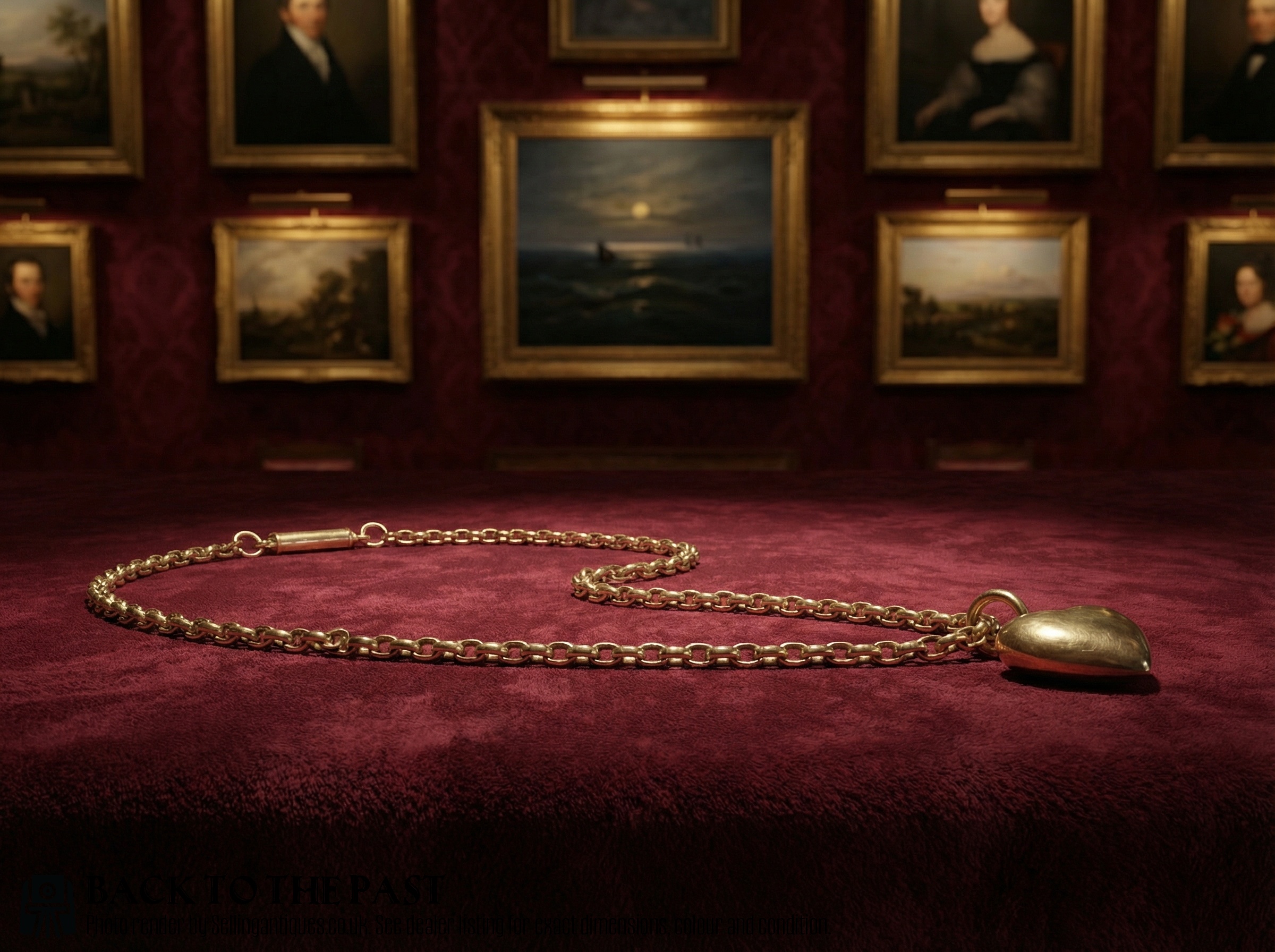
9ct Gold Chain Pendant
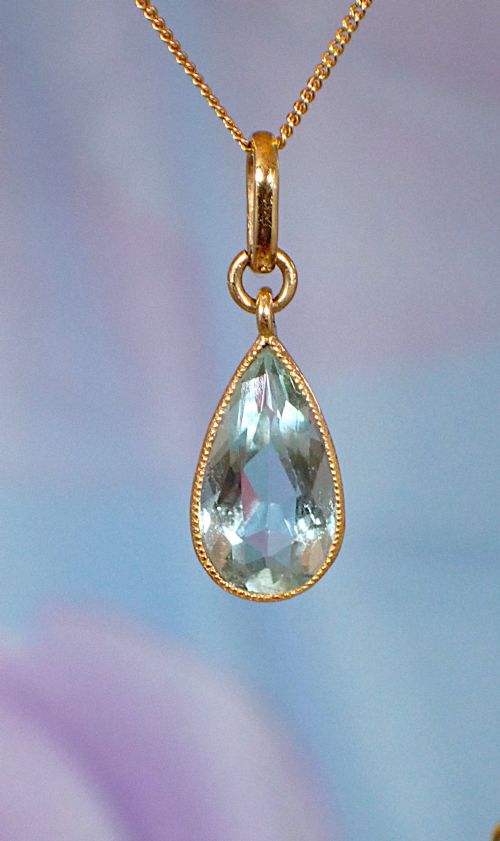
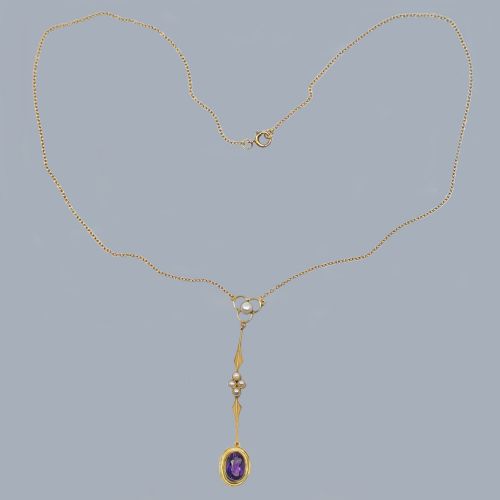
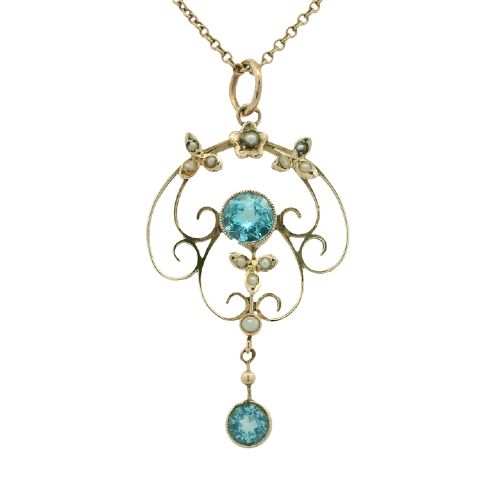
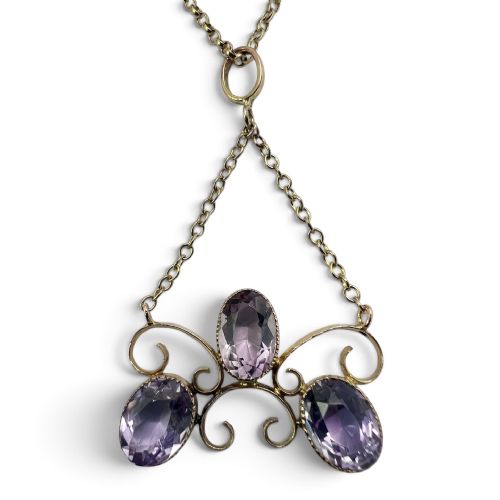
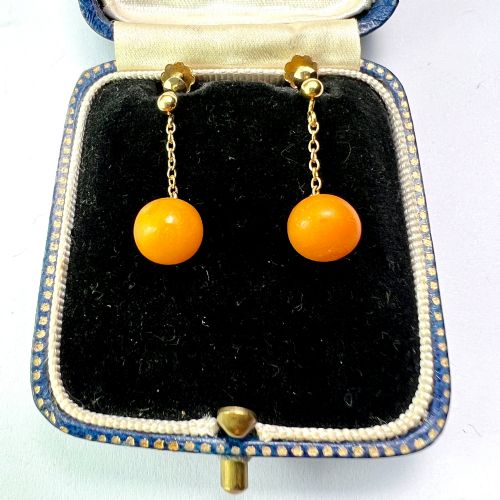
When searching for a 9ct gold chain pendant, a buyer encounters a diverse assembly of necklaces, drop pendants, and lockets suspended on various link chains. These pieces originate from distinct periods including the Victorian, Edwardian, Art Deco, and mid-twentieth-century decades.
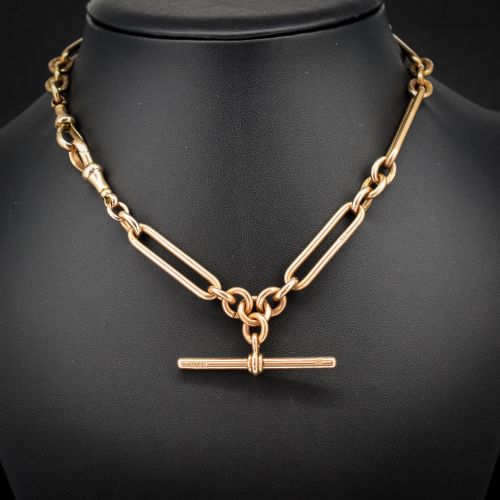
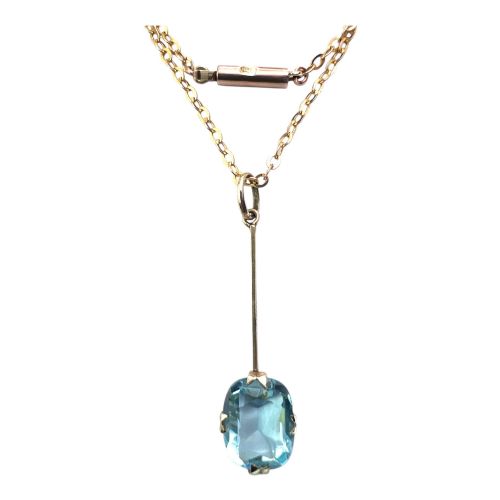
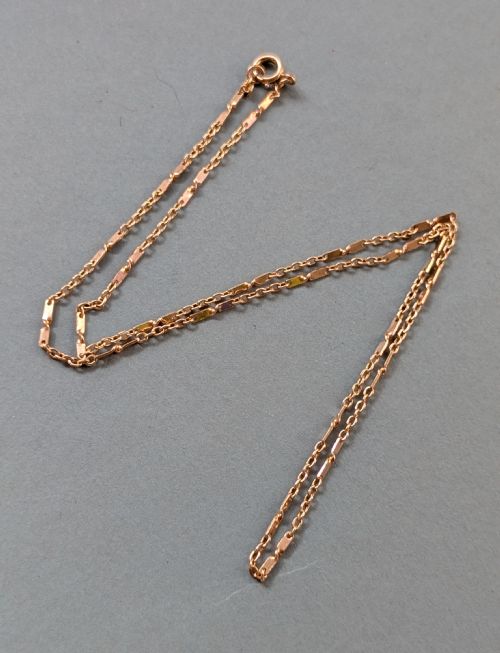
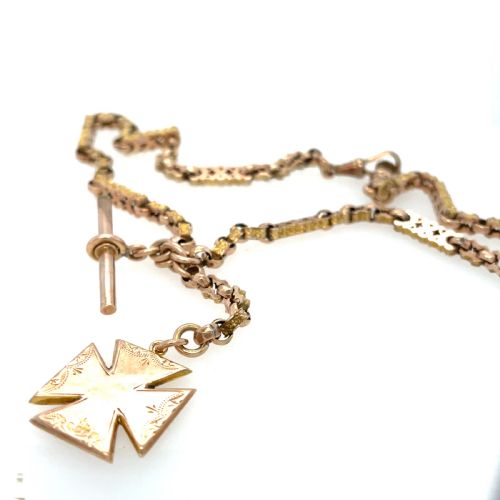
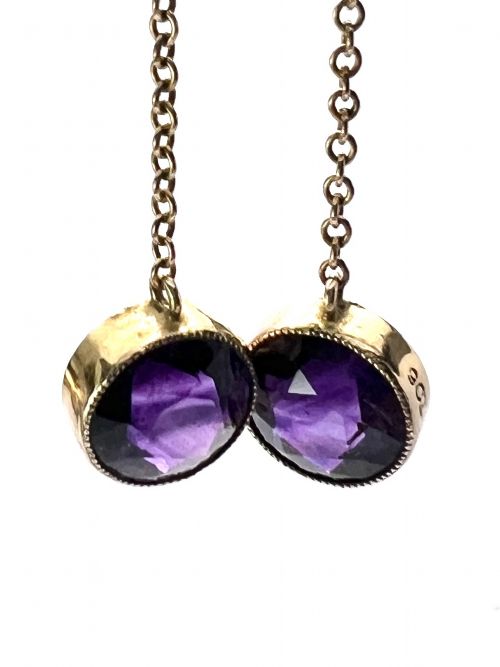
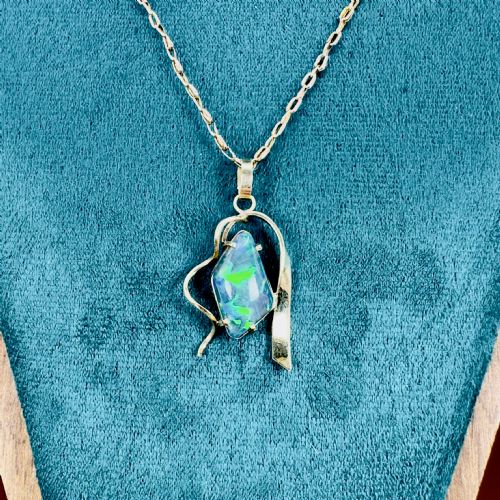
The most common variants on this page combine a yellow, rose, or white 9ct gold chain with a pendant housing stones such as amethyst, aquamarine, peridot, opal, garnet, and diamond. Many items pair the pendant directly with matching Albert chains, trombone links, or delicate cable chains.
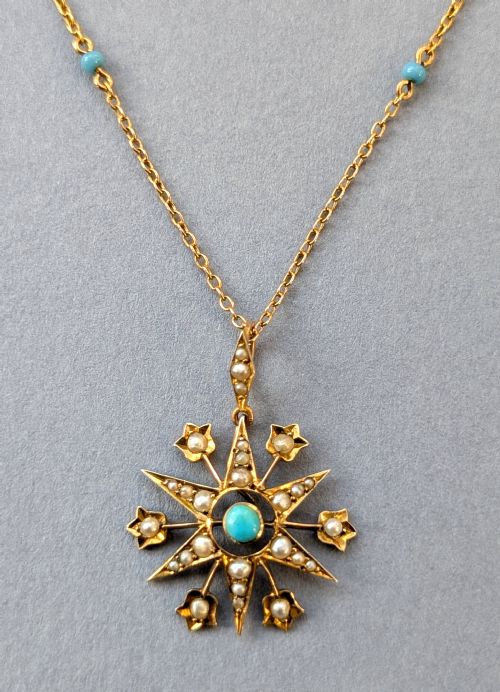
Forms range from floral starbursts and heart motifs to geometric Art Deco designs and simple solitaire drops. Each piece reflects the aesthetic shifts of its era, moving from intricate Edwardian seed pearl work to bolder mid-century gem-set clusters.
How they were made
The construction of these items relies on 9ct gold fashioned into fine chains, settings, and structural drops, frequently paired with rose, yellow, or white alloy variations. Goldsmiths utilised traditional techniques such as wire-working, filigree, and claw settings to secure the central stones.
Gemstones including amethysts, garnets, aquamarines, and diamonds were hand-cut into oval, pear, cushion, and trillion shapes, then integrated alongside seed pearls and paste elements. Chain assembly involved connecting trombone, oval, or uniform links fitted with dog clips, bolt rings, or T-bars.
Among the gemstone menagerie, a tiny gold-mounted spider pendant waits patiently on its web of links.
What varies in quality
Quality differences stem from the subtlety of the goldsmith's handwork, visible in the fineness of filigree detailing and the structural integrity of the chain links. Pieces featuring well-matched, high-clarity gemstones or natural pearls command greater interest than those with standard commercial stones.
The preservation of original components, such as matching dog clips, trombone links, and secure settings without modern replacement parts, elevates the integrity of the piece. The overall balance between the weight of the gold chain and the scale of the suspended pendant dictates the aesthetic success of the design.
Murrle Bennett
The 9ct Gold Chain Pendant Glossary
- Albert chain
- A sturdy chain originally designed to attach to a pocket watch, frequently adapted to hold pendants and fitted with a T-bar.
- Seed pearl
- A very small, naturally formed pearl, often drilled and sewn or strung into intricate floral and starburst patterns during the Edwardian and Victorian eras.
- Trombone link
- A type of watch chain link shaped like a paperclip or trombone slide, valued for its geometric regularity and strength.
- Lavalier
- A delicate pendant style featuring a main drop suspended from a smaller secondary element, popular during the Art Nouveau period.
- Dog clip
- A spring-loaded clasp used on antique chains to secure pendants, fobs, or pocket watches safely.
9ct Gold Chain Pendant: Frequently Asked Questions
How do I date a 9ct gold chain pendant?
Dating relies on stylistic clues, such as the flowing organic lines typical of Edwardian and Art Nouveau pieces versus the geometric configurations of the 1920s and 1930s. The type of chain links, such as trombone or oval patterns with dog clips, also points toward specific manufacturing decades.
Material combinations further help narrow the timeframe, with seed pearls and amethysts frequently marking the Edwardian period, while bolder diamond clusters and white gold settings often indicate mid-century production.
What is 9ct gold?
Ninth-carat gold is an alloy composed of 37.5 percent pure gold mixed with other metals like copper, silver, and zinc to increase durability. This composition was widely adopted for everyday jewellery because it resists daily wear better than higher-carat alternatives.
The alloy appears in yellow, rose, and white variations depending on the proportions of the secondary metals blended with the gold.
How were antique pendants worn?
Victorian and Edwardian pendants were typically suspended from long chains, sometimes incorporating Albert chains, T-bars, and fobs. They served both decorative functions and practical ones, often securing to clothing or fastening around the neck.
Many pieces transitioned between being worn as standalone necklaces and attached to brooches or pocket watch fasteners depending on the fashion of the day.
Are these chains original to the pendants?
Many listings feature antique pendants paired with matching period chains or later complementary gold chains. Evaluating the colour of the gold and the wear on the links helps determine if the chain and pendant have a shared history.
Original configurations often include specific link types like trombone or oval chains fitted with period-appropriate dog clips or spring rings.