
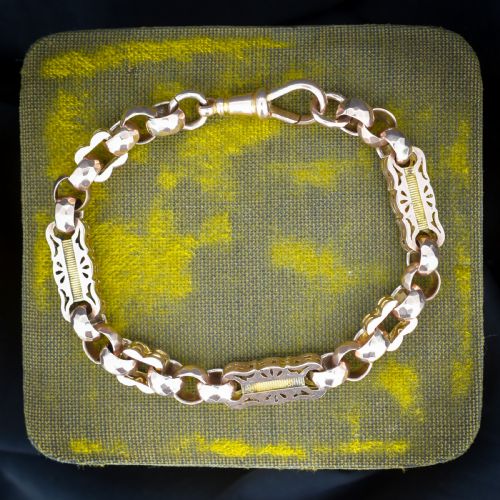


9ct Rose Gold Charm
A 9ct rose gold charm carries the warm blush of historic gold, offering a personal touch that collectors treasure on bracelets and chains.
9ct Rose Gold Charm
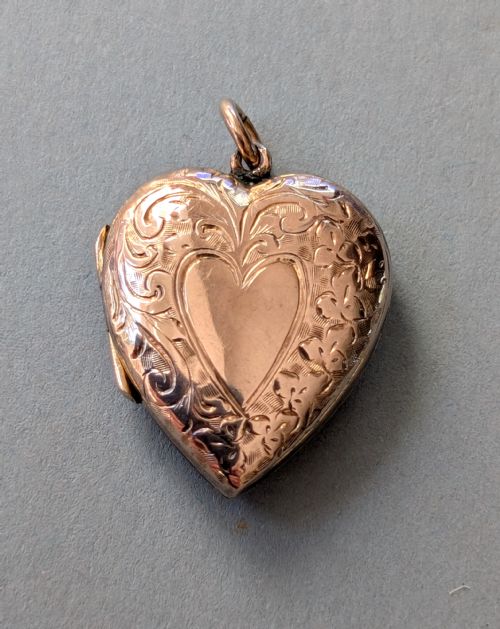
When you search for a 9ct rose gold charm, you encounter small decorative pieces created to adorn bracelets, lockets, and pendants across different eras. The selection on this page centres primarily on Victorian and Edwardian examples, alongside pieces from the 1960s and Georgian periods.
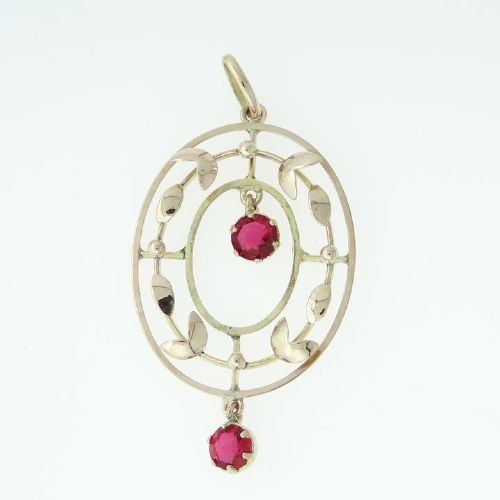
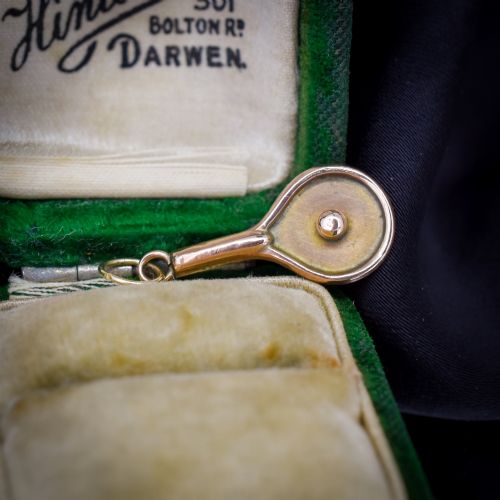
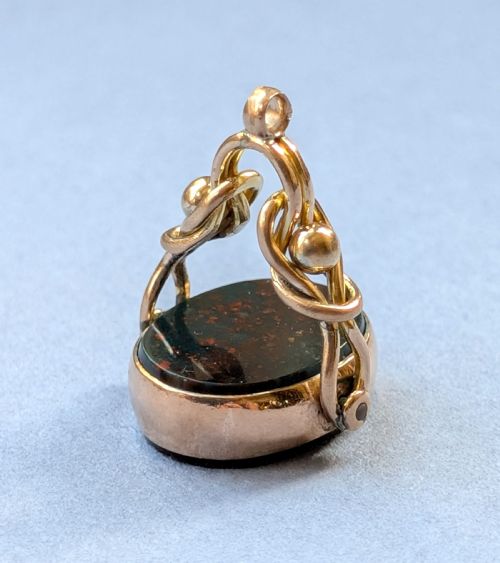
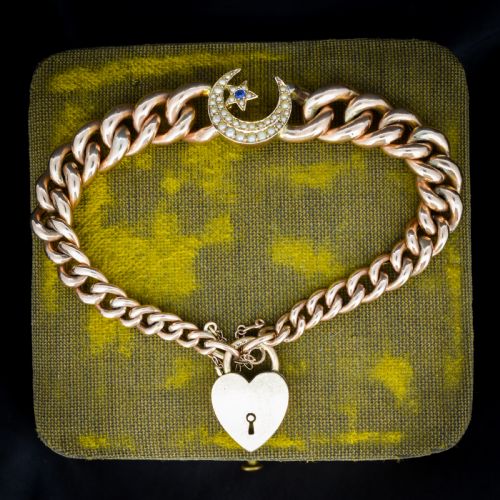
The forms span heart padlocks, tennis rackets, spinning fobs, acorns, and pendants set with gemstones like turquoise, seed pearl, bloodstone, and simulated ruby. These items often double as charms and pendants, reflecting the versatile jewellery designs of the nineteenth and twentieth centuries.
Materials and construction
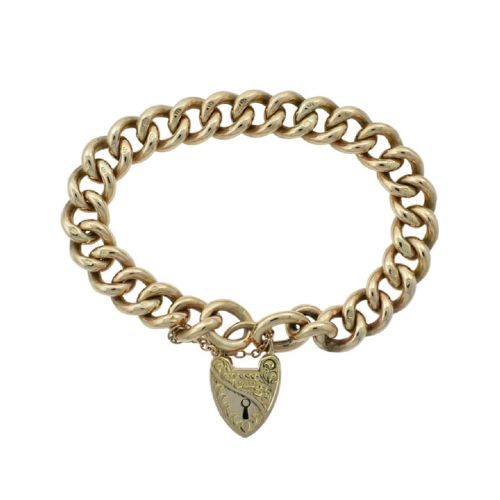
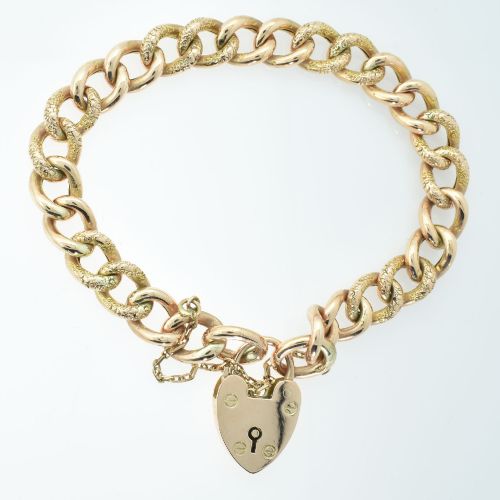
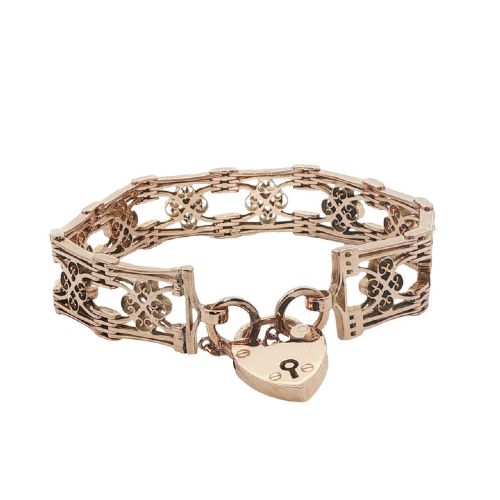
The pieces are fashioned from 9ct rose gold and 9ct yellow gold, sometimes paired with seed pearls, turquoise, bloodstone, and simulated ruby. Metalwork techniques include half engraving on curb chain bracelets, gate links, and fancy link stars and bars patterns.
Craftsmen built these items to be worn daily, incorporating secure split rings, heart padlocks, and detailed locket constructions. The warm hue of the rose gold comes from the copper alloy mix traditionally used by jewellers in the Victorian and Edwardian periods.
Listings feature 9ct rose gold alongside seed pearl, turquoise, bloodstone, and simulated ruby across Victorian, Edwardian, Georgian, and 1960s periods.
Distinguishing quality in historic gold pieces
Quality rests in the crispness of the hand engraving and the structural integrity of links, hinges, and padlocks. Pieces that retain deep, sharp chasing on curb links or intricate work on spinning fobs and propelling pencils stand out.
The integration of securely set stones, such as turquoise cabochons and seed pearls, alongside well-preserved hallmarks and maker's marks, separates finer examples from standard production.
The 9ct Rose Gold Charm Glossary
- Curb link
- A type of chain design featuring flattened, interlocking links that lie flat against the wrist. This form provides the sturdy foundation for many historic bracelets.
- Heart padlock
- A small heart-shaped fastening mechanism commonly used on Victorian and Edwardian gate and curb chain bracelets. It serves both a functional and decorative purpose.
- Spinning fob
- A pendant containing a rotating centre stone or seal, often mounted in a metal swivel frame. These were historically used to stamp wax seals.
- Seed pearl
- A very small, natural or cultured pearl used in clusters or crescents to decorate antique jewellery. They add a delicate white contrast to rose gold settings.
- Split ring
- A circular metal ring formed of two overlapping coils, similar to a modern key ring. It ensures charms and pendants remain securely attached to chains.
9ct Rose Gold Charm: Frequently Asked Questions
How do I date a 9ct rose gold charm?
Dating relies on hallmarks, style conventions, and construction methods associated with the Victorian, Edwardian, and later periods.
Items often bear specific date letters or monarchical markers that pinpoint their year of creation.
Can these charms be worn on modern bracelets?
Many historic charms and pendants adapt well to modern chains and charm bracelets using secure jump rings.
Care should be taken with antique mechanisms to ensure they stay fastened during daily wear.
What stones appear on these pieces?
Common decorative gems include turquoise, seed pearls, bloodstone, garnet, and simulated ruby.
These stones are typically flush-set or mounted in bezel settings typical of nineteenth-century craftsmanship.
Are these items solid gold?
The listings consist of solid 9ct rose and yellow gold rather than plated alternatives.
This composition ensures durability and allows the metal to maintain its characteristic warm tone over generations.