



20th Century Landscape
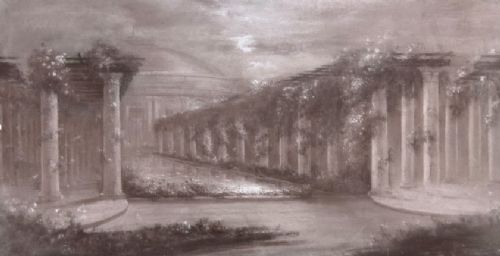
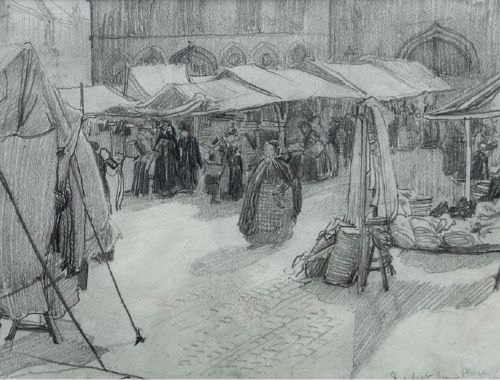
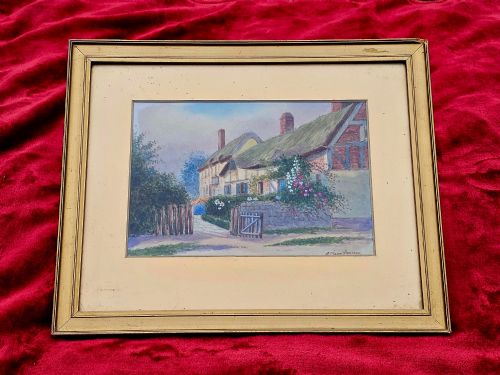
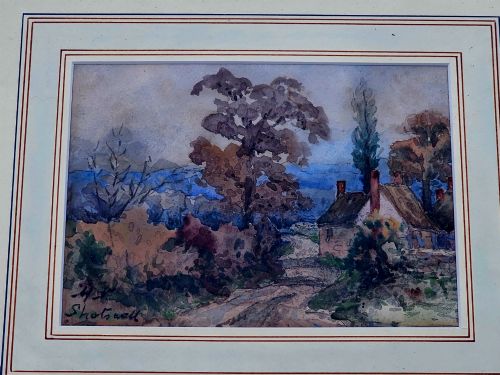
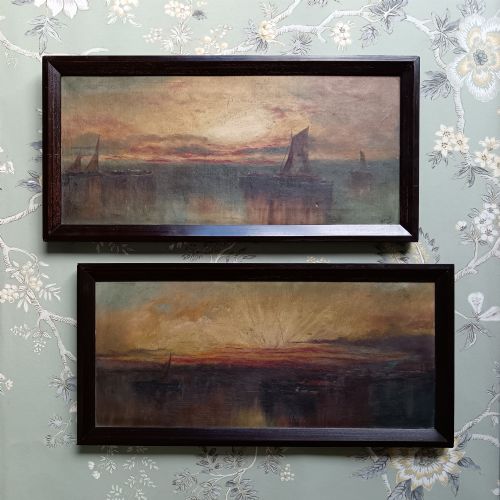
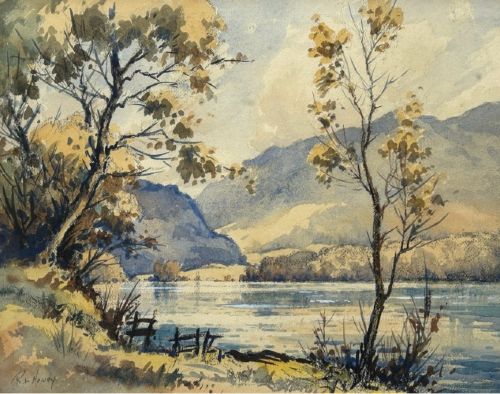
These pieces capture a 20th century landscape through the eyes of artists working across Britain and Europe, offering buyers a direct window into pastoral scenes, coastal views and rural villages.
20th Century Landscape
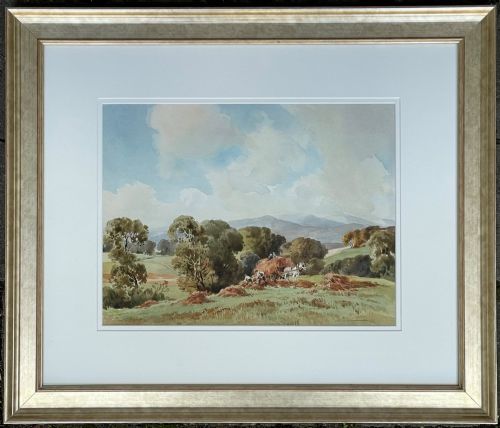
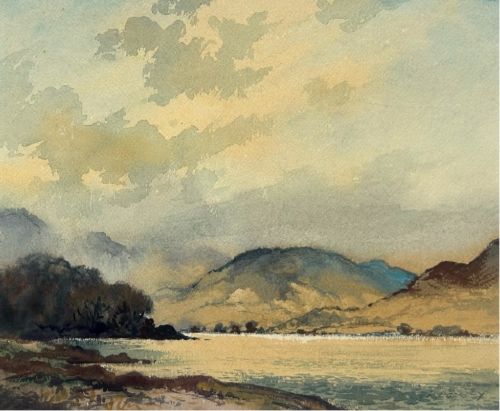
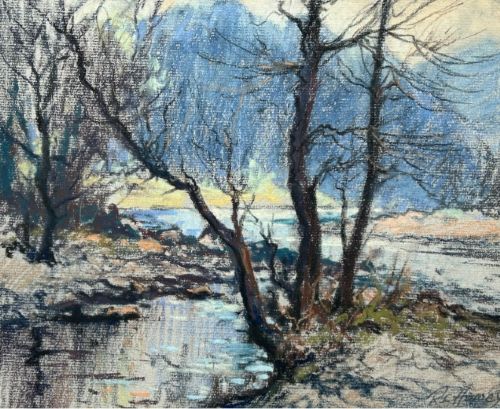
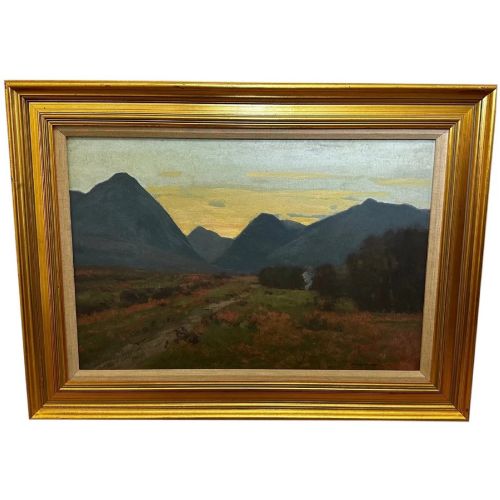
When you search for a 20th century landscape, you are looking at original paintings, watercolours, drawings and occasional decorative glass objects produced from the Edwardian era through to the post-war decades. These works record regional views, from Scottish highlands and Cumbrian lakes to Yorkshire villages and continental rivers, capturing rural life and topography.
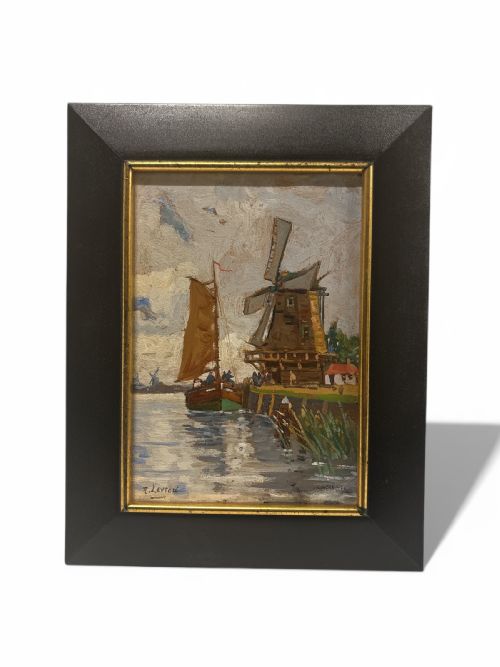
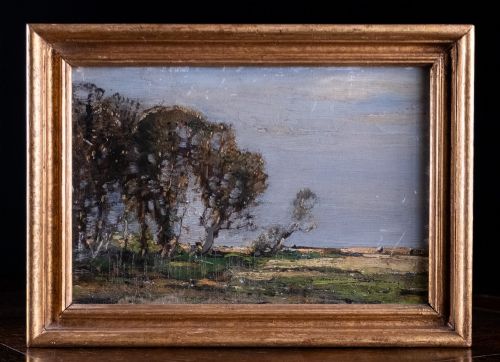
The selection on this page relies heavily on works executed on paper, canvas, board and wood panel. You will frequently encounter watercolours and oil paintings signed by regional artists, alongside works attributed to the broader British School and continental painters who recorded their travels.
How they were made
Artists utilised traditional media including oil paint, watercolour, gouache, pastel, charcoal and ink applied to canvas, paper, card or wooden panels. Oil paintings often display texture through impasto or smooth glazing, whilst watercolours rely on fluid washes and precise pencil underdrawing to define architectural and natural details.
Supports varied according to the medium and scale of the work, with stretched canvas, canvas laid onto board, and wooden panels providing rigid foundations for oils. Works on paper were frequently mounted, framed and glazed to protect delicate watercolours and pastels from environmental damage.
Surviving supports encompass canvas, oil paint, watercolour, paper, wood panel, board, gilt frames and cameo glass.
What varies in quality
Quality rests upon the artist's handling of light, atmosphere and perspective, distinguishing works with genuine topographical immediacy from routine decorative output. Stronger pieces demonstrate confident brushwork, balanced composition and an acute sensitivity to regional character.
The preservation of the physical medium also dictates standing, with pristine watercolours retaining their original pigment strength without fading, and oil paintings displaying stable surfaces free from excessive craquelure or clumsy restoration.
Daum Freres·George Houston·Percy Lancaster·Robert Leslie Howey·William Burns
The 20th Century Landscape Glossary
- Watercolour
- A paint consisting of pigment suspended in a water-soluble binder, traditionally applied to paper to create luminous transparent washes.
- Impasto
- The process of laying paint thickly on a canvas or board so that it stands out from the surface, creating palpable texture and depth.
- Board
- A rigid flat panel, often made of wood or heavy pasteboard, utilised by artists as an alternative to stretched canvas for oil paintings.
- Aquatint
- A printmaking technique that produces tonal effects resembling watercolour washes by using acid to etch resin-covered metal plates.
- Post-Impressionism
- An art movement developing roughly from the late nineteenth century into the twentieth, extending Impressionist practices while rejecting its limitations for more expressive forms.
20th Century Landscape: Frequently Asked Questions
What defines a twentieth century landscape?
These works span various movements including British Impressionism and Modern British styles, recording rural, coastal and urban fringe environments across Britain and Europe.
They reflect the shifting artistic approaches of the era, moving from traditional topographical recording toward more expressive interpretations of light and place.
How should I care for watercolours?
Works on paper require protection from direct sunlight to prevent the fading of delicate watercolours and pastel pigments.
Displaying them in stable indoor environments away from excessive humidity ensures the paper and mount remain free from foxing and degradation.
Are these paintings original works?
The selection comprises original paintings, watercolours and drawings executed by hand rather than mass-produced reproductions.
Many pieces bear the signature of the artist or carry period documentation indicating their provenance and date of creation.
How can I tell the period of a painting?
Dating relies upon stylistic markers, artist active dates, framing materials and inscriptions noted on the reverse of the canvas or board.
Changes in painting technique and subject matter across the decades also help place a work within the Edwardian or mid-century periods.