


20th Century French Table
A 20th century french table brings domestic utility and continental flair together through diverse regional forms, offering rich timber surfaces and decorative mounts.
20th Century French Table
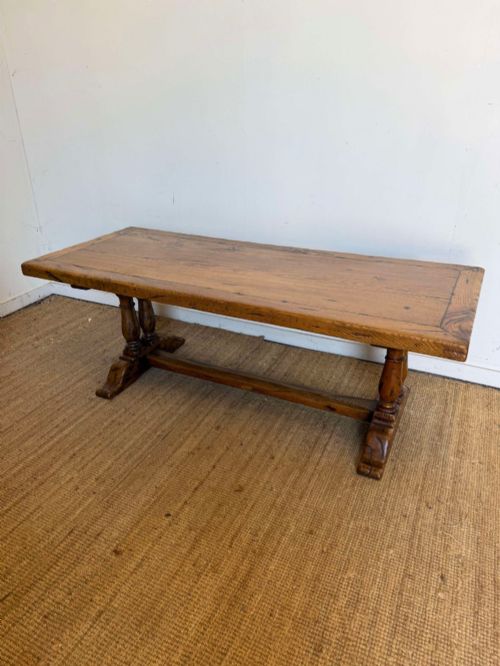
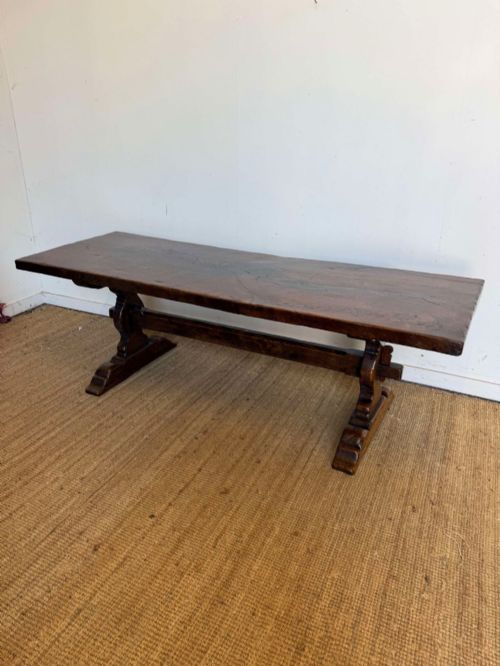
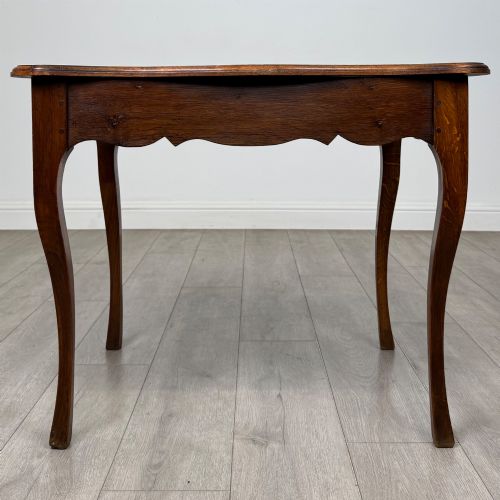
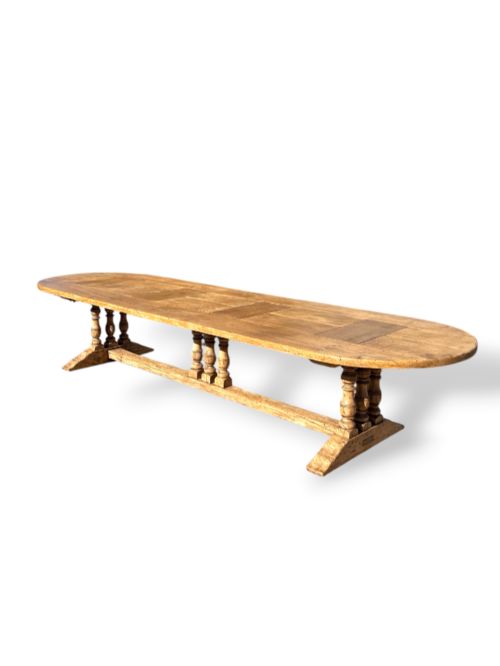
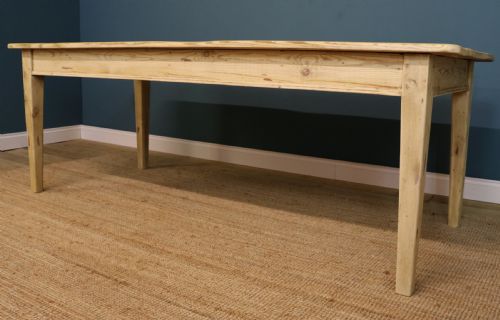
A 20th century french table encompasses a wide variety of domestic forms designed for dining, writing, and bedside storage. Buyers encounter everything from large refectory and farmhouse dining boards in oak, pine, and cherrywood to smaller occasional tables and bedside cabinets.
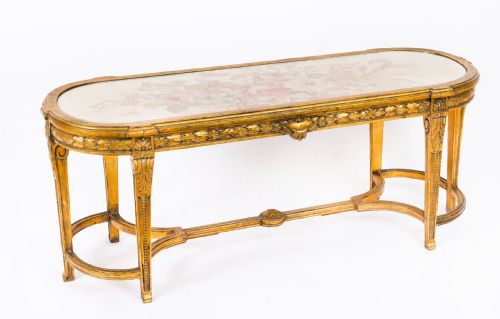
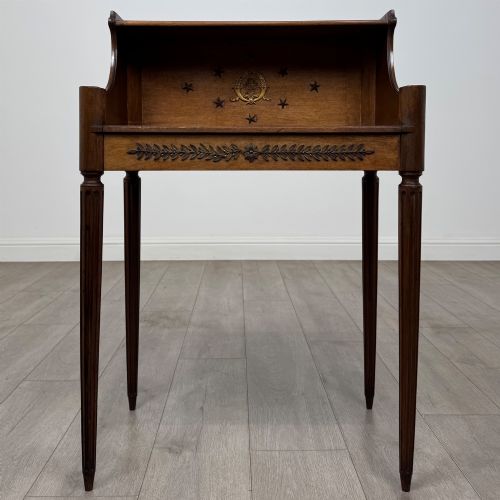
The selection ranges from rustic provincial interpretations to ornate revival pieces. Side tables, coffee tables, and console tables frequently appear alongside writing desks and gueridon designs reflecting changing interior fashions across the decades.
How They Were Made
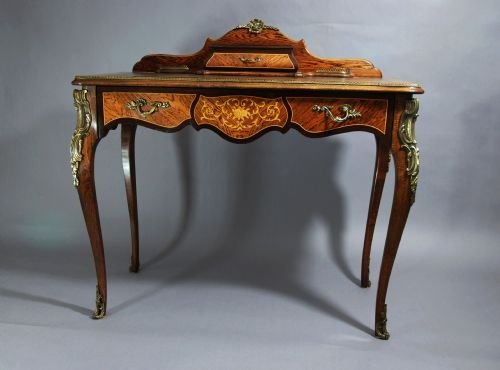
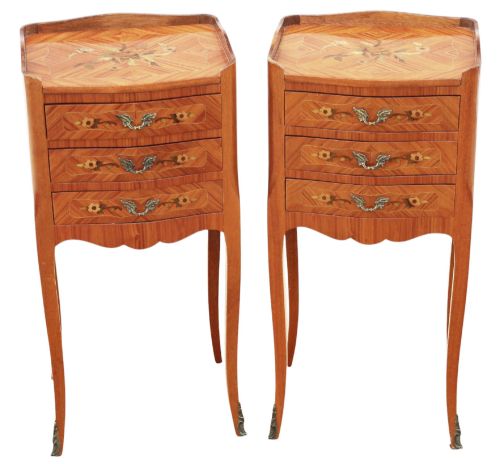
Cabinet makers utilised traditional hardwoods such as mahogany, walnut, oak, and fruitwood, often applying intricate marquetry, parquetry, or wood veneers to surface planes. Marble tops in white and various shades were frequently integrated into console and bedside formats.
Metalwork played a significant structural and decorative role, with cast or chased ormolu, brass, iron, and gilt bronze mounts fitted to corners, legs, and aprons. Gilding, painting, and polishing completed the surfaces according to prevailing tastes.
20th Century French Table Retail Price Guide 2026
Typical asking prices for 20th century french table among the pieces listed under this phrase on Sellingantiques today, from the lower quarter to the upper quarter. They describe what is for sale here now, not the wider market.
Occasional tables occasionally moonlight as bedside companions when nightstands run short.
What Varies in Quality
The distinction between tiers rests upon the precision of the cabinet work and the integrity of the materials employed. Higher quality examples display meticulous joinery, balanced timber figuring, and substantial mounts that integrate seamlessly with the wooden structure.
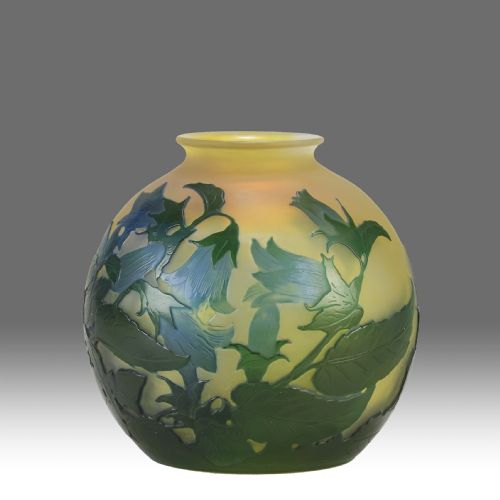
Emile Gallé·Sormani·Masion Ramsay·Haentgos Freres
The 20th Century French Table Glossary
- Ormolu
- Gilded bronze or brass mounts applied to furniture and decorative objects. This technique was widely utilised during the nineteenth and twentieth centuries to add ornate metallic highlights.
- Gueridon
- A small circular or occasional table supported by a central pillar or columns. These versatile pieces frequently feature marble tops and gilt metal details.
- Marquetry
- Decorative veneer work arranged in pictorial or geometric patterns using various coloured woods. Master craftsmen used this technique to ornament table tops and cabinet doors.
- Refectory table
- A long dining table traditionally used for communal meals in large halls. 20th century examples often utilise solid oak or fruitwood construction.
- Console table
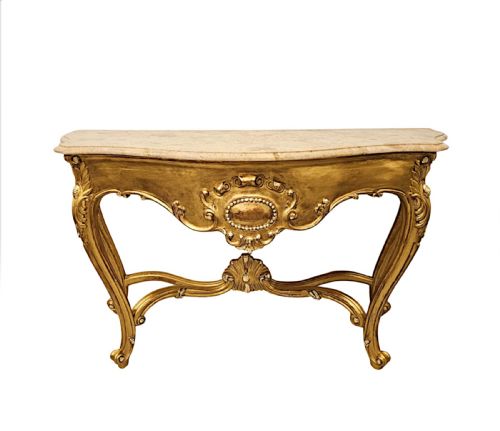
- A wall-mounted or freestanding table designed to stand against a vertical surface. They often feature elaborate giltwood carving and stone tops.
20th Century French Table: Frequently Asked Questions
How do I identify a dining table style?
Dining tables span robust farmhouse constructions in oak, pine, and cherrywood alongside formal refectory formats. Look at the legs and apron for clues regarding regional provincial origins versus grander chateau aesthetics.
Heavier turned legs often point towards rustic utility, while painted finishes or parquetry suggest a more decorative urban workshop production.
What materials are common on bedside tables?
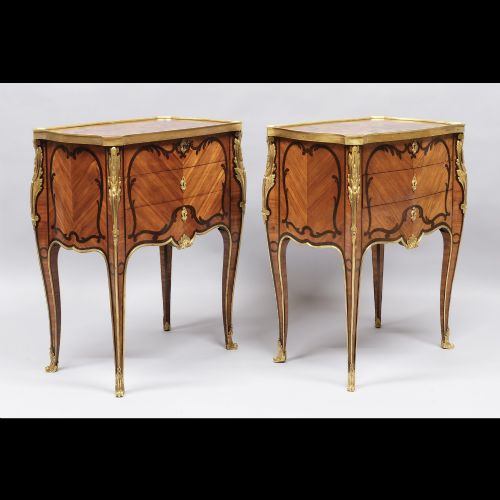
Bedside tables and cabinets regularly showcase figured walnut, mahogany, oak, and kingwood veneers. Many incorporate inset marble tops and delicate marquetry patterns across the drawers and doors.
Ormolu mounts and brass handles frequently accent these smaller pieces, reflecting the revival styles popular in the early decades of the century.
Where were gueridon tables used?
Gueridon tables served as versatile occasional surfaces in drawing rooms and boudoirs. Their compact circular format made them ideal for holding lamps, clocks, or decorative objects.
They often combine wooden frames with marble slabs and gilt metal tripods or column supports.
How do I distinguish regional French furniture?
Provincial and country furniture relies on local timbers like cherrywood, fruitwood, and limed oak with simpler structural lines. Pieces originating from urban workshops or revival traditions lean towards exotic veneers and cast metal ornamentation.
Examining the secondary woods and construction methods helps clarify the geographic origin of each specific piece.