
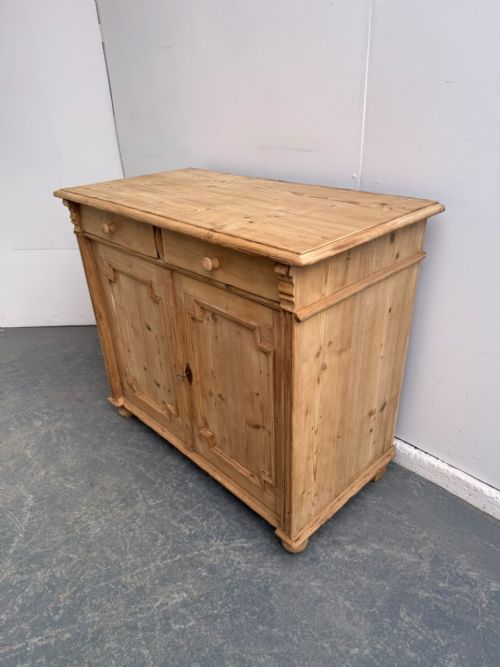
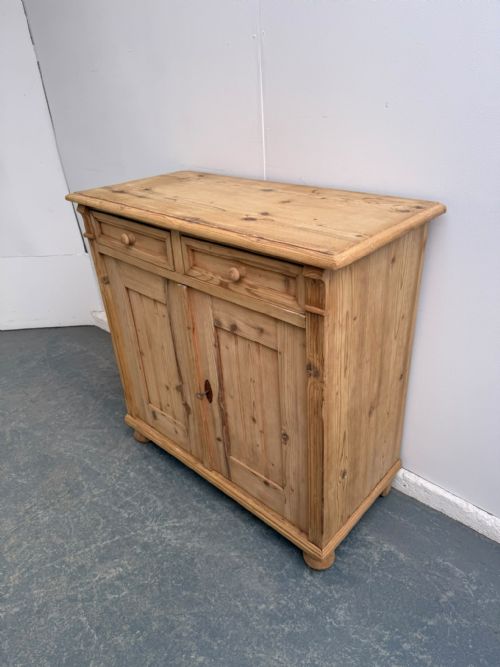


2 Door Painted Dresser
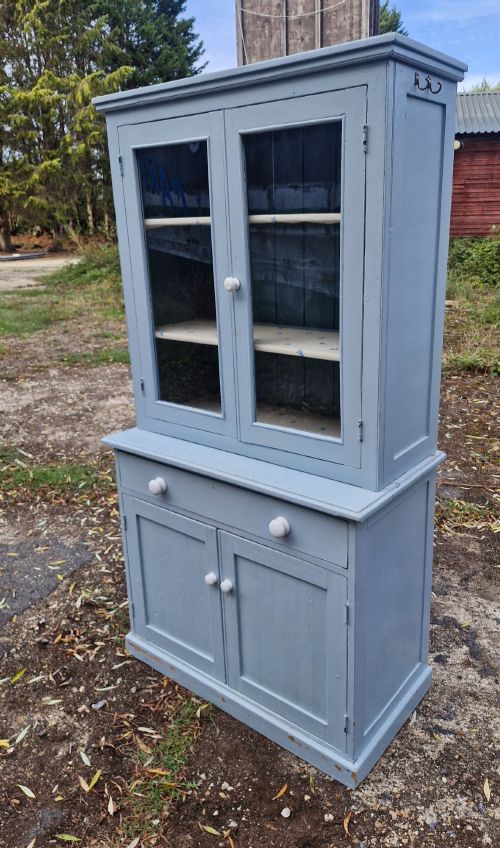
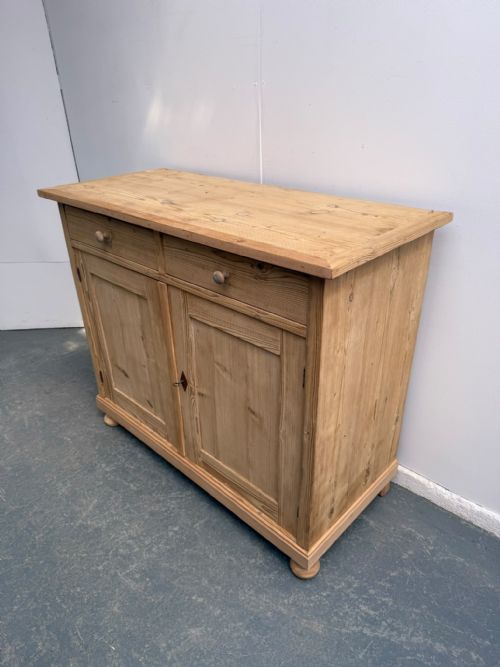
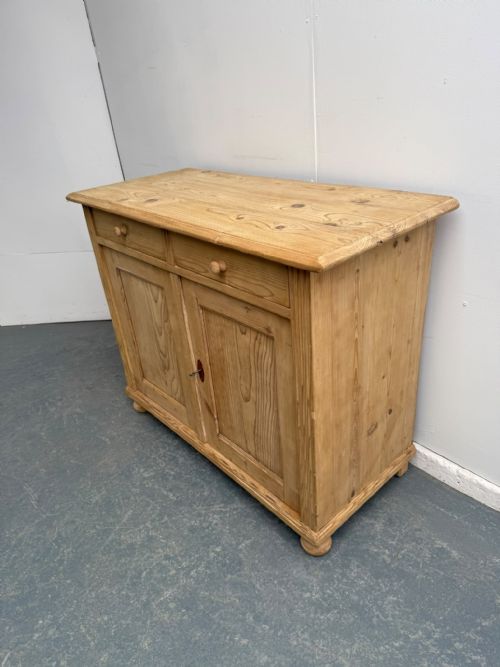
A 2 door painted dresser brings practical storage and regional character to a room, spanning country styles from English pine to Hungarian originals.

2 Door Painted Dresser
A 2 door painted dresser provides substantial storage through lower cupboard doors paired with upper shelving or display space, originating from domestic settings across Britain and continental Europe. These utilitarian pieces serve kitchens, dining rooms and libraries, housing crockery, linens and books behind timber doors.
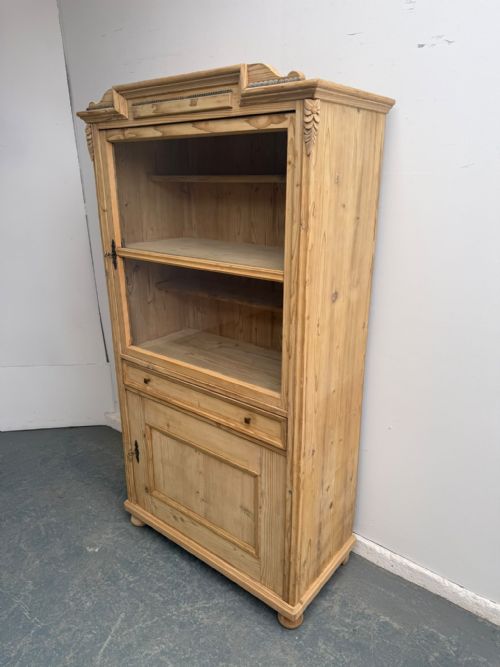
The selections available here range from compact Georgian dresser bases to tall Victorian pine cupboards and glazed bookcases. Buyers encounter regional variants including English country pieces, French provincial buffets, Scandinavian storage cabinets and Hungarian painted furniture.
Most examples utilise pine as a primary carcass material, finished with historic paint layers, cream or green schemes, or stripped surfaces prepared for custom waxing and painting. Formats vary from single-piece floor cupboards to two-part dressers combining glazed upper sections with panelled lower doors.
How they were made
Cabinetmakers constructed these pieces primarily from solid pine and oak, joining structural frames with traditional mortise and tenon techniques. Iron and brass hardware such as hinges, handles and latches secure panelled doors and drawers.
Surfaces received decorative treatments ranging from functional lead-based and oil paints to modern wax finishes over historic timber. Glazed doors incorporate individual glass panes held in wooden muntins, while larger breakfront and multi-door configurations utilise modular construction to ease transport.
Object types include kitchen dressers, dresser bases, glazed bookcases, housekeeper's cupboards, and buffet sideboards from English and continental workshops.
What varies in quality
The integrity of original paint surfaces separates standard utilitarian furniture from exceptional regional pieces, particularly when historic cream, teal or green pigments remain intact. Timber selection also drives distinction, where dense old-growth pine retains tighter grain and greater structural stability.
Proportion and joinery refinement dictate the hierarchy among country furniture, distinguishing heavy provincial workshops from finer Georgian and Victorian cabinet work. Intact original brass or iron hardware and uncompromised interior shelving preserve the utilitarian authenticity of each cabinet.
The 2 Door Painted Dresser Glossary
- Dresser base
- A lower storage unit featuring cupboards and drawers beneath a flat top surface, functioning independently from upper plate racks or shelving. These serve as sideboards or kitchen preparation counters.
- Breakfront
- A cabinet configuration where the central section projects forward from the flanking outer bays, creating architectural depth. This layout appears on larger English and continental dressers.
- Glazed cupboard
- A storage unit featuring glass panes set into timber doors to display contents while protecting them from dust. These house books, china and display collections.
- Housekeeper's cupboard
- A large scale storage piece traditionally utilised in country houses for linen and provisions, featuring multiple doors and internal shelving. These pieces dominate large kitchen and utility spaces.
2 Door Painted Dresser: Frequently Asked Questions
What is a 2 door painted dresser?
A 2 door painted dresser is a utilitarian storage cabinet featuring a pair of lower cupboard doors, frequently accompanied by drawers or upper display shelving. These pieces originate from various regional traditions across Britain and Europe.
Craftsmen built them primarily from solid pine or oak for domestic utility, applying decorative paint layers that often survive in original colours today.
How do I identify a Victorian pine dresser?
Victorian pine dressers display heavier timber scantlings, deeper proportions, and simpler joinery suited to nineteenth-century domestic expansion. They frequently feature tongue and groove backboards and robust brass or iron hardware.
Many examples survive in stripped timber or retain nineteenth-century painted finishes applied in schoolhouses, farmhouses and town properties.
Where were painted country dressers made?
These dressers originated in rural workshops across England, Ireland, Scotland, France, Scandinavia, and Hungary. Each region developed distinct proportions, cornice details, and preferred paint palettes.
English and Irish examples often utilise local softwood or hardwood, while continental pieces from Hungary and Sweden display distinct cream, teal, and green painted schemes.
How do I care for historic painted furniture?
Historic painted furniture requires stable indoor humidity away from direct heat sources to prevent timber movement and paint flaking. Dusting with a dry microfibre cloth protects delicate original pigments.
Avoid harsh chemical cleaners on painted surfaces, utilising gentle maintenance appropriate for old oil or water-based finishes.