


19th Century Wingback
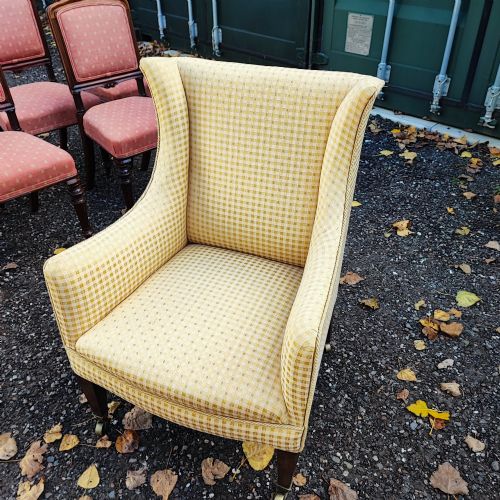
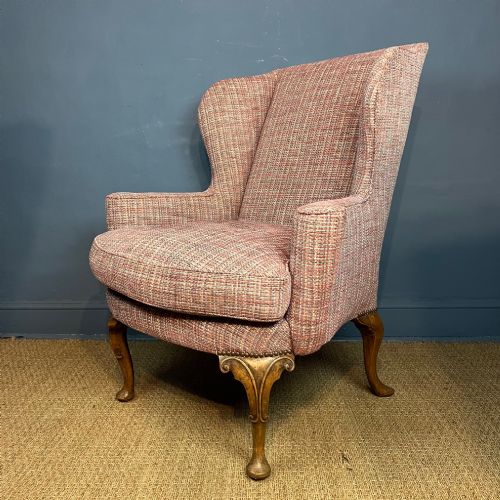
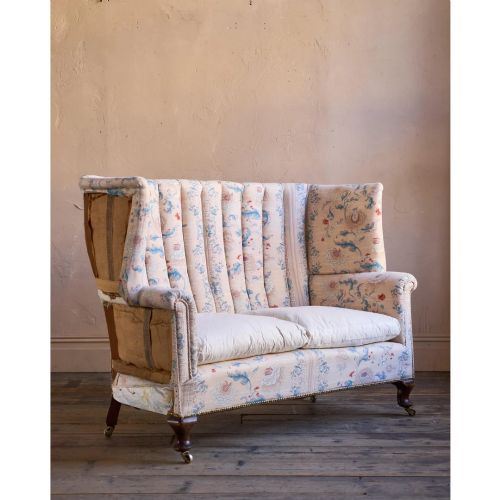
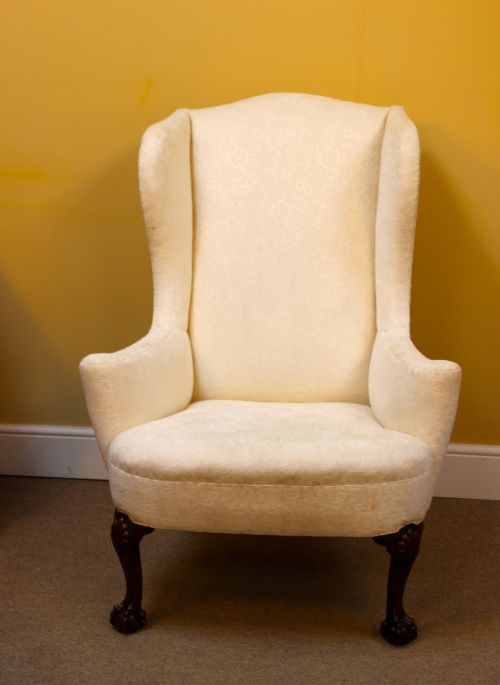
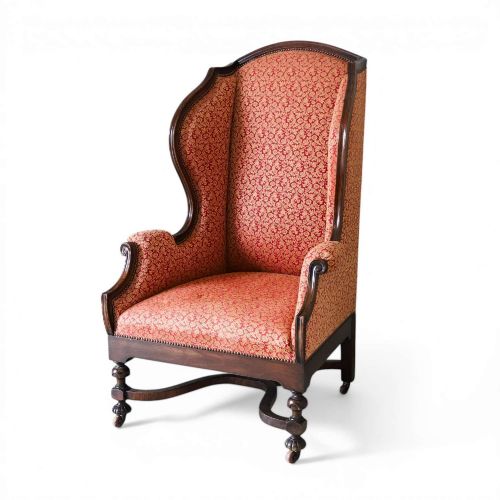
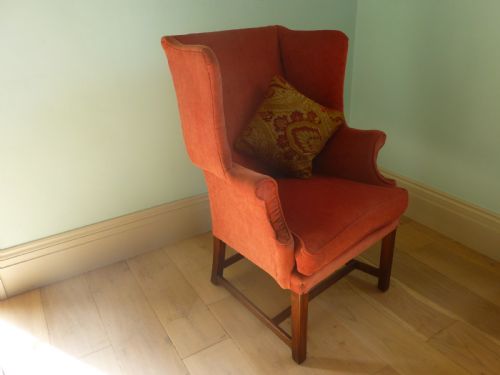
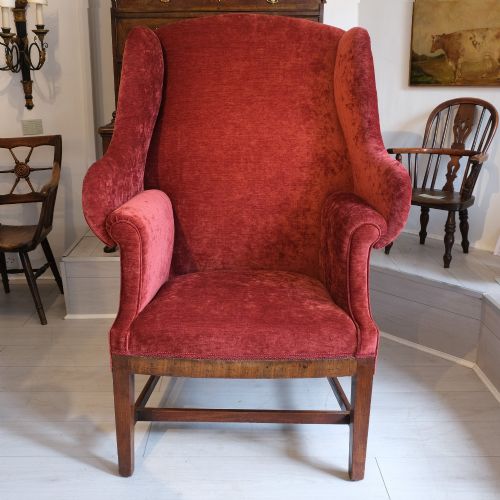
A 19th century wingback offers deep upholstered comfort and draught-excluding side panels, providing a commanding fireside seat.
19th Century Wingback
When searching for a 19th century wingback, buyers encounter substantial upholstered seating designed to protect occupants from draughts. These armchairs and sofas appear in forms ranging from plain library seating to decorative revival styles.
The pieces listed on this page predominantly date through the Victorian era, with walnut and mahogany frames appearing frequently. Occasional variants include oak, leather finishes, and specialised forms such as library or reading chairs.
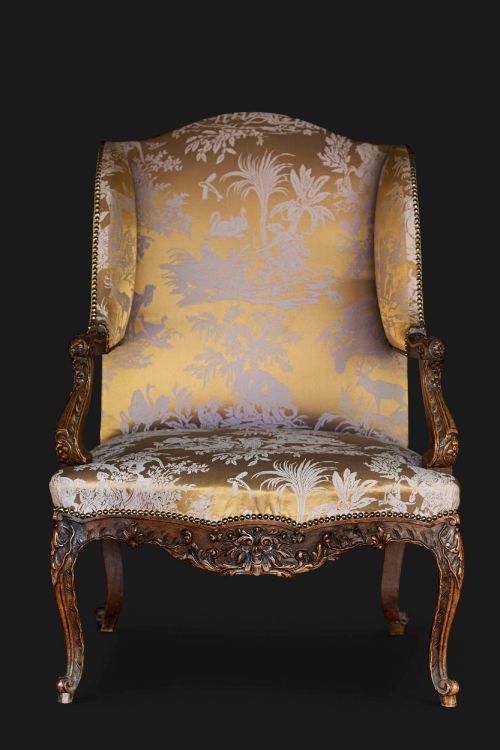
Revival aesthetics heavily shape these pieces, with Queen Anne, Chippendale, Carolean, and Georgian styles recurring across the inventory. Buyers also meet French variations alongside simpler country house forms.
Materials and Construction
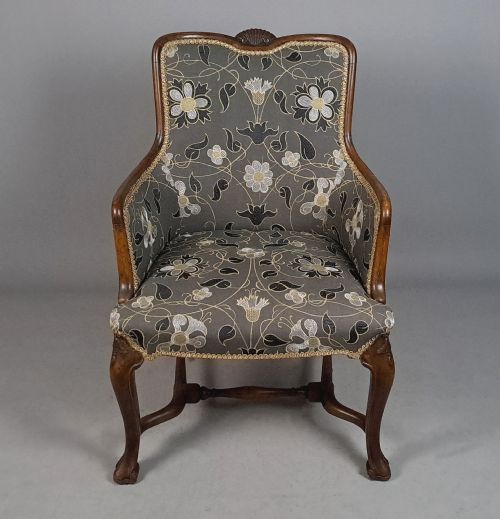
Makers utilised solid timbers such as mahogany, walnut, and oak to build the structural frames of these armchairs. Cabriole legs, brass accents, and carved wooden details frequently finish the exposed framework beneath the upholstery.
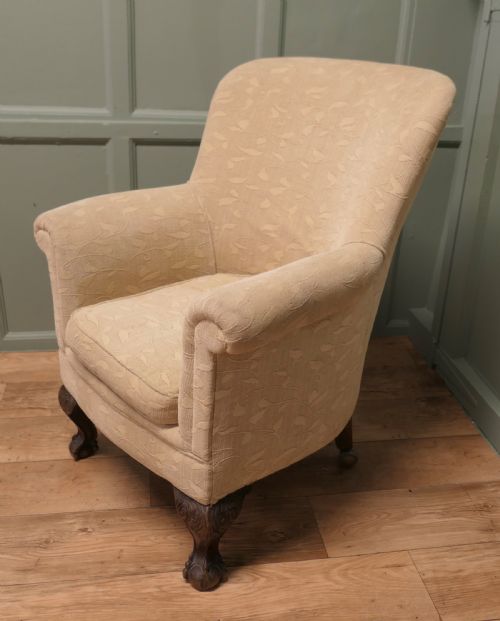
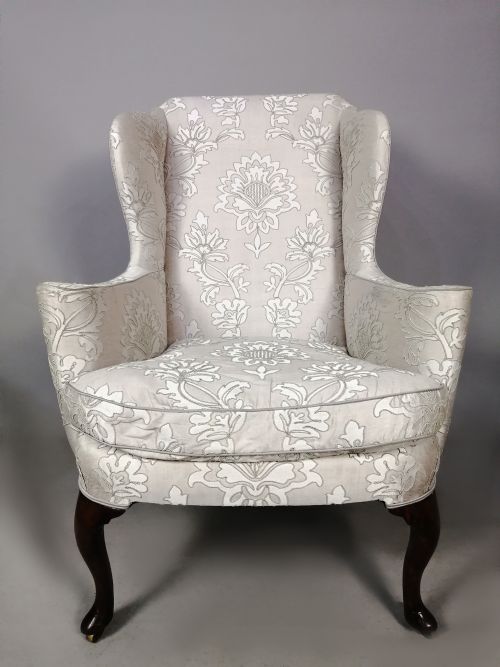
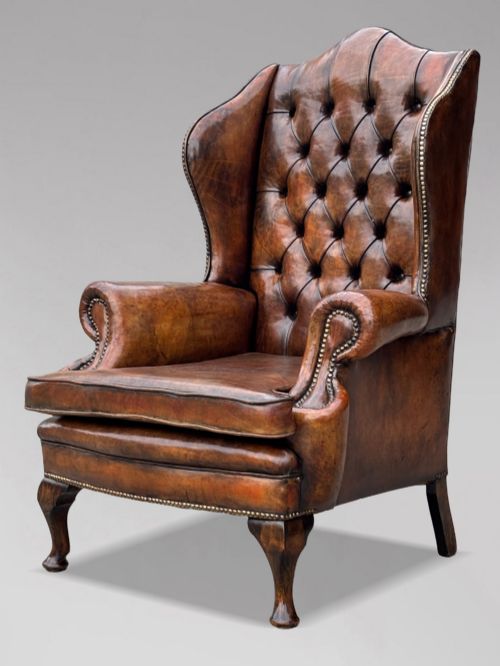
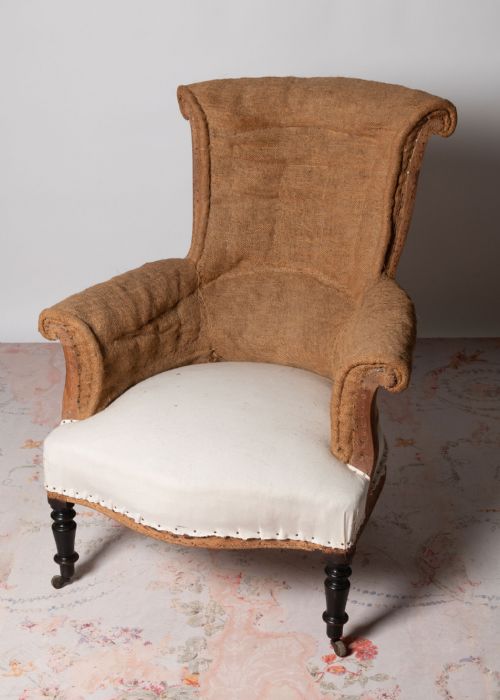
Traditional upholstery techniques layer natural stuffings and springs within the frame before applying the top layer. Coverings span buttoned leather, linen, damask fabric, chenille twill, and plain calico stages ready for final furnishing.
19th Century Wingback Retail Price Guide 2026
Typical asking prices for 19th century wingback among the pieces listed under this phrase on Sellingantiques today, from the lower quarter to the upper quarter. They describe what is for sale here now, not the wider market.
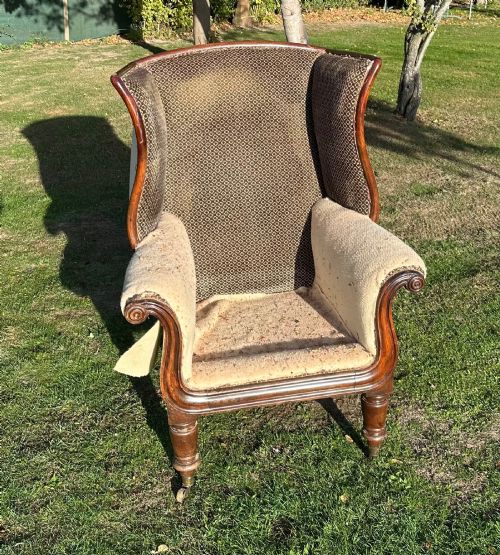
Some chairs retain threadbare velvet, whispering tales of Victorian reading nooks and sleepy household pets.
Evaluating Quality
The standard of a 19th century wingback rests upon the integrity of its wooden frame and the precision of its joinery. Robust timber carcasses with well-proportioned wings and sturdy legs distinguish finer examples from standard production.
Execution of revival stylistic details, such as carved mahogany or walnut cabriole legs, separates ordinary seating from exceptional library and reading chairs. The selection of materials, from heavy buttoned leather to rich damask, further indicates the original tier of the piece.
Howard and Sons
The 19th Century Wingback Glossary
- Wingback
- An armchair featuring protective side panels attached to the arms to deflect fireside draughts. These upholstered wings define the classic silhouette.
- Cabriole leg
- A furniture leg that curves out in a convex arc and tapers inward to a concave foot. This stylistic feature often appears on walnut frames.
- Calico stage
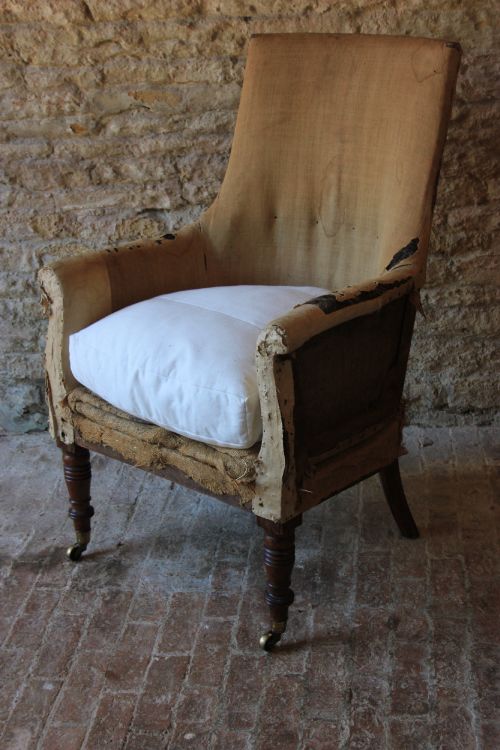
- An interim state of upholstery where unbleached cotton covers the internal stuffing before final fabric is applied. This allows buyers to select their own top cover.
- Buttoned leather
- A method of upholstery where leather is pulled tight and secured with deep indentations or buttons. This technique provides a structured, padded surface.
- Carolean style
- A revival furniture aesthetic referencing the reign of Charles II, characterised by rich carving and scrolling woodwork. These frames often utilise walnut.
19th Century Wingback: Frequently Asked Questions
What is a 19th century wingback?
A 19th century wingback is an upholstered armchair featuring projecting side panels designed originally to retain heat and block draughts. These chairs combine deep seating with supportive backs.
Craftsmen built them using timber frames of mahogany, walnut, or oak, covered in textiles or leather. They served primarily as comfortable fireside or library seating.
How do I identify different revival styles?
Revival styles draw upon earlier design periods such as Queen Anne, Georgian, or Carolean aesthetics. Look at the legs and framing details to distinguish these historical influences.
Cabriole legs often point toward Queen Anne or Georgian revivals, while heavy carving indicates Carolean or Chippendale inspiration. The overall proportions also reflect the specific decades of the 19th century.
What does calico stage mean?
The calico stage refers to an armchair upholstered in plain cotton calico without its final decorative fabric. This leaves the internal padding secure while awaiting custom outer material.
Buyers often encounter pieces in this intermediate state, allowing them to apply their own choice of leather, linen, or damask fabric.
How were these chairs used historically?
These armchairs were positioned near fireplaces or inside libraries to provide secluded and warm seating. The enclosed wings shielded the occupant from cold air currents in large rooms.
They functioned as primary reading chairs for long periods of study or relaxation in country houses and town residences alike.