

19th Century Wall Shelves
These 19th century wall shelves offer practical display space coupled with period character, making them a functional addition to traditional interiors.
19th Century Wall Shelves
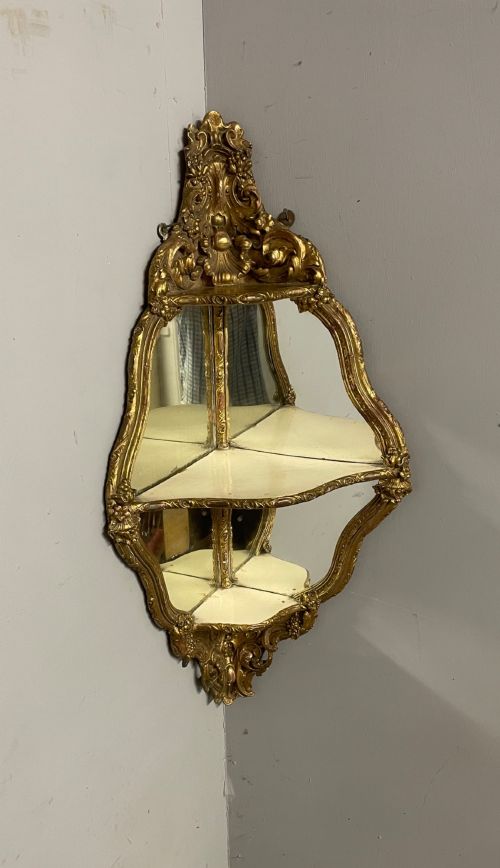
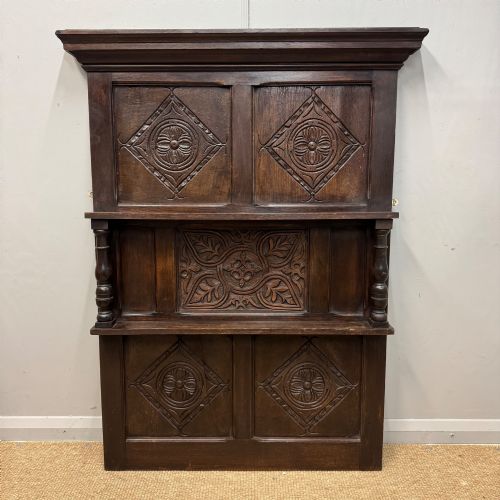
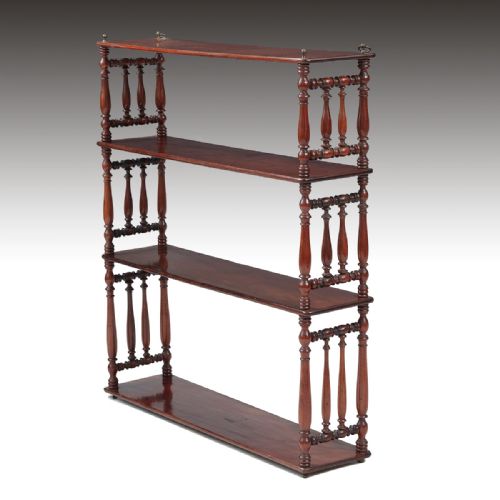
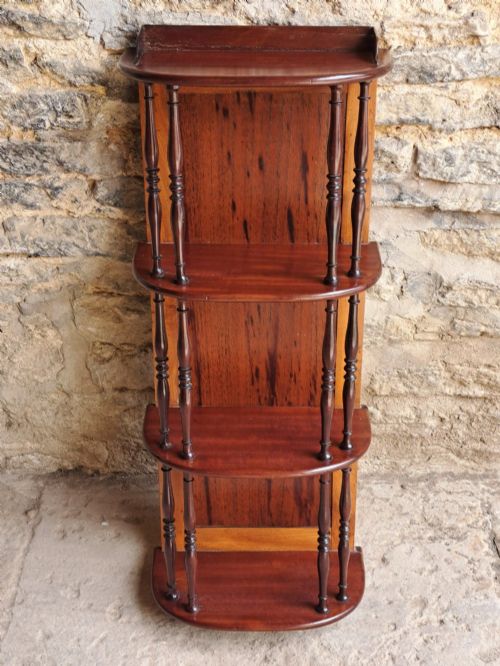
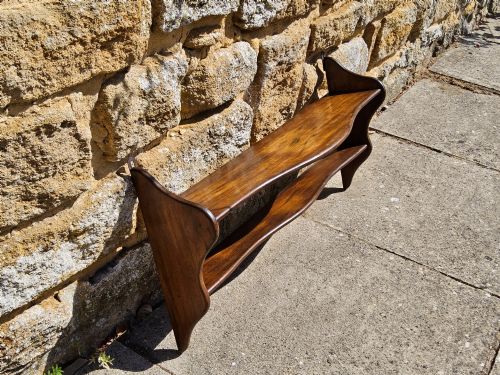
When buyers search for 19th century wall shelves, they encounter a range of hanging tiers, brackets, and display ledges originating from the Victorian era and earlier decades. Mahogany forms the backbone of these listings, often appearing in simple multi-tiered hanging formats or waterfall designs.
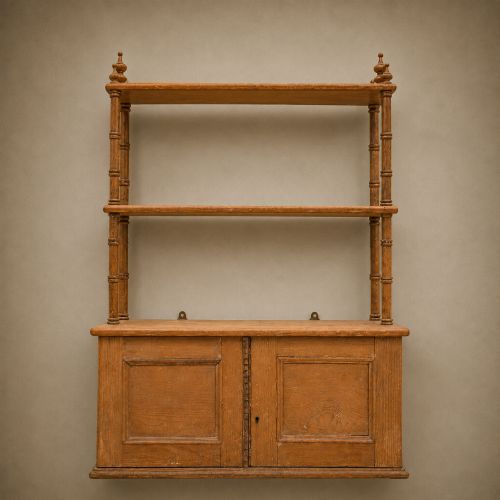
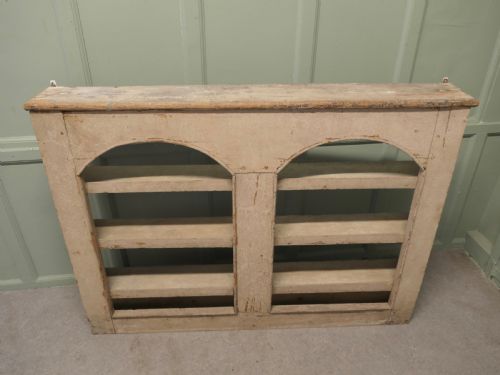
Beyond standard timber ledges, the inventory includes regional variations in pine, walnut, and cherry wood, alongside specialised pieces like apothecary racks and military units. These items served diverse domestic functions, from holding books and ceramics in parlours to organising kitchen interiors.
Standards of Craftsmanship
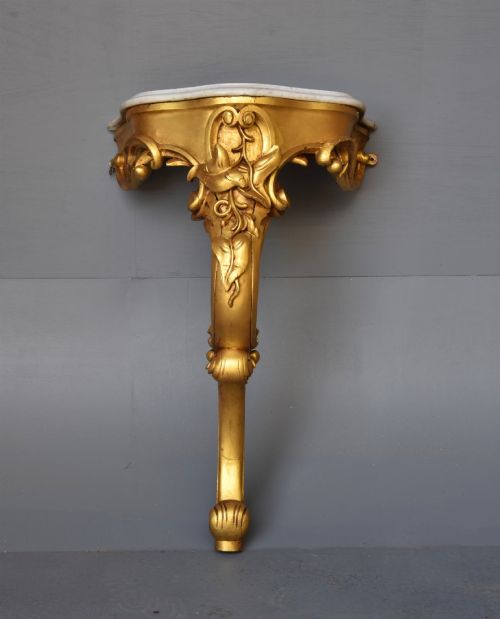
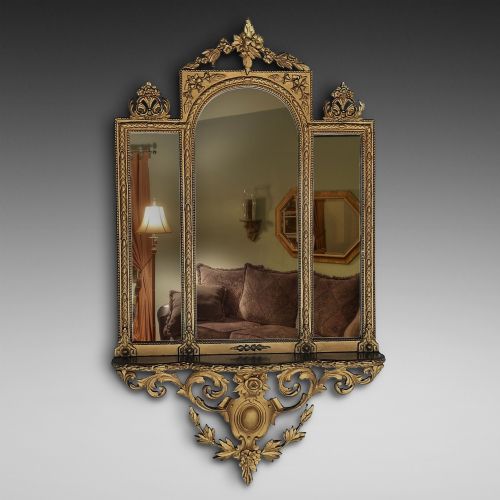
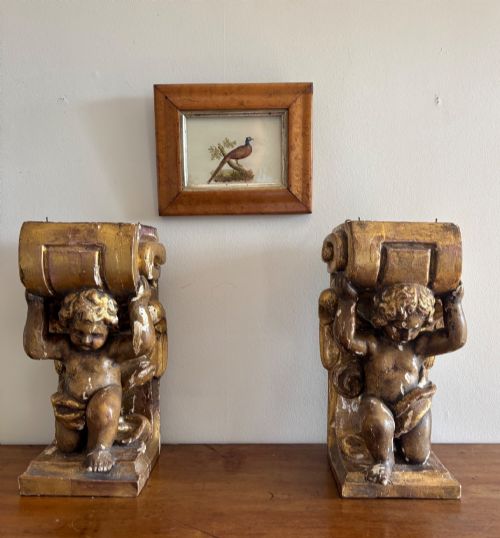
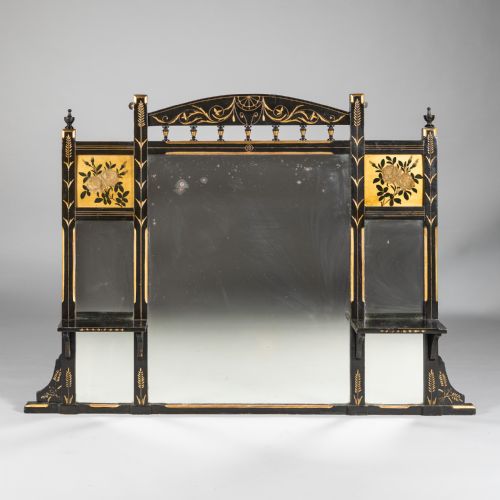
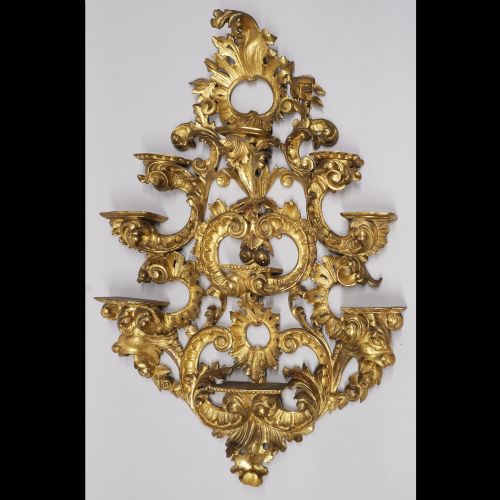
The distinction between standard utility items and finer examples lies in the crispness of the carved ornamentation, the choice of timber figure, and the survival of original surface finishes. Pieces featuring complex fretwork, parquetry, or intact gilding demonstrate greater workshop skill than plain utility boards.
Structural integrity also separates the tiers of quality, evident in the tightness of joints, the stability of suspension points, and the preservation of original backing boards and drawer interiors without later alterations.
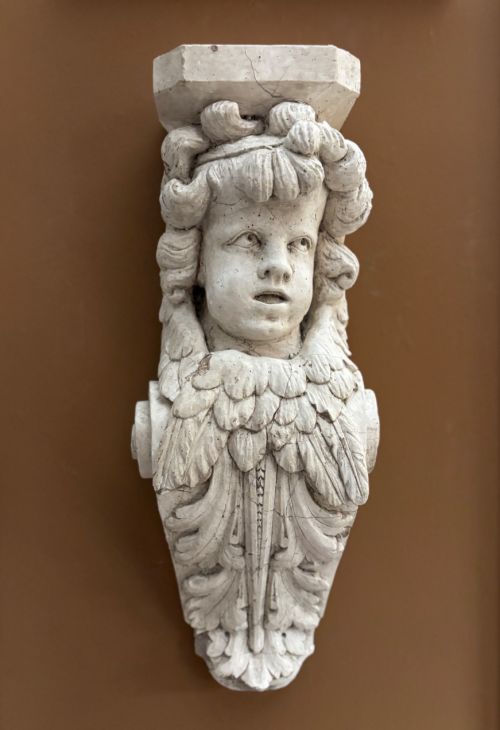
Among the shelves and brackets, an unexpected nineteenth-century portmanteau and a carving by the devilish master carver Luigi Frullini make an appearance.
Cottier & Co·Strahan of Dublin·Luigi Frullini·Minton
The 19th Century Wall Shelves Glossary
- Waterfall shelves
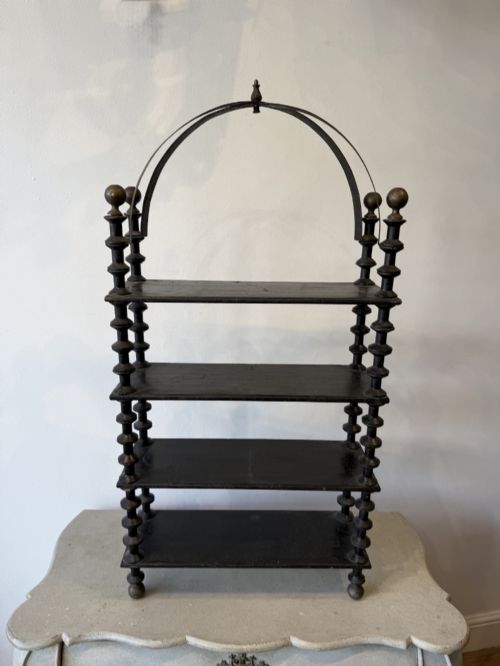
- Graduated hanging shelves where each tier steps back from the one below it, creating a descending profile.
- Ebonised wood
- Timber treated with a chemical stain or finish to imitate expensive ebony, popular in Aesthetic Movement pieces.
- Giltwood
- Wood that has been coated with a thin layer of gold leaf or powder over a prepared gesso base.
- Fretwork
- Ornamental design created by cutting patterns through thin panels of wood using a piercing saw.
- Parquetry
- Geometric mosaic woodwork used for decorative surface patterns on shelves and cabinets.
19th Century Wall Shelves: Frequently Asked Questions
How do I hang antique wall shelves safely?
Wall shelves require secure fixings into wall studs or solid masonry using appropriate brackets that match the weight of the timber. Because many older pieces lack modern hanging hardware, additional internal plates or professional assessment help distribute the load evenly.
Overloading antique tiers with heavy volumes risks straining historic joints and fixings. Distributing weight carefully across the shelves preserves both the items displayed and the wall structure itself.
Were these shelves originally meant for books?
Many smaller hanging shelves accommodated leather-bound volumes, pocket books, and pamphlets in domestic sitting rooms or studies. The inclusion of vertical dividers or pigeon holes often points towards stationery and book storage.
Other formats served as display ledges for ceramics, decorative plates, and ornaments rather than heavy library books. Examining the depth and vertical clearance between tiers reveals the intended load capacity of each piece.
How do I clean mahogany wall shelves?
Dusting with a soft, dry cloth removes everyday particles without harming the historic polish or wax finish. Moisture should be avoided to prevent water rings or lifting on delicate veneers and carved surfaces.
Occasional application of microcrystalline wax feeds the timber and maintains the subtle sheen found on nineteenth-century surfaces. Harsh chemical polishes strip the aged patina built up over generations of use.
What is the difference between wall brackets and shelves?
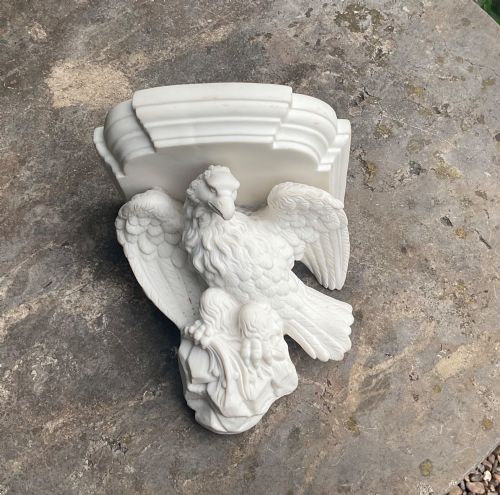
Wall brackets function as individual architectural supports designed to project a single small sculpture, clock, or vase from the wall surface. They often feature prominent carved scrolls, putti, or gilt motifs rather than multiple horizontal tiers.
Shelves incorporate two or more horizontal boards joined by side panels, uprights, or fretwork galleries for expanded display capacity. Both forms share similar nineteenth-century revival styles but serve distinct spatial roles in a room.