




French Hanging Shelves
French hanging shelves bring practical wall storage and decorative charm to a room, ranging from simple timber tiers to elaborate gilt frames.
French Hanging Shelves
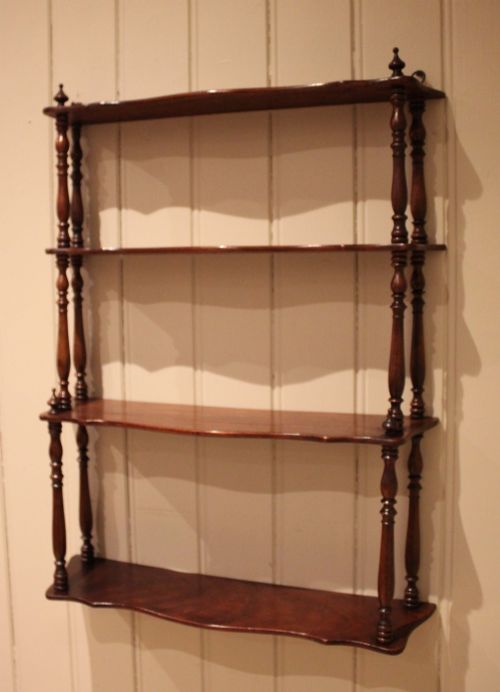
French hanging shelves comprise wall-mounted tiers, cabinets, brackets, and étagères designed to display books, ornaments, or small objects. When you search for french hanging shelves, you encounter pieces primarily from the nineteenth century alongside early twentieth-century examples.
Stylistic influences range from French rococo revival and provincial designs to Victorian and English country house aesthetics. These wall fixtures provide compact display solutions without occupying valuable floor space in a home.
How they were made
Cabinetmakers constructed these wall pieces using native and imported timbers, shaping mahogany, oak, walnut, and cherry wood into upright supports and shaped shelves. Joinery techniques varied from traditional housing joints for shelves to dovetailed corners on wall cabinets and cupboards.
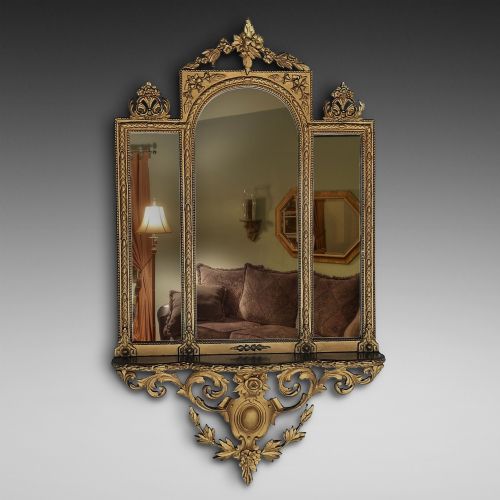
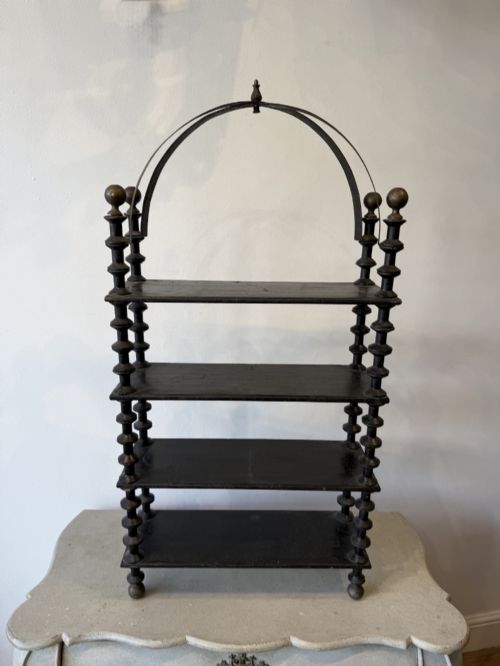
Decorative finishes involved skilled application of gesso, intricate giltwood carvings, ebonised treatments, or hand-painted surfaces to achieve regional and revival styles. Brass elements frequently appeared as structural supports, gallery rails, or hanging hardware on tiered shelving units.
French Hanging Shelves Retail Price Guide 2026
Typical asking prices for french hanging shelves among the pieces listed under this phrase on Sellingantiques today, from the lower quarter to the upper quarter. They describe what is for sale here now, not the wider market.
What varies in quality
The distinction between standard examples and finer pieces lies in the selection of timber and the execution of decorative details. Dense, well-figured mahogany or richly patinated cherry wood indicates superior material choice compared to utilitarian secondary woods.
Craftsmanship in carving and finishing separates average production from exceptional work, particularly in the crispness of gesso moulding, the application of gold leaf, and the finesse of shaped shelf brackets. Structural integrity in the hanging mechanisms and joint stability also mark the upper tier of quality.
Town and Emanuel
The French Hanging Shelves Glossary
- Étagère
- A piece of furniture consisting of open shelves for displaying small objects or ornaments. These wall-mounted versions provide tiered surfaces without legs.
- Gesso
- A plaster-like mixture applied to wood surfaces as a base for painting or gilding. It allows craftsmen to carve intricate decorative reliefs before applying gold leaf.
- Waterfall
- A shelving design where each successive shelf is deeper than the one above it. This graduated form creates a distinctive descending profile on the wall.
- Rococo Revival
- A nineteenth-century style drawing inspiration from the asymmetrical curves and natural motifs of the eighteenth-century French rocaille movement. It manifests in flowing scrollwork and carved ornamentation.
French Hanging Shelves: Frequently Asked Questions
How do I hang antique shelves safely?
Wall-mounted furniture requires secure fixings suited to the specific wall construction, whether lath and plaster or solid brick. Heavy timber or mirrored pieces demand appropriate screw fixings anchored directly into wall studs or masonry.
Distributing weight evenly across the shelves prevents undue strain on the hanging brackets and structural joints. Professional installation is advisable for larger or heavier cabinets.
What rooms suit hanging shelves best?
These wall pieces adapt well to studies, living rooms, and hallways where floor space is limited. Smaller tiers hold books or small collections, while corner cupboards utilise neglected angles in a room.
Kitchens and bedrooms also benefit from open display shelves for everyday items or decorative ceramics. Matching the timber tone to existing furniture helps the piece integrate into the interior.
How do I clean painted and gilt wood?
Painted and gilt surfaces require gentle dusting with a soft, dry cloth to prevent accumulation of dirt. Moisture and modern chemical cleaners can damage delicate gesso and gold leaf.
Unfinished hardwoods benefit from occasional light treatment with appropriate beeswax to nourish the grain. Regular care preserves the original patina without altering the surface.