


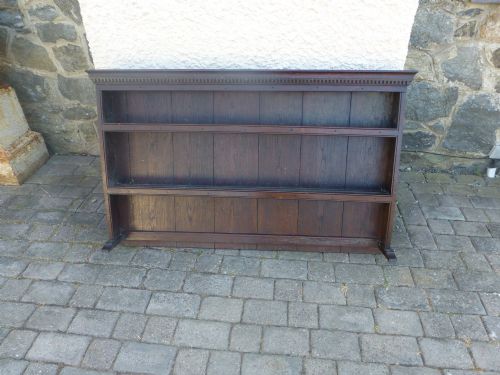
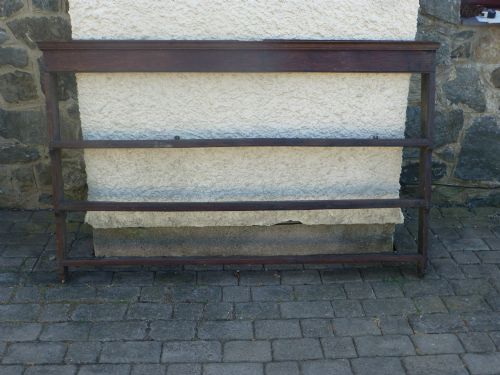
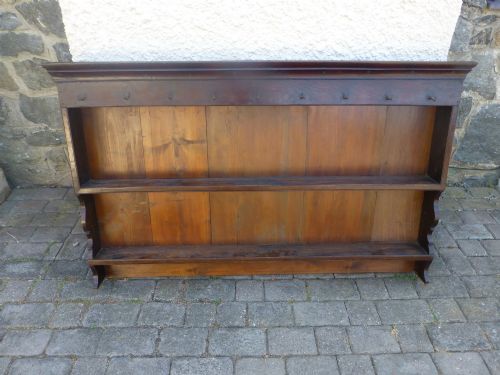
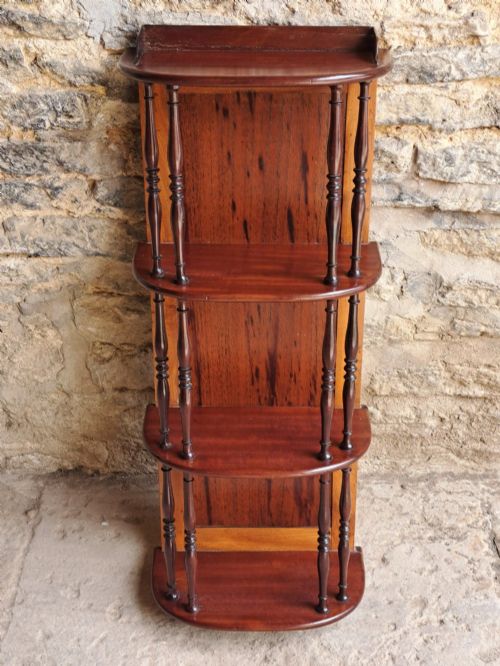
Antique Wall Display Shelves
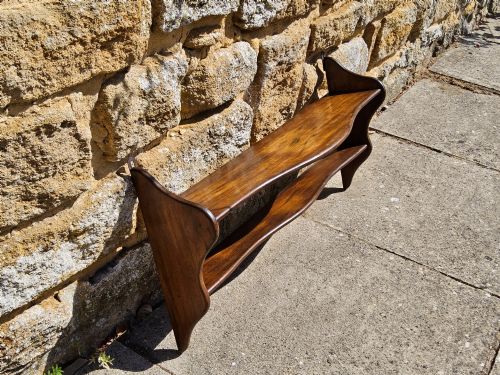
These antique wall display shelves turn bare rooms into galleries for small treasures, offering timber ledges and hanging cabinets built to last.
Antique Wall Display Shelves
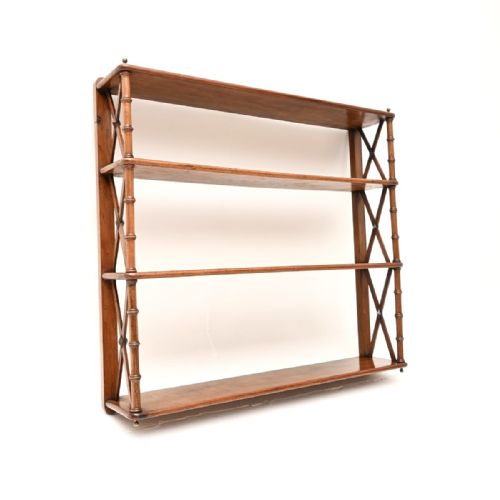
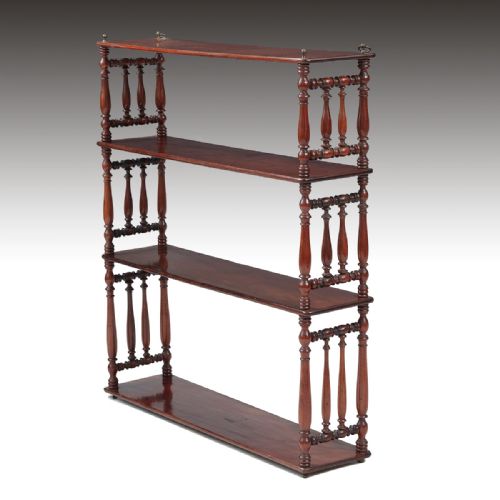
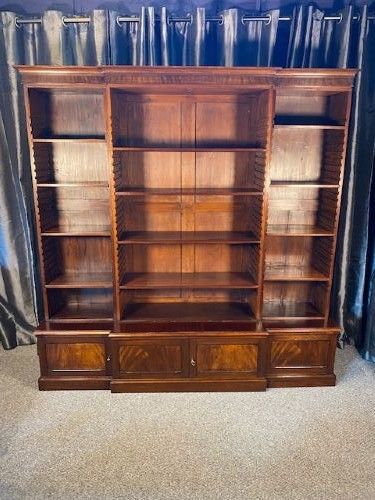
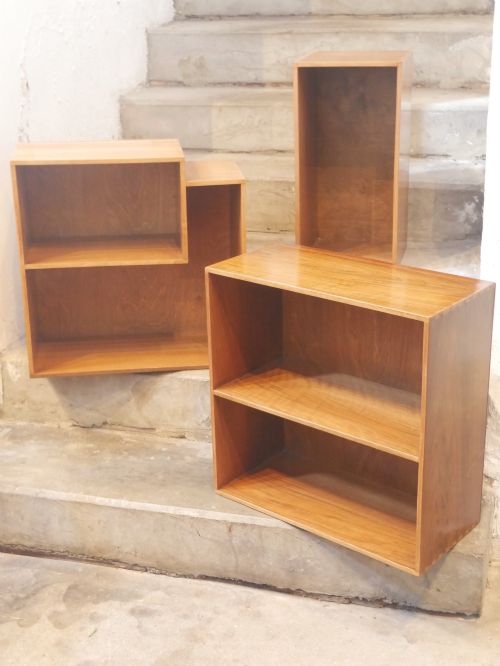
When you search for antique wall display shelves, you encounter hanging bookcases, plate racks, brackets, and whatnots designed to hold ceramics, books, and ornaments off the floor.
The pieces appearing here span the eighteenth, nineteenth, and early twentieth centuries, drawing on Georgian, Victorian, Edwardian, and Regency periods.
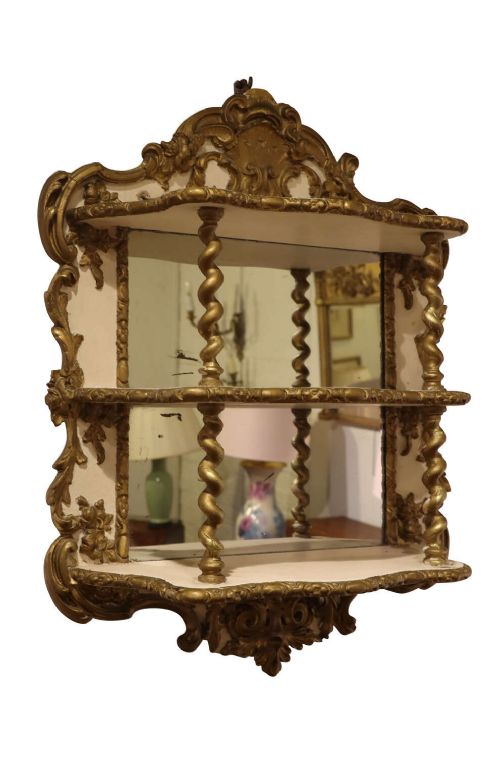
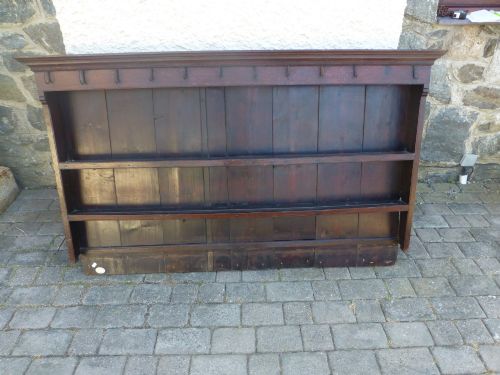
Forms range from simple oak and pine plate racks to elaborate walnut, mahogany, and giltwood hanging cabinets with multiple tiers.
How they were made
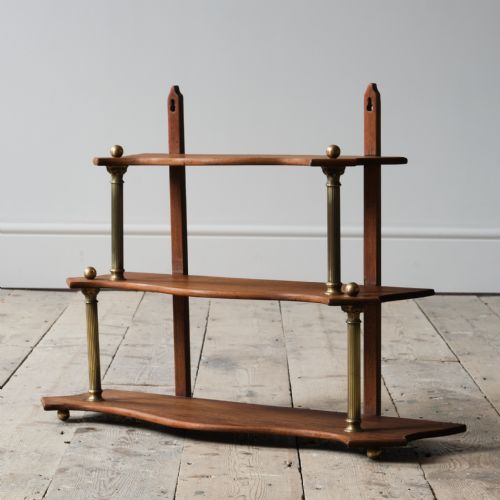
Cabinetmakers constructed these shelves using solid hardwoods like mahogany, oak, walnut, and elm, often joined with traditional dovetails and secured with brass fittings.
Finer decorative examples incorporate carved gesso, giltwood, hand-painted details, and inlaid olive wood, reflecting periods such as the Rococo Revival and the Aesthetic Movement.
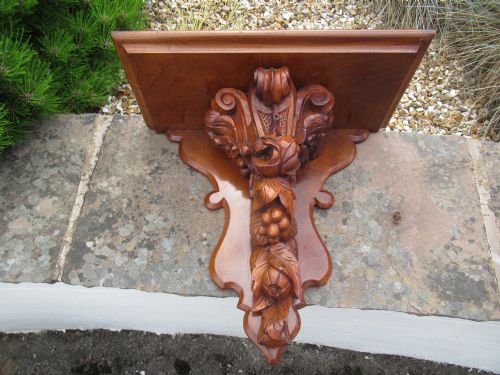
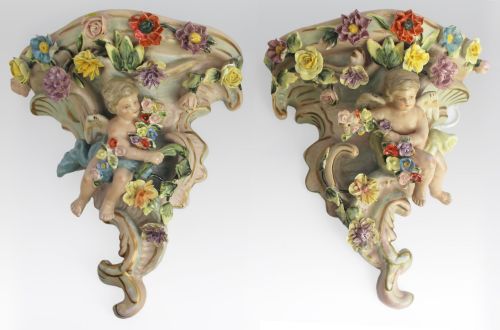
Cherub wall brackets introduce watchful wooden faces to hold up your shelf.
What varies in quality
The distinction between ordinary and exceptional pieces lies in the crispness of the timber carving, the depth of the grain, and the integrity of the original joints.
Proportion and balance separate sturdy functional racks from sophisticated exhibition pieces, where fine fretwork or matched veneers elevate the entire design.
George Edmund Street·John Moyr Smith
The Antique Wall Display Shelves Glossary
- Whatnot
- A multi-tiered open storage unit designed for displaying small ornaments and books. These pieces often feature graduated shelves supported by slender uprights.
- Plate rack
- A wall-mounted wooden frame featuring grooved ledges and retaining rails to display ceramic plates upright. They originate primarily from domestic country kitchens of the eighteenth century.
- Giltwood
- Timber coated with a thin layer of gold leaf over a prepared gesso ground. This technique creates a bright metallic surface frequently found on decorative Victorian brackets and mirrors.
- Fretwork
- Openwork ornamentation carved or pierced through thin boards of wood. It provides delicate geometric or floral patterns along the friezes of hanging bookcases.
Antique Wall Display Shelves: Frequently Asked Questions
How do I hang heavy wall shelves safely?
Secure the hanging brackets directly into wall studs or use appropriate masonry fixings depending on your wall construction. Weight distribution matters significantly with solid hardwood units.
Ensure the mounting hardware matches the era and weight capacity of the specific shelf to prevent structural strain over time.
Were these shelves always meant for walls?
Many examples are explicitly constructed with hanging brackets or mounting points for wall suspension. Others originate as floor-standing whatnots or tabletop units adapted later.
Check the backboards and fixing points to determine the original intended placement of the cabinet or rack.
How do I clean antique wood shelves?
Dust the surfaces regularly with a soft, dry cloth to prevent grime accumulation on carved details and mouldings. Avoid modern chemical sprays that strip historic polish.
Apply a traditional beeswax polish sparingly to nourish dry timber and maintain the natural lustre of mahogany, walnut, or oak.
What is the difference between a plate rack and a bookcase?
Plate racks feature narrow, grooved ledges and protective rails specifically designed to hold ceramic plates at an angle. Bookcases provide deeper, flat shelves intended for upright book storage.
Georgian and eighteenth-century examples often combine these functions in provincial oak and pine kitchen settings.