
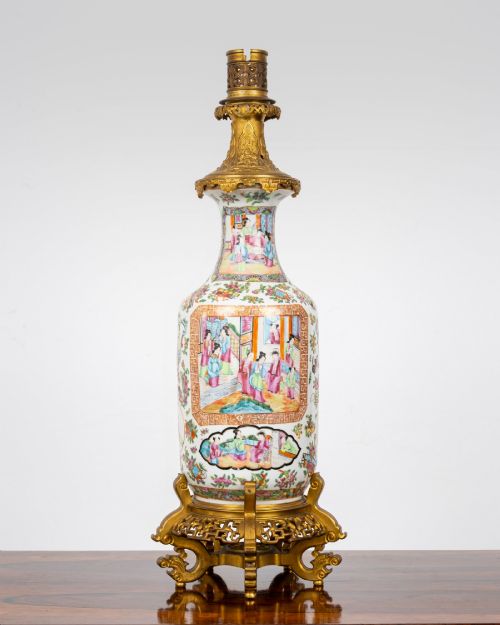


19th Century Vase Lamp
A 19th century vase lamp brings converted historic ceramic bodies into domestic lighting, offering rich colour and pattern for a room.
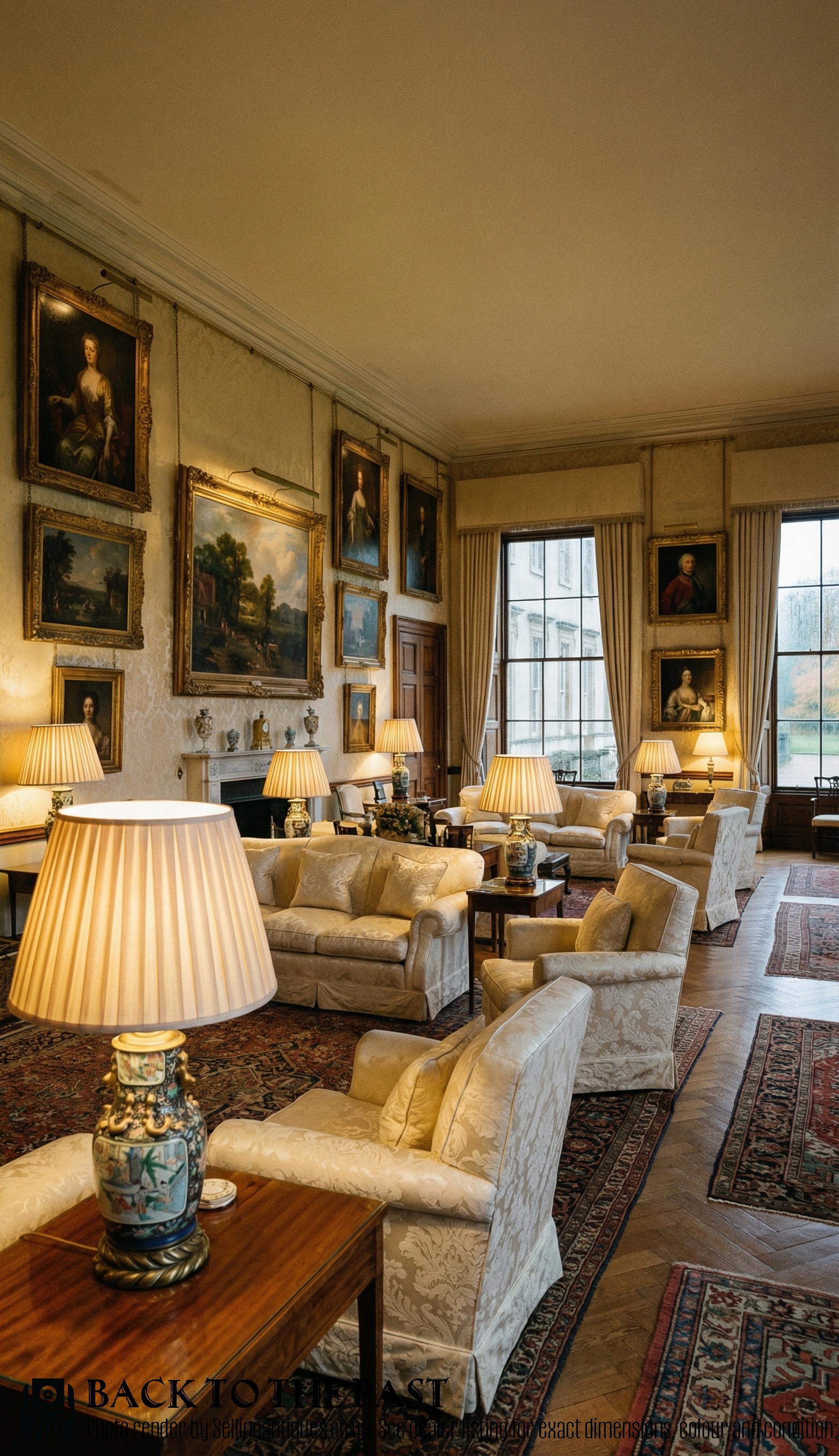
Identifying a 19th century vase lamp
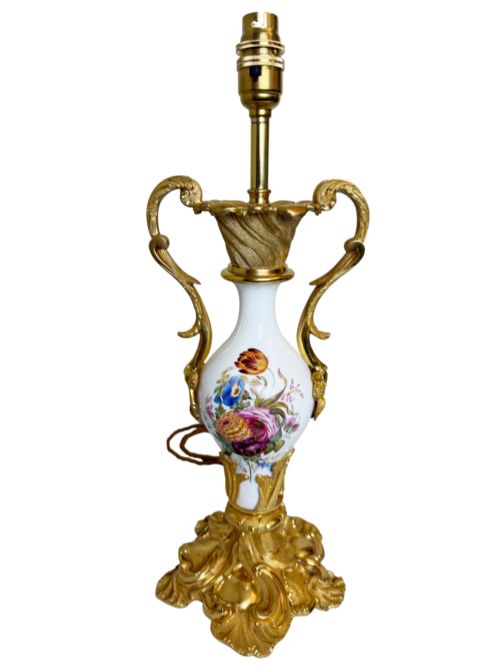
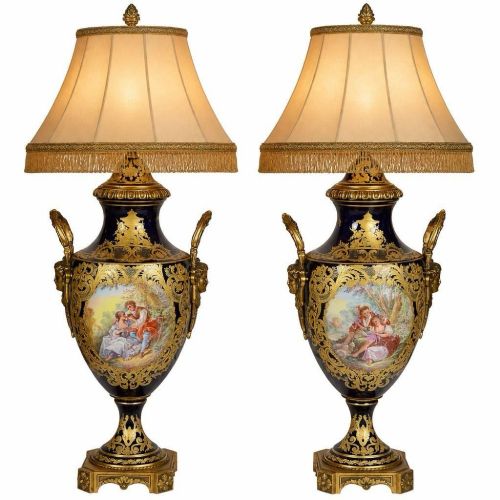
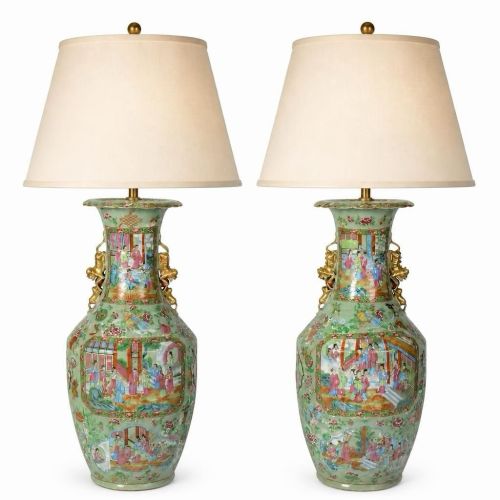
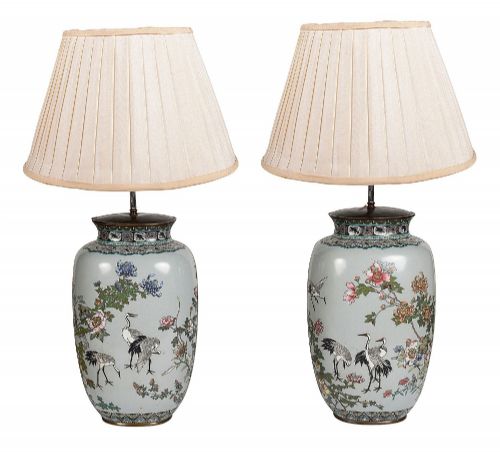
A 19th century vase lamp unites historic ceramic vessels with domestic illumination, creating decorative objects that suit many interiors. The pieces on this page are predominantly Chinese porcelain examples alongside French, Japanese, and Dutch Delft ceramics adapted for lighting.
Forms span blue and white porcelain, famille verte and famille rose palettes, celadon, crackleware, and cloisonne enamel. Makers utilised both antique vessels and contemporary factory pieces from the period, often mounting them with brass, gilt bronze, or ormolu fittings.
Many items originate from the nineteenth century, including specific dates around eighteen eighty and eighteen ninety. Collectors encounter single lamps as well as matched pairs, some retaining period fabric or silk shades.
Materials and conversion techniques
Potters shaped the ceramic bodies from porcelain and earthenware, applying cobalt blue, enamel paints, or cloisonne wirework before firing. Craftsmen then adapted these vases into lamps by mounting them on metal bases and wiring them for electricity or oil.
Mounts and hardware typically employ brass, gilt bronze, or ormolu, providing stable bases and secure fittings for bulb holders. Shade construction involves fabric and silk materials, completing the conversion from vessel to luminary.
Retail Price Guide 2026
Typical UK retail prices for 19th century vase lamp, calculated from the Sellingantiques database of over a million retail prices indexed since 2003. This retail price guide relies exclusively on Sellingantiques data; no external sources or auction records are used, so the figures do not describe the wider market.
Listings feature porcelain, brass, gilt bronze, silk, and ormolu across nineteenth-century styles.
Factors determining quality
The sophistication of the ceramic painting and the crispness of the glaze define the upper tier of these pieces. Hand-painted detail in palettes such as famille rose or fine blue and white displays superior artistry compared to standard production.
The integration of the metal mounts, whether ormolu, gilt bronze, or brass, dictates the overall refinement of the conversion. Balanced proportions between the vase body and the lighting hardware distinguish finer examples.
The 19th Century Vase Lamp Glossary
- Famille Rose
- A palette of opaque rose-pink enamel introduced in Chinese porcelain decoration during the Qing dynasty. It allowed artists to achieve subtle gradations of tone.
- Cloisonne
- An enamel technique where metal wire forms compartments on a vase surface to hold coloured pastes. These are fired to create intricate patterns.
- Ormolu
- Gilt bronze mounts applied to furniture and ceramics, providing decorative metal highlights. It was widely used in French and English decorative arts.
- Celadon
- A pale green jade-like glaze applied to porcelain bodies. This traditional finish originated in China and became popular across international markets.
- Imari
- A style of Japanese export porcelain featuring underglaze blue and contrasting iron-red and gold highlights. It gained widespread favor during the nineteenth century.
Frequently Asked Questions
How are these lamps constructed?
Makers took historic ceramic vessels and fitted them with metal mounts, wiring them for domestic illumination while preserving the original body.
Hardware typically includes brass or gilt bronze elements that secure the electrical components to the top and base of the vase.
Are shades included with the lamps?
Some listings include fabric or silk shades alongside the ceramic base, while others offer the lamp body alone.
Buyers often select bespoke shades to complement the specific colours and patterns of the historic porcelain.
What origins are most common?
Chinese porcelain forms dominate the selection, including blue and white, celadon, and famille rose variations.
Japanese Satsuma, Kutani, and cloisonne pieces also appear alongside European ceramics from French and Dutch workshops.
How do I date these pieces?
Dating relies on stylistic markers from the nineteenth century, including specific reign periods, manufacturing techniques, and export patterns.
Many listings reference specific decades or periods such as the Meiji era or the late nineteenth century.