

19th Century Vanity
A 19th century vanity gathers the dressing tables, mirrors, and fitted boxes that defined personal grooming across the Georgian, Regency, and Victorian periods.
19th Century Vanity
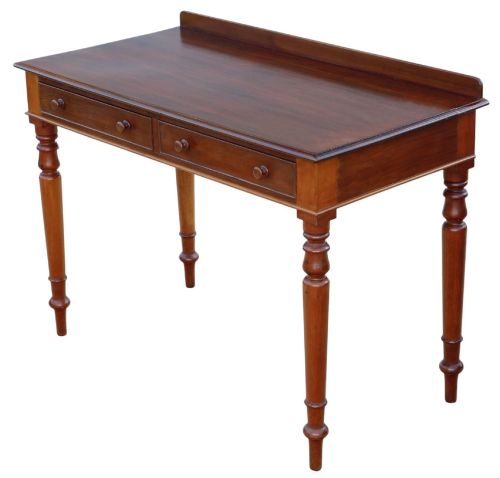
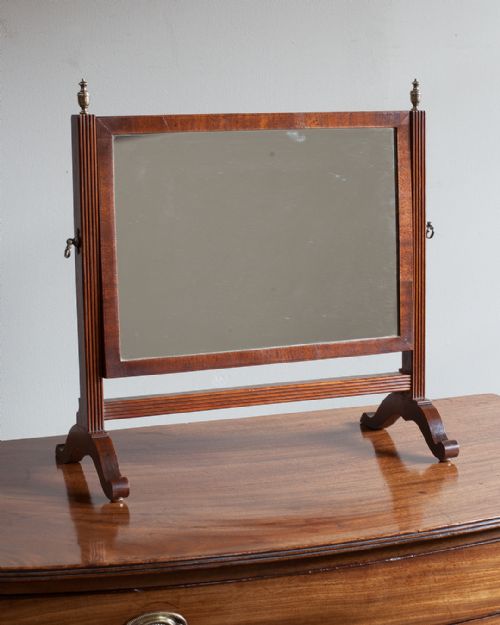
A 19th century vanity encompasses a broad spectrum of personal grooming furnishings, ranging from large mahogany dressing tables and marble-topped washstands to compact table mirrors and travelling boxes. The pieces appearing here span styles from Regency and French Empire to Victorian Rococo Revival and Queen Anne Revival.
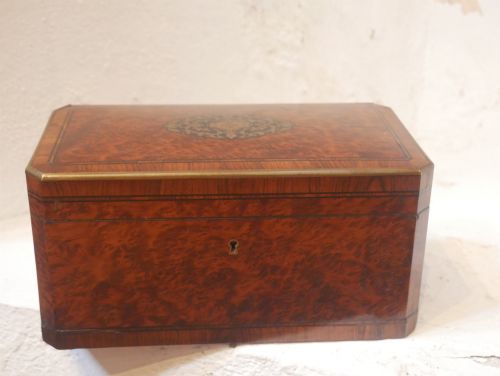
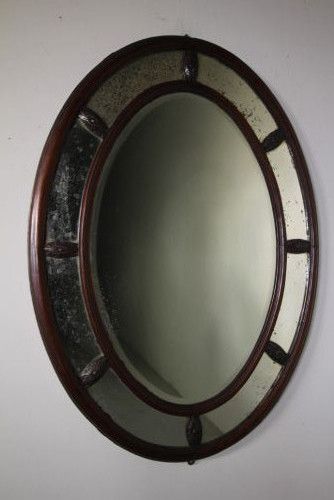
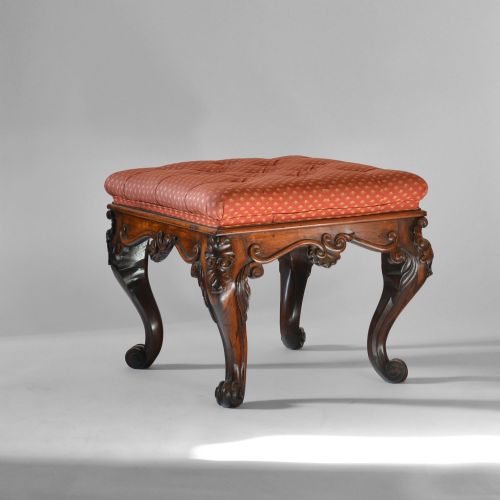
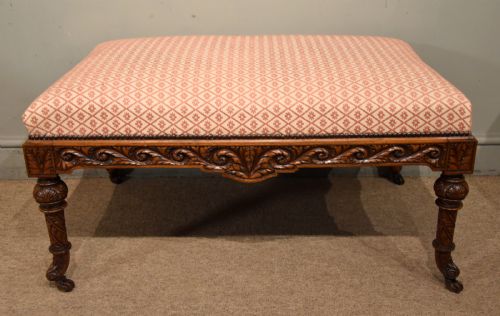
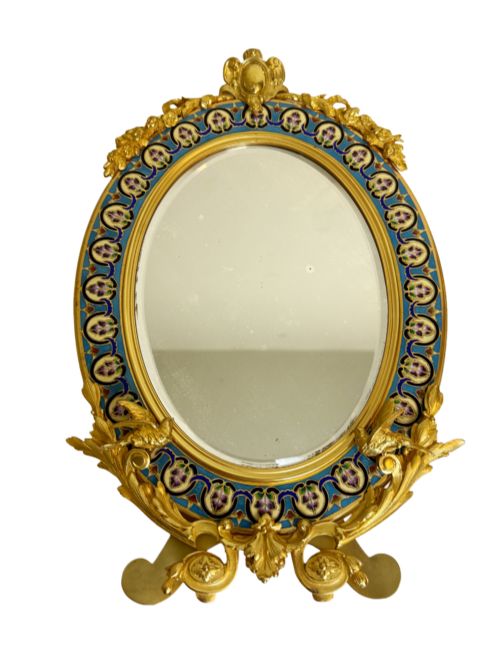
Table-top and swing mirrors in rosewood, mahogany, and gilt bronze recur frequently alongside fitted jewellery boxes in burr walnut and kingwood. Stools and dressing chairs upholstered in velvet or fabric also support these functional setups.
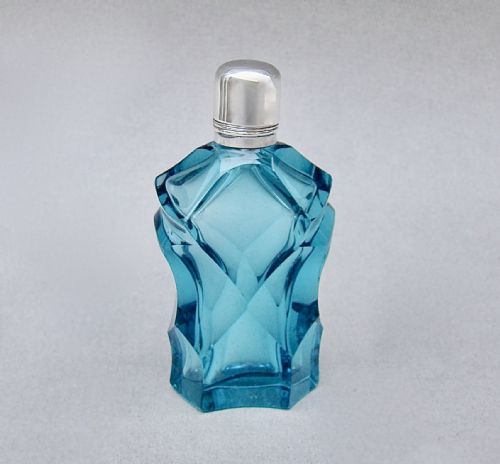
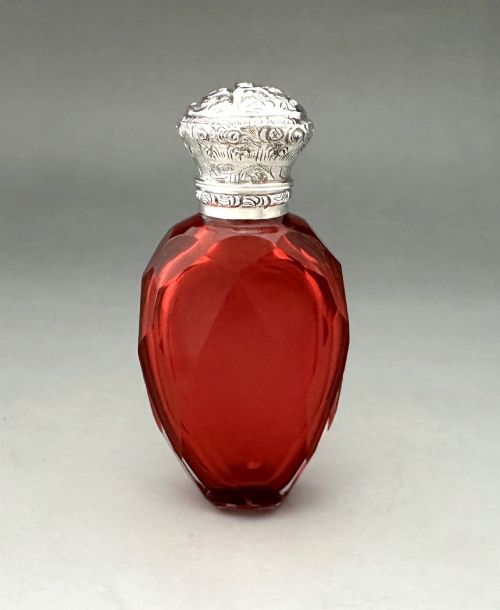
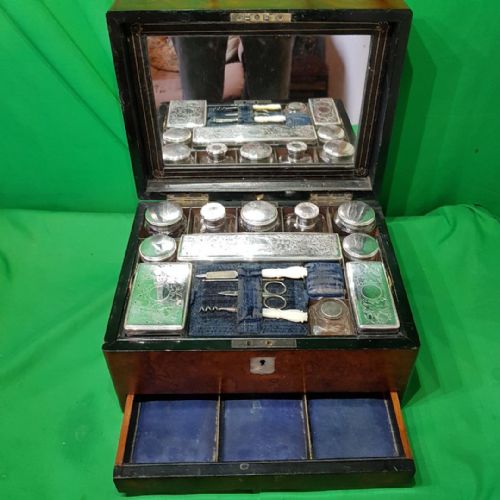
Smaller portable items, such as silver and sliced-cut glass scent bottles, pill boxes, and travelling sets, form an integral part of this category alongside larger furniture forms like gentleman's dressing chests and washstands.
Materials and construction methods
Cabinet makers utilised dense hardwoods like mahogany, rosewood, walnut, and oak for structural stability, often applying decorative veneers such as kingwood, amboyna, and bird's-eye maple with tulipwood inlay. Brass bindings, ormolu mounts, and champlevé enamel frequently provided structural reinforcement and surface ornamentation.
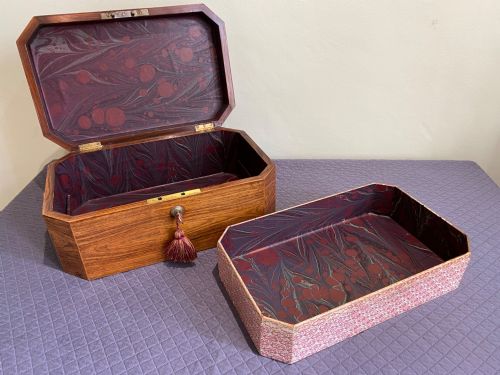
Glass was ground, sliced, and fitted into swing mirrors or fashioned into scent bottles alongside silver mounts and gilt-bronze fixtures. Interior compartments relied on precision joinery to house fitted vanity sets, glass flasks, and velvet-lined trays.
Several 19th-century boxes contained secret compartments for smuggling love letters past curious eyes.
Distinctions in construction and design
The refinement of the carving, the selection of figured veneers such as burr walnut or coromandel, and the integrity of original mirror plates separate standard utility items from top-tier examples. Finer pieces demonstrate meticulous hand-carving on lime wood or mahogany frames, precise brass inlay, and fully intact internal fittings.
The presence of documented maker stamps, original silver-gilt mounts, and sophisticated locking mechanisms on travelling boxes indicate higher workshop standards. Conversely, replacement glass or heavily altered secondary woods shift an object down the scale.
Heal and Son·Tahan Paris·Tonnel Paris·Gillows
The 19th Century Vanity Glossary
- Swing mirror
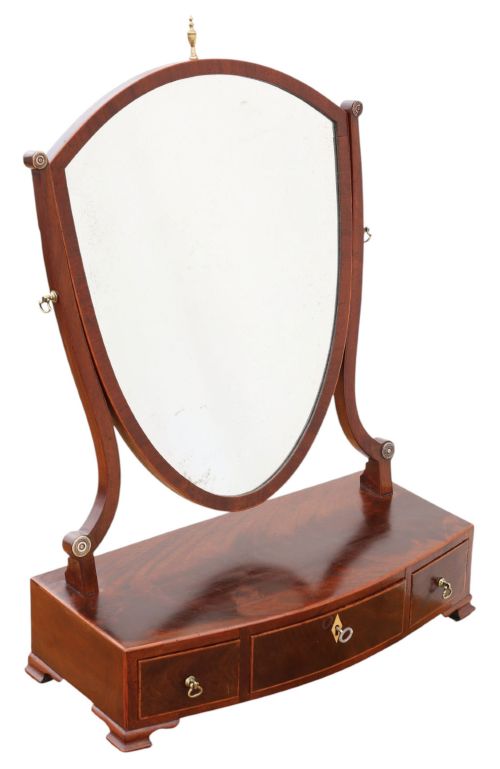
- A mirror plate mounted on vertical pivots between two upright posts, allowing the glass to tilt. These often sit upon small drawer bases or dressing chests.
- Ormolu
- Gilt-bronze ornamentation applied to furniture and decorative objects. It gained widespread use in French Empire and 19th-century luxury pieces.
- Champlevé
- An enamel technique where troughs or cells are hollowed out of a metal surface and filled with vitreous enamel before firing. It appears frequently on late 19th-century desk mirrors and boxes.
- Washstand
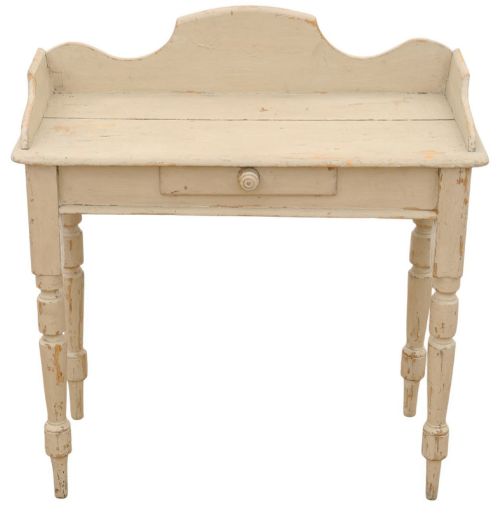
- A freestanding piece of furniture designed to hold a basin and pitcher for washing, frequently featuring marble tops and lower storage cabinets during the Victorian era.
- Biedermeier
- A Central European style spanning the early 19th century emphasising clean lines, utilitarian forms, and domestic comfort using native woods like birch.
19th Century Vanity: Frequently Asked Questions
What is a travelling vanity box?
A travelling vanity box is a portable chest fitted with internal compartments, glass bottles, and jars designed for grooming on journeys. They were constructed in woods like rosewood, coromandel, or oak and reinforced with brass.
These boxes held personal effects securely while maintaining an orderly arrangement of containers for liquids, powders, and jewellery during transit.
How do I identify a Victorian dressing table?
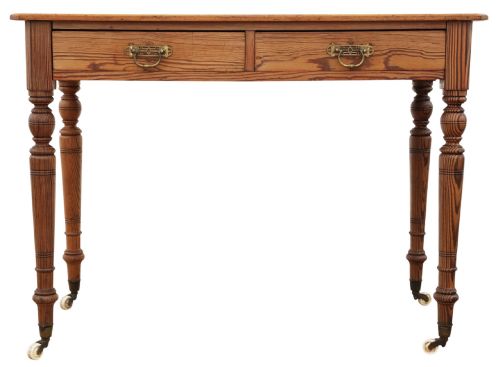
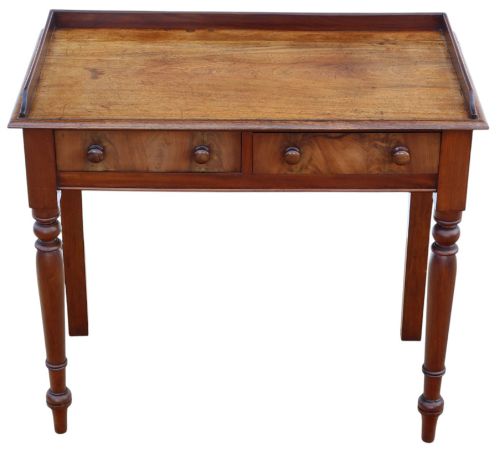
Victorian dressing tables typically feature substantial timber construction in mahogany, walnut, or pitch pine, often paired with an attached swing mirror supported by carved uprights. They frequently incorporate multiple small drawers for storage.
Earlier examples lean towards Georgian and Regency influences with simpler lines, while mid-to-late Victorian pieces often display heavier carving, serpentine fronts, or revival styles.
Were washstands used as vanities?
Washstands served primarily for morning ablutions with basins and ewers, but their marble or wooden tops made them functional surfaces for daily grooming. Many Victorian versions included splashbacks and lower shelves.
Over time, changing domestic habits meant these washstands were often repurposed as dressing surfaces or decorative side tables within bedrooms.
What woods were used for 19th-century vanity pieces?
Makers relied heavily on durable timbers like mahogany, oak, and rosewood for primary structures and frames. Finer decorative surfaces utilised exotic veneers including kingwood, amboyna, coromandel, and bird's-eye maple.
Inlays of tulipwood and accents of brass or ormolu were frequently added to enhance the visual depth of the polished wood grains.