



William IV Vanity
William IV vanity pieces bring solid timber, clean proportion, and practical bedroom furniture into the room.
William IV Vanity
When you search for william iv vanity, you encounter dressing tables, swing mirrors, sewing box stools, and jewellery boxes from the nineteenth century. These items served the daily grooming and personal storage needs of the period, executed in substantial woods.
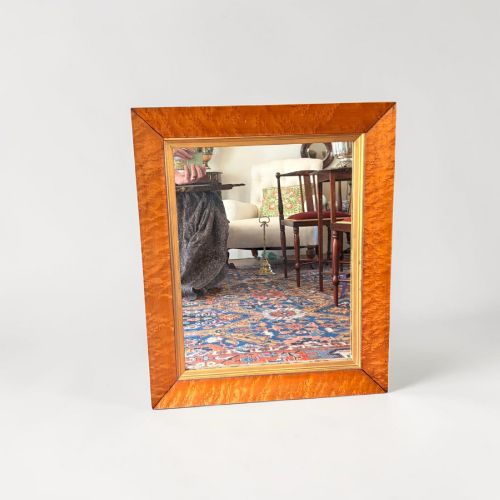
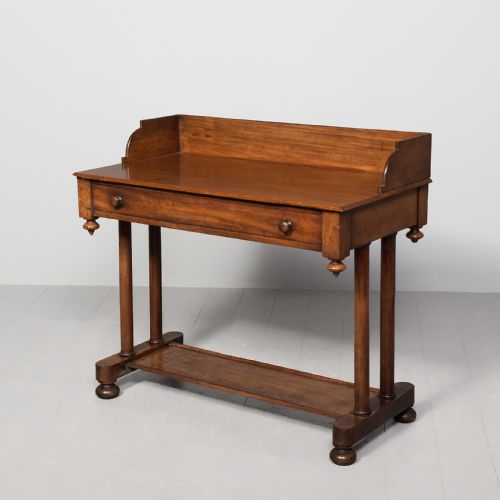
The pieces on this page span the William IV, Regency, and early Victorian styles, often made from mahogany or rosewood. Dressing mirrors and table mirrors appear frequently alongside dressing tables and seated furniture.
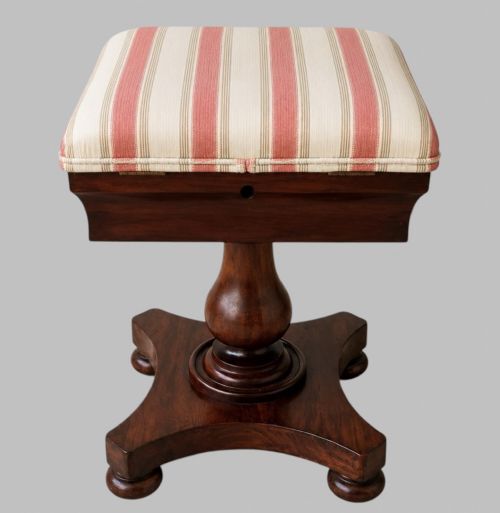
Forms range from simple swing toilet mirrors to multi-drawer knee-hole dressing tables and sarcophagus-shaped jewellery boxes. Each item reflects the domestic utility and cabinet-making standards of the era.
How they were made
Cabinet-makers of the period utilised dense tropical hardwoods, predominantly mahogany and rosewood, chosen for their rich grain and durability. These timbers formed the structural frames and decorative surfaces of dressing tables and mirror stands.
Metal and glass components complemented the woodwork, with brass fittings providing secure fastenings and adjustable pivots for swing mirrors. Clear glass formed the reflective plates, while various textiles, velvet, and leather furnished the seats of related stools.
William IV Vanity Retail Price Guide 2026
Typical asking prices for william iv vanity among the pieces listed under this phrase on Sellingantiques today, from the lower quarter to the upper quarter. They describe what is for sale here now, not the wider market.
Listings feature nineteenth-century furniture in mahogany, rosewood, walnut, and brass, spanning Regency to early Victorian periods.
What varies in quality
The selection of timber grain and the precision of the cabinet work define the upper tier of these pieces. Figured walnut and carefully matched mahogany veneers show a higher degree of consideration by the maker.
Proportion and the integration of functional elements, such as smooth-turning mirror frames and well-fitted drawers, separate standard utility pieces from finer examples. Solid brass hardware and neat upholstery detailing further distinguish the construction.
Gillows
The William IV Vanity Glossary
- Swing mirror
- A tabletop or dressing table glass mounted on vertical pivots that tilt the frame. This allows the user to adjust the angle during grooming.
- Knee-hole table
- A desk or dressing table featuring a central recess for the legs, flanked by banks of drawers. It provides a dedicated seating space for personal care.
- Sarcophagus
- A box or chest form with a domed or pitched lid, tapering slightly towards the base. The shape draws inspiration from classical monumental stone coffins.
- Piano stool
- An adjustable seat designed for keyboard players, often featuring a revolving top or screw mechanism. These pieces frequently share domestic spaces with dressing furniture.
- Figured walnut
- Timber exhibiting wavy or mottled patterns within the grain, highly prized for decorative surfaces. Cabinet-makers reserved it for prominent panels on better pieces.
William IV Vanity: Frequently Asked Questions
What defines a william iv mirror?
William IV mirrors typically feature sturdy mahogany or rosewood frames supported by scrolling scroll brackets or pillar uprights. They often sit upon table bases equipped with small storage drawers.
These swing mirrors combine heavy wood construction with relatively clean architectural lines, bridging the Regency and early Victorian periods.
How do I use a dressing table mirror?
A dressing table mirror rests on top of a larger table or chest, providing a reflective surface for personal grooming. The adjustable frame tilts to suit the user.
In daily life, these pieces serve well on modern dressing chests or sideboards as functional tabletop accessories.
What is a sewing box stool?
A sewing box stool combines a padded seat with an internal compartment for needles, threads, and textile work. The upholstery lifts or hinges open to reveal storage.
These dual-purpose pieces offer compact seating alongside concealed utility for living spaces and bedrooms.
How are rosewood and mahogany distinguished?
Mahogany displays a reddish-brown tone with a straight or slightly interlocking grain that takes a deep polish. Rosewood tends to be darker with pronounced dark brown or black streaks.
Both dense timbers were favoured by nineteenth-century cabinet-makers for their strength and rich appearance.