
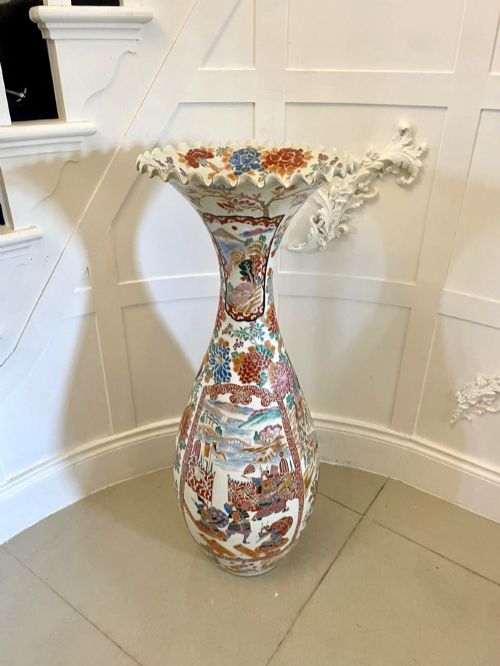
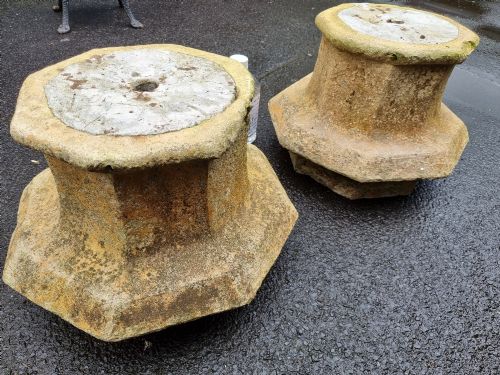

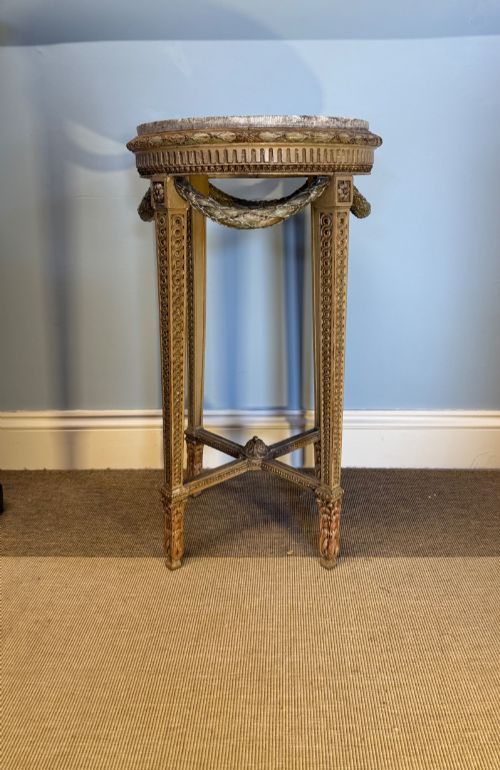
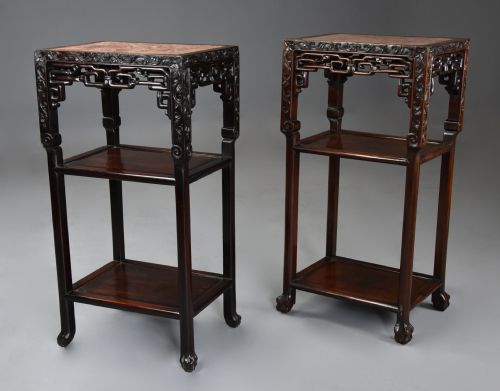
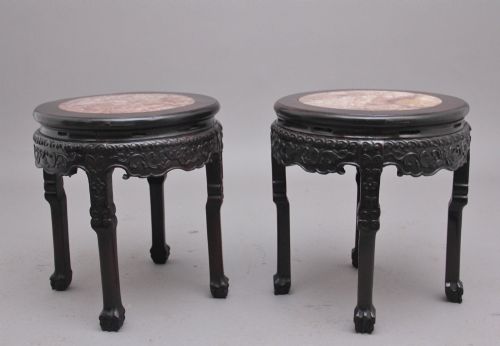

19th Century Urn Stand
A 19th century urn stand elevates decorative vessels and plants, bringing classical proportion and display height to a room.
How they were made
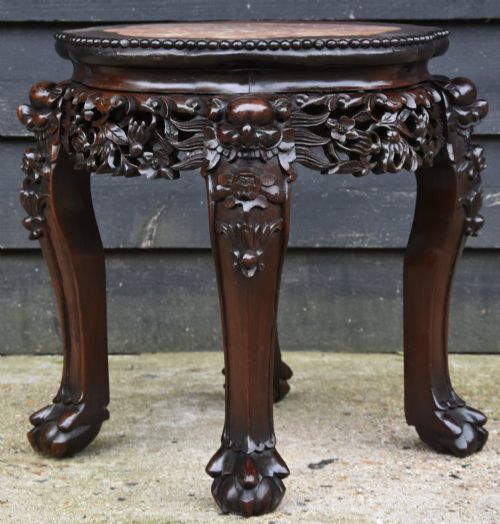
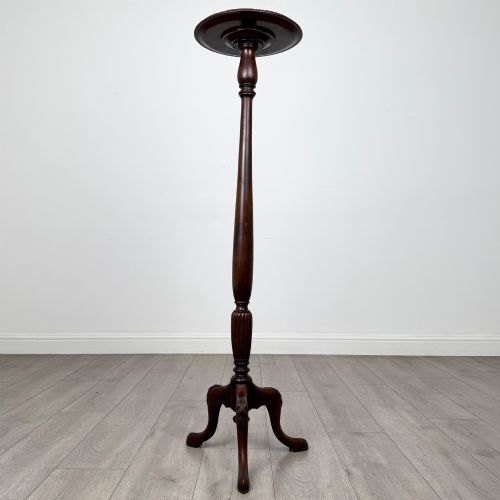
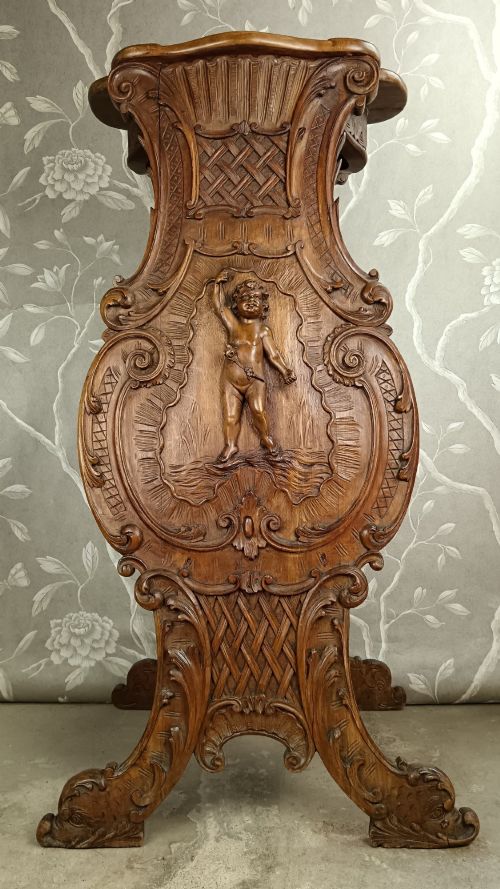
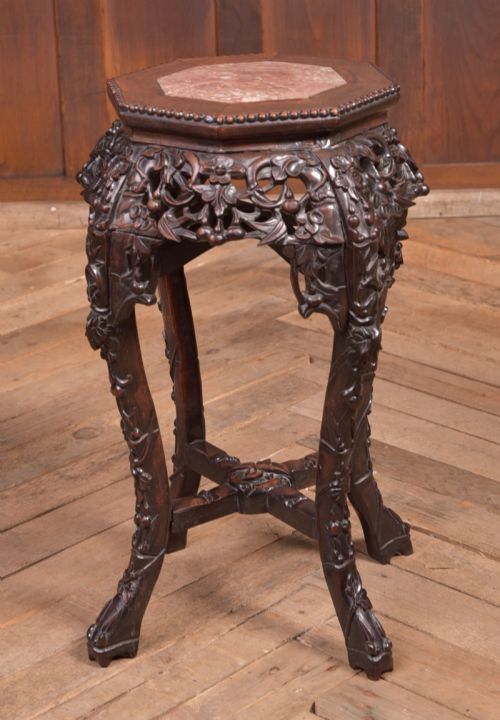
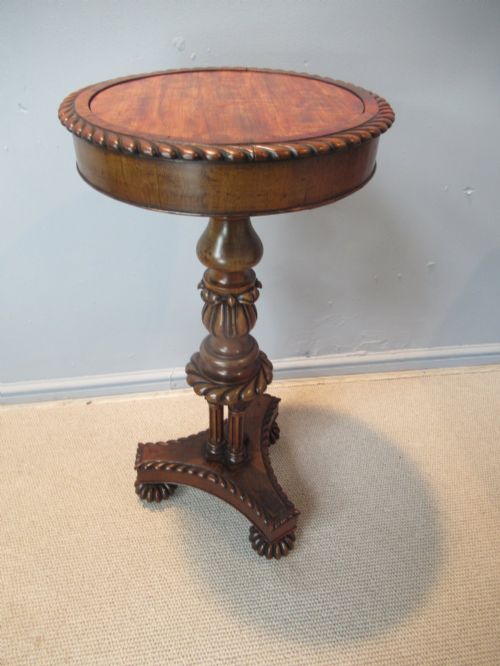
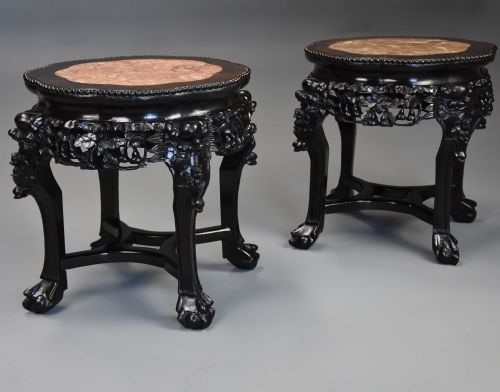
Cabinetmakers constructed these stands using dense hardwoods such as mahogany, walnut, and hongmu, often employing meticulous joinery to ensure stability under heavy stone or ceramic weights. Turned columns, fluted pilasters, and carved tripod bases provided the structural support necessary for elevated vessels.
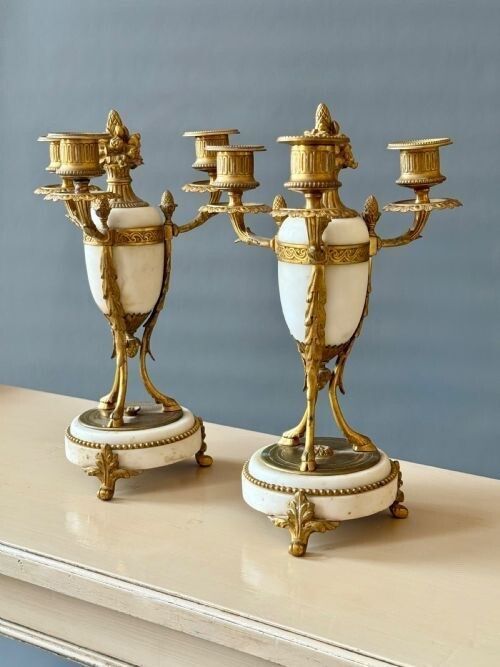
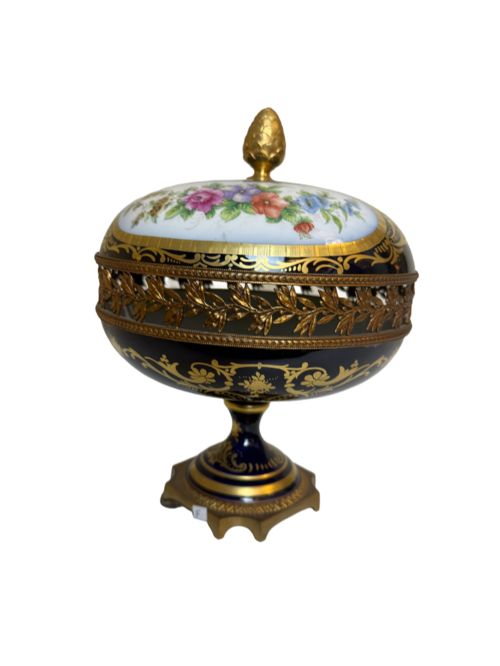
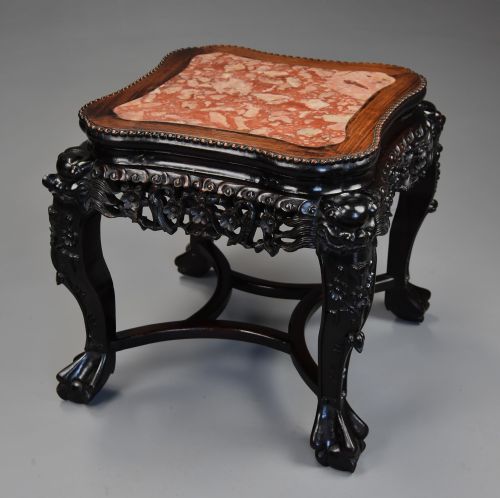
Surface decoration frequently incorporated inset variegated marble slabs, pressed brass mounts, and gilt bronze or ormolu details. Carvers applied intricate foliage, caryatids, and geometric patterns to the wooden frames, aligning with Regency, Victorian, and Qing Dynasty stylistic traditions.
What varies in quality
Quality in a 19th century urn stand rests upon the integrity of the materials and the precision of the carving. Dense timbers like rosewood and walnut, paired with correctly fitted inset marble tops, demonstrate superior craftsmanship compared to simpler pine or secondary woods.
The refinement of decorative elements also dictates standard, from crisply cast bronze ormolu mounts and hand-carved caryatids down to basic turned wooden shafts. Well-executed joinery that remains rigid under weight separates utilitarian utility pieces from high-status display furniture.
Shoolbred·Paul Storr
The 19th Century Urn Stand Glossary
- Campana urn
- A bell-shaped garden or interior vessel, frequently cast in iron or terracotta, designed to sit atop a dedicated column or plinth.
- Torchere
- A tall, slender stand or pedestal originally intended to hold a candle or torch, later adapted for lamps, vases, and urns.
- Hongmu
- A category of dense, dark Chinese hardwoods frequently utilised in the production of ornate low stands and tables during the Qing Dynasty.
- Ormolu
- Gilded bronze mounts applied to the edges and surfaces of decorative furniture and stands during the 19th century.
- Jardiniere
- An ornamental pot or stand, often ceramic or wooden, used to hold flowering plants within a domestic interior.
19th Century Urn Stand: Frequently Asked Questions
What were 19th century urn stands used for?
These pieces served primarily to elevate heavy decorative objects, including marble busts, bronze urns, and porcelain vases, lifting them to eye level for proper display.
In both grand drawing rooms and domestic interiors, they also functioned as plant stands or torchere tables to hold lamps and floral arrangements.
How do I style an urn stand at home?
Position a sturdy pedestal or column in an empty corner or hallway to display a single sculptural vase, cast iron campana, or trailing plant.
Ensure the weight capacity of the stand matches the vessel placed upon it, particularly with heavy marble, terracotta, or stoneware pieces.
How do I tell Victorian stands from earlier periods?
Victorian examples often incorporate heavy carving, dark walnut or oak, and stylistic revivals like Renaissance or Gothic motifs. Earlier Regency or Georgian pieces typically display cleaner Neoclassical lines, lighter yew or mahogany timbers, and more restrained classical proportions.
What is the difference between a pedestal and a plant stand?
Pedestals generally feature rigid architectural columns made of stone, wood, or bronze designed for formal urns and busts. Plant stands and jardiniere tables are frequently lower, constructed from Chinese hardwoods, and built specifically to accommodate botanical containers.