







19th Century Tribal Art
When you search for 19th century tribal art, you enter a diverse world of historic carvings, weapons, and textiles shaped by distinct cultural traditions.
19th Century Tribal Art
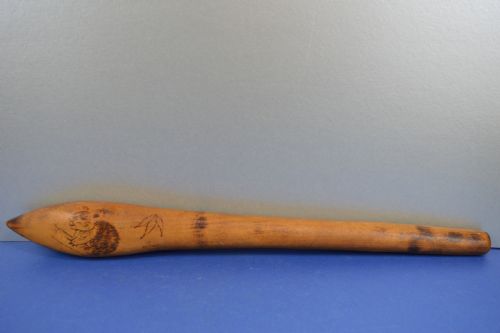
When exploring 19th century tribal art, a buyer encounters a wide selection of cultural objects ranging from functional items to ceremonial artefacts. The inventory spans regional specialities such as African carved masks, Oceanic war clubs, Australian Aboriginal throwing clubs, and Central Asian textiles.
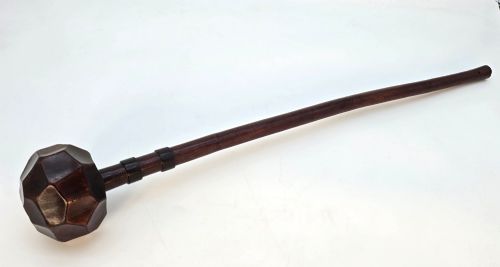
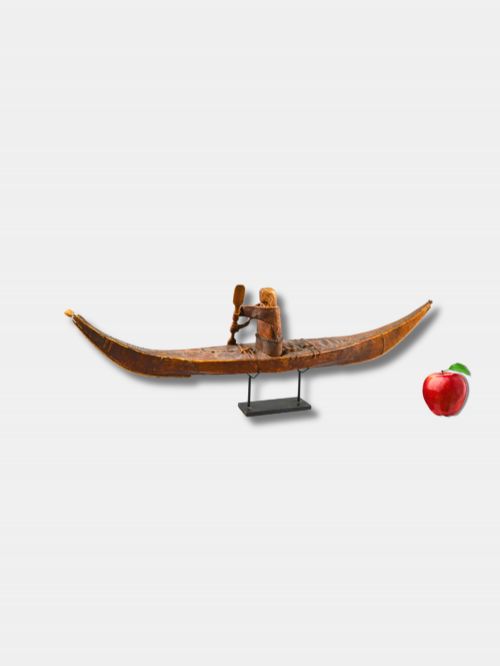
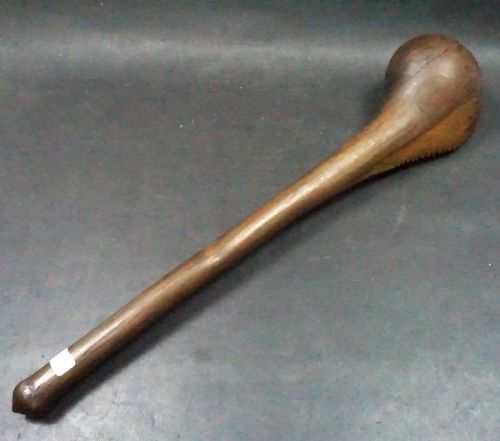
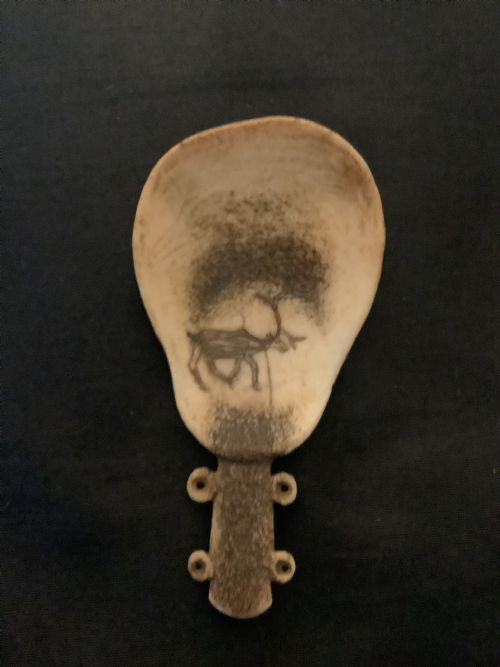
The objects on this page reflect distinct global traditions, including Zulu knobkerries, Inuit bone sculptures, and Uzbek silk embroideries. Each piece represents the utilitarian, spiritual, or decorative output of specific indigenous groups during the eighteen-hundreds.
Textiles also form a core part of the selection, featuring Turkmen torbas, silk suzanis, and woollen wall hangings. These woven pieces provide functional storage and decorative elements originating from Central Asian and Caucasian workshops.
How They Were Made
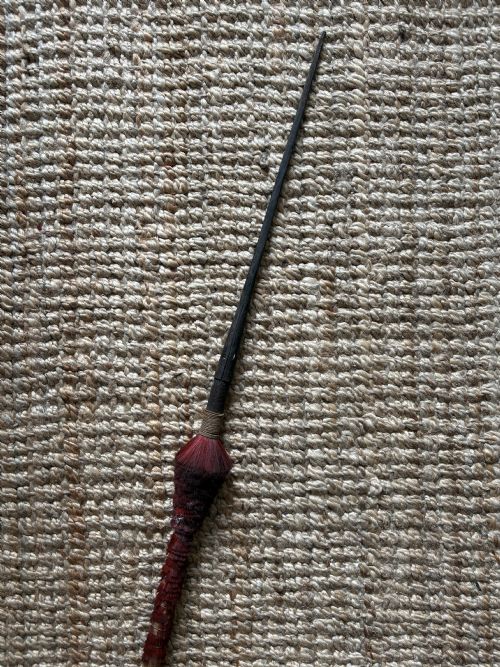
Maker communities shaped these objects primarily from dense hardwoods, bone, antler, and bronze, utilising traditional hand tools to carve sculptural forms and weaponry. Artisans also worked with organic materials like tanned seal skin and vegetable dye bristles to finish functional items such as spears and kayaks.
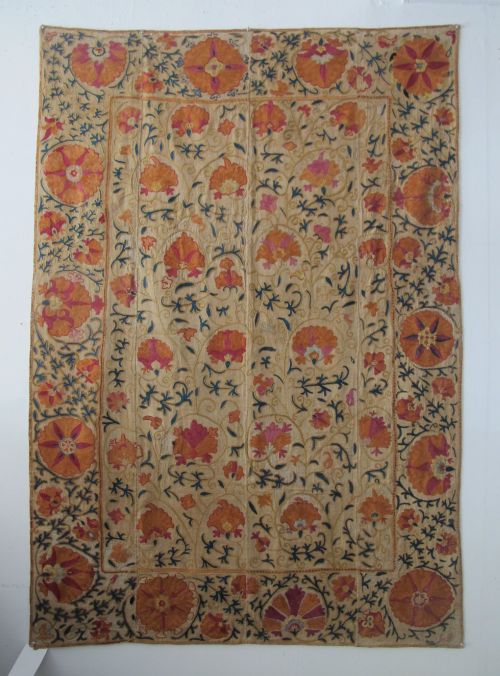
Textiles rely on natural materials including silk, wool, and cotton grounded on woven backings. Makers applied natural dyes and executed intricate needlework, seen clearly in the embroidered motifs of Suzanis and the Soumak weave of tribal bag faces.
Several clubs retain distinct wear marks from past handling by traditional warriors and hunters.
What Varies in Quality
Quality in these historic artefacts often rests upon the precision of the carving and the integrity of the surviving material. Intricate detailing on masks and clubs, along with the crispness of motifs on woven torbas and suzanis, separates standard examples from exceptional ones.
The preservation of original pigments, natural dyes, and structural components dictates the desirability of each piece. Surviving examples that retain their complete form without excessive modern restoration command greater interest among collectors.
The 19th Century Tribal Art Glossary
- Suzani
- A type of embroidered Central Asian textile made with silk thread on a cotton or linen ground. These large decorative wall hangings often feature bold floral and medallion patterns.
- Knobkerrie
- A traditional African wooden club featuring a heavy rounded knob at one end. Warriors used these versatile implements for hunting and in combat.
- Torba
- A small Turkmen storage bag traditionally hung inside a yurt. These pieces display characteristic gul motifs and intricate geometric patterns.
- Woomera
- An Australian Aboriginal spear-thrower that acts as an extension of the arm to increase velocity. These wooden implements often double as carrying trays.
- Soumak
- A flat-weave textile technique that wraps weft threads over warps for a textured surface. Shahsavan makers utilised this method for durable bags and rugs.
19th Century Tribal Art: Frequently Asked Questions
How are suzanis displayed?
Suzanis are large embroidered textiles traditionally used as wall hangings or decorative covers in Central Asian homes. Collectors today mount them on supportive backings for interior display.
Because of their delicate silk thread work on cotton grounds, these textiles require protection from direct sunlight. Proper hanging preserves the integrity of the natural dyes and stitches.
What is an ula club?
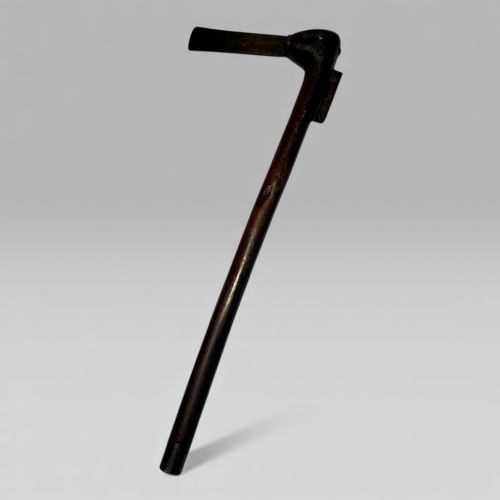
An ula is a traditional throwing club originating from Fiji in the South Seas. Warriors utilised these wooden weapons in close combat or hurled them at targets.
Characterised by a distinctive root-stock head, each club is carved from durable hardwood. They frequently feature detailed grip handles and deep patinas from handling.
How do you date tribal masks?
Dating historic masks relies on examining tool marks, wood shrinkage, and the wear patterns of tribal use. Pigment analysis and surface patination further indicate the age of the piece.
Consulting regional styles and materials helps place objects within specific periods of the eighteen-hundreds. Expert attribution connects the carving methods to known cultural workshops.