
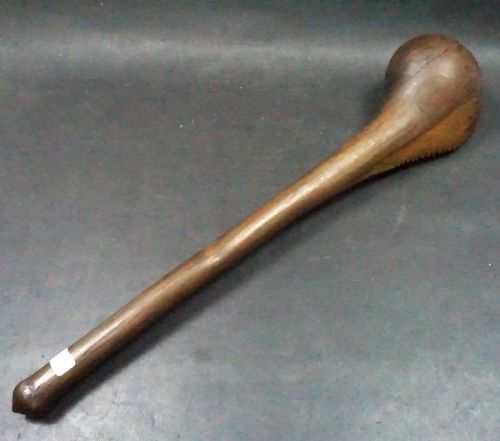


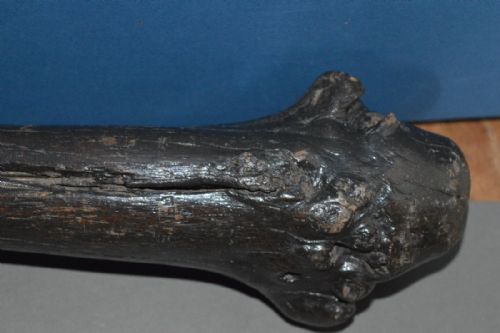
Dark Hardwood Club
A dark hardwood club carries the tangible weight of distant histories, offering collectors a striking piece of indigenous craftsmanship and traditional artistry.
Dark Hardwood Club
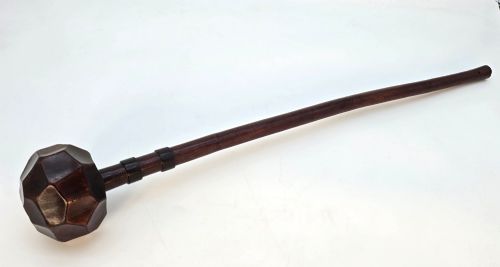
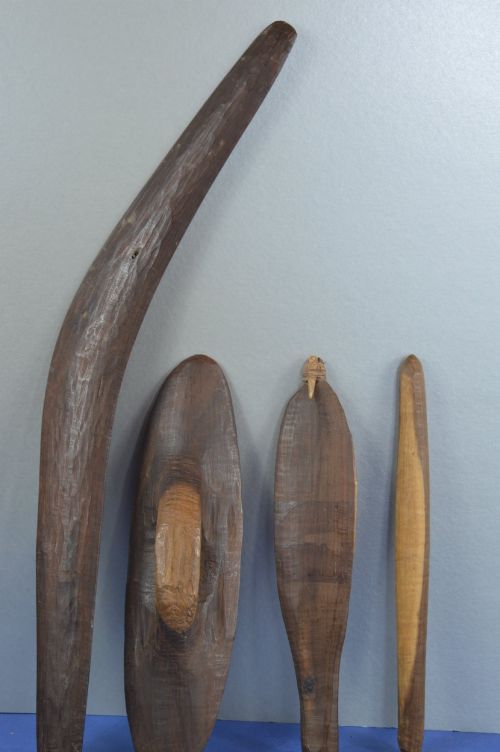
When you search for a dark hardwood club, you are looking at ethnographic artefacts and tribal weapons created across the nineteenth and twentieth centuries. These implements include throwing clubs, knobkerries, and war clubs originating from Southern Africa, Oceania, and Aboriginal Australia.
The version you are most likely to meet on this page is a nineteenth century throwing club or war club fashioned from dense indigenous timber. Pieces span from eighteenth century Fijian examples to nineteen-thirties North African furnishings, though traditional weapon forms dominate the selection.
Materials and construction methods
Maker communities shaped these objects from heavy dark hardwood and indigenous timber, relying on hand tools to carve functional weapons and ceremonial items. The natural density of the wood provided the necessary weight and durability for utility and combat.
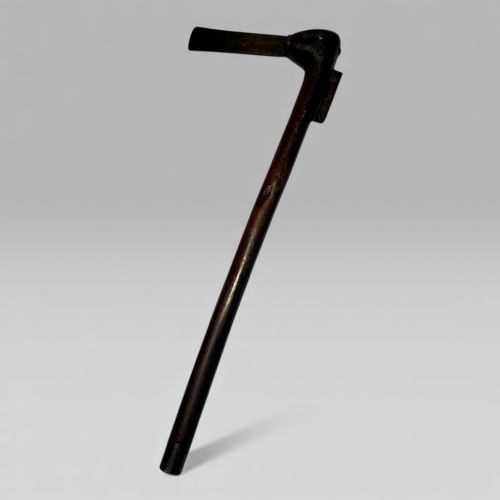
Certain examples incorporate supplementary elements such as leather, bone, brass, plant fibre, natural resin, and forged iron to secure bindings or embellish the primary wooden structure.
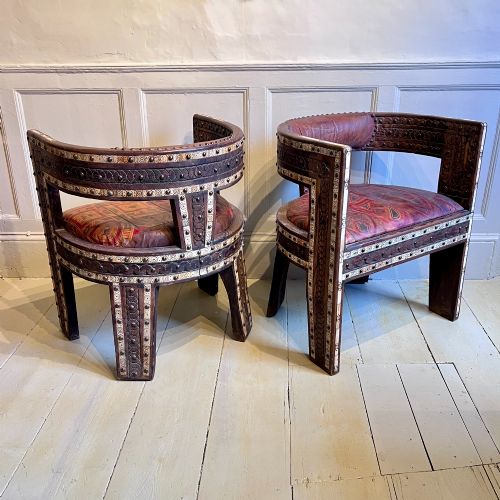
Some nineteenth century makers even doubled as furniture designers, swapping war clubs for armchairs by nineteen-thirty.
Factors that distinguish the finest examples
Quality rests in the harmony of the timber's grain and the crispness of the carved form, where the maker's hand remains evident in every surface contour. Superior examples retain their original surface patination and structural integrity without intrusive modern restoration.
The presence of integrated materials like bone or leather bindings, alongside documented tribal provenance, elevates an artefact from a simple wooden implement to a significant piece of ethnographic art.
The Dark Hardwood Club Glossary
- Knobkerrie
- A traditional Southern African wooden club characterised by a large rounded knob at the striking end. These weapons served dual purposes in hunting and warfare.
- Ethnographic art
- Cultural objects created by indigenous peoples, encompassing utilitarian weapons, ceremonial axes, and carved artefacts. These pieces reflect the specific traditions and material culture of their makers.
- Patina
- The surface sheen and colour acquired by wood and natural materials through age, handling, and environmental exposure. A genuine patina develops naturally over generations.
- Provenance
- The documented history of ownership and geographical origin for an antique. Clear provenance establishes the cultural context and authenticity of tribal art.
Dark Hardwood Club: Frequently Asked Questions
How old are these clubs?
The pieces listed span from the late eighteenth century through the nineteenth century and into the nineteen-thirties. Most date from the eighteen-nineties and nineteen-hundreds.
Age is determined through stylistic analysis, timber oxidation, and recorded collection histories associated with specific tribal regions.
Where do these pieces originate?
These artefacts originate from diverse global regions, notably Southern Africa, Aboriginal Australia, and Oceanic islands including Fiji and Polynesia. Each geographic area developed distinct carving styles and weapon forms.
Makers utilised the specific indigenous hardwoods available in their local environments to construct these functional objects.
How should I display a club?
Displaying these wooden artefacts requires stable indoor conditions away from direct sunlight and dramatic humidity shifts. Proper mounting brackets should support the weight without damaging the timber or historical surfaces.
Allowing adequate space around the piece ensures the carved details and natural patination remain the focal point of the room.